
Ikuta Shrine, located in central Kobe, Japan, charges no entrance fee and is one of the oldest Shinto shrines in the country. Founded over 1,800 years ago during the reign of Empress Jingu, it holds a significant place in Japanese history. The shrine was dedicated to the goddess Wakahirume, and its historical narrative has been intertwined with the development of Kobe. During the Genpei War, it served as a strategic point, making it a site of great historical importance. Today, it remains a serene place of worship and a popular cultural attraction, drawing visitors who are eager to experience its spiritual ambiance and historical depth.
Cultural Insights7 min read17 views
Exploring Ikuta Shrine: A Spiritual Journey in Kobe 2026
Discover the historical significance of Ikuta Shrine in Kobe with tips for a respectful visit. Explore nearby attractions for a complete cultural journey.
By MickyEdited by Talha Nabeel
Entrance fees and visiting hours
Visiting Ikuta Shrine is free of charge, which is typical for many Shinto shrines across Japan. This makes it an accessible cultural experience for all travelers. The shrine is open daily from 7:00 AM to 5:00 PM. However, during special events and festivals, the hours may extend to accommodate the influx of visitors. It is always a good idea to check the official website or contact the shrine directly for the most current information, especially if you plan to visit during a holiday or festival period.
Etiquette rules for visiting Shinto shrines
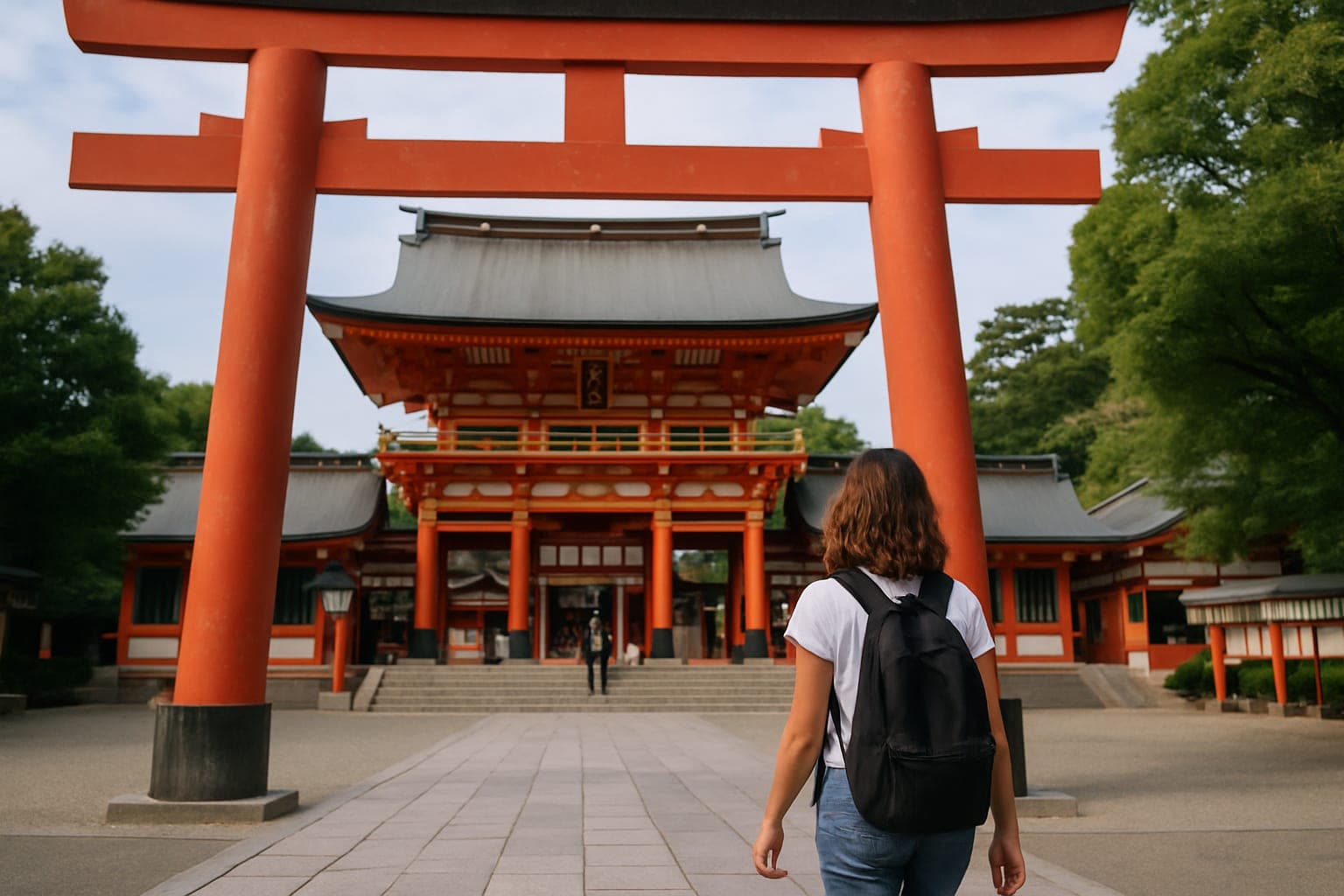
When visiting Ikuta Shrine or any Shinto shrine in Japan, it is important to follow certain etiquette rules to show respect for the local customs and religious practices. Upon entering, you will notice a torii gate, which marks the sacred space of the shrine. It is customary to bow once before passing through the gate. Afterward, proceed to the chozuya, a water pavilion where visitors purify themselves by washing their hands and mouth. Use the ladle to rinse your left hand, then your right, and finally, rinse your mouth with your left hand. Avoid touching the ladle directly with your mouth.
Once purified, approach the main shrine building to offer prayers. Bow twice, clap your hands twice, and bow once more after finishing your prayer. Donations can be made in the offering box. Remember to remain quiet and respectful, as shrines are places of worship and reflection.
What not to do at a Shinto shrine
While visiting a Shinto shrine, there are a few actions you should avoid to ensure a respectful visit. Do not take photos in restricted areas, particularly inside the shrine buildings, unless explicitly allowed. Avoid pointing at objects or people, as it is considered rude. Additionally, do not walk through the center of the torii gate or the path leading to the main shrine, as these are reserved for the deities. Lastly, refrain from loud conversations or behavior that could disturb the tranquility of the shrine.
Unique things to do in Kobe
Kobe is a city with a rich mix of cultural experiences beyond Ikuta Shrine. For food enthusiasts, exploring Kobe's culinary scene is a must, especially tasting the world-famous Kobe beef. A short walk from the shrine, you'll find Sannomiya, a busy district full of restaurants offering this delicacy.
For those interested in history, the Kobe City Museum provides insights into the port city's past, showcasing artifacts from its time as a key trading hub. Additionally, the Kobe Maritime Museum highlights the city's maritime heritage and includes exhibits on modern shipping technologies.
Nature lovers should not miss a visit to Rokko Mountain, home to sweeping views of the city and a variety of hiking trails. The Arima Onsen, one of Japan's oldest hot spring towns, is also nearby, providing a relaxing retreat after a day of exploration.
For more ideas on unique adventures in Kobe, consider reading our guide on unique adventures in Kobe.
Getting to Ikuta Shrine
Ikuta Shrine is conveniently located near Sannomiya Station, which is accessible from various parts of Kobe and beyond. If you are coming from central Kobe, take the JR Kobe Line to Sannomiya Station, a journey that typically takes about 5 to 10 minutes. From the station, it's a short 10-minute walk to the shrine. Look for signs directing you to Ikuta Shrine, as they are clearly marked.
If you're traveling from Osaka, you can take the JR Special Rapid Service to Sannomiya Station, which takes approximately 30 minutes and costs around 410 JPY (about 3 USD). For those coming from Kyoto, the journey on the same line takes about 50 minutes and costs approximately 1,080 JPY (about 7.50 USD). Once at Sannomiya Station, follow the signs or use a navigation app to guide you to the shrine. Pro tip: If you're using public transport, consider purchasing an IC card like ICOCA or Suica for convenient travel across different train lines.
Best times to visit
The best times to visit Ikuta Shrine are during the early morning or late afternoon when the crowds are thinner, allowing for a more peaceful experience. Spring (March to May) and autumn (September to November) are particularly beautiful times to visit, as the shrine grounds are adorned with cherry blossoms or red and orange autumn leaves. These seasons also offer comfortable weather for exploring.
During the spring, you can witness the cherry blossom trees in full bloom, creating a picturesque setting perfect for photography. Autumn brings a different kind of charm with its array of red and orange foliage, providing a colorful backdrop for your visit. If you prefer a quieter visit, try to avoid weekends and Japanese public holidays, as these times are typically busier. Visiting on a weekday morning can give you a more intimate experience, allowing you to fully appreciate the shrine's tranquility.
Festivals and events at Ikuta Shrine
Ikuta Shrine hosts several events throughout the year that attract both locals and tourists. One of the most significant is the Hatsumode, the first shrine visit of the New Year, which sees thousands of visitors coming to pray for good fortune. This event is particularly busy, so if you plan to participate, arrive early to avoid the largest crowds.
Another notable event is the Ikuta Matsuri, held in June, featuring traditional music, dance, and a procession of portable shrines (mikoshi). This festival is an energetic celebration, offering a glimpse into traditional Japanese culture. The mikoshi procession is a highlight, with participants carrying the shrine through the streets, accompanied by lively music and dance.
For those interested in more intimate events, the shrine also holds monthly purification ceremonies, which are quieter but equally meaningful. These festivals provide an excellent opportunity to experience Japanese culture firsthand. However, they also mean the shrine can become quite crowded, so plan accordingly. For those interested in participating in these events, it's advisable to check the dates in advance, as they can vary each year.
Nearby attractions to explore
After visiting Ikuta Shrine, there are several nearby attractions worth exploring. The Nankinmachi, Kobe's busy Chinatown, is just a short walk away, with an array of delicious street food and unique shopping experiences. For those interested in architecture, the Kobe Kitano Ijinkan district deserves a visit. This area is home to several well-preserved Western-style houses from the late 19th century, offering a glimpse into the city's international past.
The Kobe Port Tower, with its distinctive red steel design, provides panoramic views of the city and harbor. Nearby, the Kobe Harborland district is perfect for leisurely strolls along the waterfront, with plenty of shops and cafes to enjoy.
For more of Kobe's lesser-known spots, check out our private tour guide to Kobe.
Tips for a spiritual journey
To make your visit to Ikuta Shrine a truly spiritual journey, consider these tips. First, approach the shrine with an open mind and a sense of respect for the traditions you will witness. Engaging with the local practices, such as making a small donation or purchasing an omamori (a charm for good luck), can enhance your experience.
Take your time to explore the quieter areas of the shrine grounds, where you can reflect and soak in the peaceful atmosphere. If possible, visit during a weekday to avoid the weekend crowds, allowing for a more intimate experience.
Finally, consider combining your visit with a stay at a nearby onsen for relaxation and reflection after your spiritual exploration. The Arima Onsen is an excellent choice, known for its therapeutic waters and serene environment.
TopicsIkuta ShrineKobeShinto Shrine EtiquetteJapanese Culture2026 Travel
Frequently Asked Questions
Related posts
Ready to explore Japan?
Book a private tour with OHAYO TRAVEL JAPAN.
View all private tours · Browse by category · Destinations · Contact us