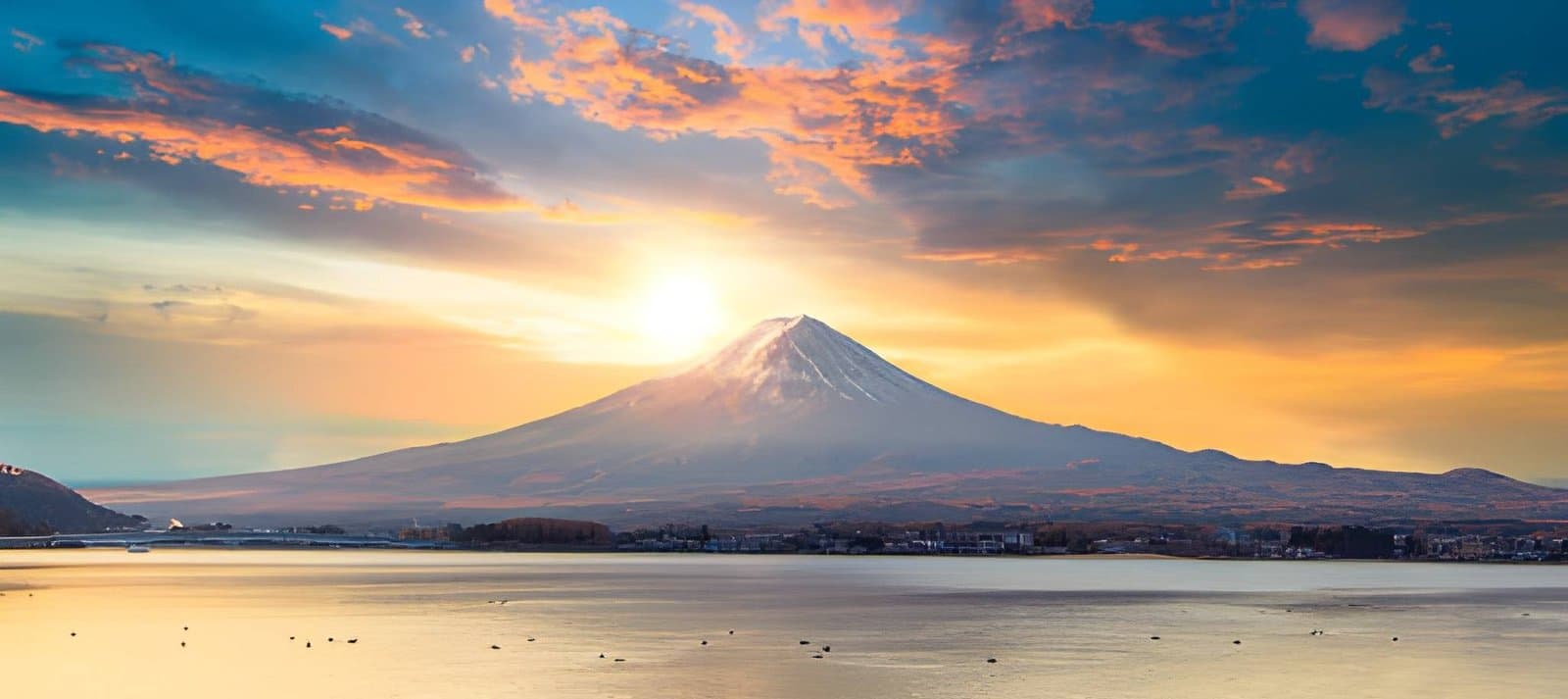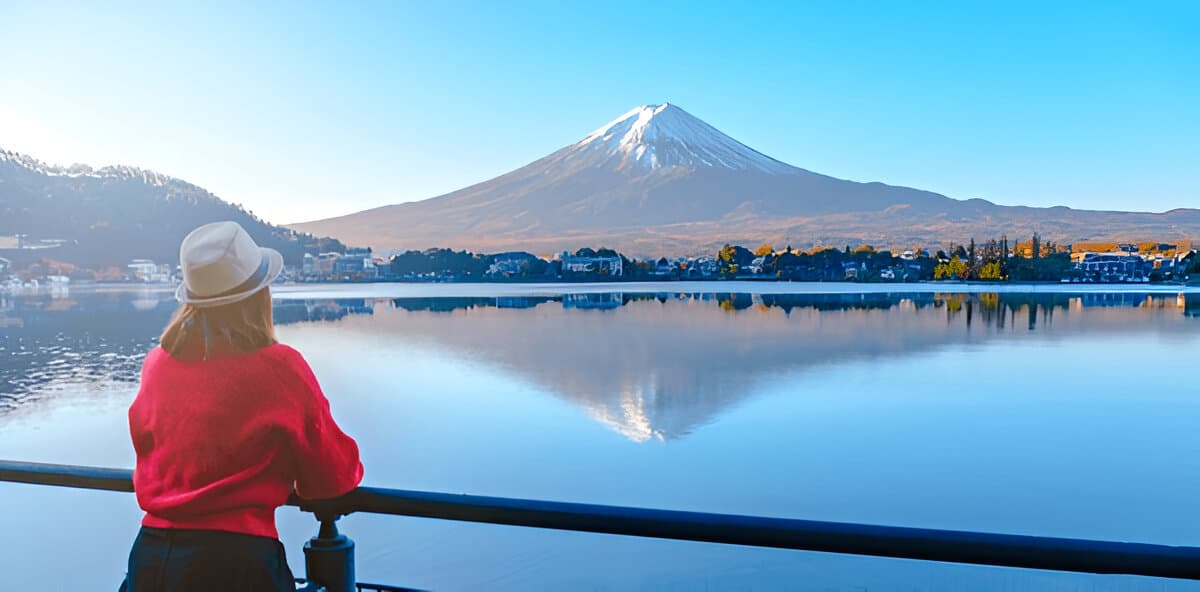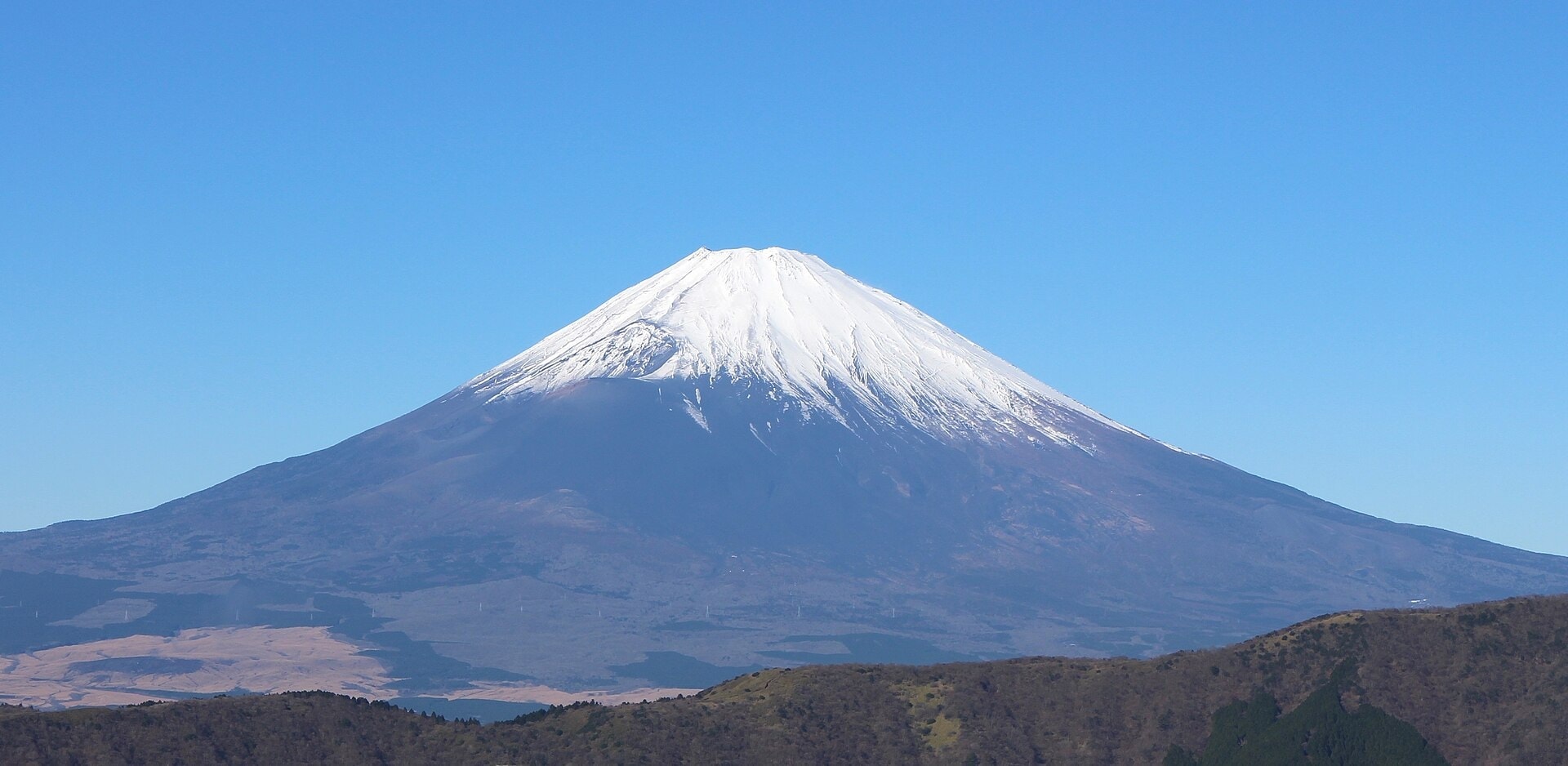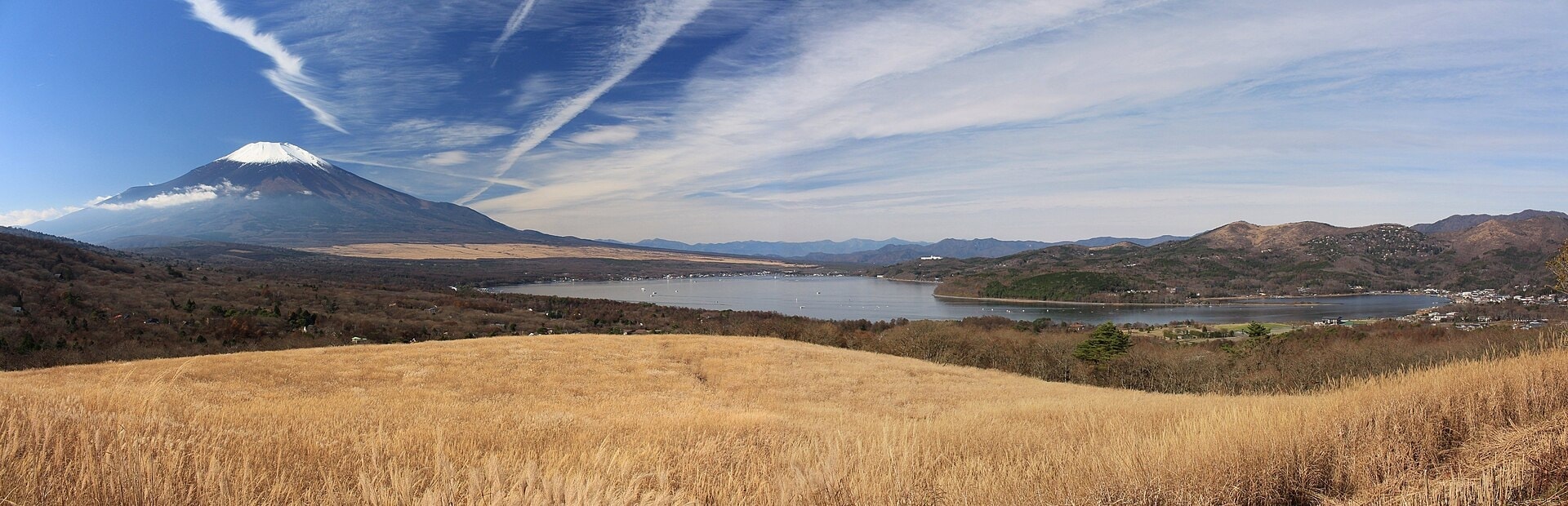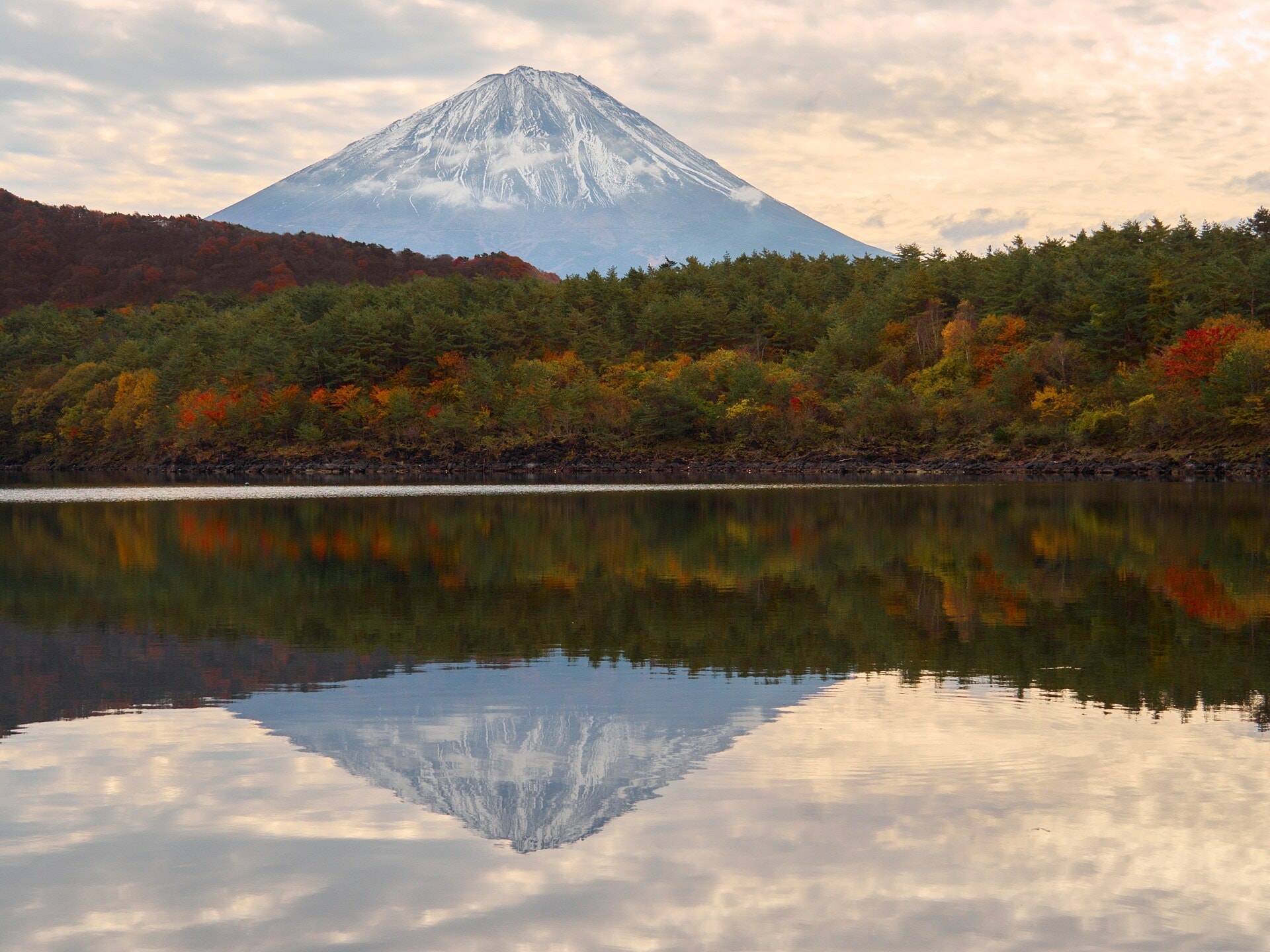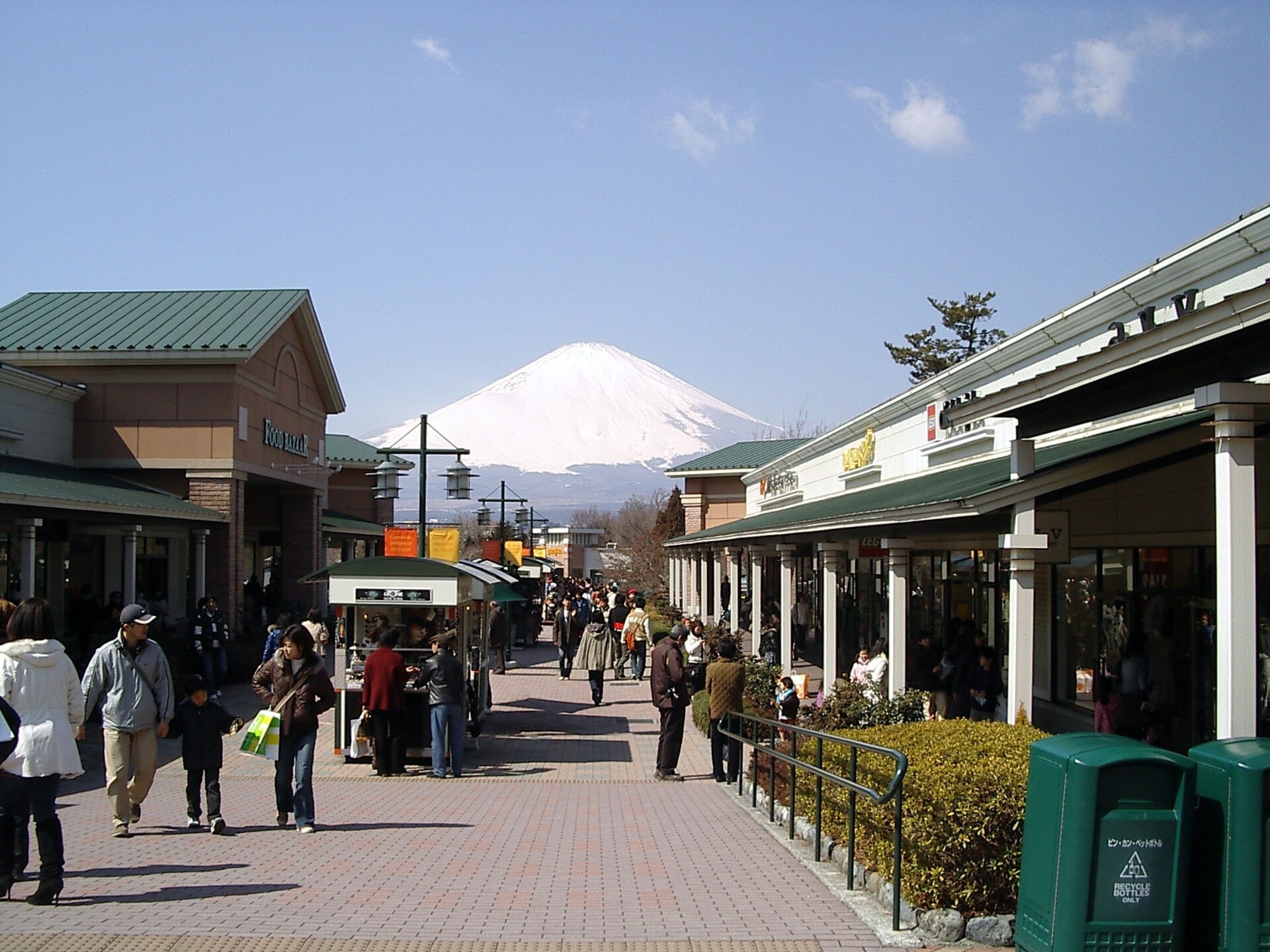
Most things to do near Mount Fuji are really about looking at it. The mountain rises 3,776 meters straight out of flat ground with nothing beside it, which is why it has been painted, printed, and worshipped for centuries. UNESCO listed it as a cultural site rather than a natural one. It is also still an active volcano, though the last eruption was in 1707. From Tokyo it is about two hours west by road.
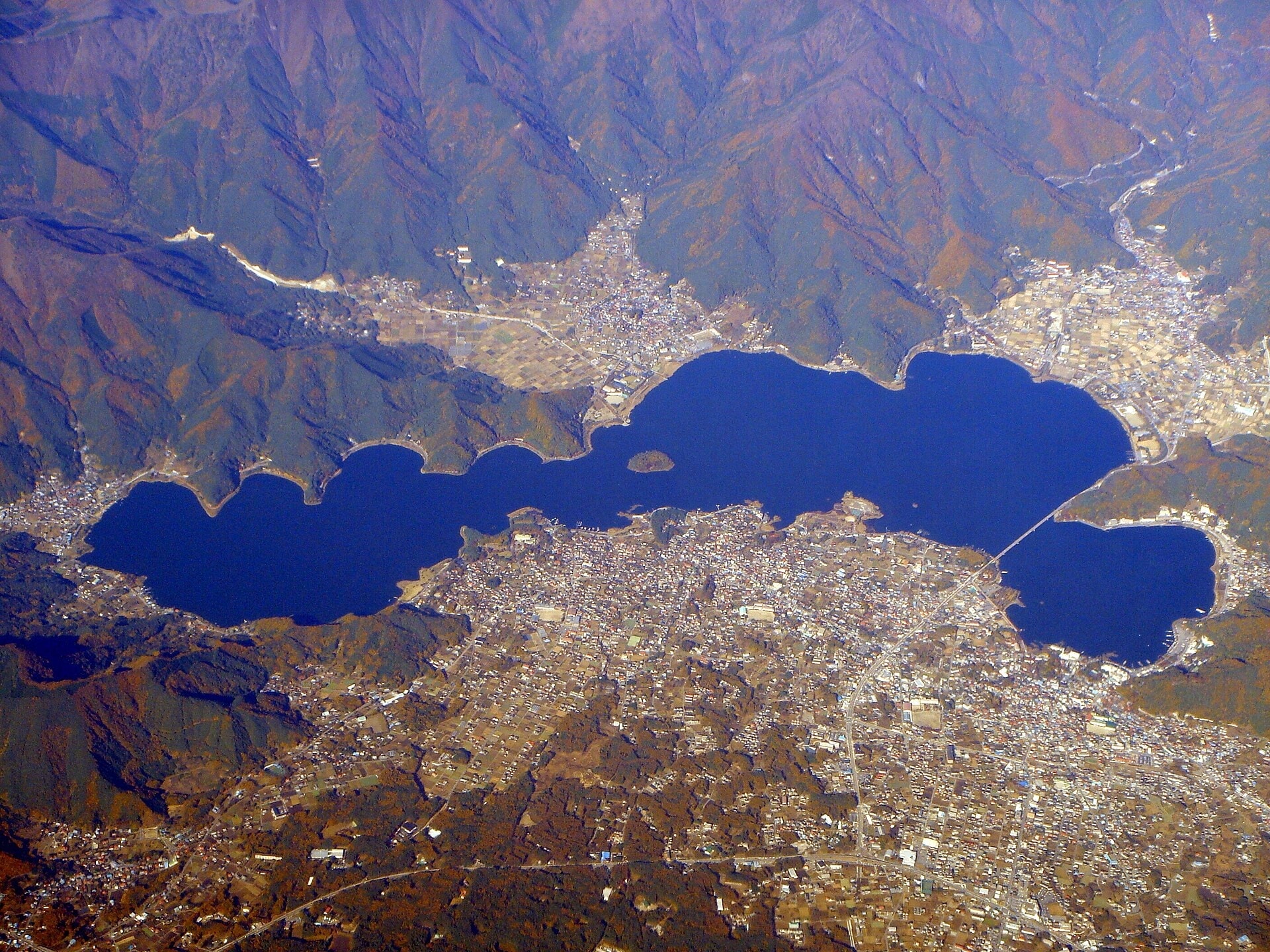
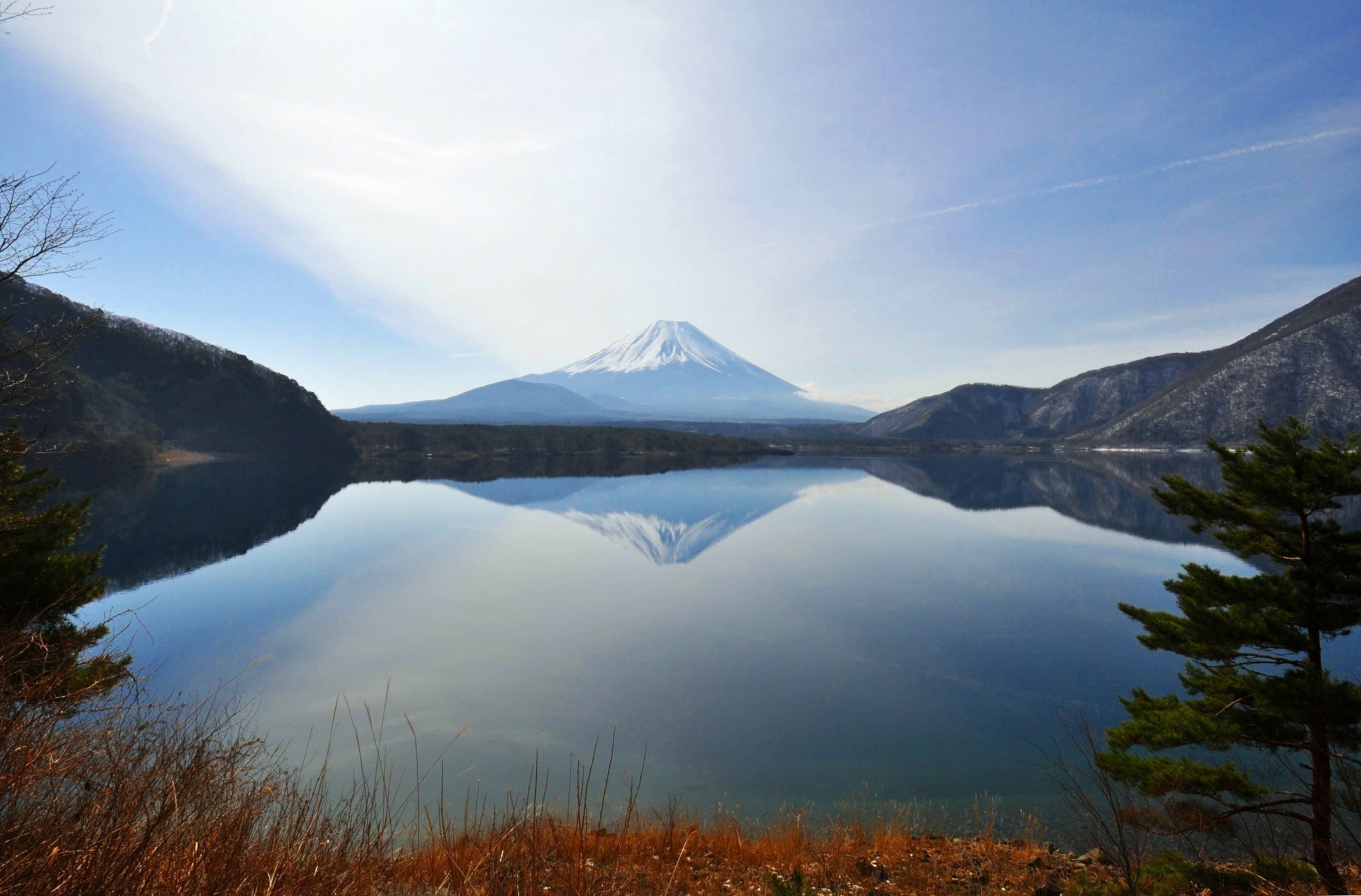
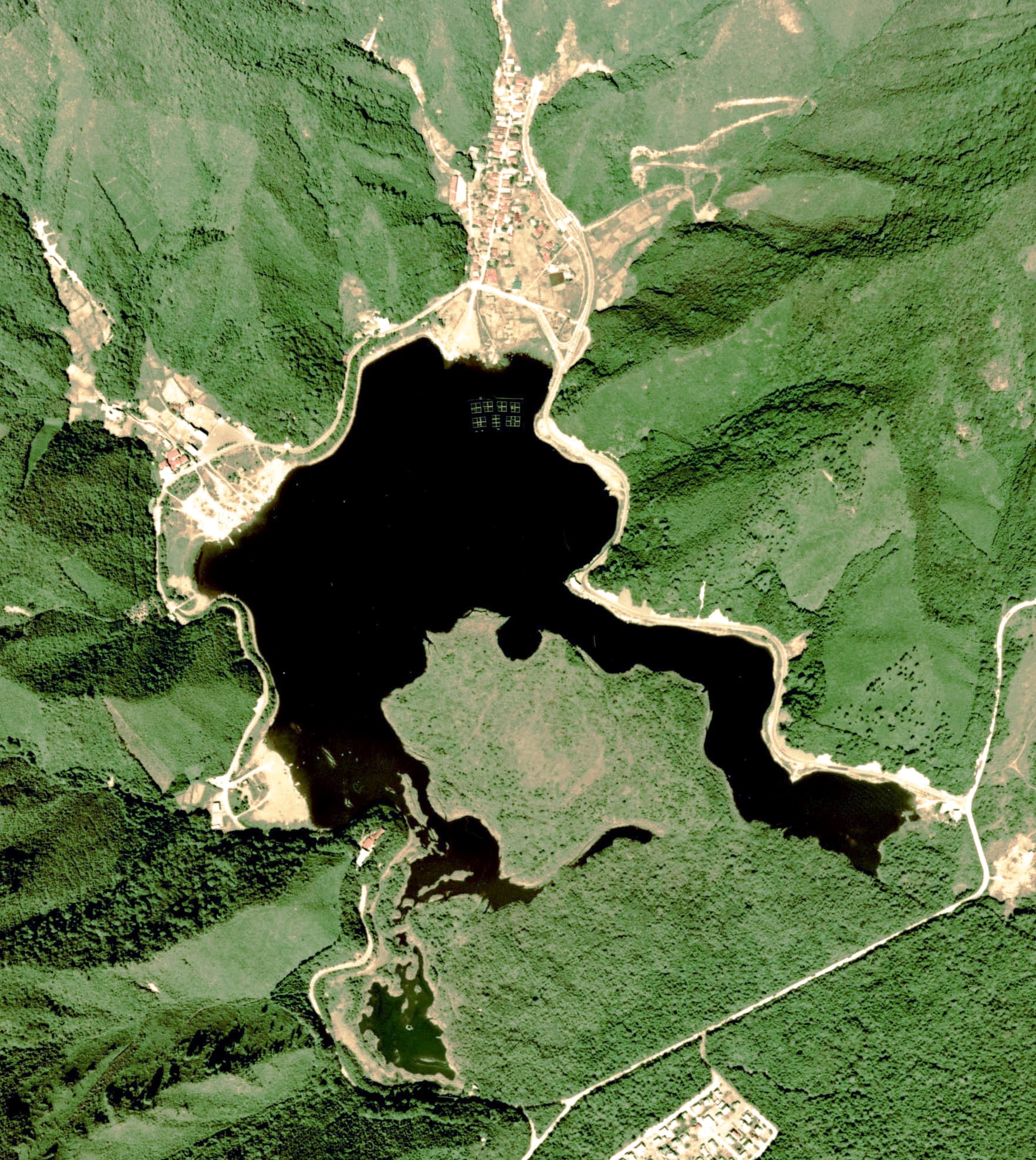
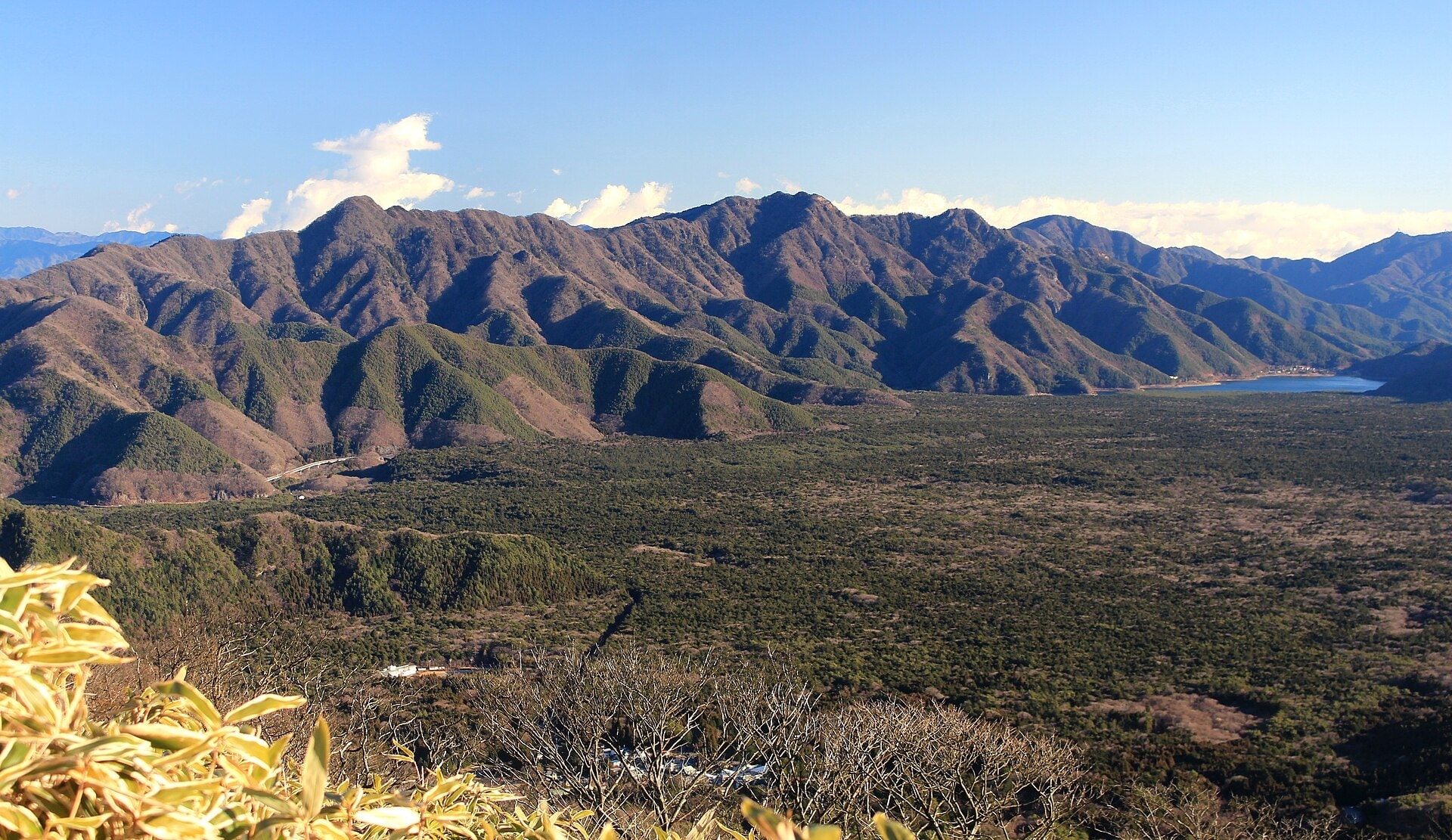
The Fuji Five Lakes sit along the northern base and are where most visitors go. Kawaguchiko is the easiest to reach and the busiest, with a ropeway up the ridge, a lakeside path, and Oishi Park at the far end. Yamanakako is the largest. Motosuko is the one printed on the back of the thousand yen note, quiet and deep and usually empty by comparison.
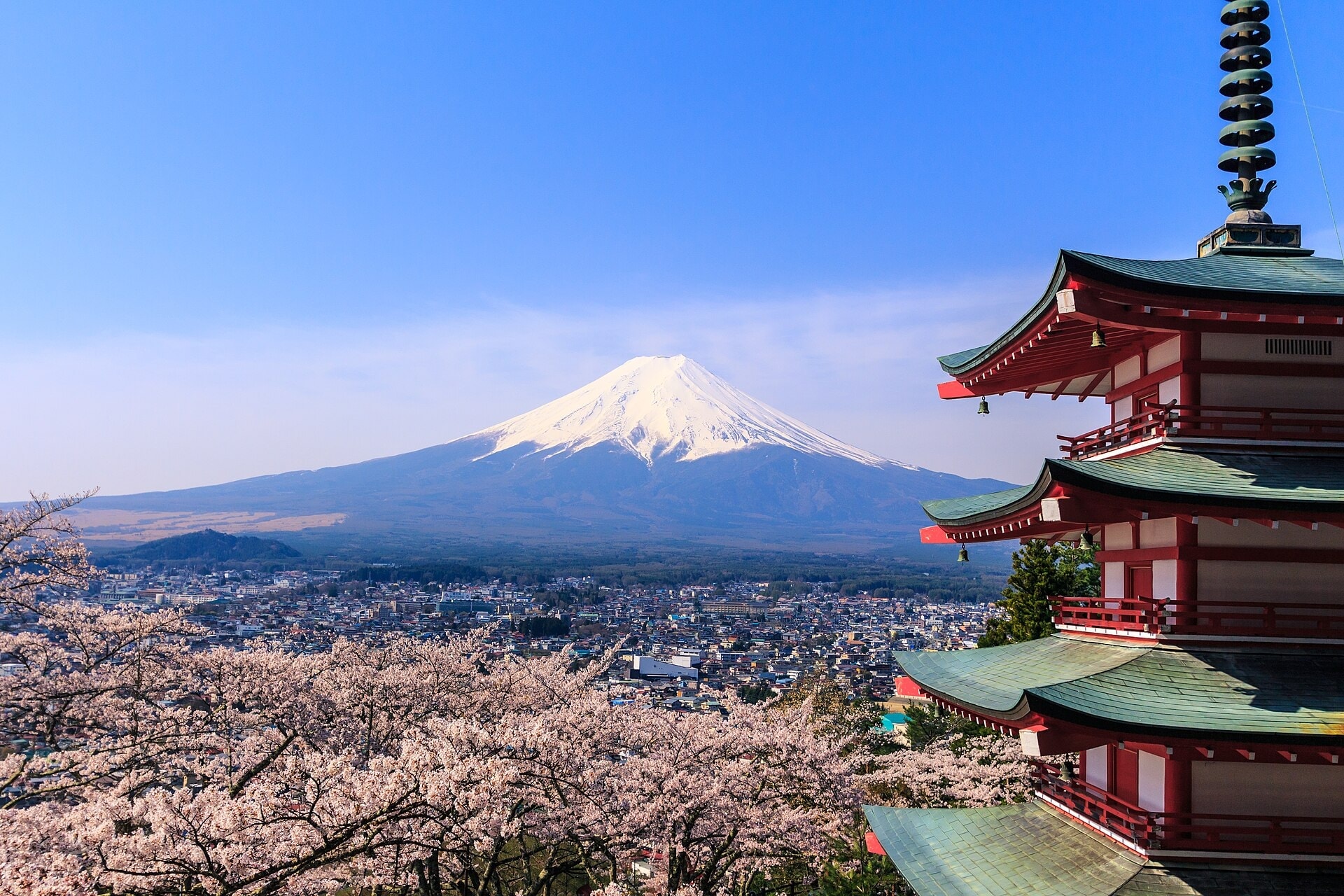
The single most photographed view is not from a lake at all. Chureito Pagoda stands on a hillside above Fujiyoshida, and from its terrace the five-story pagoda, the town, and the mountain line up in one frame. Getting there means climbing just under four hundred steps. In mid April the cherry trees below it flower, which is when the queue for that terrace becomes a real queue.
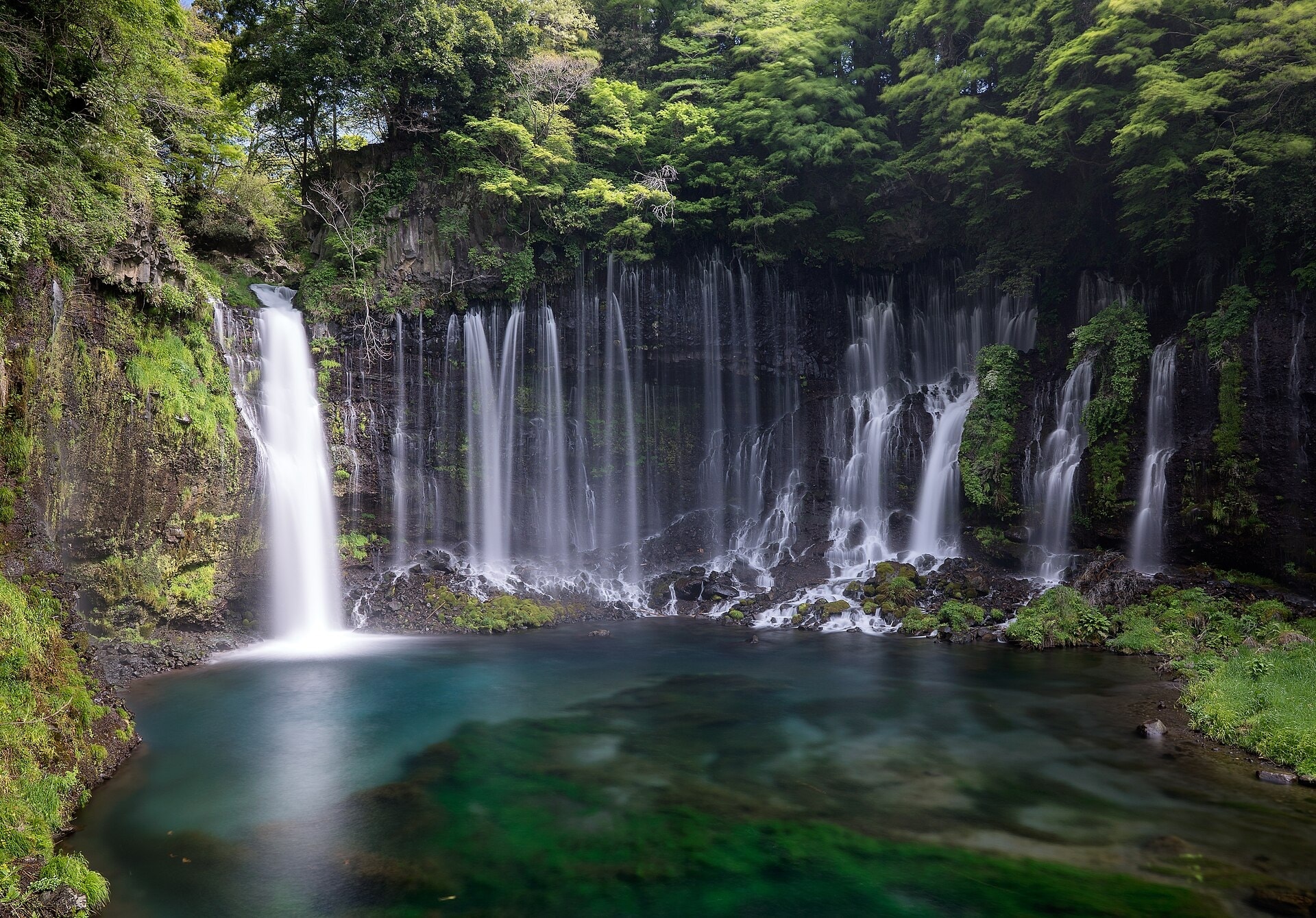
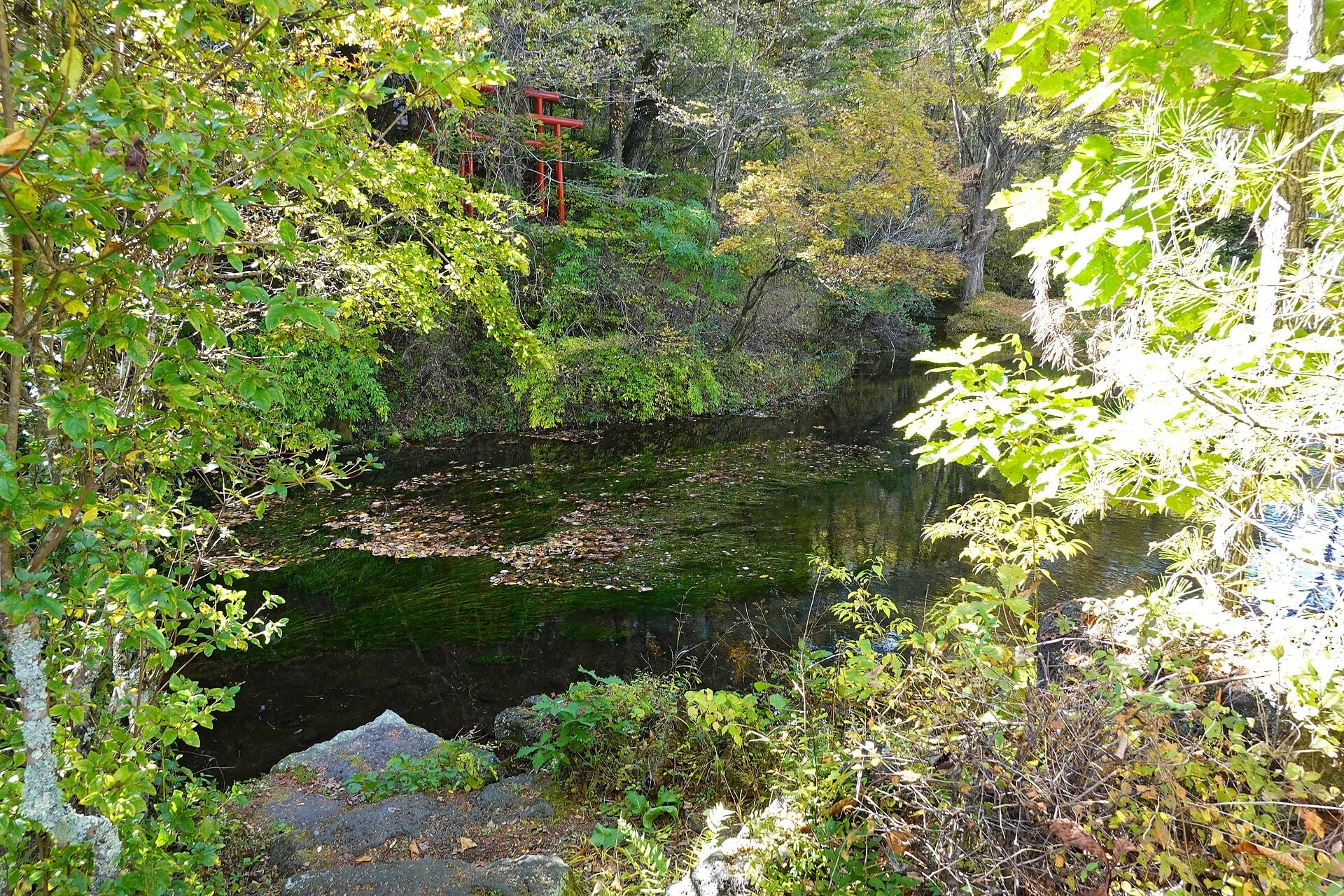
Oshino Hakkai, a small village of spring-fed ponds filtered through the volcano's own rock, is a short drive away, and the water is startlingly clear. Further round, the fifth station on the Subaru Line takes cars and buses up to 2,300 meters, halfway to the summit, and the air noticeably thins.
Climbing only happens in a short season, roughly early July to early September, when the huts and the trails open. An entry fee and a daily limit now apply on the main route. Everyone else comes for the view, and the view depends entirely on the weather.
Doing this in a day from Tokyo means four hours on the road before you have looked at anything, which is the reason we run it as a Mount Fuji private day tour by car. Pickup at your hotel, and the stops reordered on the day around where the mountain is actually visible.
Things to do near Mount Fuji cluster around the northern lakes. Kawaguchiko has the ropeway, the lakeside walk and the easiest access, and Chureito Pagoda sits fifteen minutes east above Fujiyoshida. Oshino Hakkai and the fifth station are short drives from either. Winter mornings give the clearest mountain, and a single day covers the highlights if you leave Tokyo early.
Most things to do near Mount Fuji are really about looking at it. The mountain rises 3,776 meters straight out of flat ground with nothing beside it, which is why it has been painted, printed, and worshipped for centuries. UNESCO listed it as a cultural site rather than a natural one. It is also still an active volcano, though the last eruption was in 1707. From Tokyo it is about two hours west by road.
The Fuji Five Lakes sit along the northern base and are where most visitors go. Kawaguchiko is the easiest to reach and the busiest, with a ropeway up the ridge, a lakeside path, and Oishi Park at the far end. Yamanakako is the largest. Motosuko is the one printed on the back of the thousand yen note, quiet and deep and usually empty by comparison.
The single most photographed view is not from a lake at all. Chureito Pagoda stands on a hillside above Fujiyoshida, and from its terrace the five-story pagoda, the town, and the mountain line up in one frame. Getting there means climbing just under four hundred steps. In mid April the cherry trees below it flower, which is when the queue for that terrace becomes a real queue.
Oshino Hakkai, a small village of spring-fed ponds filtered through the volcano's own rock, is a short drive away, and the water is startlingly clear. Further round, the fifth station on the Subaru Line takes cars and buses up to 2,300 meters, halfway to the summit, and the air noticeably thins.
Climbing only happens in a short season, roughly early July to early September, when the huts and the trails open. An entry fee and a daily limit now apply on the main route. Everyone else comes for the view, and the view depends entirely on the weather.
Doing this in a day from Tokyo means four hours on the road before you have looked at anything, which is the reason we run it as a Mount Fuji private day tour by car. Pickup at your hotel, and the stops reordered on the day around where the mountain is actually visible.
Things to do near Mount Fuji cluster around the northern lakes. Kawaguchiko has the ropeway, the lakeside walk and the easiest access, and Chureito Pagoda sits fifteen minutes east above Fujiyoshida. Oshino Hakkai and the fifth station are short drives from either. Winter mornings give the clearest mountain, and a single day covers the highlights if you leave Tokyo early.