There are more things to do in Tokyo than any single trip can hold, so the useful question is not what to see but which parts of the city to pick. Tokyo is not one place. It is a few dozen towns that grew into each other, each with its own centre, station and character, and the train map is what holds them together. Learn three or four neighbourhoods properly and the city stops feeling overwhelming.
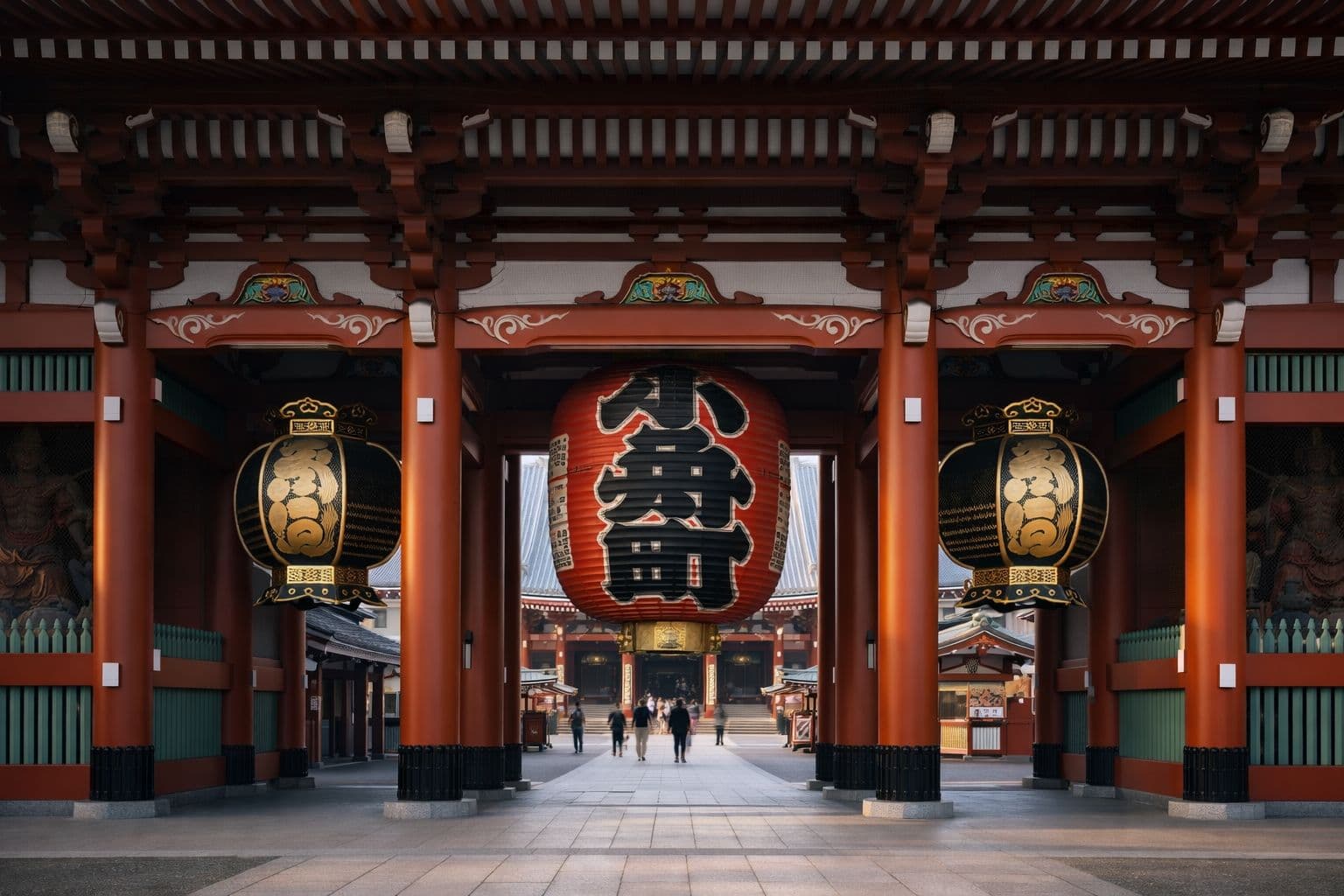
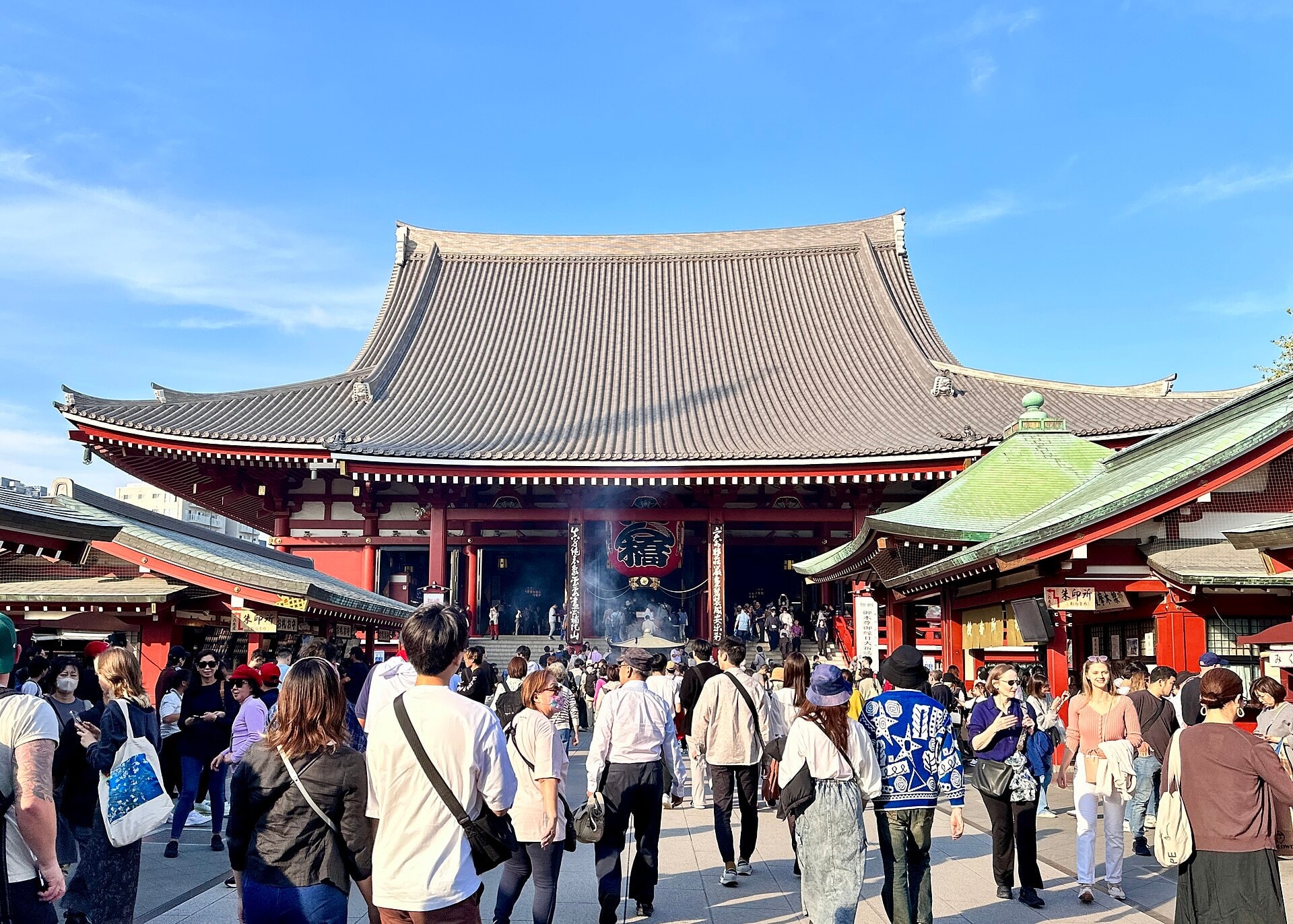
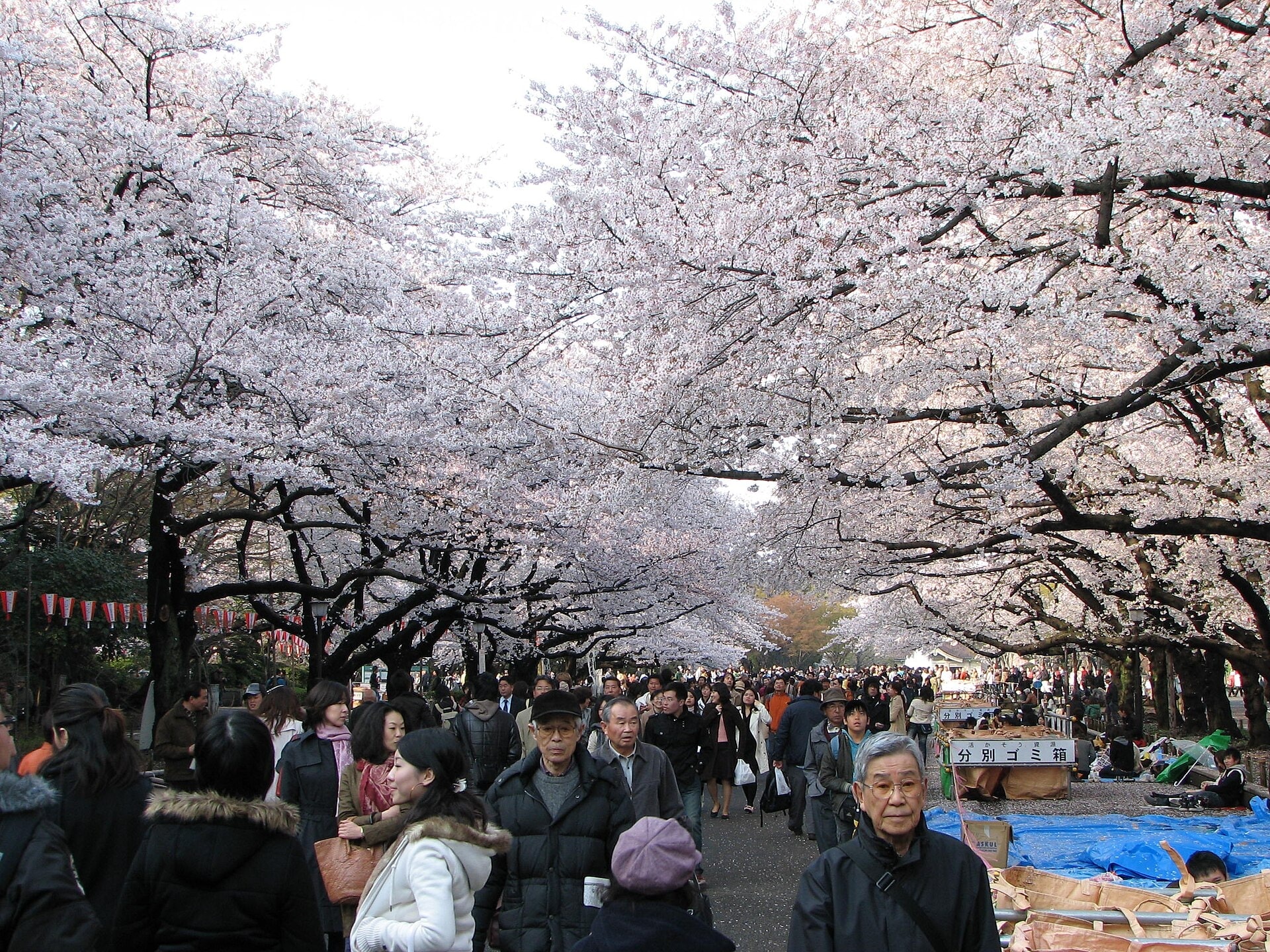
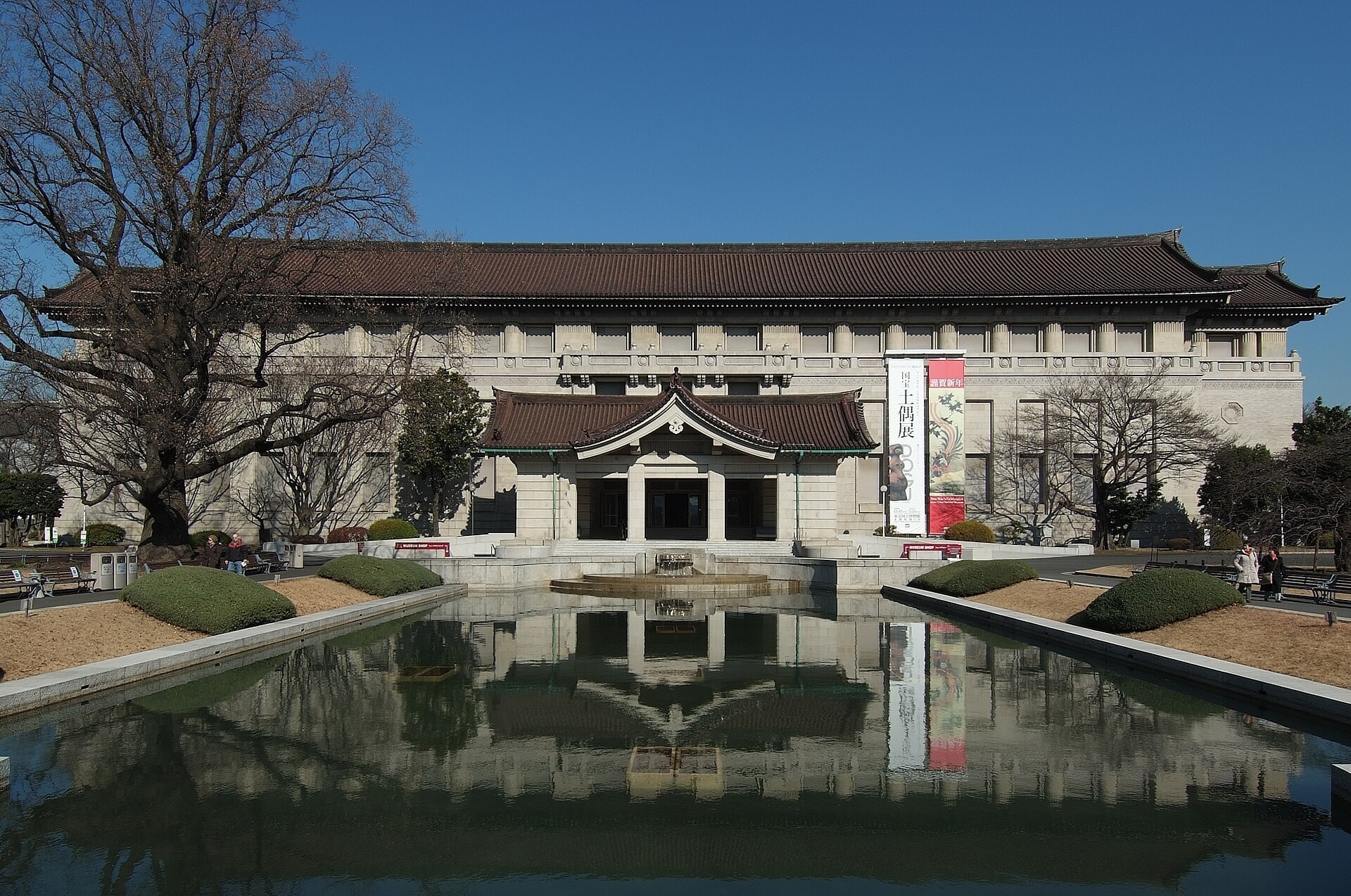
Asakusa is the oldest part still standing. Senso-ji was founded in 645, and the approach to it runs through Nakamise, a street of small shops selling crackers, fans and sweets that has been doing so for generations. Nearby, Ueno has the national museums and a park that fills completely during cherry blossom season.
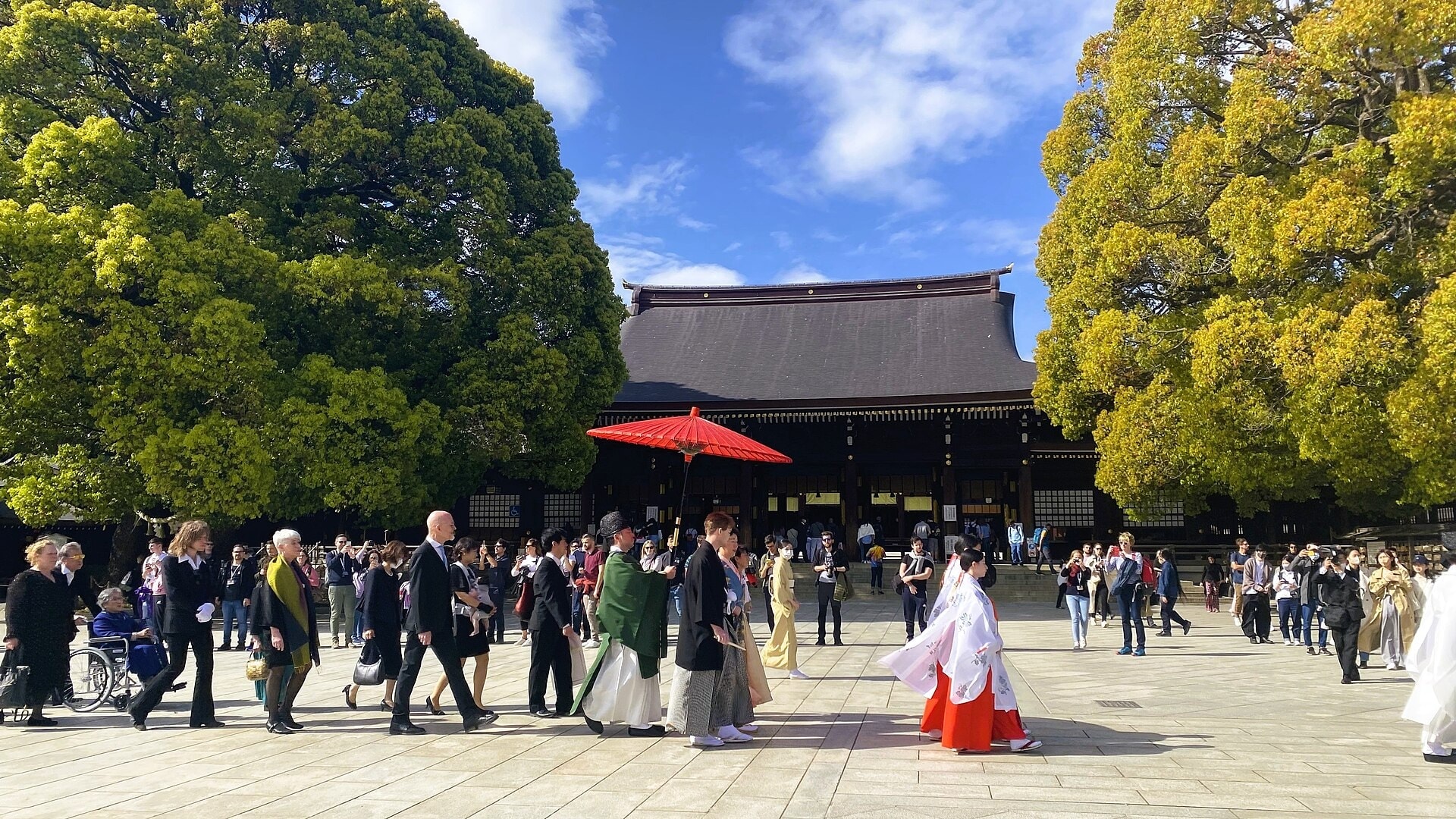
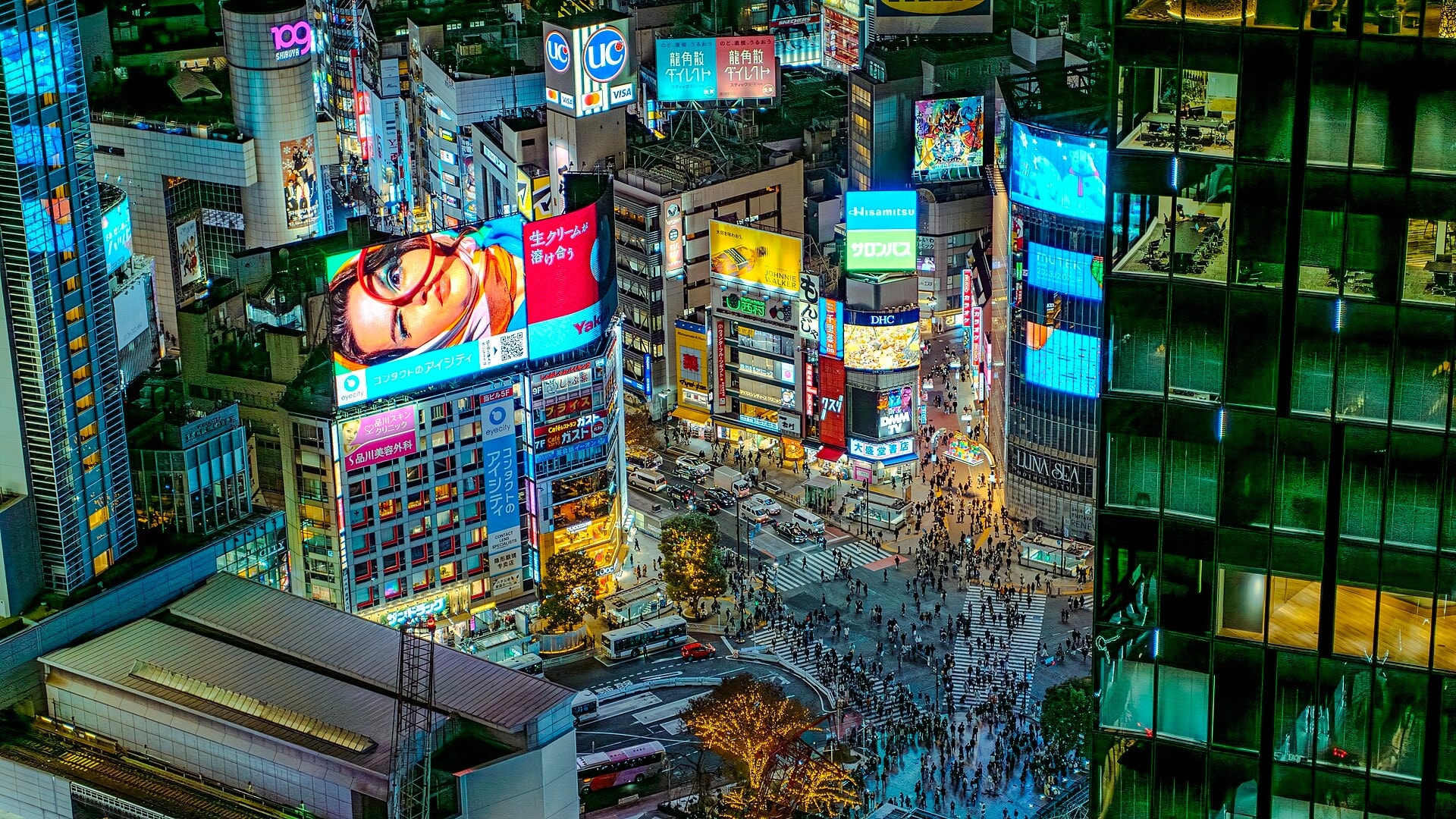
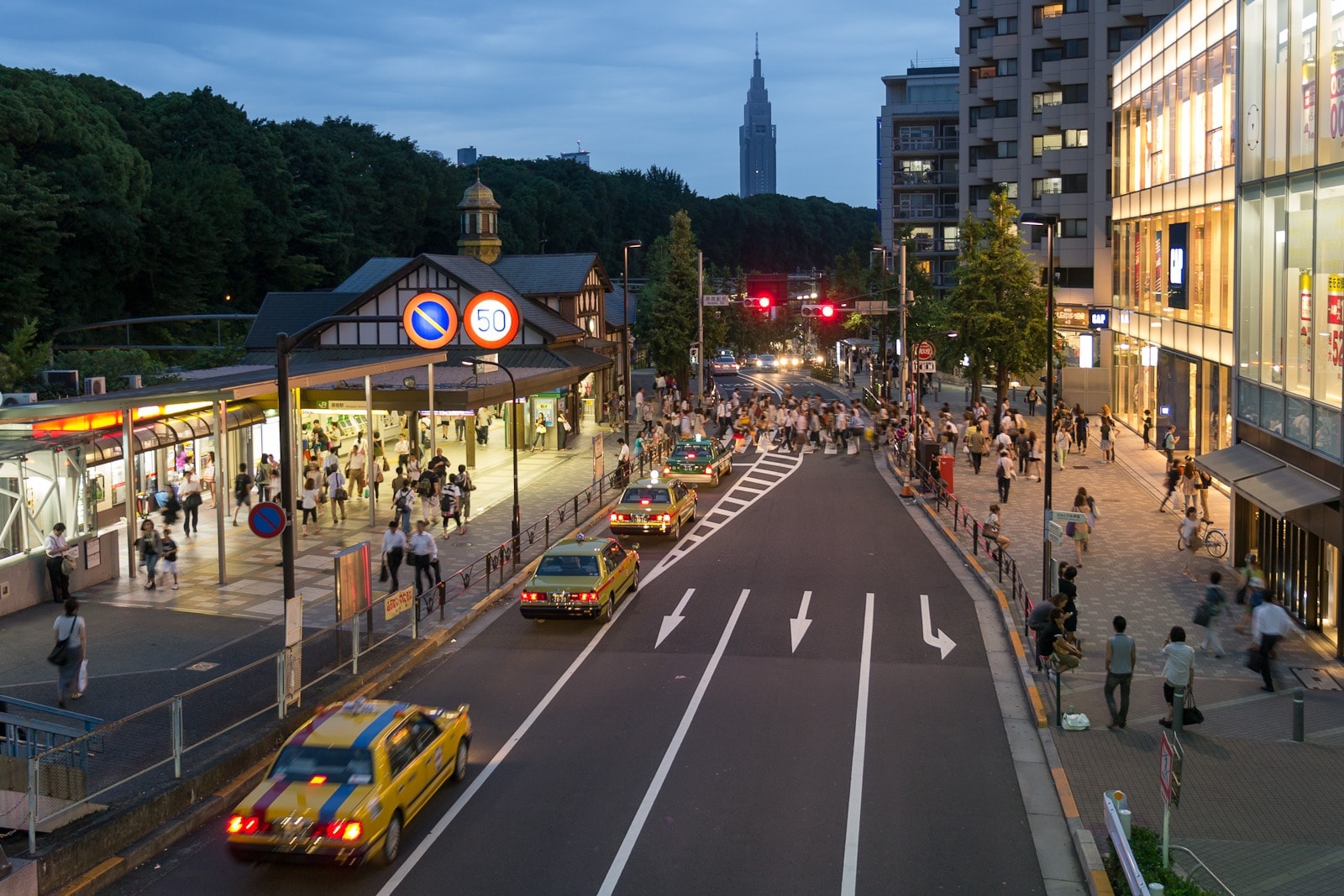
West of the centre the mood changes entirely. Shibuya has the crossing everyone films, several hundred people at a time moving in every direction, and the streets behind it are where Tokyo's young decide what comes next. Harajuku sits one stop away, and behind its clothes shops Meiji Jingu stands in a forest of a hundred thousand donated trees, which is a genuinely startling thing to walk into. Shinjuku, further north, holds the busiest station in the world and, six minutes away, the tiny wooden bars of Golden Gai.
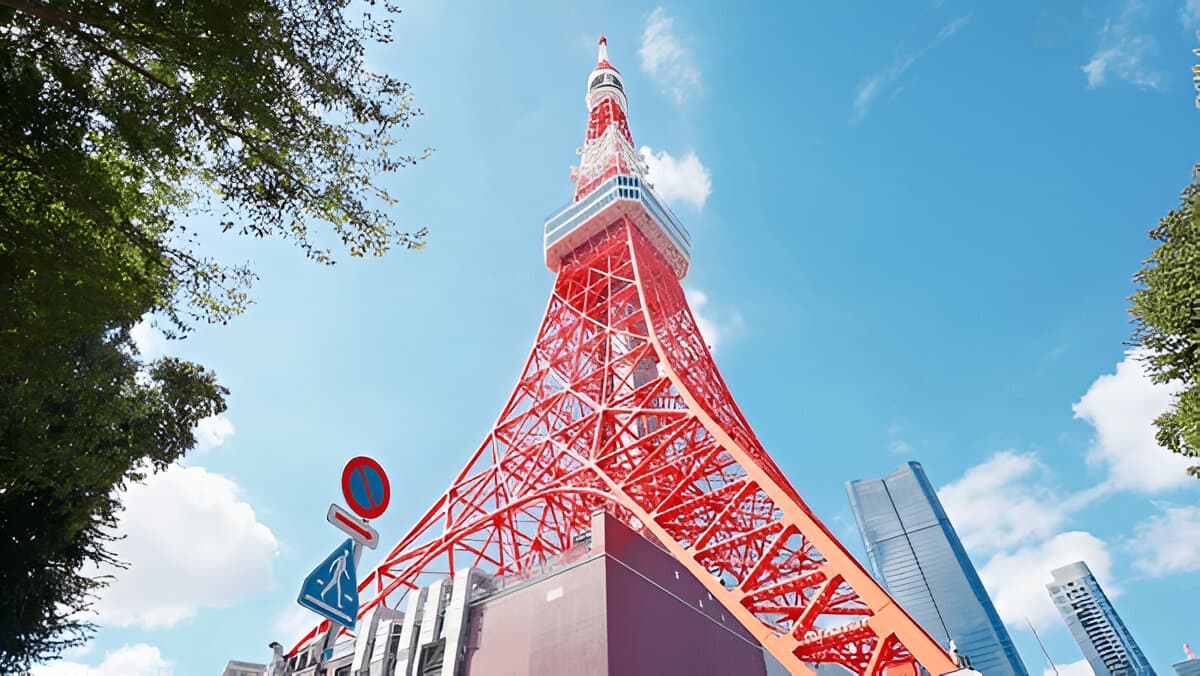
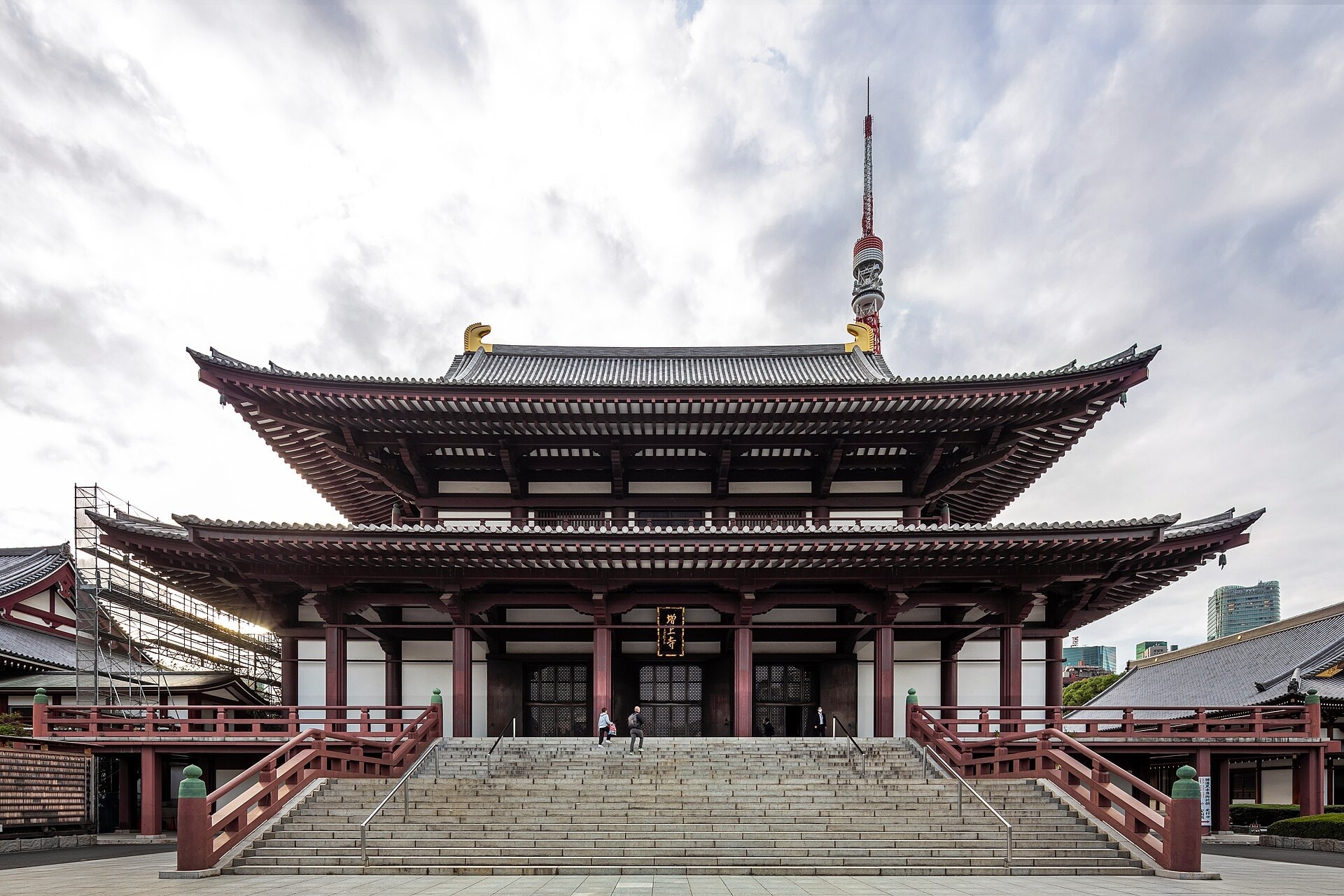
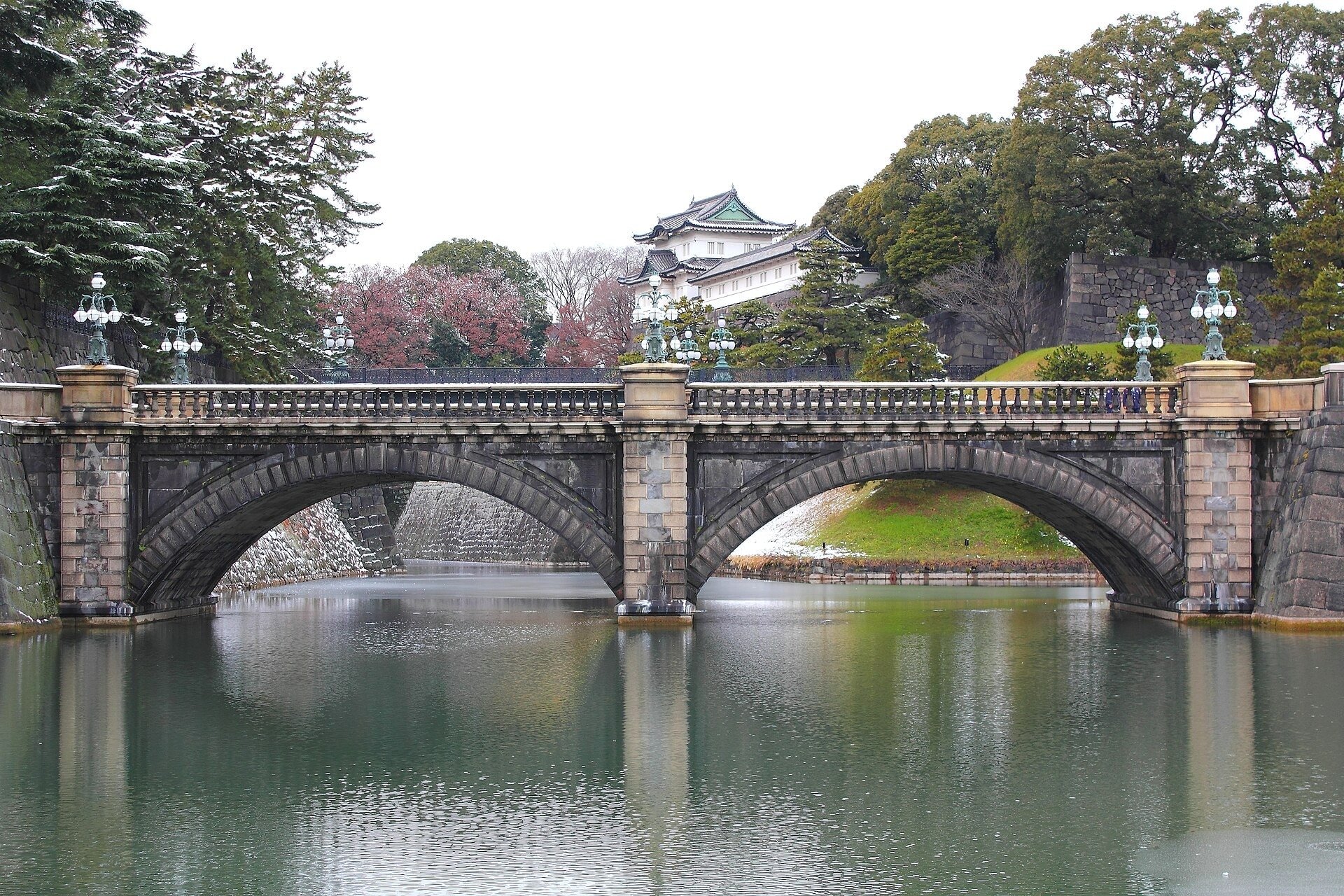
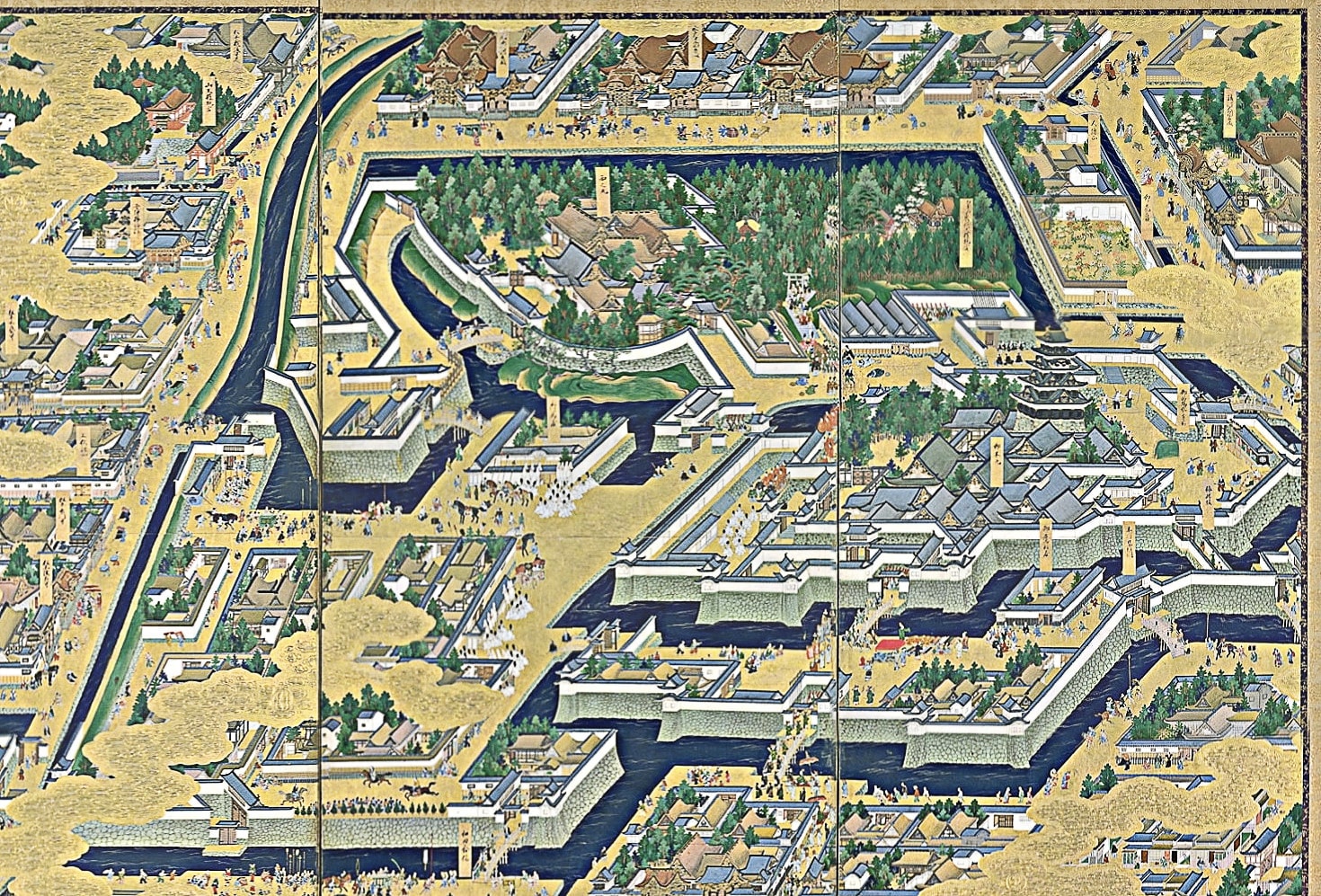
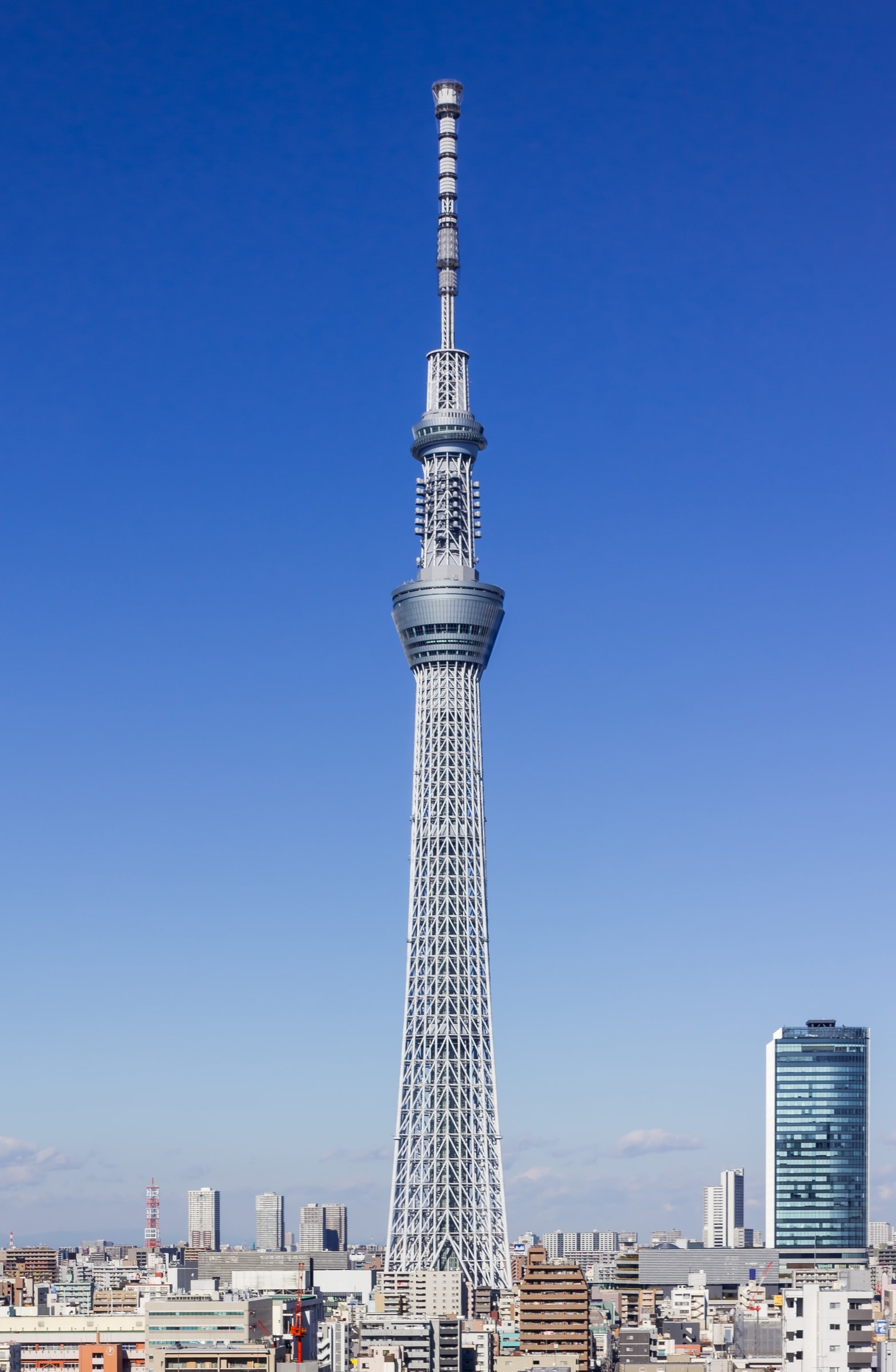
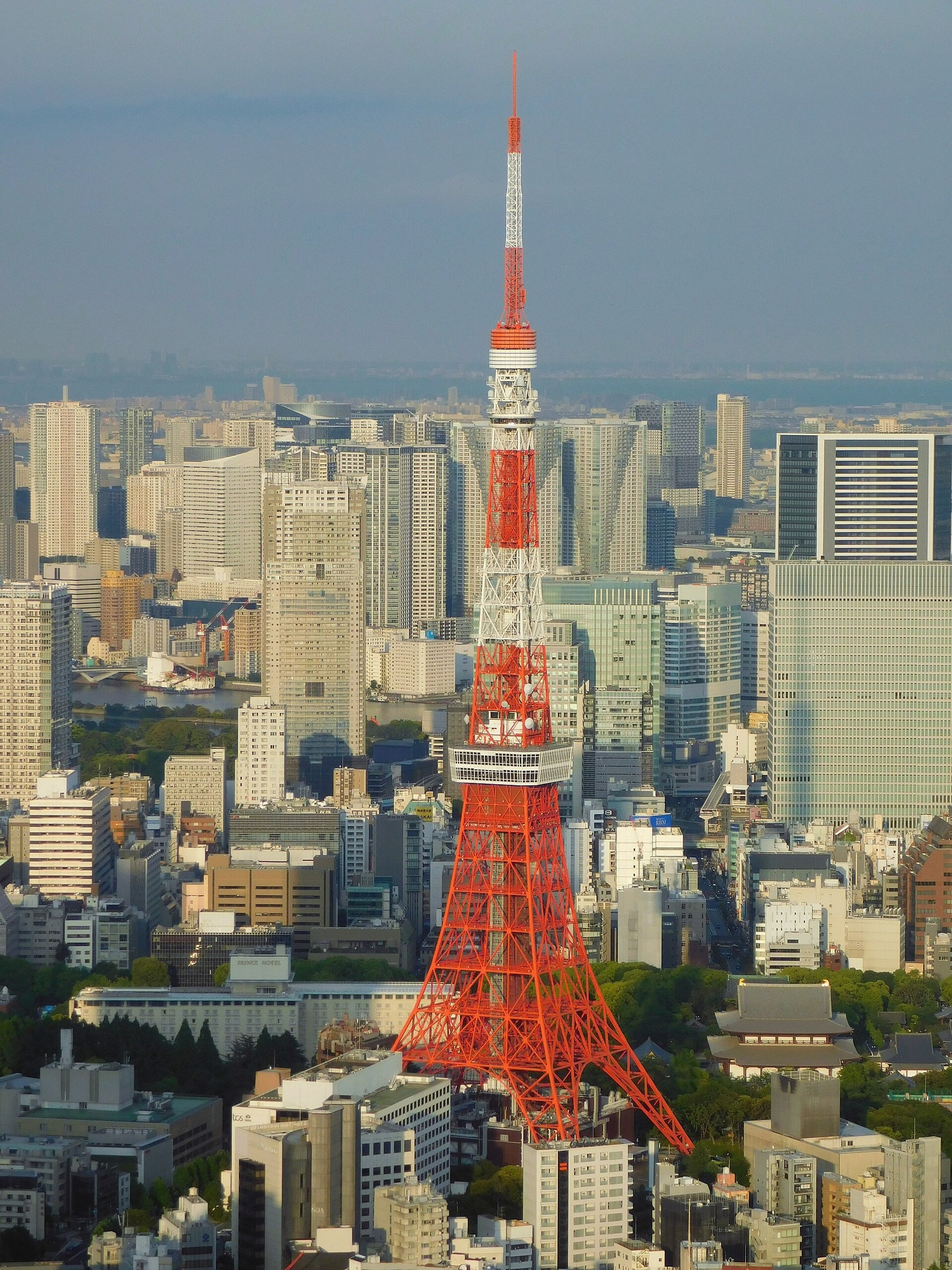
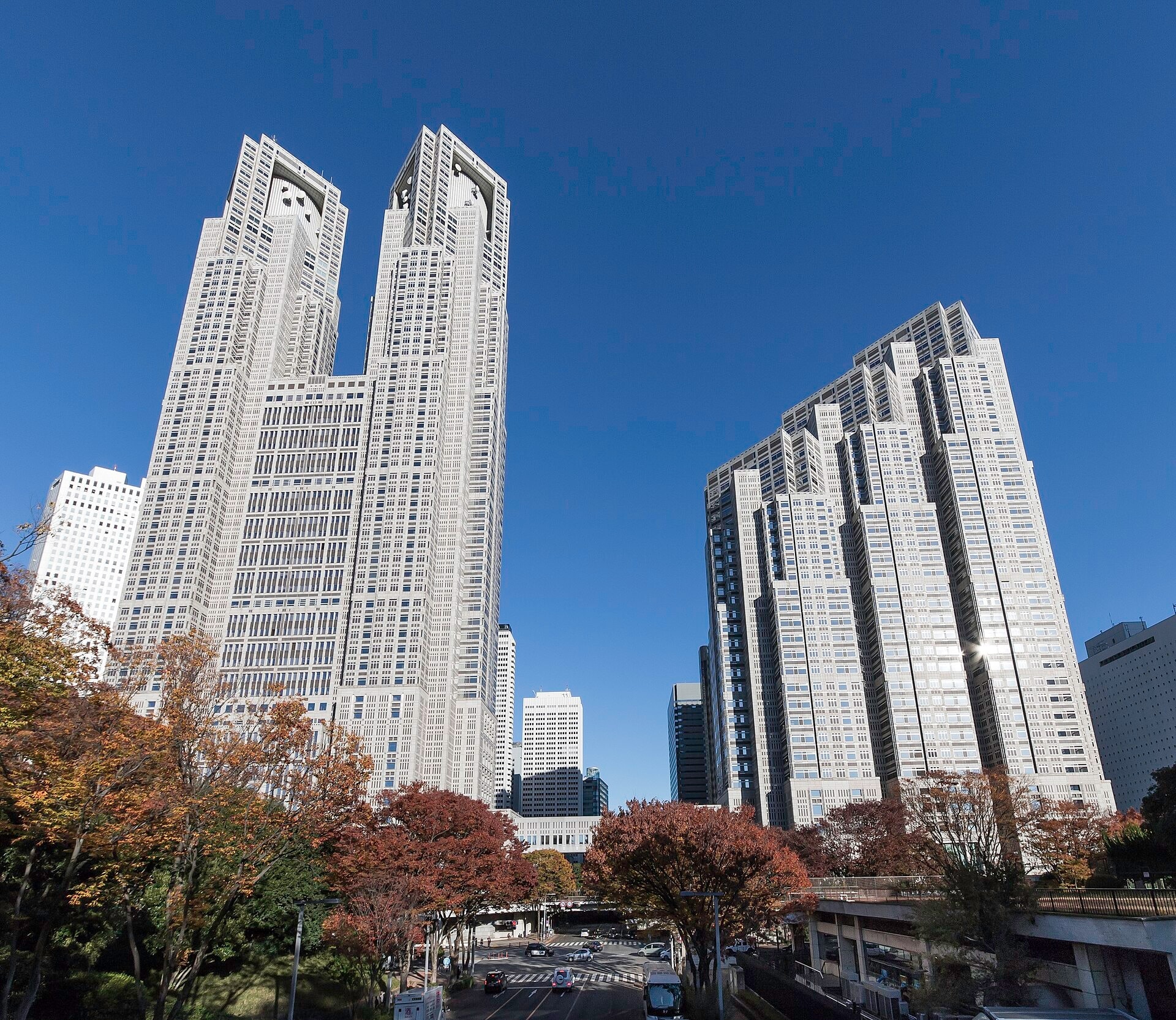
The old power sits in the middle. The Imperial Palace occupies the grounds of Edo Castle, and the East Gardens are open to walk through, with stone walls that predate everything glass around them. For height, choose between Tokyo Tower and the Skytree at 634 metres, or go up the Metropolitan Government Building, which costs nothing.
Then there is eating, which many people treat as the reason to come. Tokyo has more restaurants than any other city and holds more Michelin stars than any other, but the good stuff is just as often a counter with six seats and one thing on the menu.
Three neighbourhoods in a day is realistic. Four is realistic only if you stop deciding things on the platform, which is what our Tokyo private day tour by car exists for.
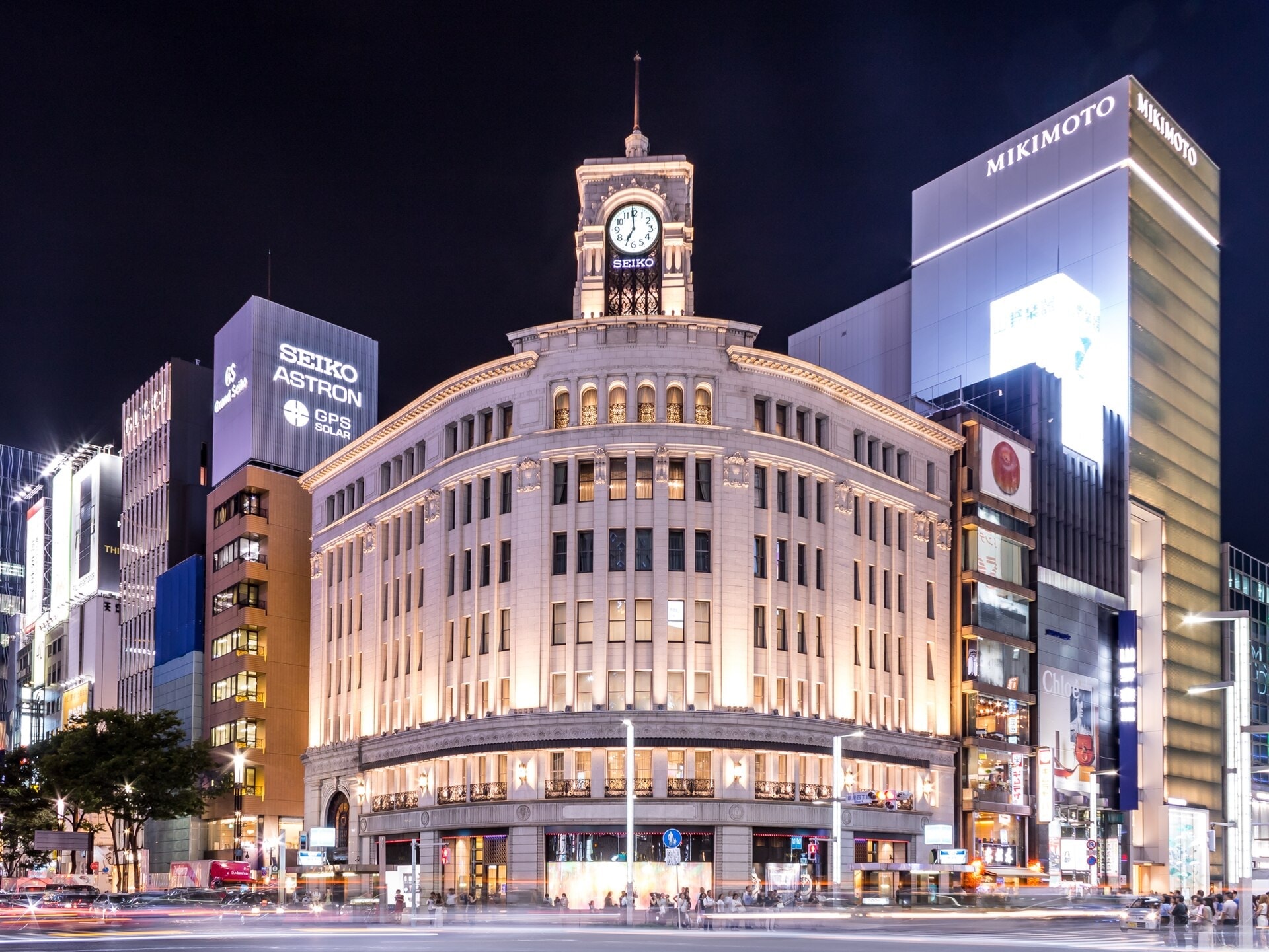
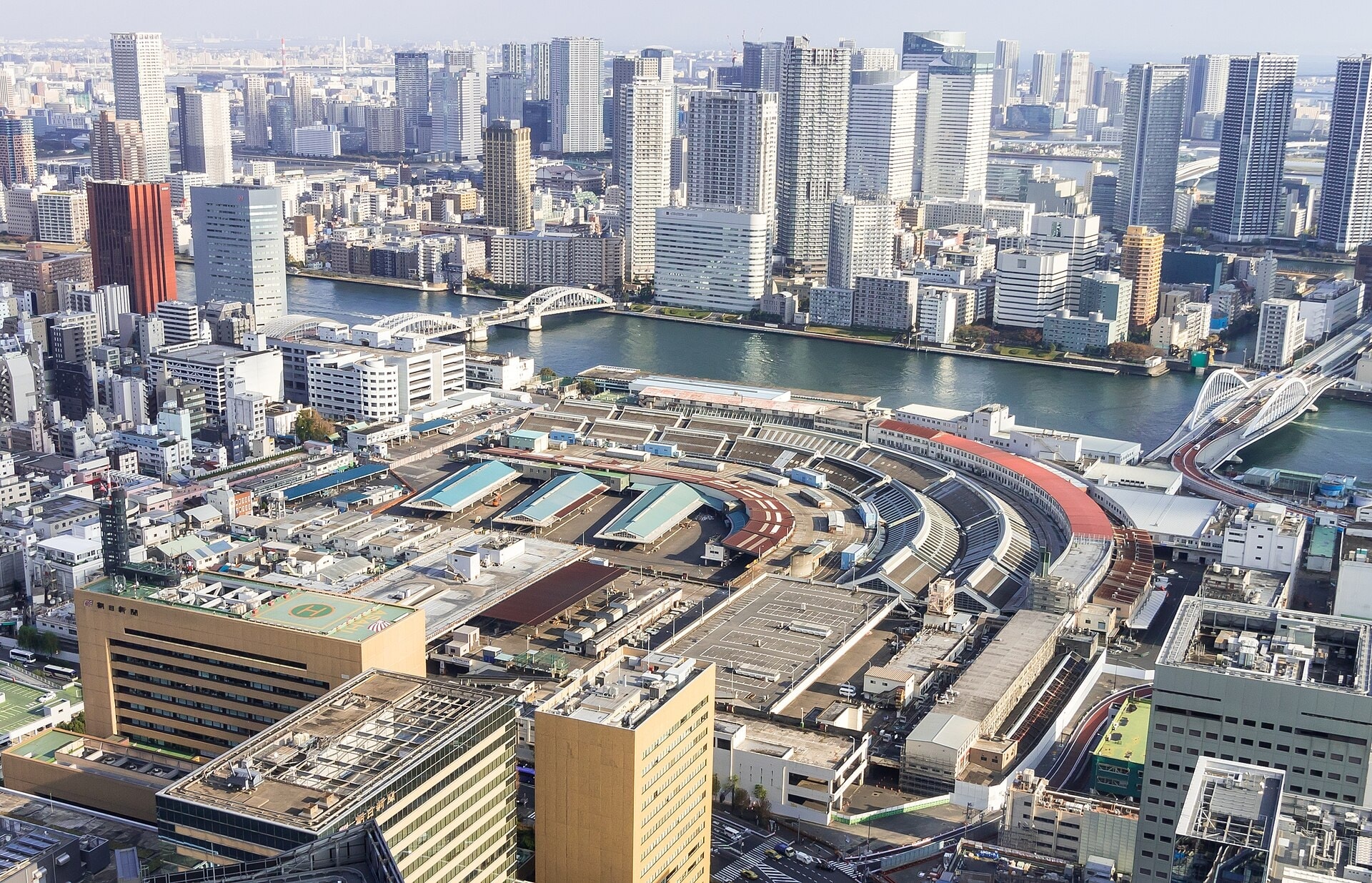
Things to do in Tokyo are best chosen by neighbourhood rather than by list. Asakusa and Ueno cover the old city, its temples and the national museums. Shibuya, Harajuku and Shinjuku hold the crowds, the shopping and the nightlife, while the Imperial Palace, Ginza and Tsukiji sit in the middle. Three days lets you take two or three of these areas at a sensible pace.
There are more things to do in Tokyo than any single trip can hold, so the useful question is not what to see but which parts of the city to pick. Tokyo is not one place. It is a few dozen towns that grew into each other, each with its own centre, station and character, and the train map is what holds them together. Learn three or four neighbourhoods properly and the city stops feeling overwhelming.
Asakusa is the oldest part still standing. Senso-ji was founded in 645, and the approach to it runs through Nakamise, a street of small shops selling crackers, fans and sweets that has been doing so for generations. Nearby, Ueno has the national museums and a park that fills completely during cherry blossom season.
West of the centre the mood changes entirely. Shibuya has the crossing everyone films, several hundred people at a time moving in every direction, and the streets behind it are where Tokyo's young decide what comes next. Harajuku sits one stop away, and behind its clothes shops Meiji Jingu stands in a forest of a hundred thousand donated trees, which is a genuinely startling thing to walk into. Shinjuku, further north, holds the busiest station in the world and, six minutes away, the tiny wooden bars of Golden Gai.
The old power sits in the middle. The Imperial Palace occupies the grounds of Edo Castle, and the East Gardens are open to walk through, with stone walls that predate everything glass around them. For height, choose between Tokyo Tower and the Skytree at 634 metres, or go up the Metropolitan Government Building, which costs nothing.
Then there is eating, which many people treat as the reason to come. Tokyo has more restaurants than any other city and holds more Michelin stars than any other, but the good stuff is just as often a counter with six seats and one thing on the menu.
Three neighbourhoods in a day is realistic. Four is realistic only if you stop deciding things on the platform, which is what our Tokyo private day tour by car exists for.
Things to do in Tokyo are best chosen by neighbourhood rather than by list. Asakusa and Ueno cover the old city, its temples and the national museums. Shibuya, Harajuku and Shinjuku hold the crowds, the shopping and the nightlife, while the Imperial Palace, Ginza and Tsukiji sit in the middle. Three days lets you take two or three of these areas at a sensible pace.