The best things to do in Osaka come with something to eat attached. This was a merchant city long before it was a tourist one, and it earned the nickname tenka no daidokoro, the nation's kitchen. Local pride still runs on that. People here talk faster than in Tokyo, laugh louder, and will happily argue with you about which takoyaki stall is the real one.
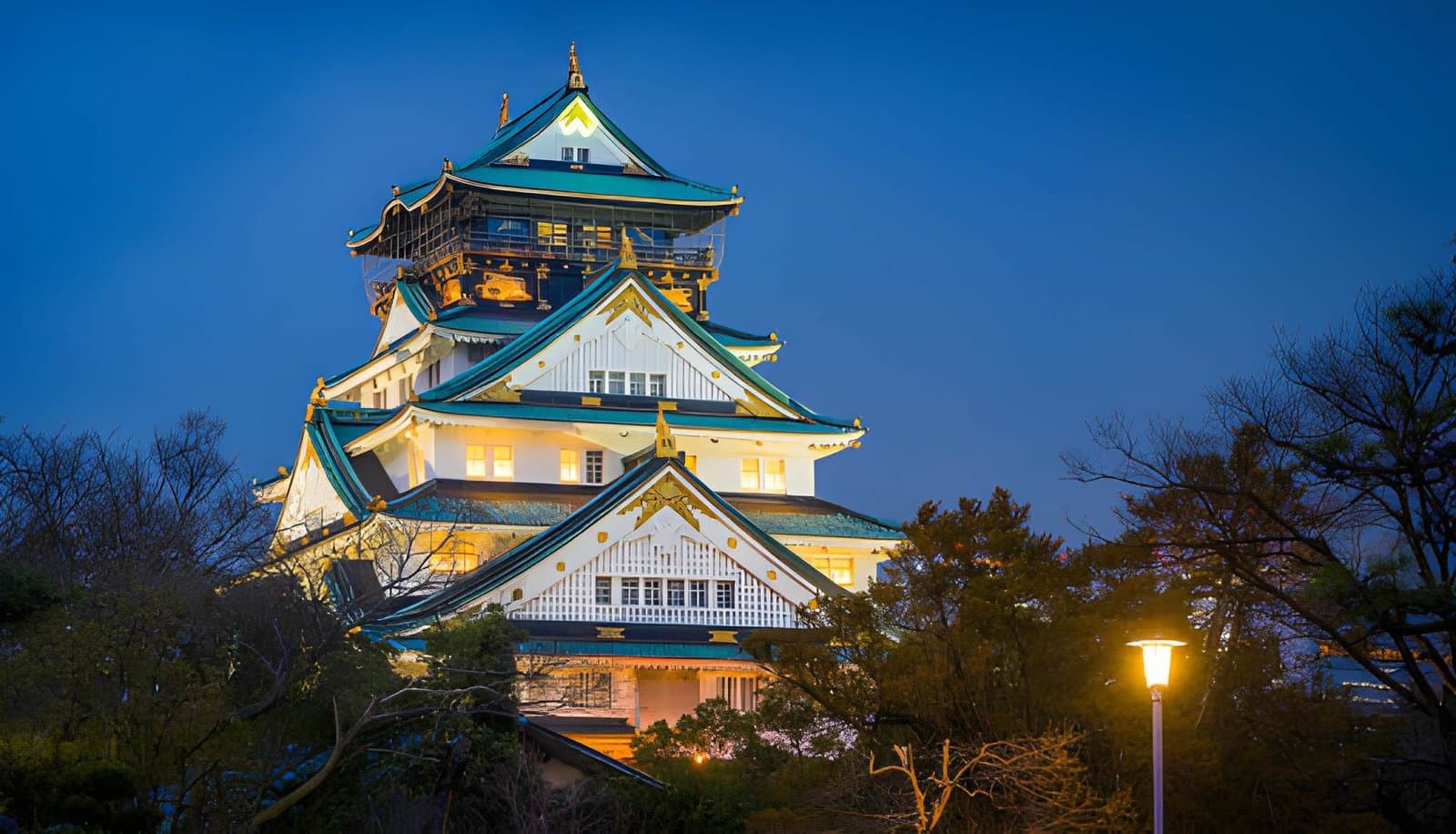
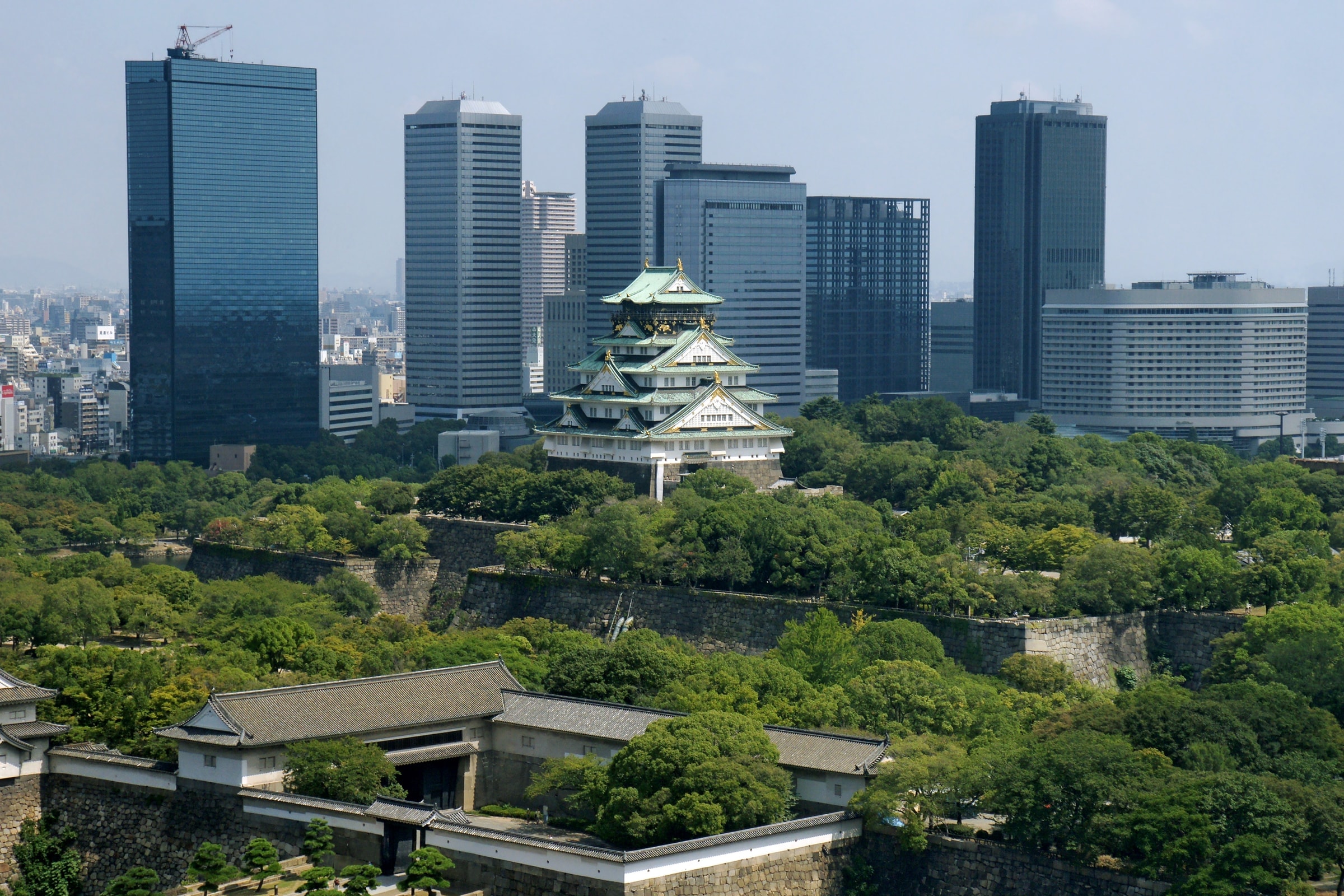
Osaka Castle is the obvious starting point. The main tower is a rebuild with lifts and a museum inside, so the interior feels modern, but the stonework of the outer walls is original and some of those blocks weigh over a hundred tons. The surrounding park is one of the best cherry blossom spots in Kansai. Give it two hours.
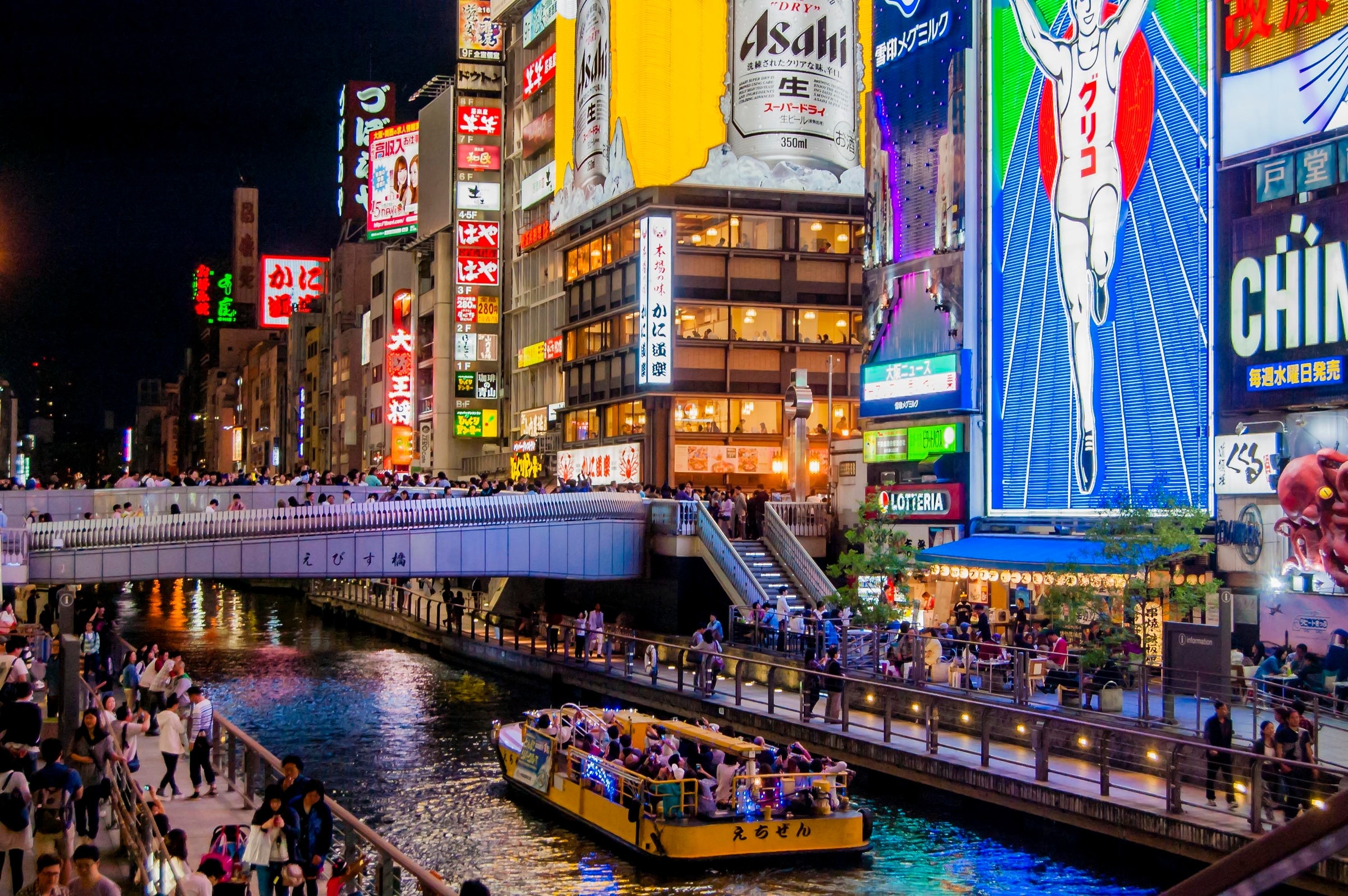
Dotonbori is what most people picture when they hear Osaka. Neon along a canal, the running Glico man, a mechanical crab waving above a restaurant door. It is busy from late afternoon until well past midnight. Eat standing up here rather than sitting down, and walk one street back into Hozenji Yokocho, where a small moss covered statue sits in a stone lane that survived the war.
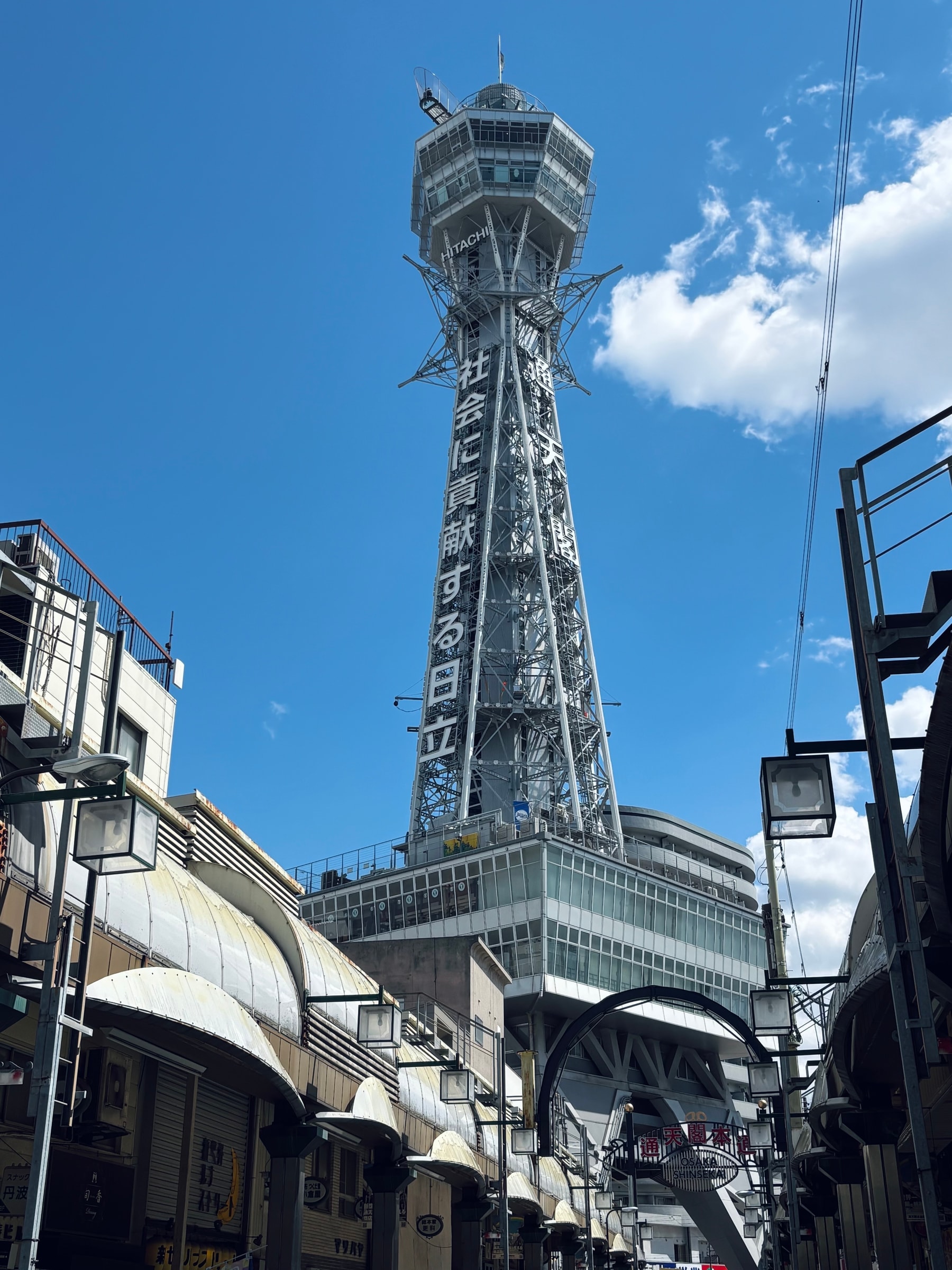
For food markets, Kuromon Ichiba runs about six hundred metres near Nipponbashi and sells everything from tuna to fruit priced like jewellery. Shinsekai in the south is the older, rougher, more photogenic side of the city, with Tsutenkaku tower in the middle and kushikatsu everywhere around it. There is one rule there that matters. Never dip a skewer in the sauce twice.
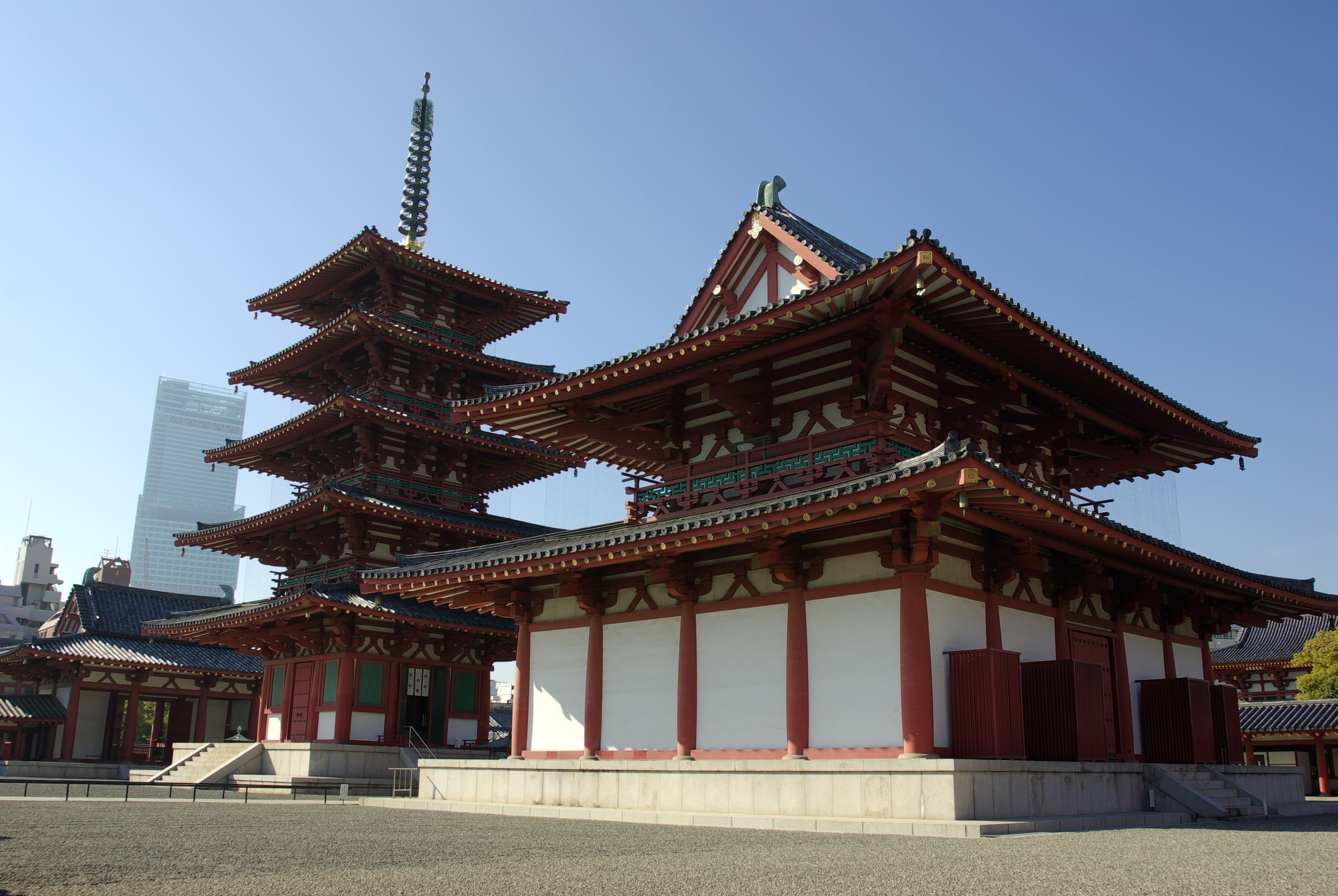
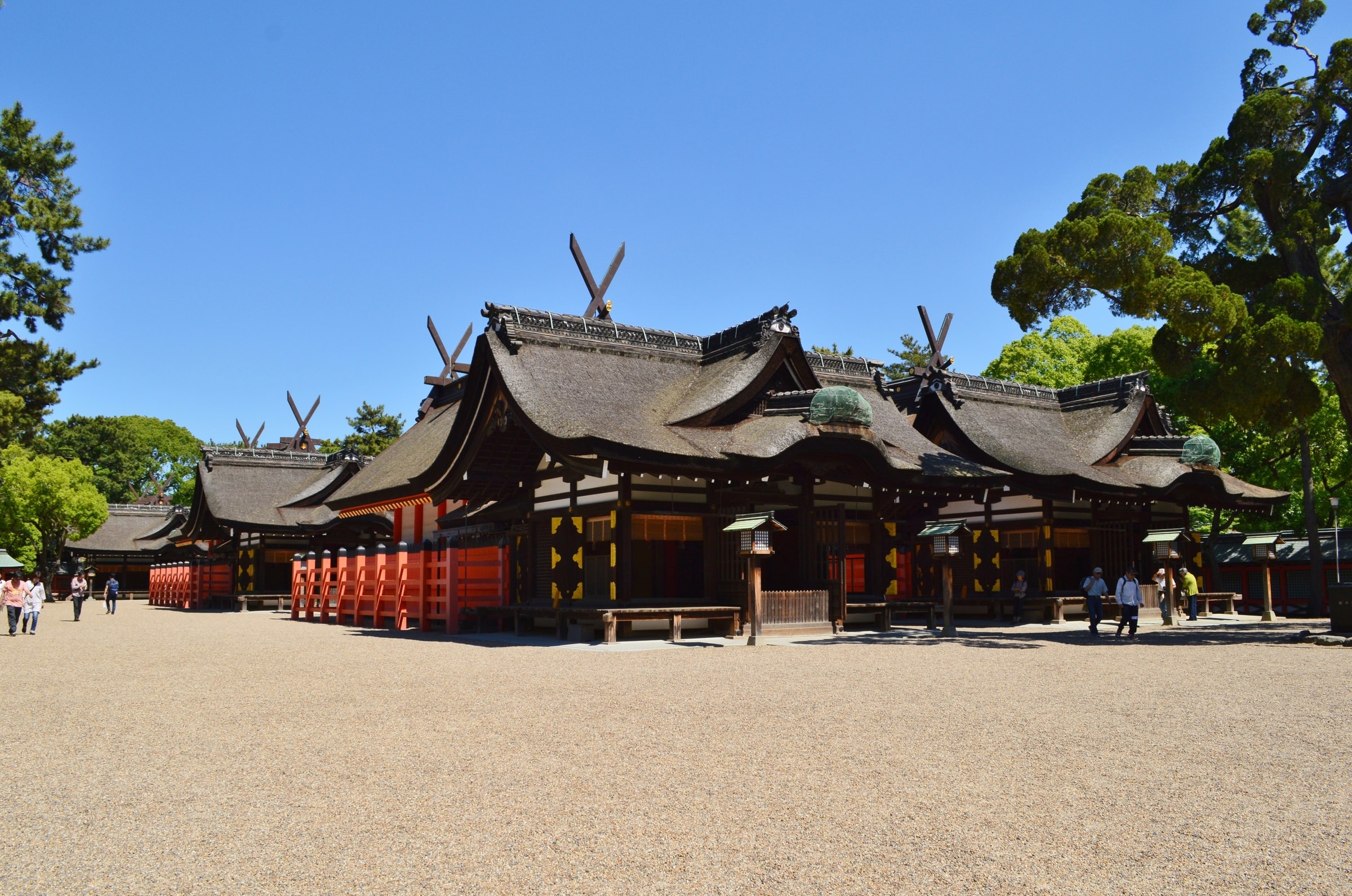
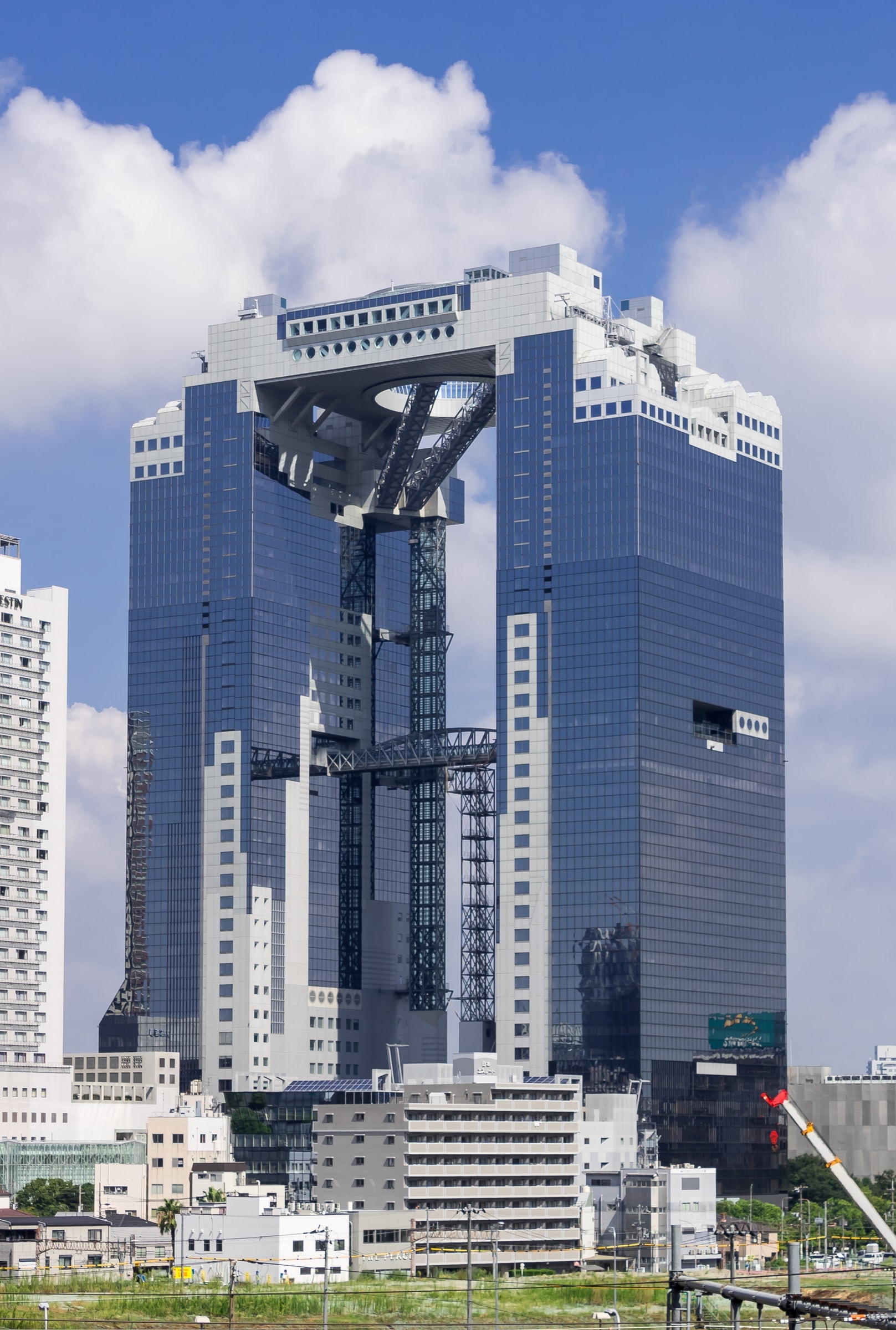
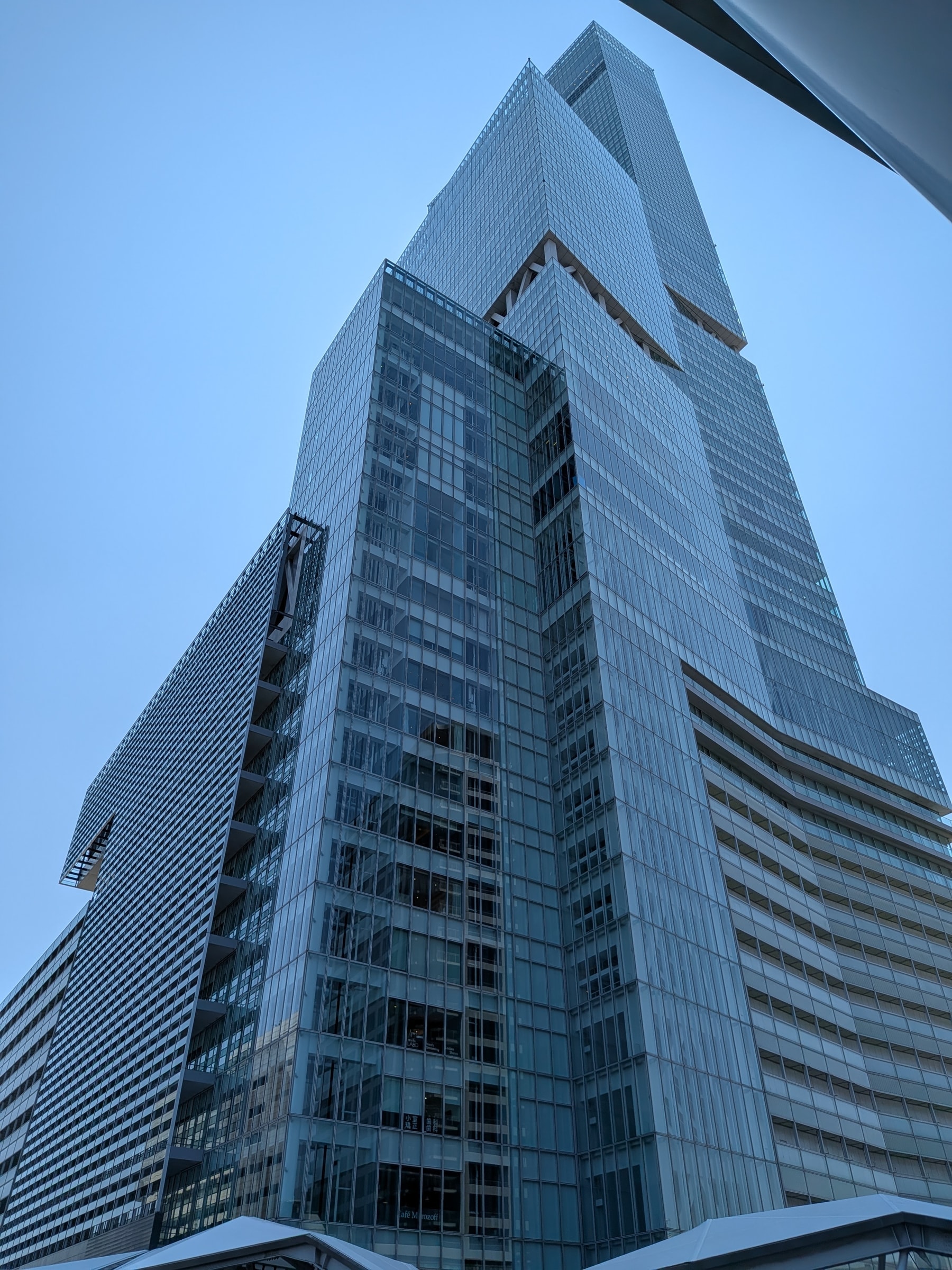
North of the centre, Umeda has the Sky Building with its open air rooftop, and Abeno Harukas to the south is the tallest building in Japan at three hundred metres. Sumiyoshi Taisha, with its steep arched bridge, is one of the oldest shrines in the country and sees a fraction of the crowds.
What Osaka does better than anywhere is act as a base. Nara is about forty minutes away, Kyoto under an hour, Kobe around thirty minutes and Himeji roughly an hour. Plenty of visitors sleep in Osaka every night and spend their days somewhere else, which is a perfectly good way to see Kansai.
Things to do in Osaka split neatly in two. Minami in the south covers Dotonbori, Namba, Kuromon Ichiba and Shinsekai, and it is where the food and the noise are. Kita around Umeda is the business and shopping side, with Osaka Castle sitting between them. One day covers both if you keep moving.
The best things to do in Osaka come with something to eat attached. This was a merchant city long before it was a tourist one, and it earned the nickname tenka no daidokoro, the nation's kitchen. Local pride still runs on that. People here talk faster than in Tokyo, laugh louder, and will happily argue with you about which takoyaki stall is the real one.
Osaka Castle is the obvious starting point. The main tower is a rebuild with lifts and a museum inside, so the interior feels modern, but the stonework of the outer walls is original and some of those blocks weigh over a hundred tons. The surrounding park is one of the best cherry blossom spots in Kansai. Give it two hours.
Dotonbori is what most people picture when they hear Osaka. Neon along a canal, the running Glico man, a mechanical crab waving above a restaurant door. It is busy from late afternoon until well past midnight. Eat standing up here rather than sitting down, and walk one street back into Hozenji Yokocho, where a small moss covered statue sits in a stone lane that survived the war.
For food markets, Kuromon Ichiba runs about six hundred metres near Nipponbashi and sells everything from tuna to fruit priced like jewellery. Shinsekai in the south is the older, rougher, more photogenic side of the city, with Tsutenkaku tower in the middle and kushikatsu everywhere around it. There is one rule there that matters. Never dip a skewer in the sauce twice.
North of the centre, Umeda has the Sky Building with its open air rooftop, and Abeno Harukas to the south is the tallest building in Japan at three hundred metres. Sumiyoshi Taisha, with its steep arched bridge, is one of the oldest shrines in the country and sees a fraction of the crowds.
What Osaka does better than anywhere is act as a base. Nara is about forty minutes away, Kyoto under an hour, Kobe around thirty minutes and Himeji roughly an hour. Plenty of visitors sleep in Osaka every night and spend their days somewhere else, which is a perfectly good way to see Kansai.
Things to do in Osaka split neatly in two. Minami in the south covers Dotonbori, Namba, Kuromon Ichiba and Shinsekai, and it is where the food and the noise are. Kita around Umeda is the business and shopping side, with Osaka Castle sitting between them. One day covers both if you keep moving.