The things to do in Nikko divide neatly between the shrines at the bottom of the mountain and the lakes at the top. Both sit inside a national park two hours north of Tokyo. The road that joins them is famous in its own right, a climb of forty eight hairpin bends. Locals have a saying about the place, roughly that you should not use the word splendid until you have seen Nikko. It is boastful, and not entirely wrong.
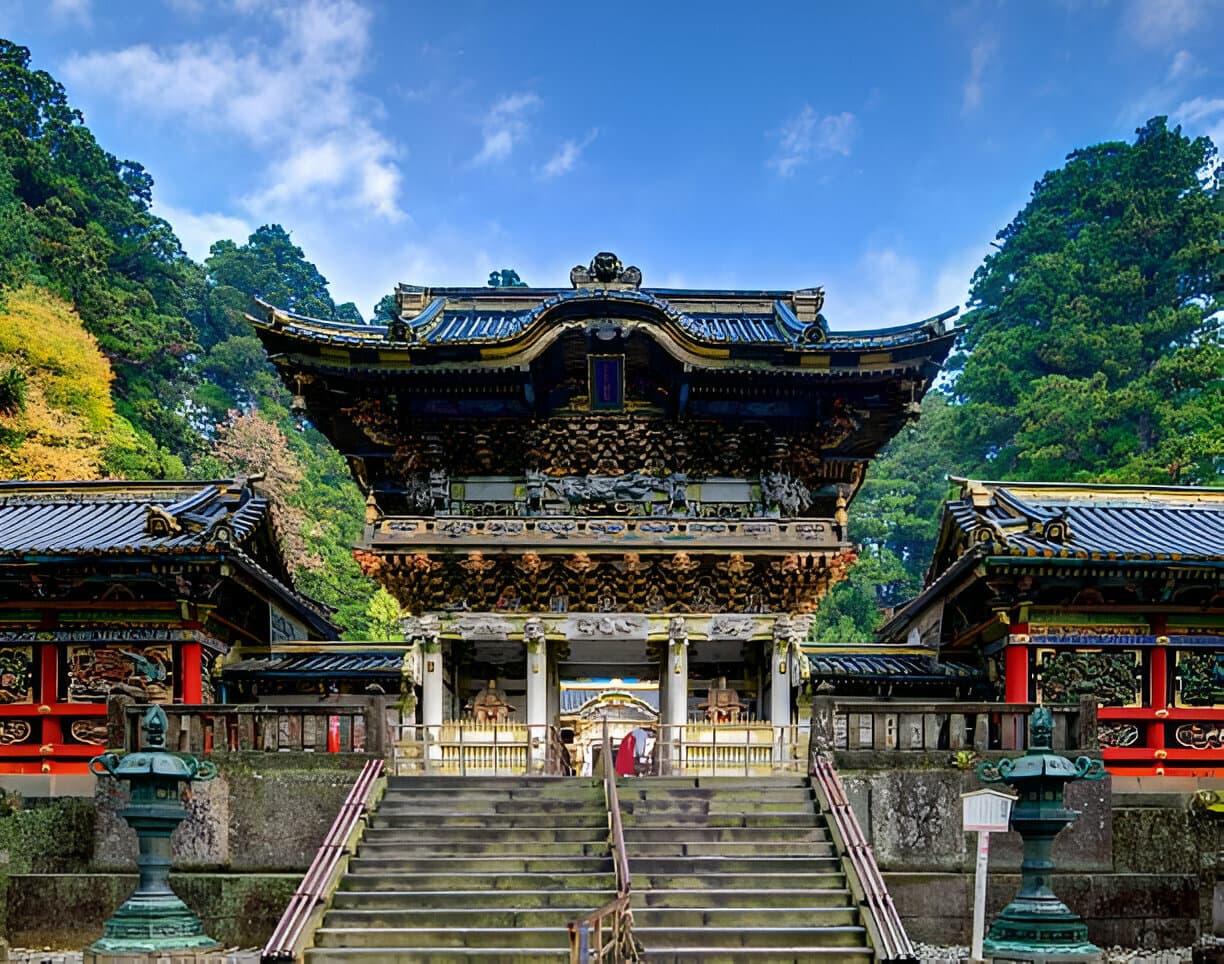
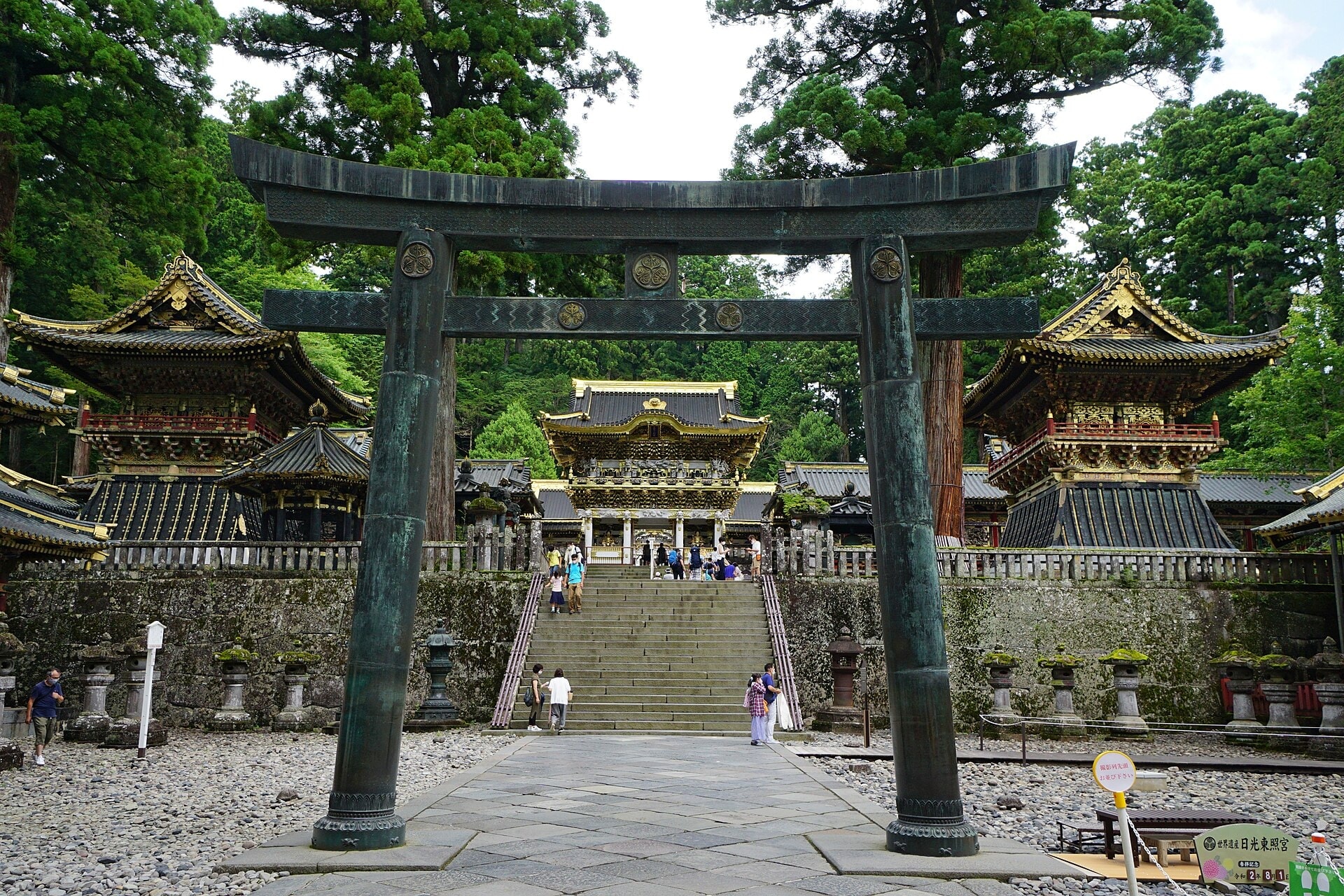
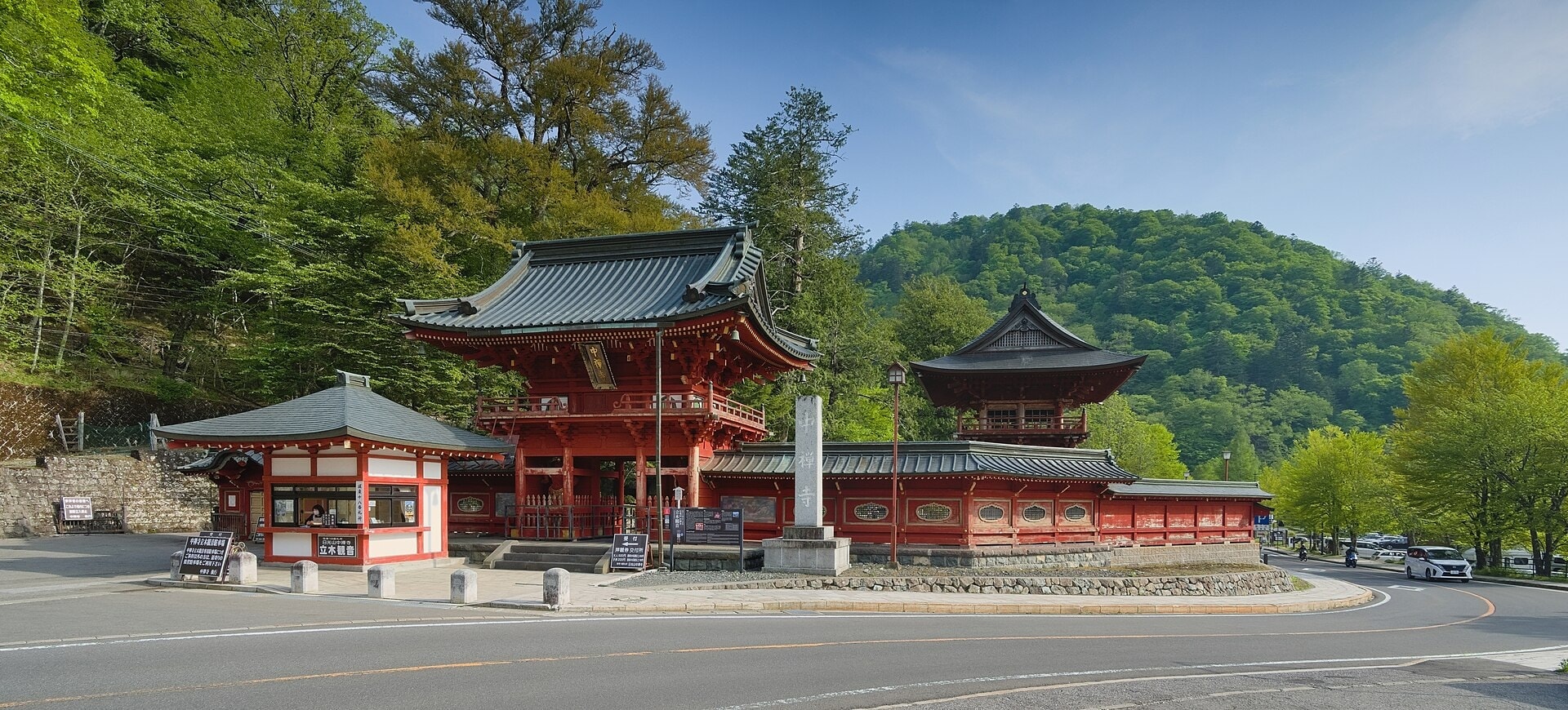
Toshogu is where most visits start. It was built in 1617 as the mausoleum of Tokugawa Ieyasu, the shogun who unified Japan, and his grandson later rebuilt it on a scale meant to end any argument about the family's status. Where most Japanese shrines are restrained, Toshogu is covered in gold leaf, lacquer and thousands of carvings. Two of them are known worldwide without most people realising where they come from: the three wise monkeys who hear, speak and see no evil, and the sleeping cat above a doorway on the path to the tomb. Give the complex two hours, more if the Yomeimon gate holds you.
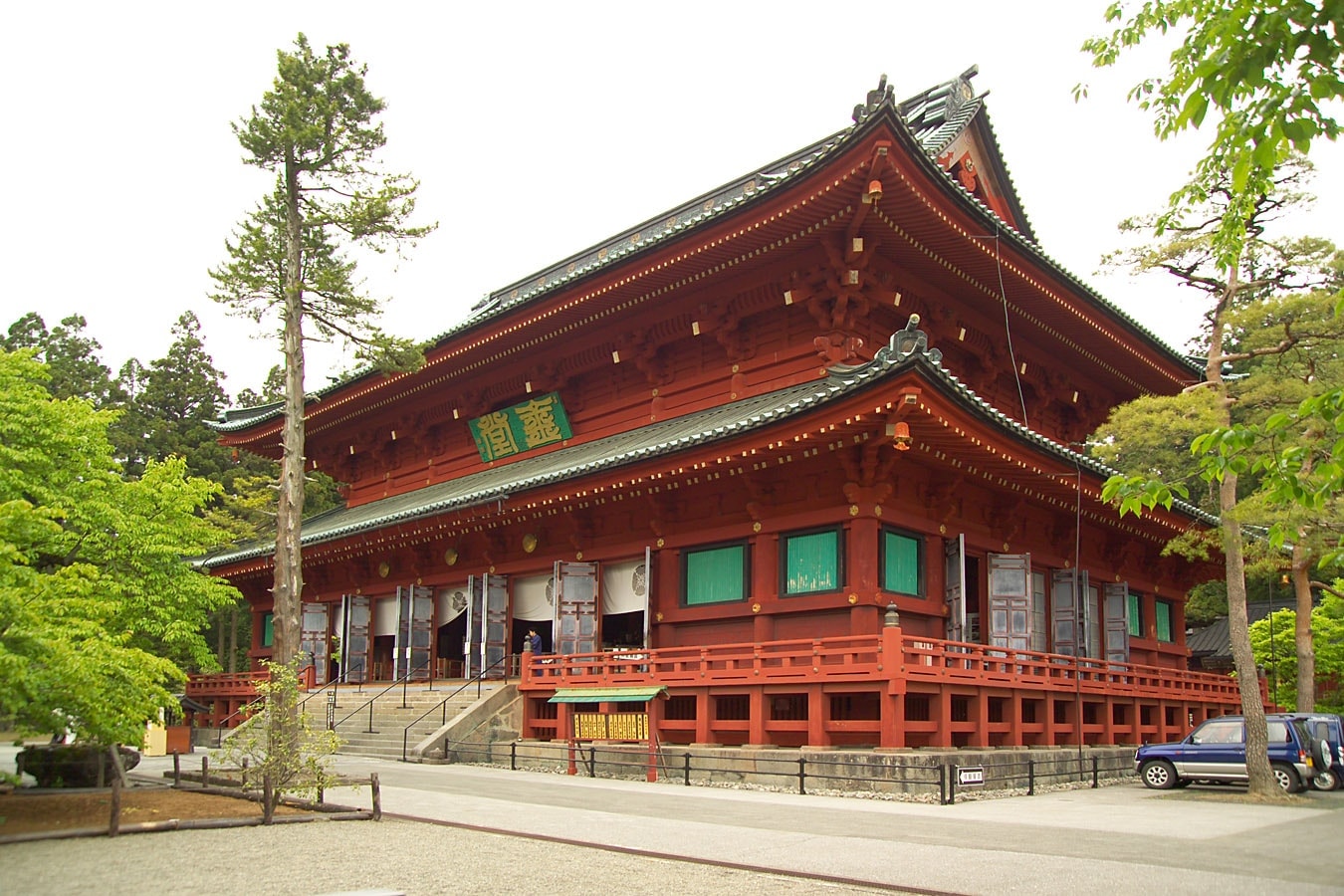
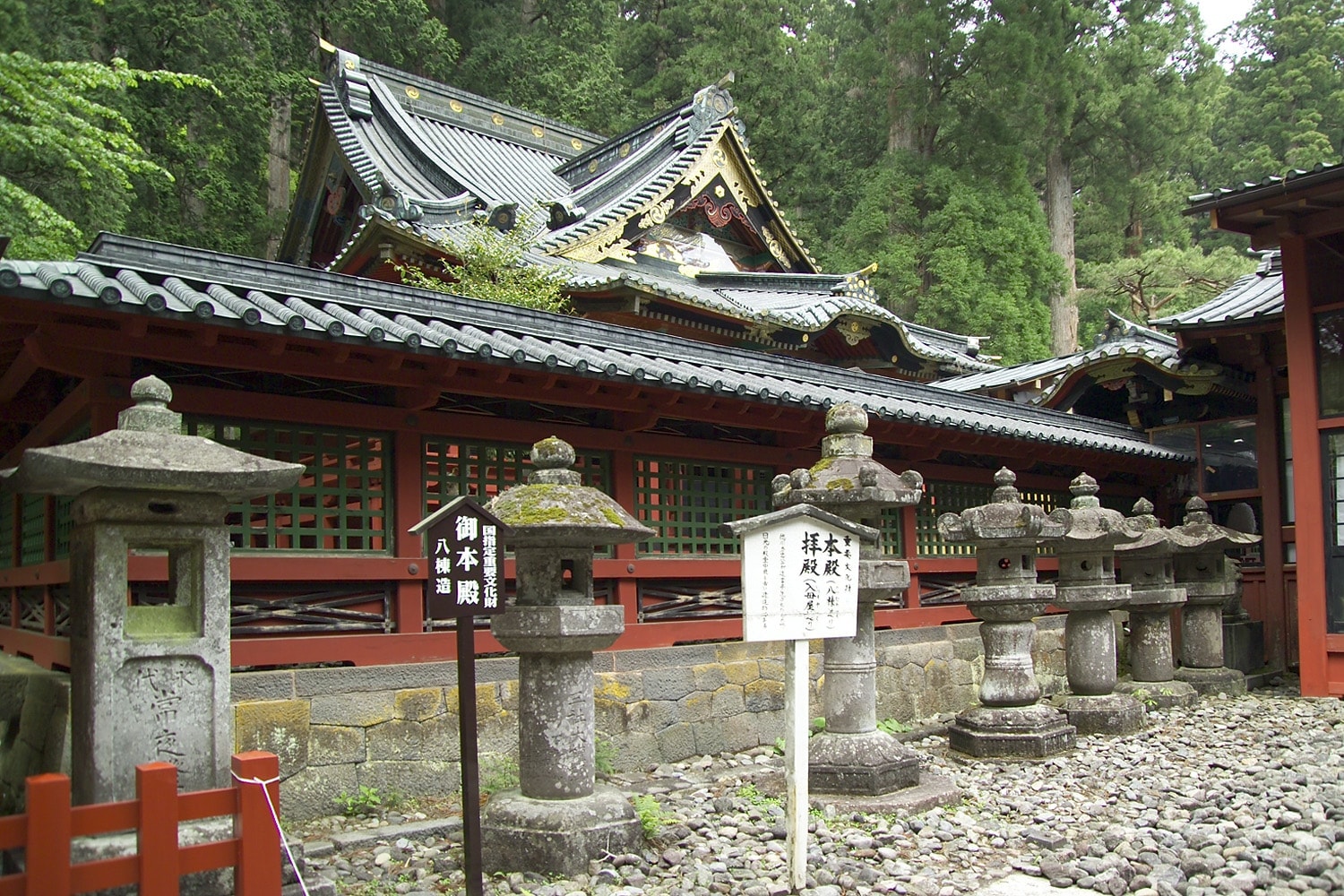
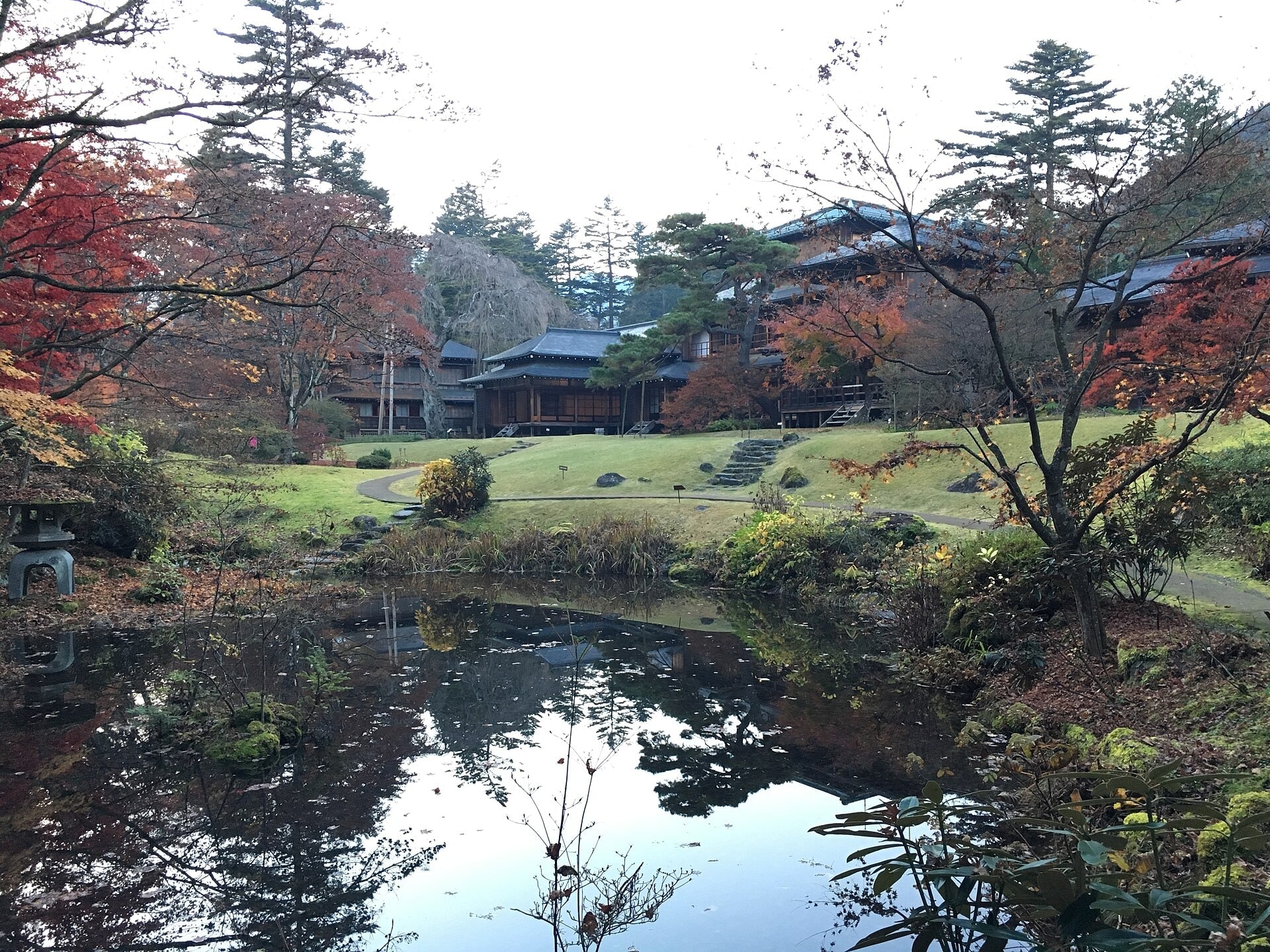
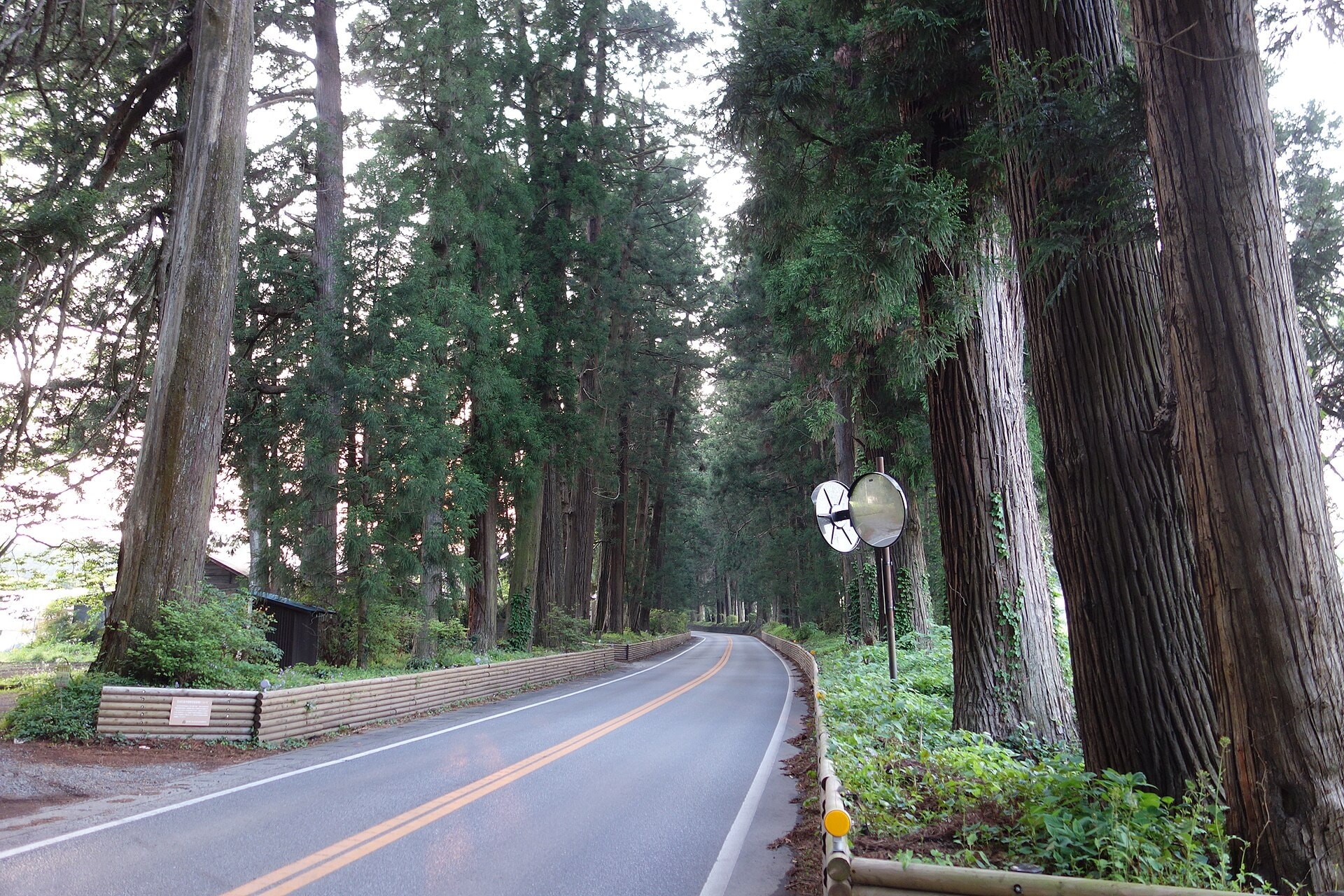
Nearby, Rinno-ji houses three enormous gilded statues in a single hall, and Futarasan Shrine, older than either, sits quietly in cedar forest. The red arch of Shinkyo bridge spans the river at the entrance to all of it.
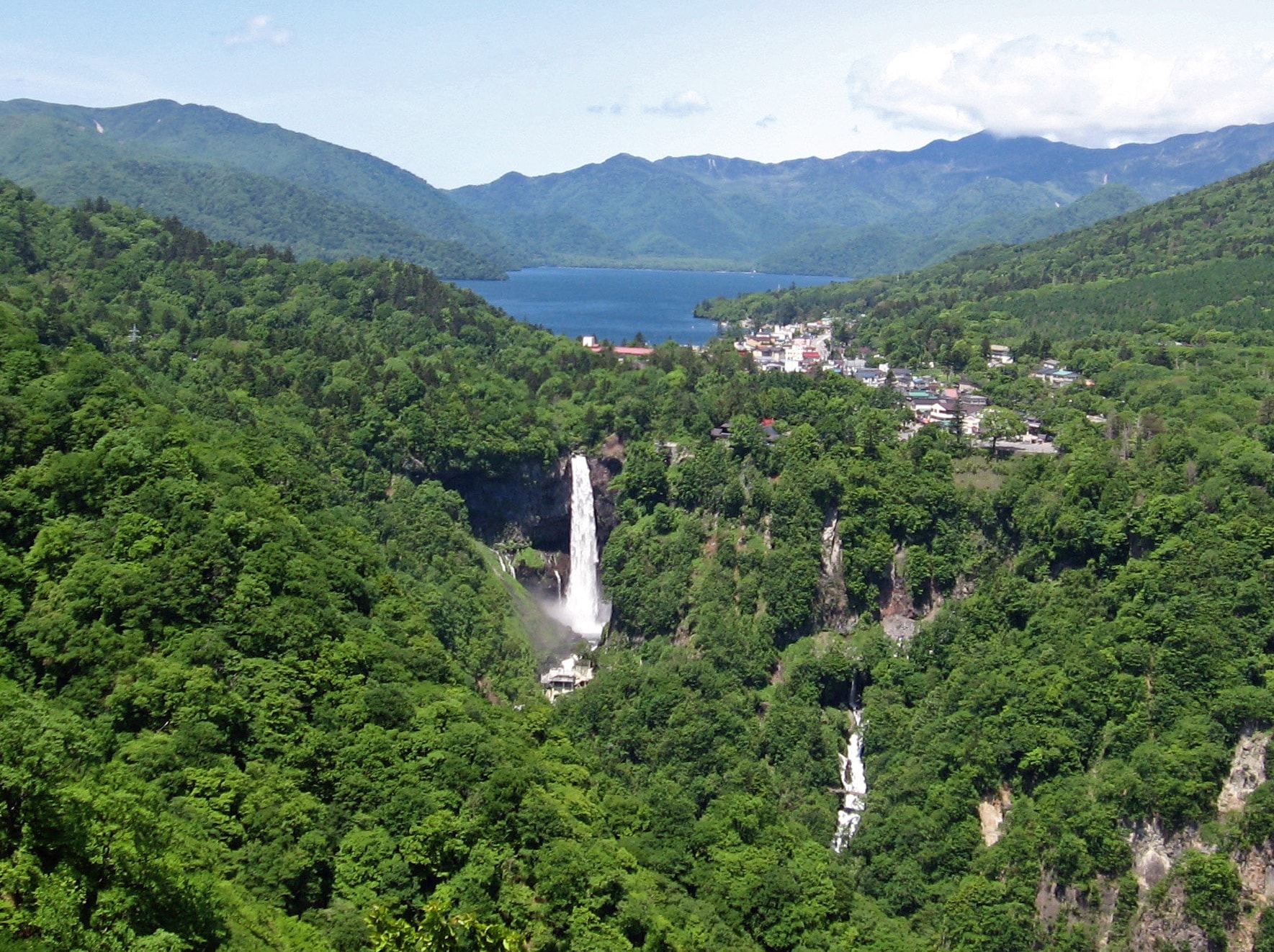
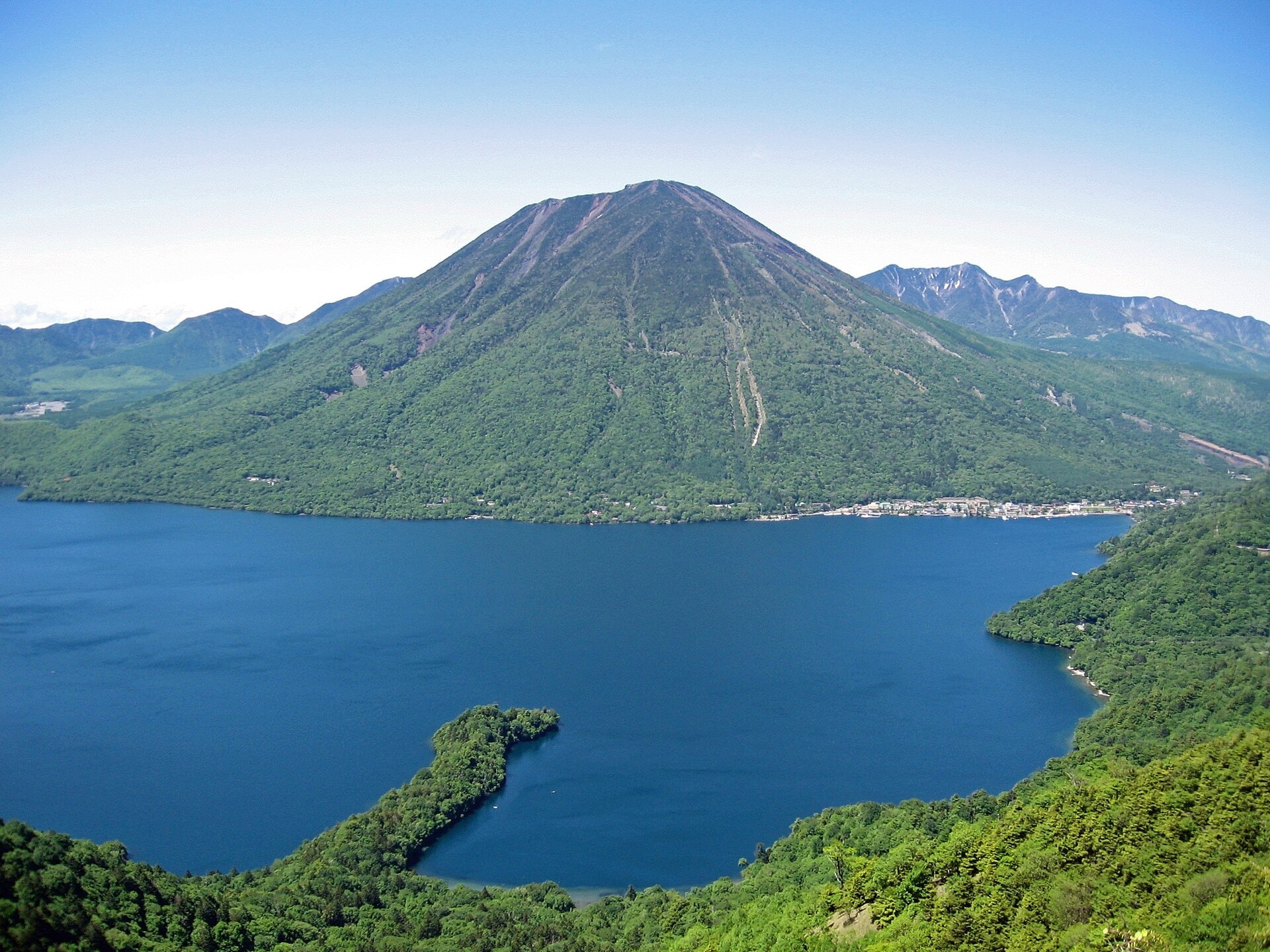
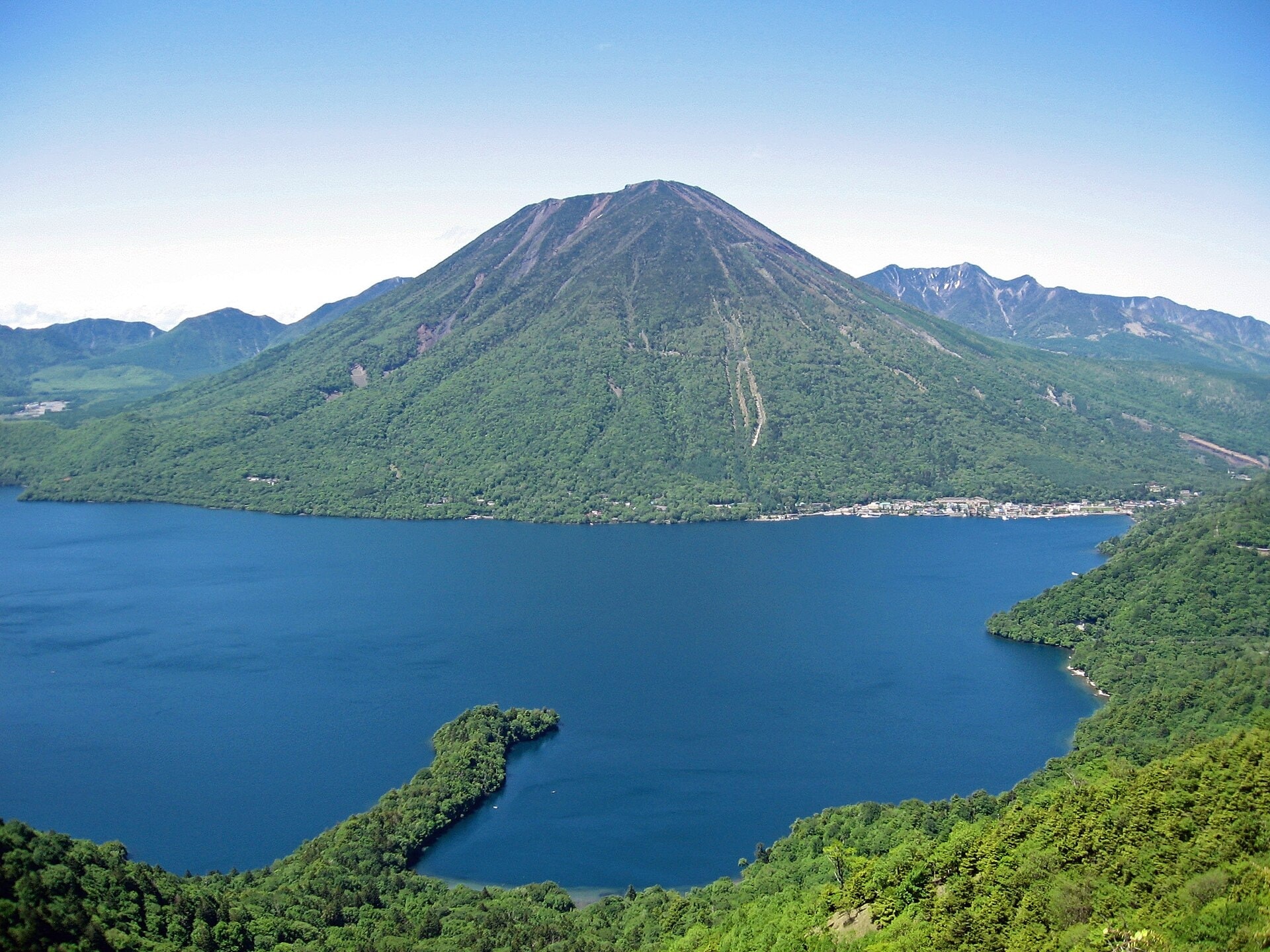
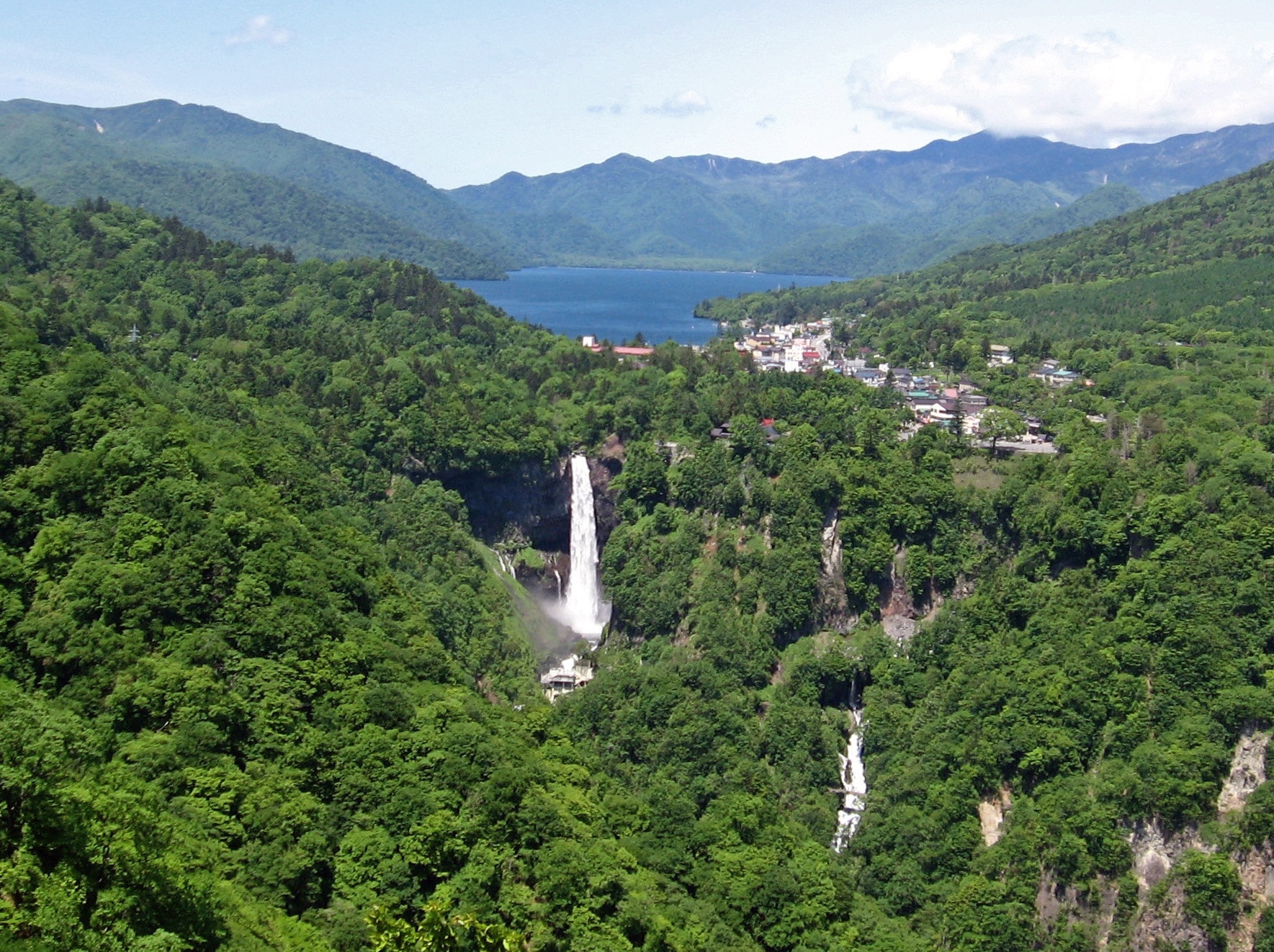
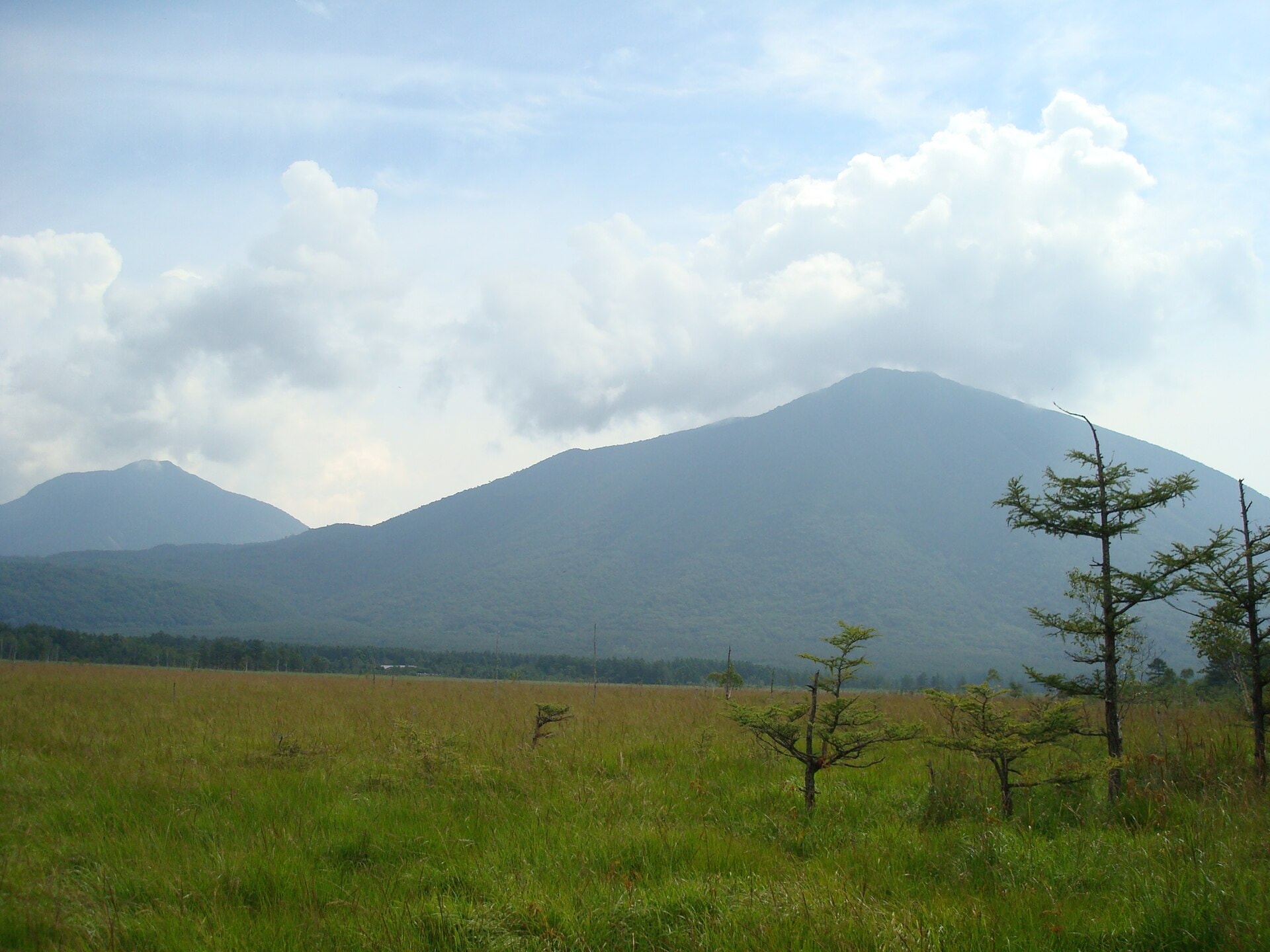
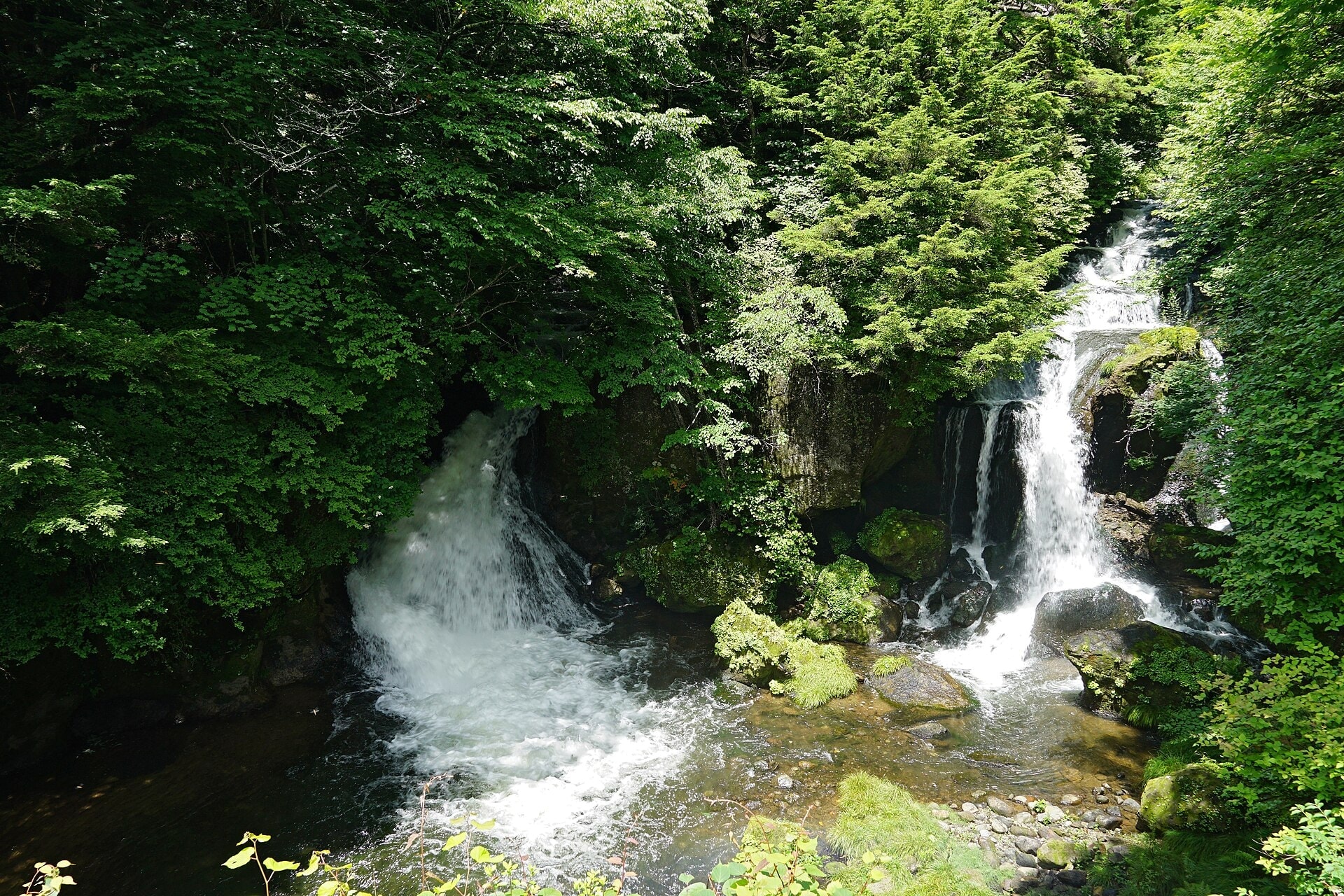
Above the shrines the road climbs Irohazaka, where every bend is named after a character of the old Japanese alphabet. At the top is Lake Chuzenji, formed when Mount Nantai erupted and dammed the valley. Kegon Falls drops ninety seven metres from the lake's edge, and a lift takes you to a platform at the base. Further on, the Senjogahara marshland has a boardwalk trail and Yumoto Onsen has sulphur hot springs.
October is the month everyone wants, when the mountain turns and the Irohazaka bends fill with traffic. Yuba, the delicate skin lifted from soy milk, is the local speciality, served in about a dozen ways along the main street.
Those Irohazaka bends are also why a lot of visitors run out of daylight. We cover the shrines, the lake and the falls in one loop on our Nikko private day tour from Tokyo, driving up before the coaches and back down after them.
Things to do in Nikko sit at two heights. The shrine complex of Toshogu, Rinno-ji and Futarasan is a short walk from the station area, and takes a morning. Above it, the Irohazaka road leads to Lake Chuzenji, Kegon Falls and the marshland at Senjogahara. Doing both in one day is normal, though it means leaving Tokyo early.
The things to do in Nikko divide neatly between the shrines at the bottom of the mountain and the lakes at the top. Both sit inside a national park two hours north of Tokyo. The road that joins them is famous in its own right, a climb of forty eight hairpin bends. Locals have a saying about the place, roughly that you should not use the word splendid until you have seen Nikko. It is boastful, and not entirely wrong.
Toshogu is where most visits start. It was built in 1617 as the mausoleum of Tokugawa Ieyasu, the shogun who unified Japan, and his grandson later rebuilt it on a scale meant to end any argument about the family's status. Where most Japanese shrines are restrained, Toshogu is covered in gold leaf, lacquer and thousands of carvings. Two of them are known worldwide without most people realising where they come from: the three wise monkeys who hear, speak and see no evil, and the sleeping cat above a doorway on the path to the tomb. Give the complex two hours, more if the Yomeimon gate holds you.
Nearby, Rinno-ji houses three enormous gilded statues in a single hall, and Futarasan Shrine, older than either, sits quietly in cedar forest. The red arch of Shinkyo bridge spans the river at the entrance to all of it.
Above the shrines the road climbs Irohazaka, where every bend is named after a character of the old Japanese alphabet. At the top is Lake Chuzenji, formed when Mount Nantai erupted and dammed the valley. Kegon Falls drops ninety seven metres from the lake's edge, and a lift takes you to a platform at the base. Further on, the Senjogahara marshland has a boardwalk trail and Yumoto Onsen has sulphur hot springs.
October is the month everyone wants, when the mountain turns and the Irohazaka bends fill with traffic. Yuba, the delicate skin lifted from soy milk, is the local speciality, served in about a dozen ways along the main street.
Those Irohazaka bends are also why a lot of visitors run out of daylight. We cover the shrines, the lake and the falls in one loop on our Nikko private day tour from Tokyo, driving up before the coaches and back down after them.
Things to do in Nikko sit at two heights. The shrine complex of Toshogu, Rinno-ji and Futarasan is a short walk from the station area, and takes a morning. Above it, the Irohazaka road leads to Lake Chuzenji, Kegon Falls and the marshland at Senjogahara. Doing both in one day is normal, though it means leaving Tokyo early.