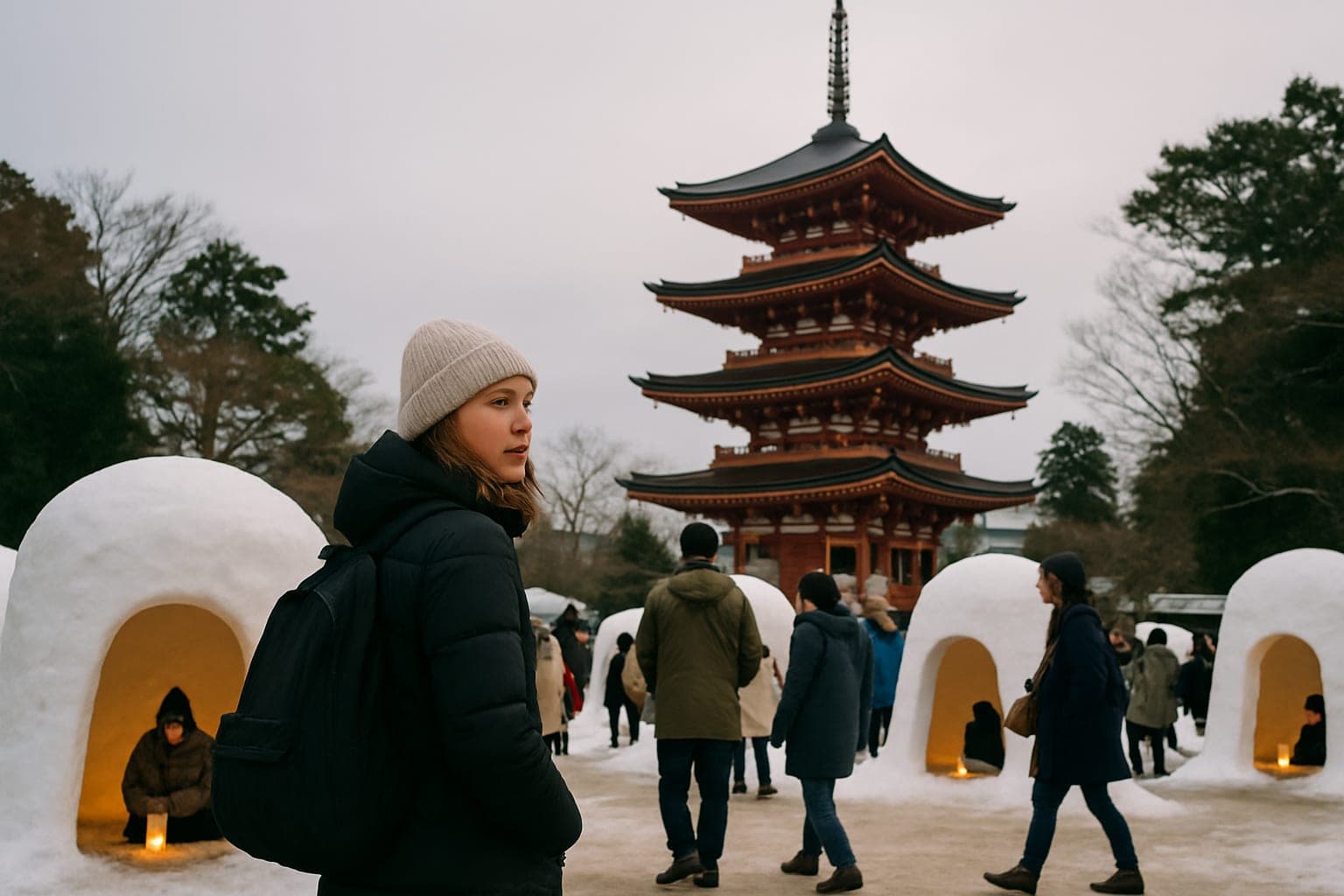
Ueno Park cherry blossom season is one of Tokyo's favorite spring traditions. Around 800 cherry trees line the park's main promenade and the banks of Shinobazu Pond, and for a week or two each spring the whole park turns pink. Locals spread out picnic sheets, paper lanterns glow in the evening, and the atmosphere feels like a city-wide party. If you are visiting Tokyo in spring, this is one of the easiest hanami spots to reach and enjoy.
This guide explains what hanami is, when the trees usually bloom, where to sit, how the picnic rules work, and how to handle the crowds. It is written to help first-time visitors enjoy the season like a local.
What hanami means
Hanami literally means "flower viewing." People in Japan have gathered under blossoming trees for more than a thousand years, first as an aristocratic pastime and later as a festival for everyone. Today it usually means a relaxed picnic with friends, family, or coworkers under the cherry trees, with food, drinks, and plenty of conversation.
The blossoms only last a short time, and that is part of the appeal. The idea that beauty is fleeting runs deep in Japanese culture, and the brief bloom is a reminder to slow down and enjoy the moment.
When Ueno Park cherry blossom season happens
In a typical year, Tokyo's cherry trees start opening in late March, and full bloom arrives about a week later, often around the end of March or the first days of April. The peak usually lasts about a week before petals begin to fall. Warm or cold weather in February and March can move the dates earlier or later by several days.
The Japan Meteorological Agency and several weather services publish forecasts starting in late winter. Check them a few weeks before your trip, and try to keep a flexible day or two in your schedule. Even if you miss peak bloom, the falling petals, called hanafubuki or "flower blizzard," can be just as lovely.
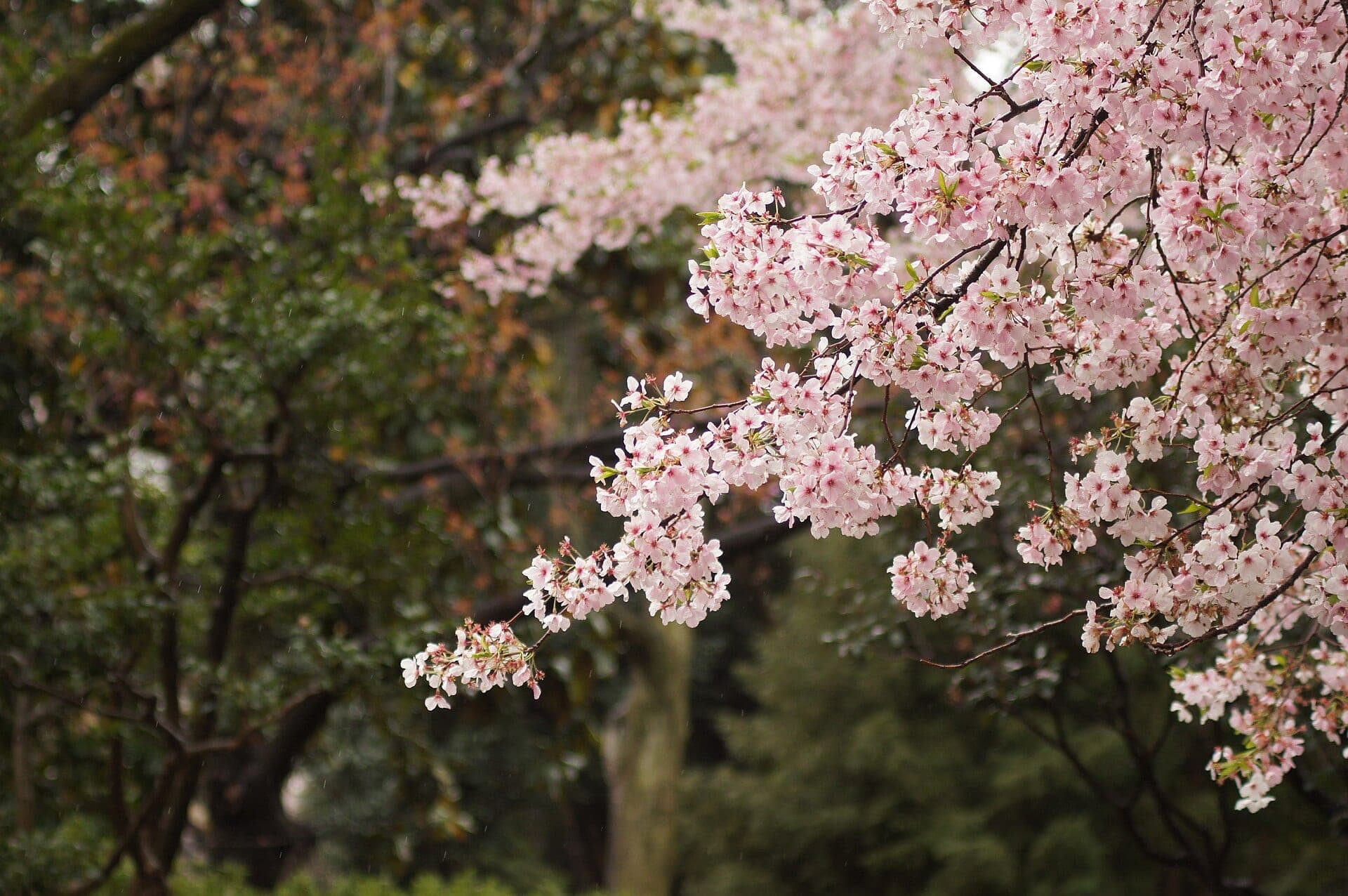
Cherry tree in full bloom along a path in Ueno Park, Tokyo
Cherry tree in bloom in Ueno Park. Photo: Guilhem Vellut / Wikimedia Commons (CC BY 2.0).
Best spots in the park
Ueno Park is large, and each area has a different feel.
The main promenade (Sakura-dori): The central path from the station side toward the museums is lined with cherry trees on both sides, creating a pink tunnel overhead. This is where most picnics happen and where the lanterns hang.
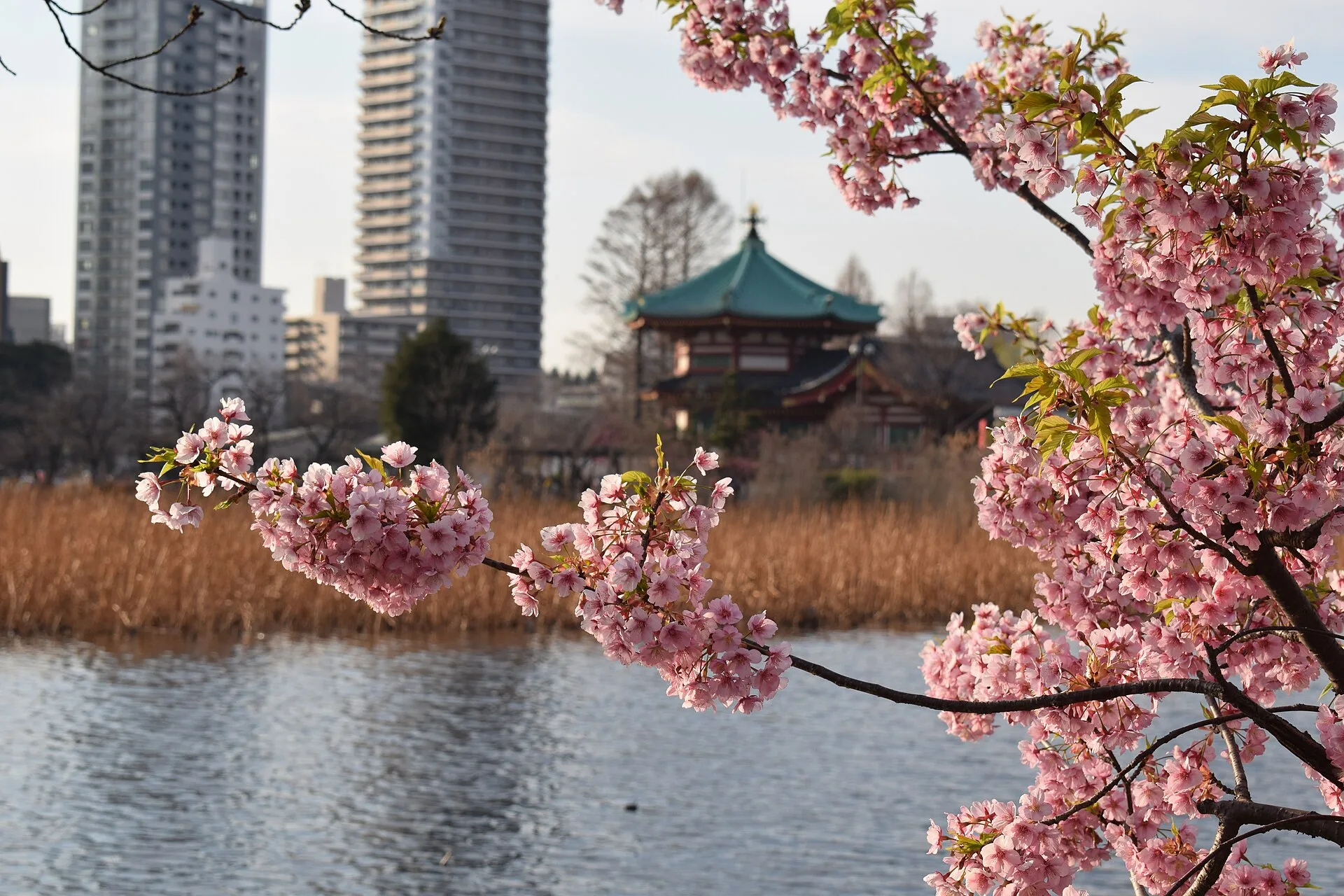
Shinobazu Pond: On the park's southwest side, the pond is circled by cherry trees. You can rent rowboats or swan boats and see the blossoms from the water. Bentendo, a small temple hall on an island in the pond, makes a good photo stop.
Kiyomizu Kannon-do: This temple hall above the pond was modeled on Kyoto's Kiyomizu-dera. Its terrace gives a nice view down over the trees and water.
Ueno Toshogu Shrine: Quieter than the main path, with a lantern-lined approach and a gold-decorated shrine building.
Picnic rules and etiquette
Ueno Park is a public park managed by the Tokyo Metropolitan Government, and rules are posted at the entrances during the season. Details can change from year to year, so read the signs when you arrive. In general:
Sit only in permitted areas. Picnic sheets are usually allowed in marked zones along the main promenade, not on every patch of ground.
Do not damage the trees. Never tie ropes or tape to branches, shake the trees, or pick blossoms. Keep off the roots where possible.
No open flames or barbecues. Bring food that is ready to eat.
Take your trash home or use the temporary sorting stations if they are provided. Trash bins are limited.
Keep noise reasonable. Drinking is common, but loud music and rowdy behavior are frowned upon.
Do not leave a sheet unattended for hours to hold a spot. Park staff may remove it, and it annoys other visitors.
A small tarp, wet wipes, a trash bag, and a light jacket will cover most needs. Evenings in early April can feel chilly.
Lanterns, festivals, and evening viewing
During the Ueno Sakura Matsuri, paper lanterns are hung along the main promenade and lit in the evening, usually until around 8 PM. Night viewing, called yozakura, has a softer, more romantic mood than the daytime crowds. Food stalls set up along the paths at busy times, selling yakisoba, grilled skewers, and sweets.
Cherry blossoms beside Shinobazu Pond in Ueno Park
JR Ueno Station's Park Exit puts you right at the park entrance. The Tokyo Metro Ginza and Hibiya lines also stop at Ueno, and Keisei Ueno Station, with direct trains from Narita Airport, sits at the park's southern edge. Peak weekends are extremely busy, and lines for toilets can be long.
To make it easier:
Visit early on a weekday. Mornings before 9 AM are calm and great for photos.
Pick a meeting point before you split up. Phone signals can slow down in big crowds.
Use station toilets or museum facilities before settling in.
Carry cash for food stalls and boat rentals.
Photography tips
Soft morning light is the best time for blossom photos, and the paths are still quiet enough to frame a shot without strangers in it. Overcast days are not a problem. They actually make the pale pink petals look richer and reduce harsh shadows. For a classic view, stand at one end of the main promenade and shoot down the tunnel of branches. Around Shinobazu Pond, look for reflections on calm water or frame Bentendo between low-hanging branches.
At night, the lanterns give warm color, but light is limited, so steady your phone or camera on a railing. Tripods can block narrow paths, so set them up only where you are not in anyone's way. Please do not pull branches down for a photo or climb the trees. Staff and other visitors take tree care seriously, and the trees here are old and easily damaged.
Food to bring
Convenience stores and department store food halls near the station sell everything you need: onigiri, bento boxes, karaage fried chicken, and seasonal sakura-flavored sweets. Hanami dango, skewers of pink, white, and green rice dumplings, are the classic spring snack. Drinks are easy to find too, but bring water if you plan to stay for hours.
Nearby things to do after hanami
Ueno is packed with things to see. The Tokyo National Museum, the National Museum of Western Art, and Ueno Zoo are all inside or next to the park. Ameyoko, a busy market street under the train tracks, is great for snacks and people-watching. For a quieter walk, head north to the old streets of Yanaka.
If you want more of spring Japan, our Kawagoe private day tour visits a historic town with Edo-period streets just outside Tokyo. The Kamakura private day tour adds temples and coastal views, and the Mt Fuji private day tour pairs snow-capped peaks with blossoms around the lakes, usually a little later than in central Tokyo. For mountain shrines and forest scenery, try our Nikko private day tour.
Planning your spring visit
Seeing Ueno Park cherry blossom season in person is one of the most memorable ways to experience spring in Tokyo. Check the bloom forecast, arrive early, follow the picnic rules, and stay for the lanterns if you can. A little planning goes a long way.
Want help building a spring itinerary? Browse our private tours or contact us and we will help you time your trip around the blossoms.
TopicsTokyoCherry BlossomsHanamiSpring in JapanUeno
Frequently Asked Questions
In a typical year, the trees in Ueno Park start blooming in late March and reach full bloom about a week later, often around the end of March or early April. Peak bloom usually lasts about a week. Weather can shift the dates by several days, so check the official bloom forecasts a few weeks before your trip.
Hanami means flower viewing. It is the Japanese custom of gathering under blossoming cherry trees to enjoy their short season, usually with a picnic, drinks, and friends or family. The tradition goes back more than a thousand years, and today it is one of the most popular spring activities in Japan.
Ueno Park has around 800 cherry trees. Most line the main promenade, which forms a tunnel of blossoms in spring, and the banks of Shinobazu Pond. That density, together with easy train access from JR Ueno Station, makes the park one of the most popular hanami spots in Tokyo.
Yes, picnics are allowed in designated areas, mainly along the main promenade. Follow the posted rules: do not tie anything to the trees, do not use open flames, keep noise reasonable, and take your trash with you. Leaving a sheet unattended for hours to hold a spot is discouraged and may be removed by park staff.
During the Ueno Sakura Matsuri, paper lanterns hang along the main promenade and are lit in the evening, usually until around 8 PM. Night viewing, called yozakura, has a softer and calmer mood than the busy daytime. Bring a light jacket, because early spring evenings in Tokyo can feel cool.
Early weekday mornings, before about 9 AM, are the calmest time and best for photos. Midday on weekends is the busiest, with crowded paths and long toilet lines. Evenings are lively and atmospheric under the lanterns. If you can only go once, a weekday morning gives you the most space to enjoy the trees.