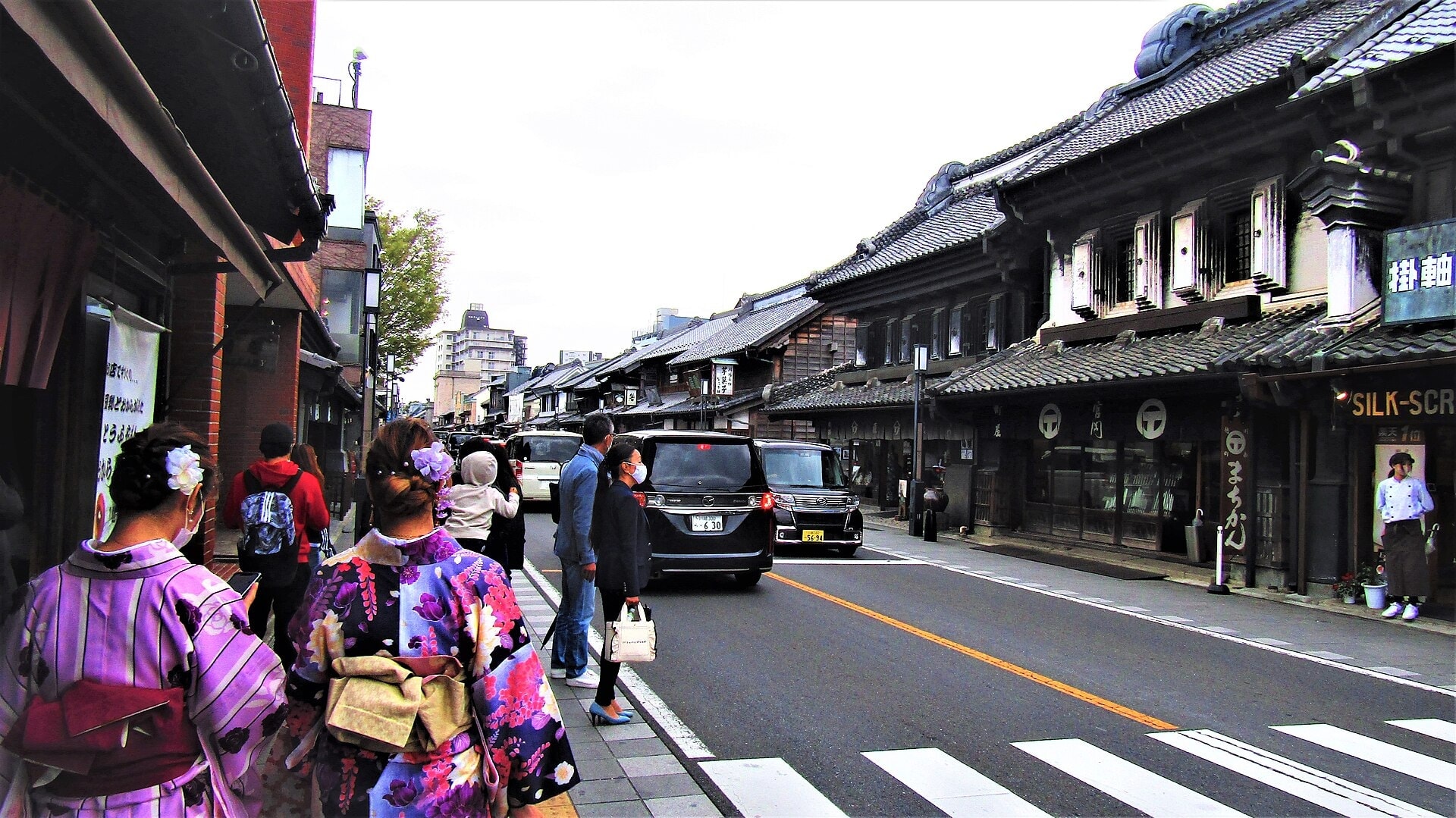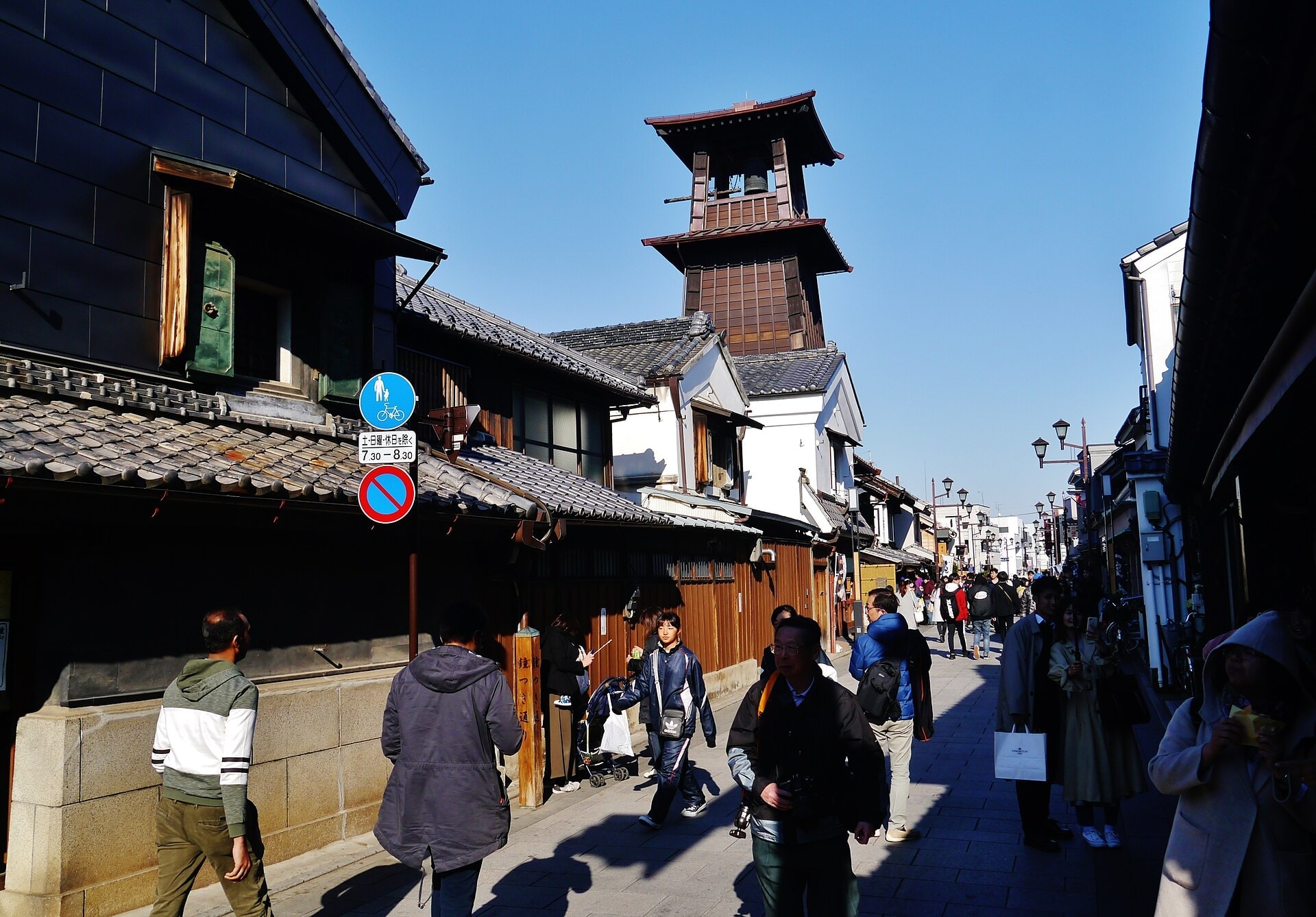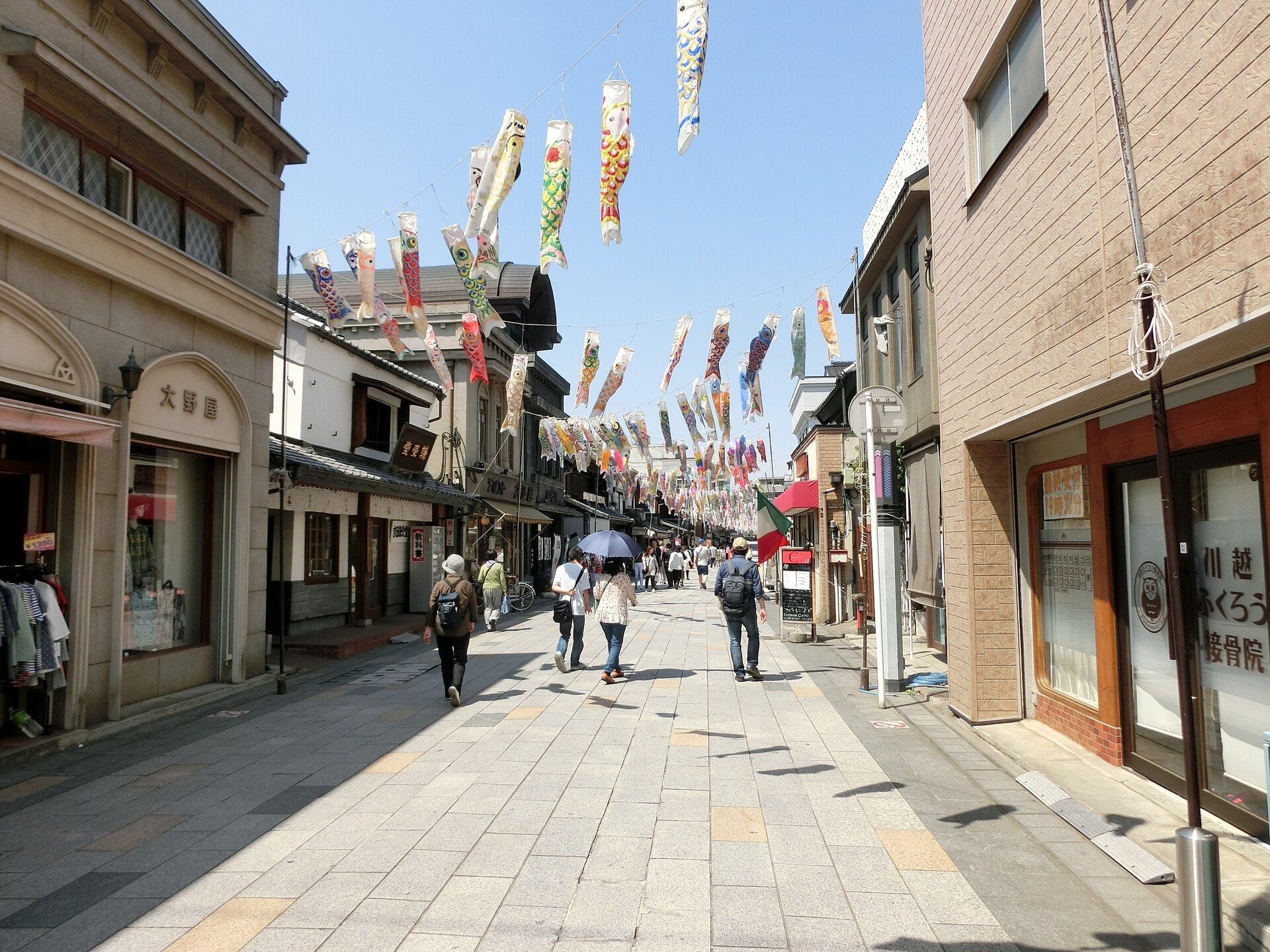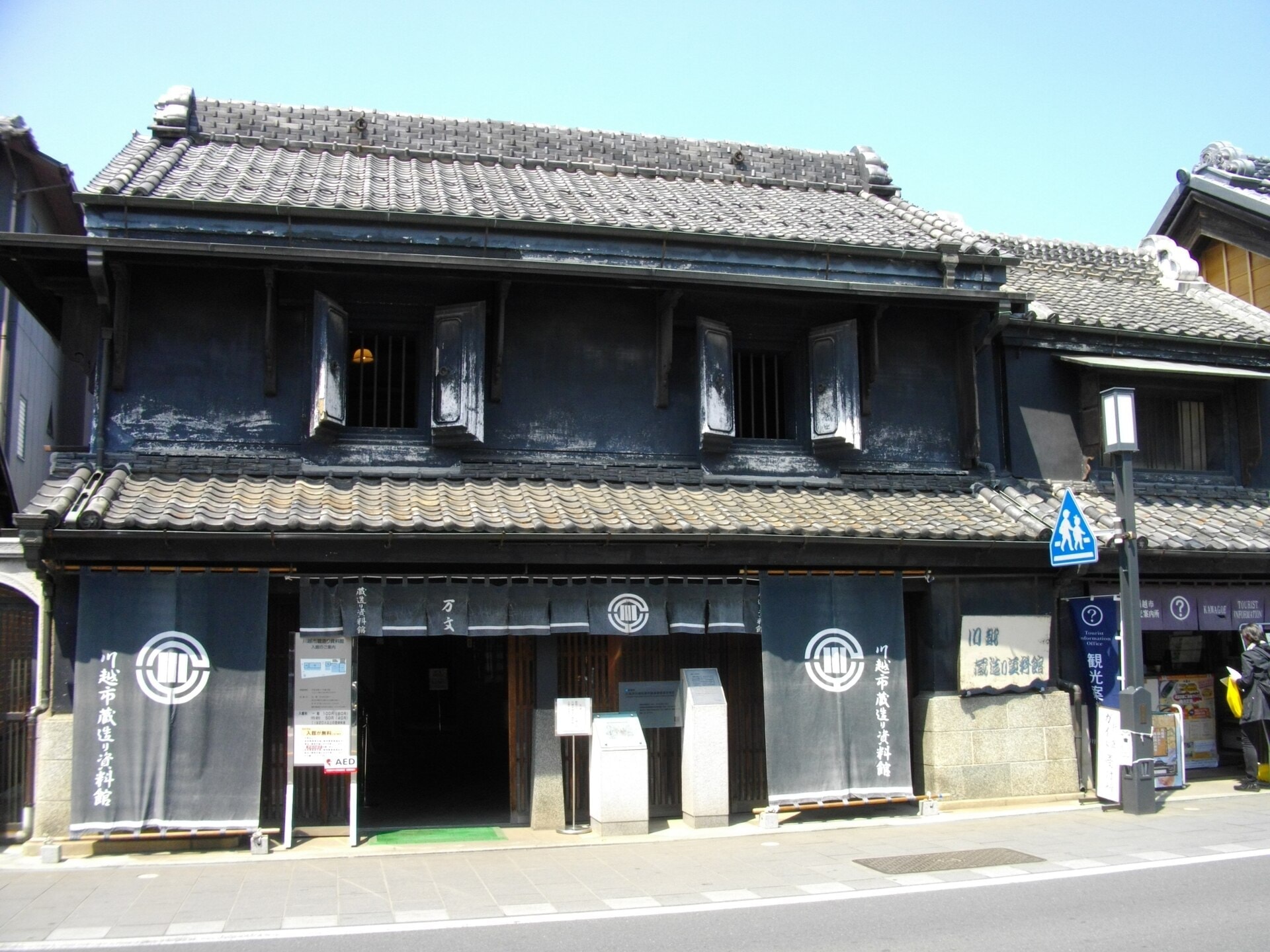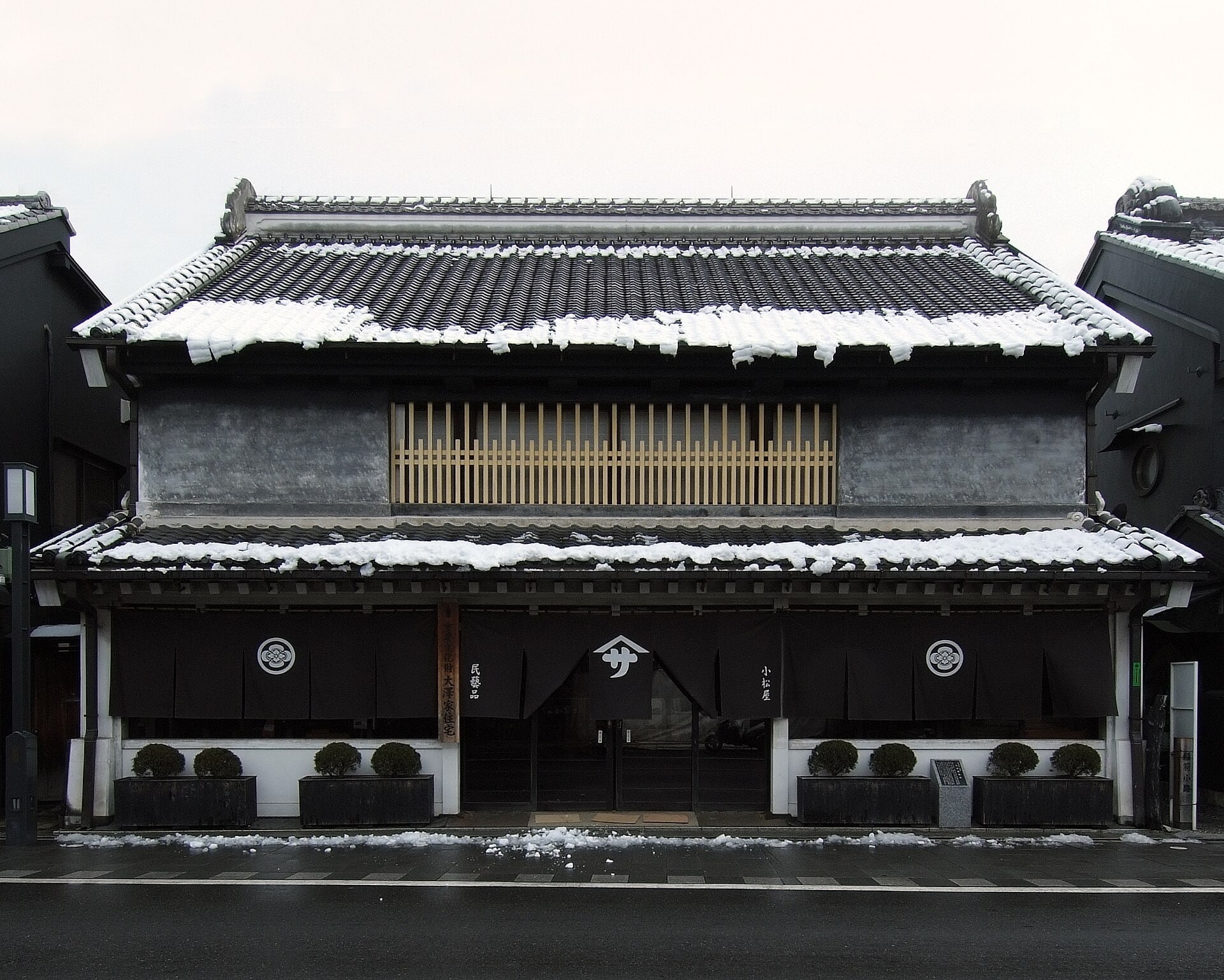
Kawagoe is called Little Edo, and the name is earned rather than invented. Tokyo lost almost all of its Edo period townscape to fire, earthquake and war. Kawagoe kept a street of it. The clay walled kurazukuri warehouses on Ichibangai were built to survive fire, and they did.
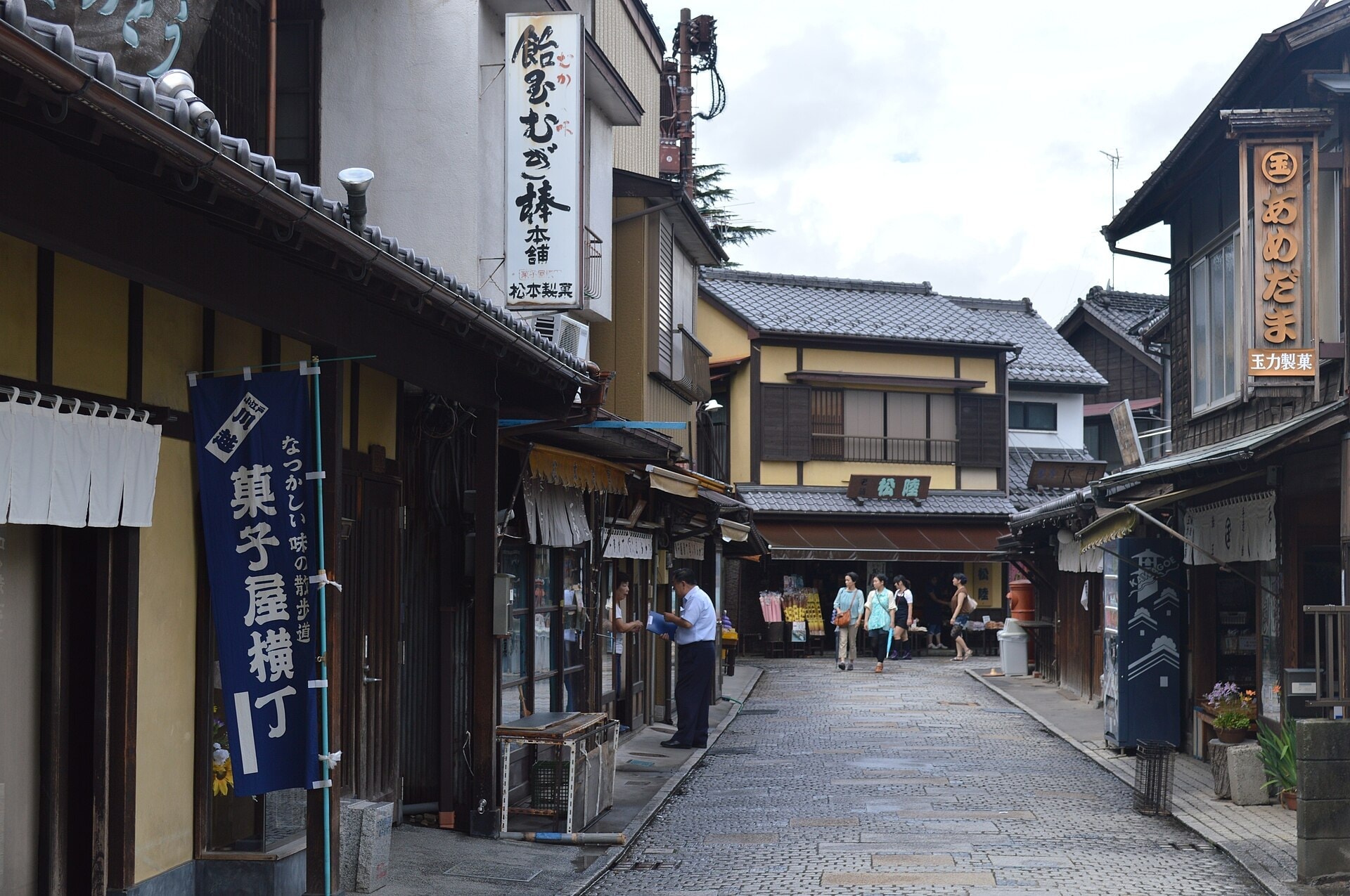
The centre is small and flat. Kurazukuri Street runs a few hundred metres, the bell tower stands a minute off it down a side lane, and the candy alley sits just beyond. You can see all three in an hour if you rush, or give them a morning if you would rather not.
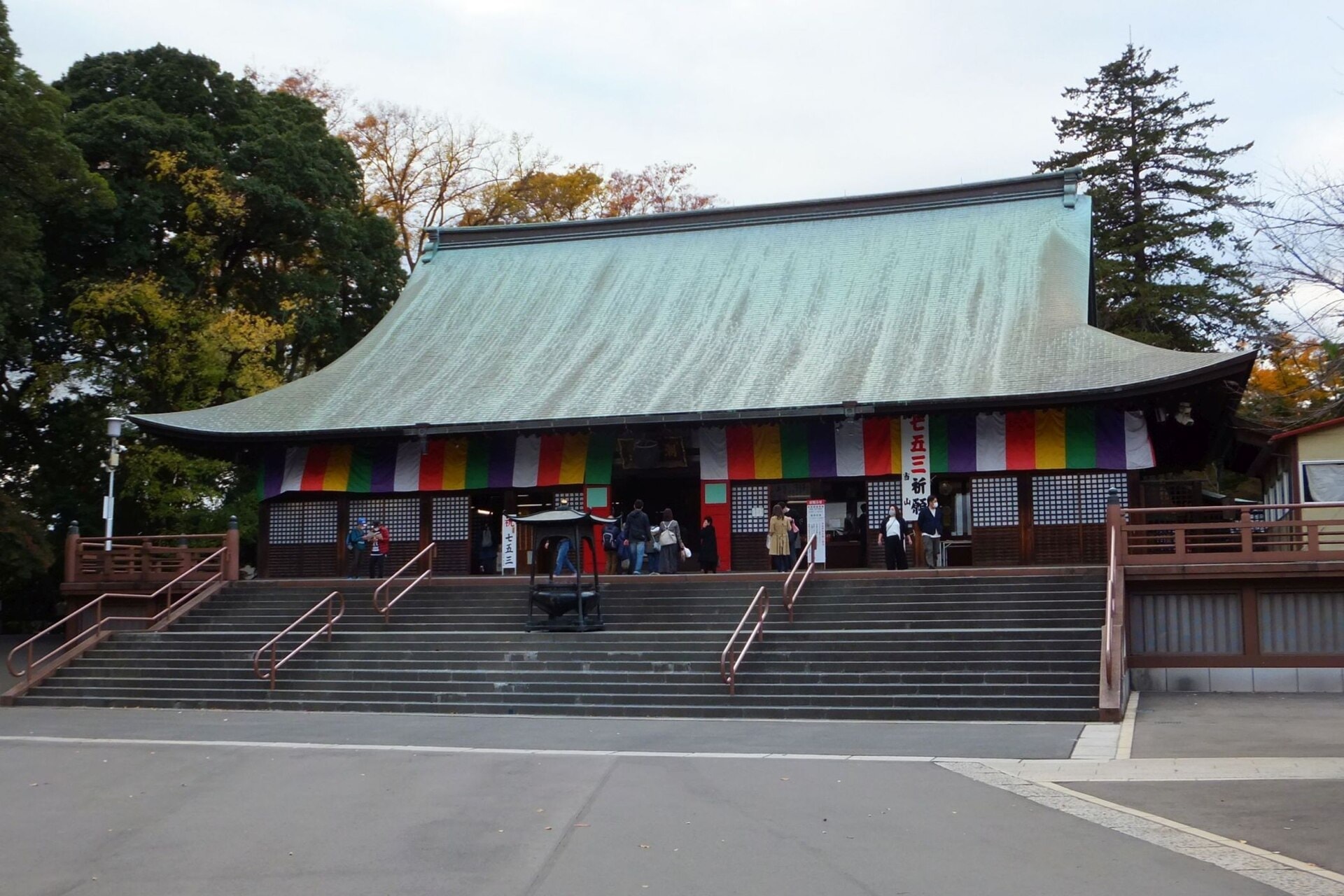
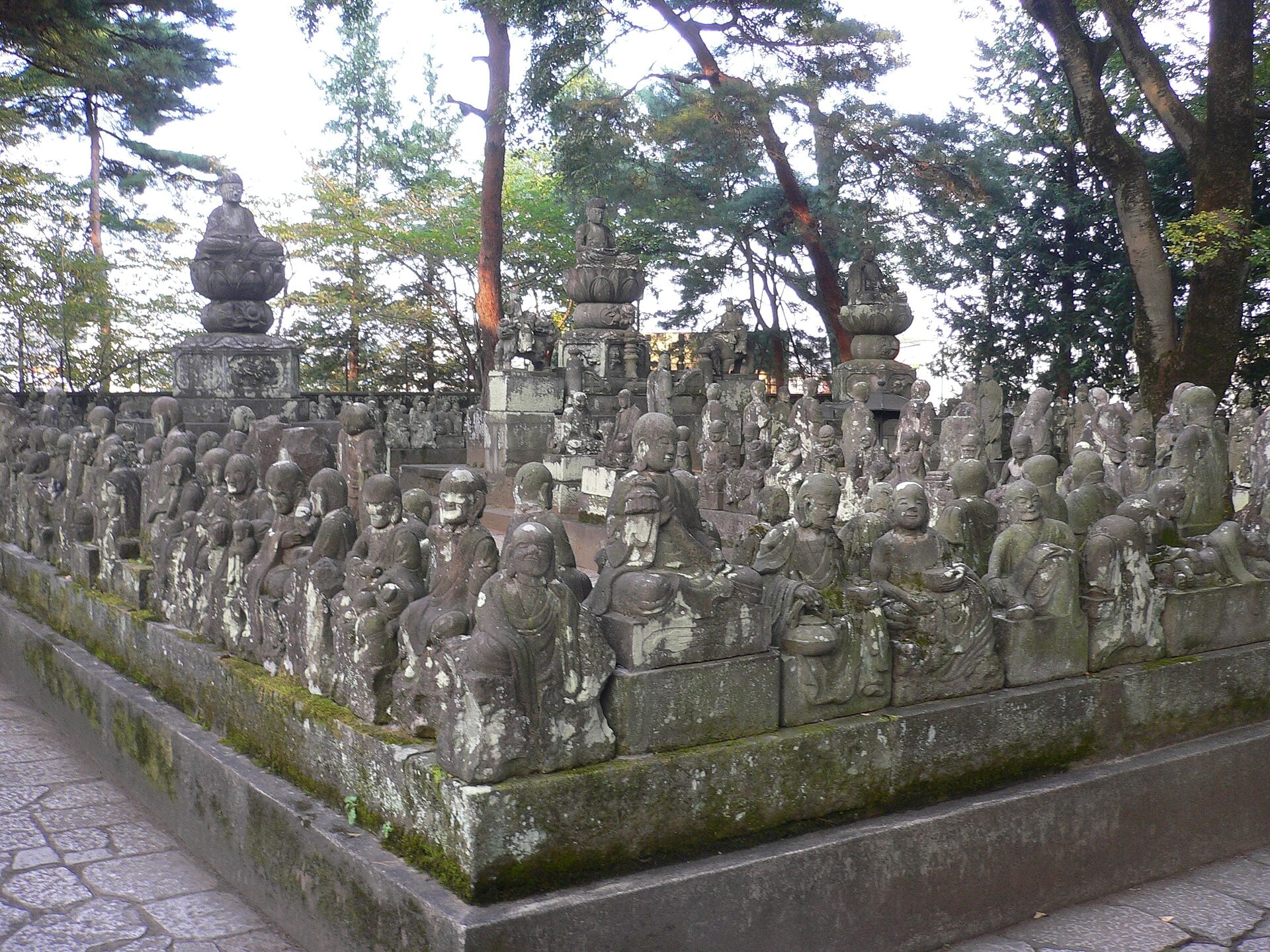
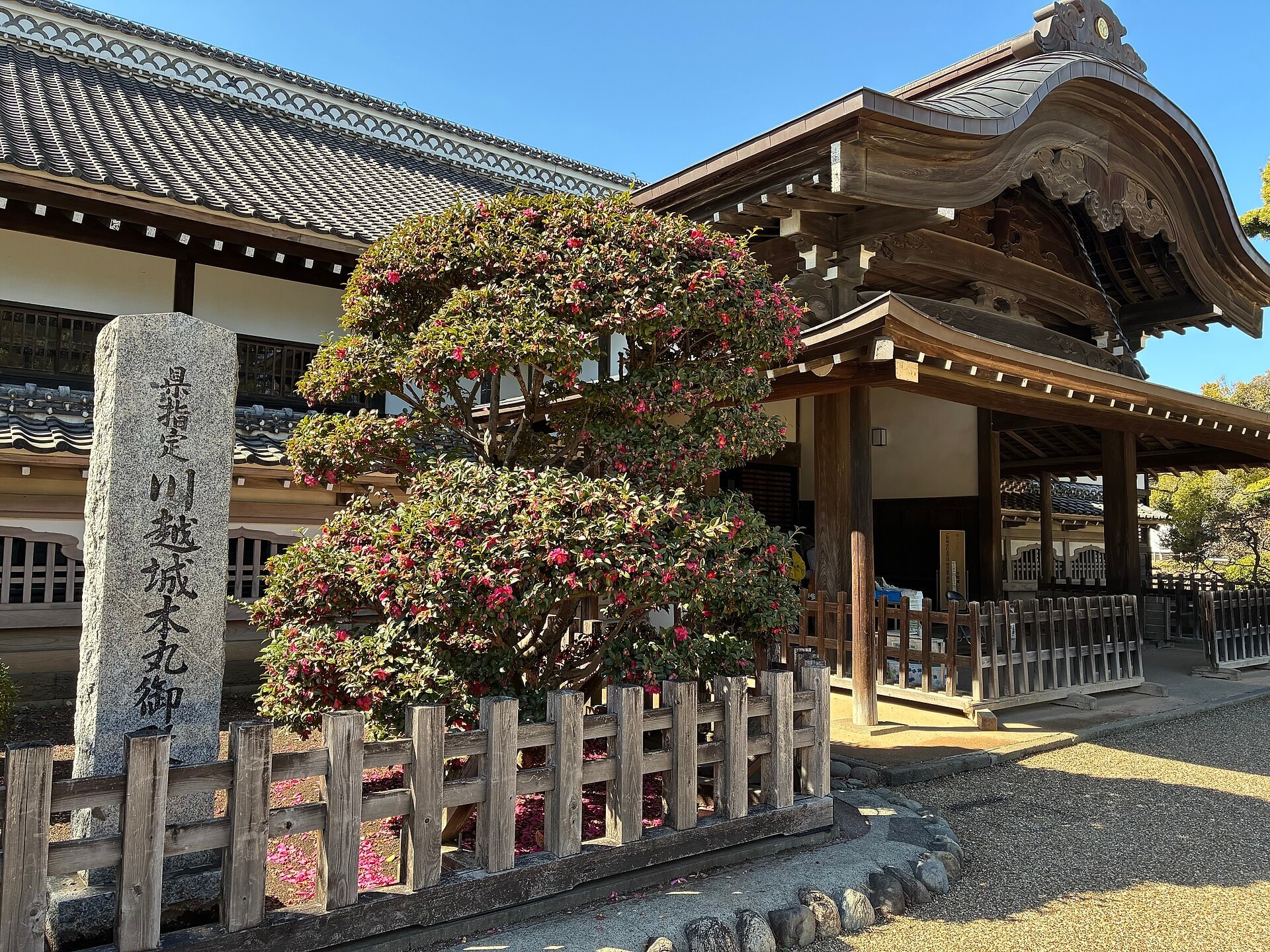
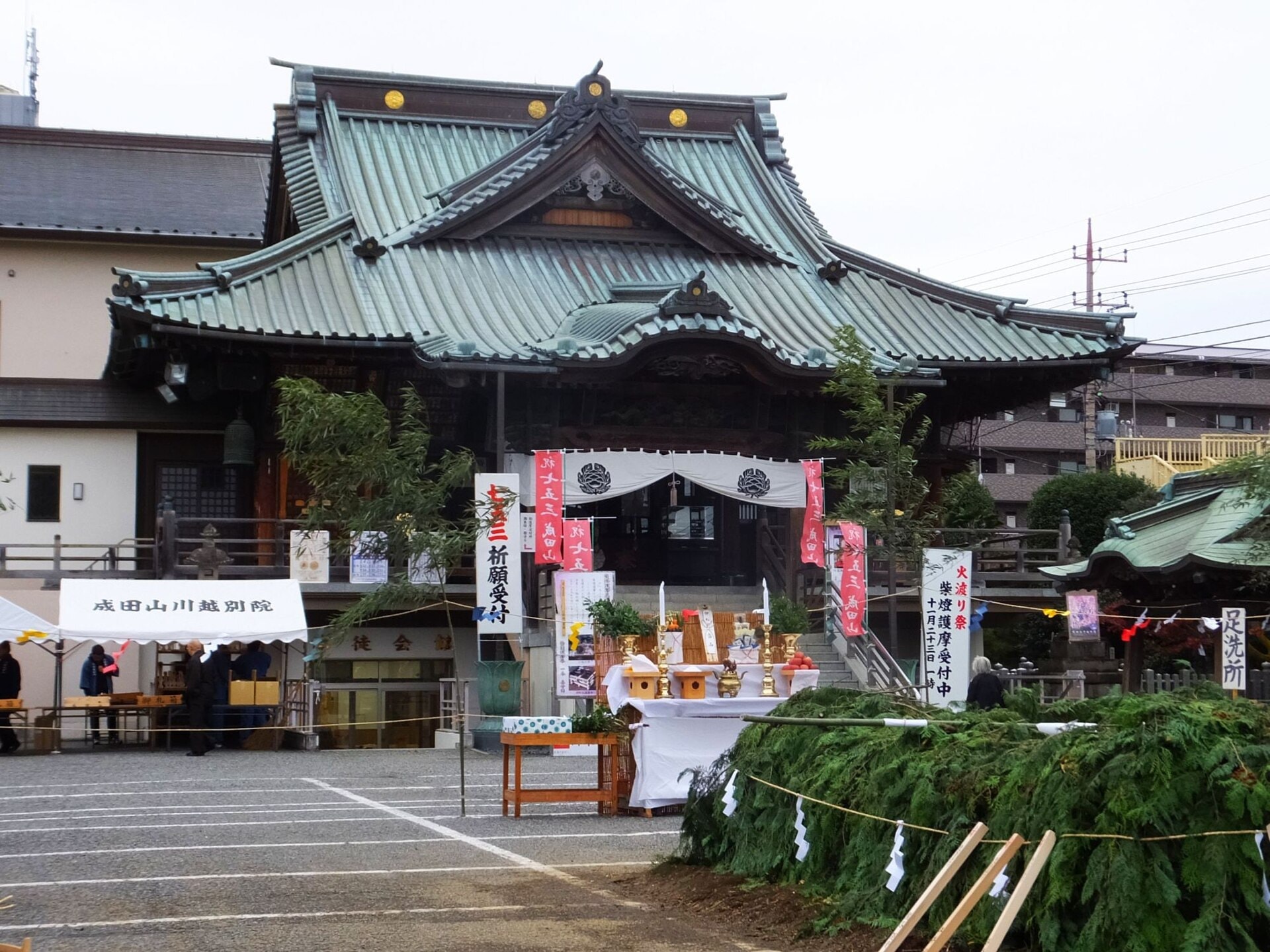
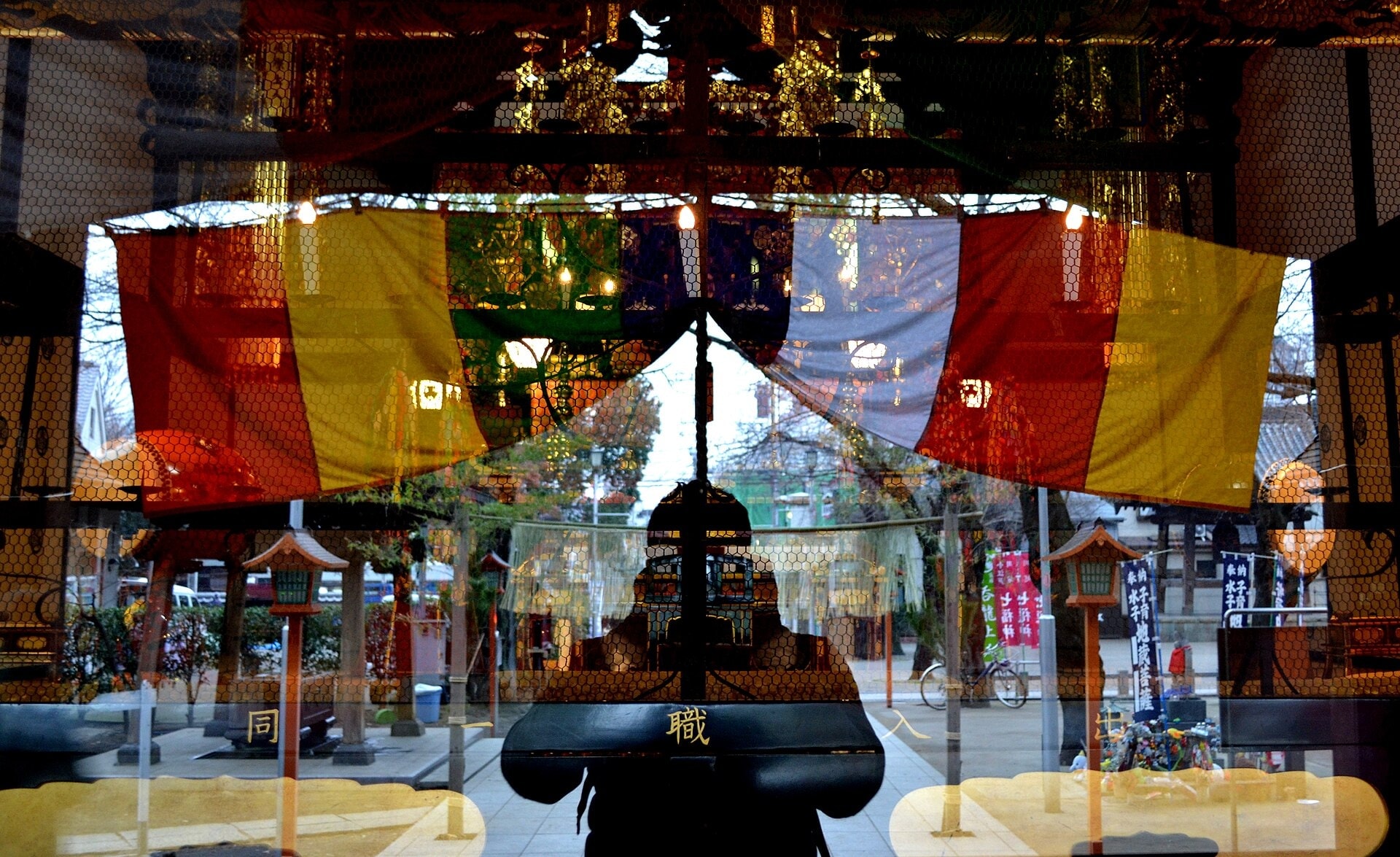
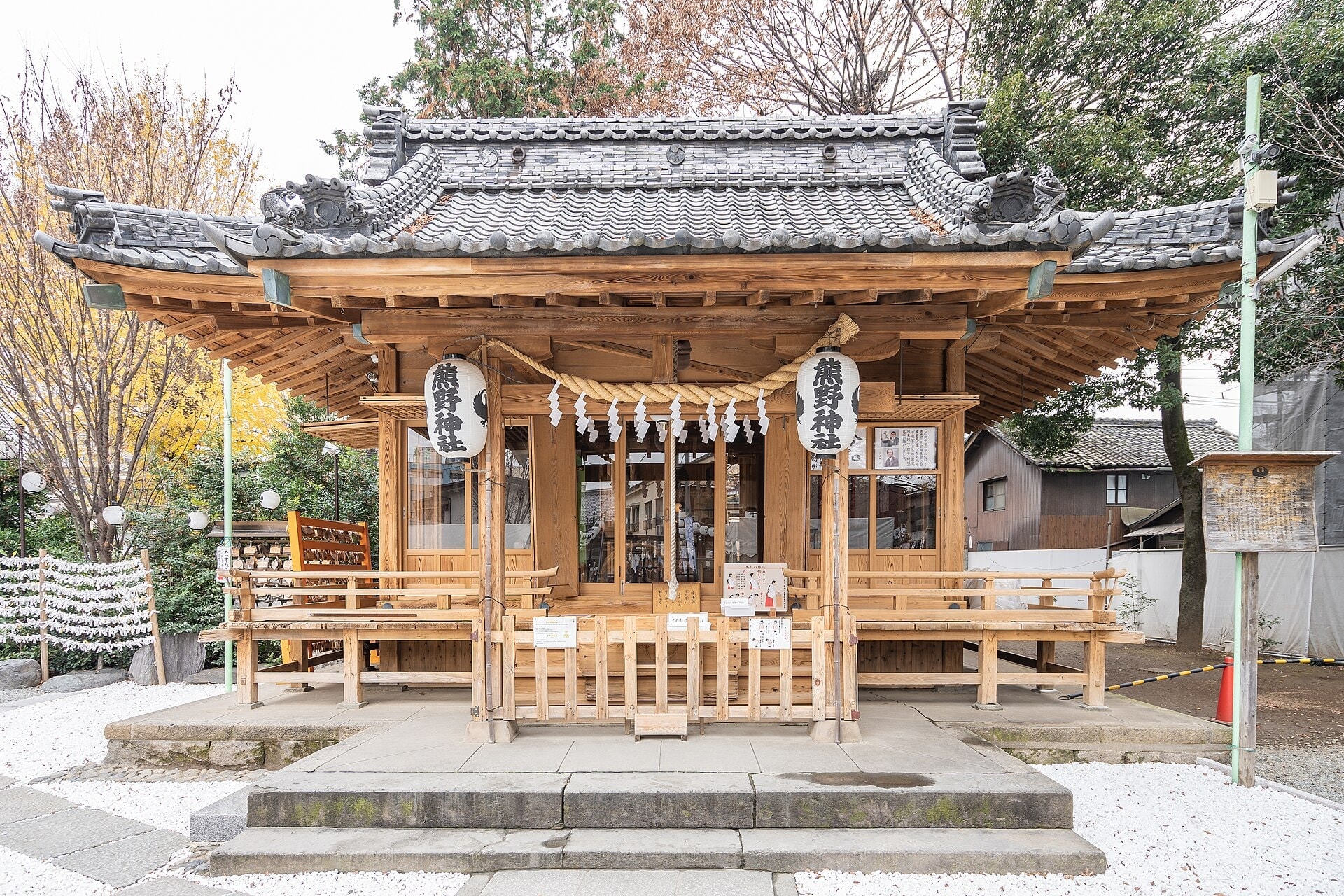
The temple side is a fifteen minute walk south. Kita-in holds the only rooms left from the original Edo Castle, moved here in the seventeenth century, and a garden of five hundred and forty stone disciples with no two faces alike. Naritasan sits beside it and is usually far quieter.
Food is half the reason people come. This is sweet potato country, so expect it in ice cream, in cakes, in crisps and in beer. Kashiya Yokocho sells the sort of sweets Japanese adults remember from childhood, and the warehouse street has proper restaurants inside old buildings.
What surprises most visitors is how fast the mood changes through the day. Arrive early and the street belongs to shopkeepers opening their shutters. By eleven on a weekend it fills up. By five it is quiet again and the light on the black plaster is worth the wait.
It works as a half day joined to something else, or as an unhurried full day with the temples and a long lunch. Families like it because the walking distances are short and there is food every twenty metres. Photographers like it for the early morning light and for the hour before the shops close. It is also one of the easier days to do with older parents, because nothing on the route demands a climb.
Private tours to Kawagoe run from Tokyo with your own car and an English speaking driver guide. Pickup is from your accommodation, the day is around ten hours, and the pace belongs to you. Tell your driver whether you want the warehouse street first or the temples.