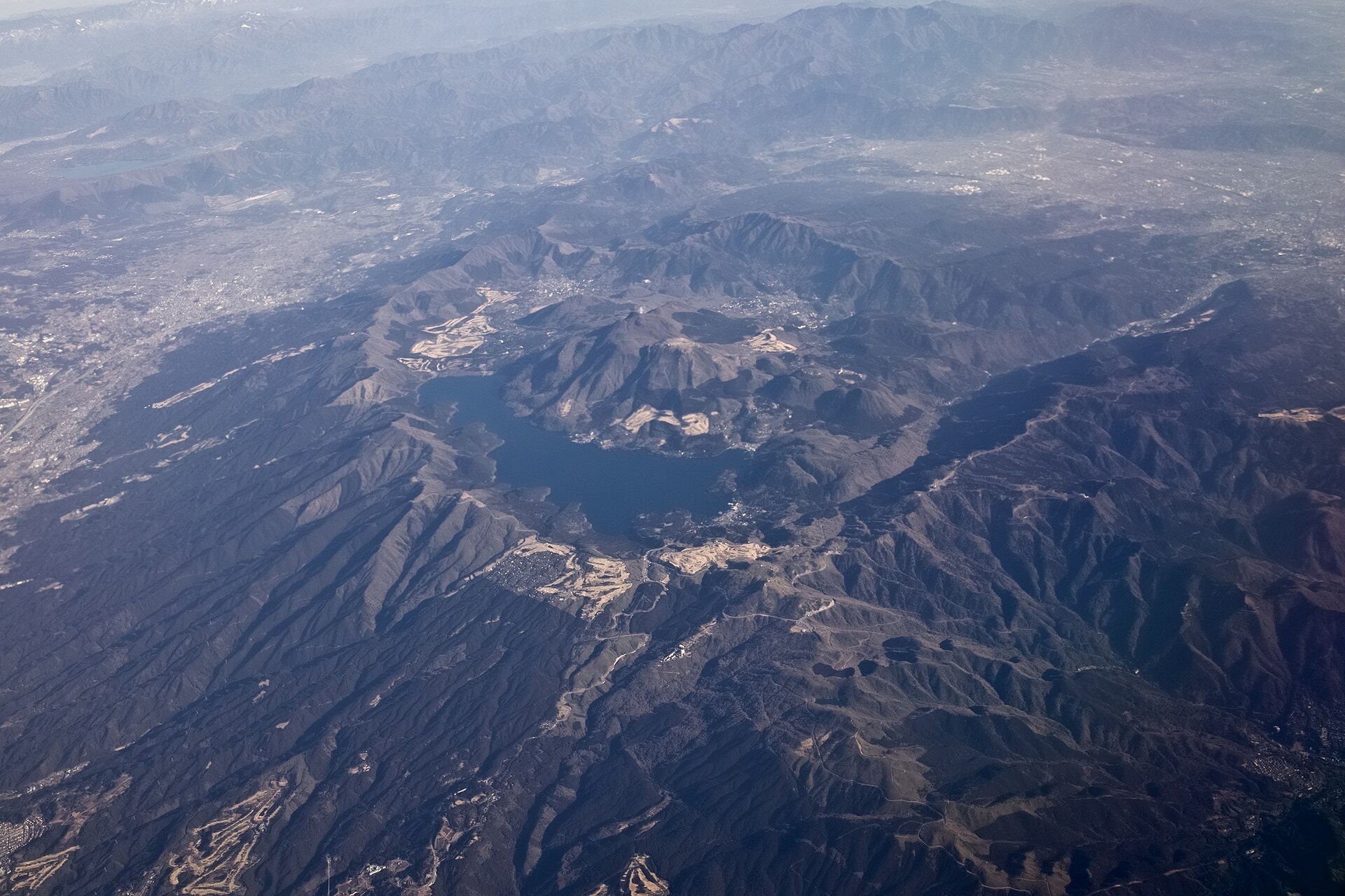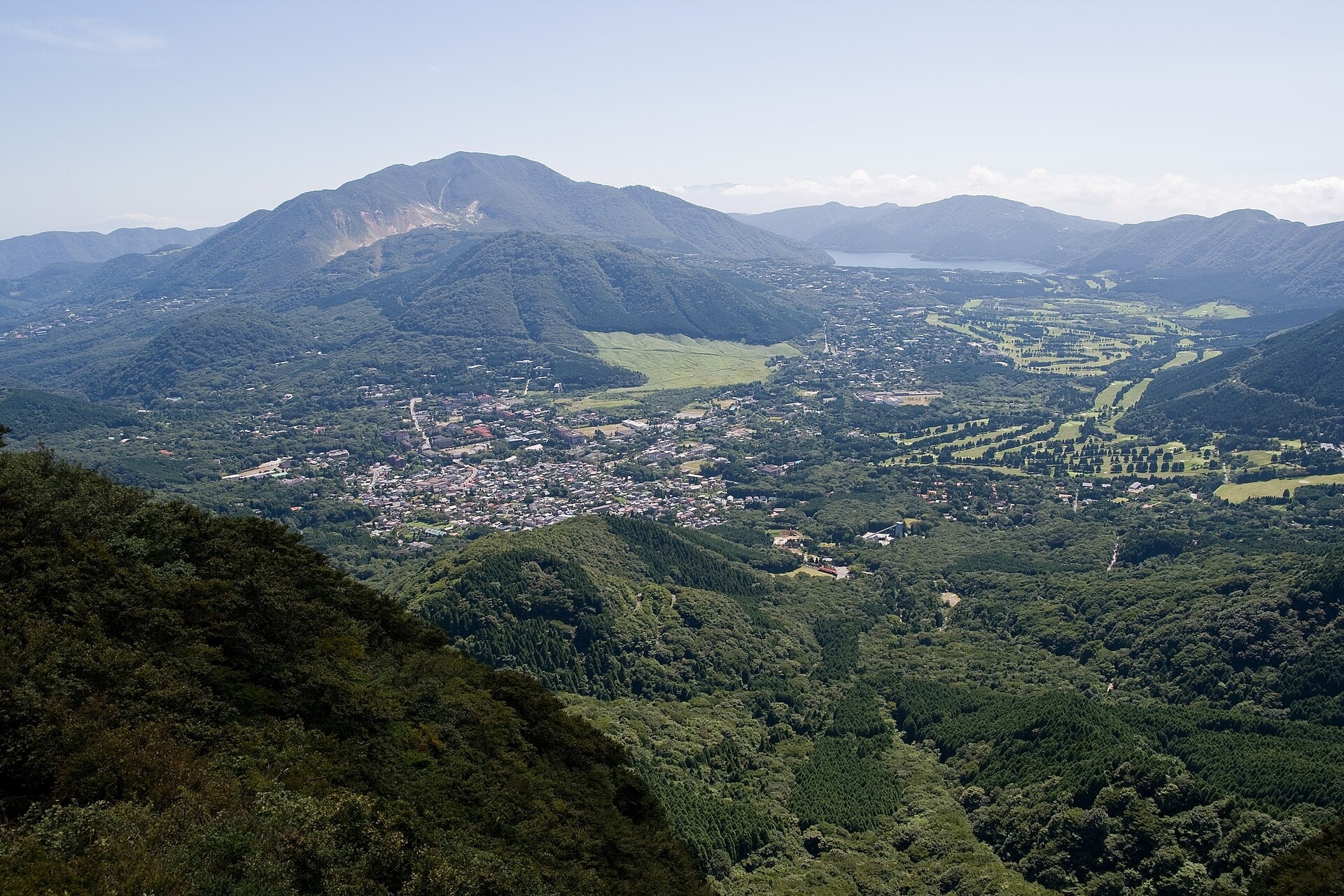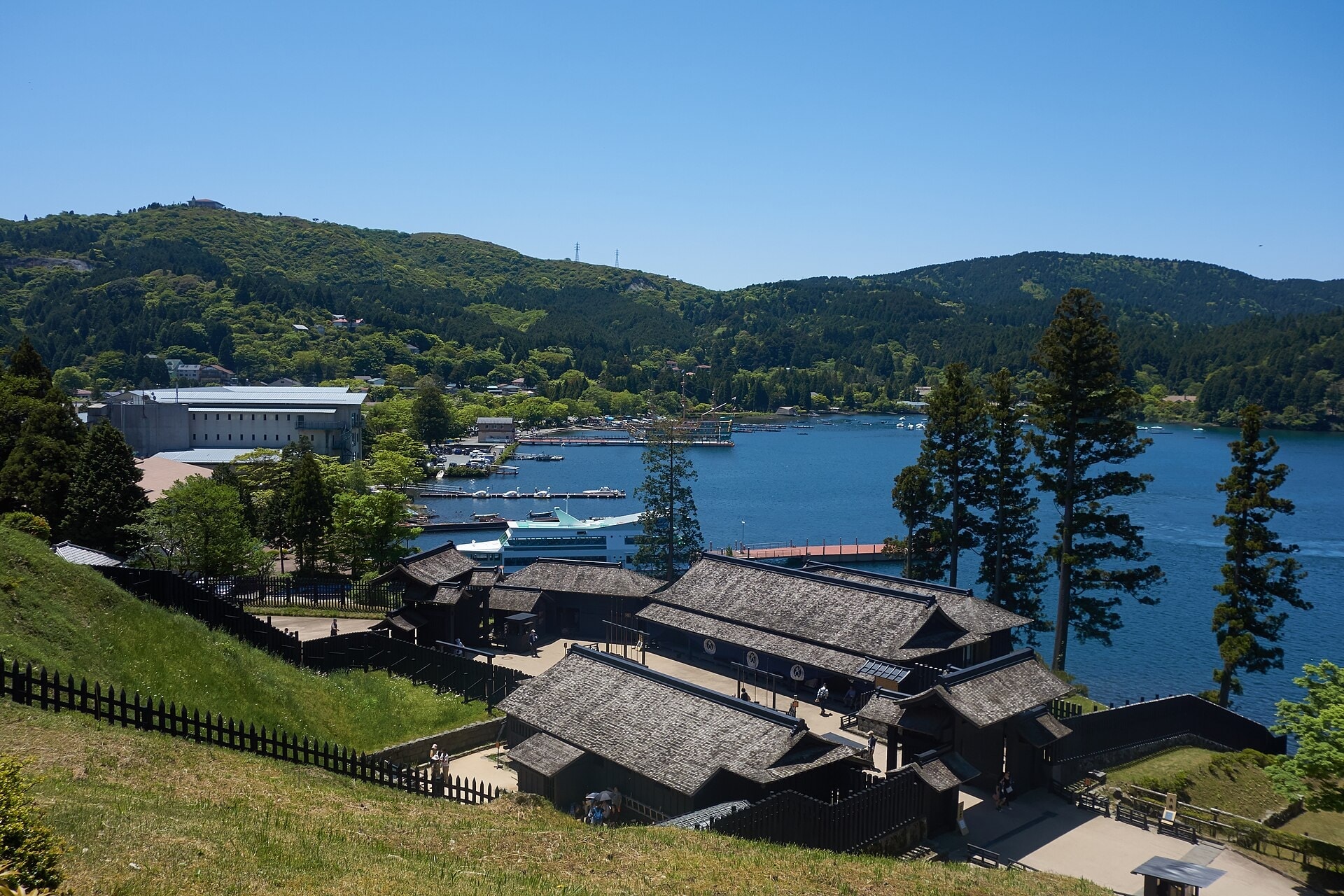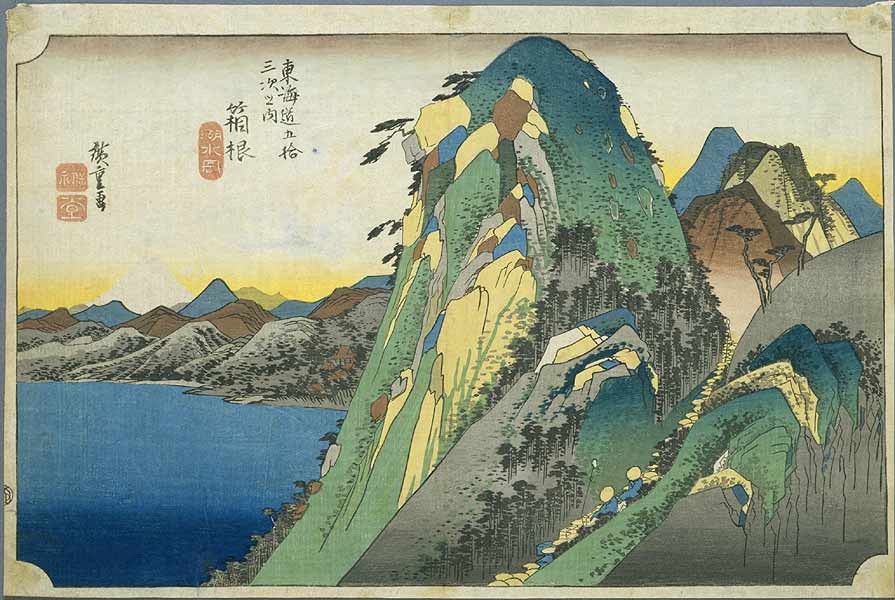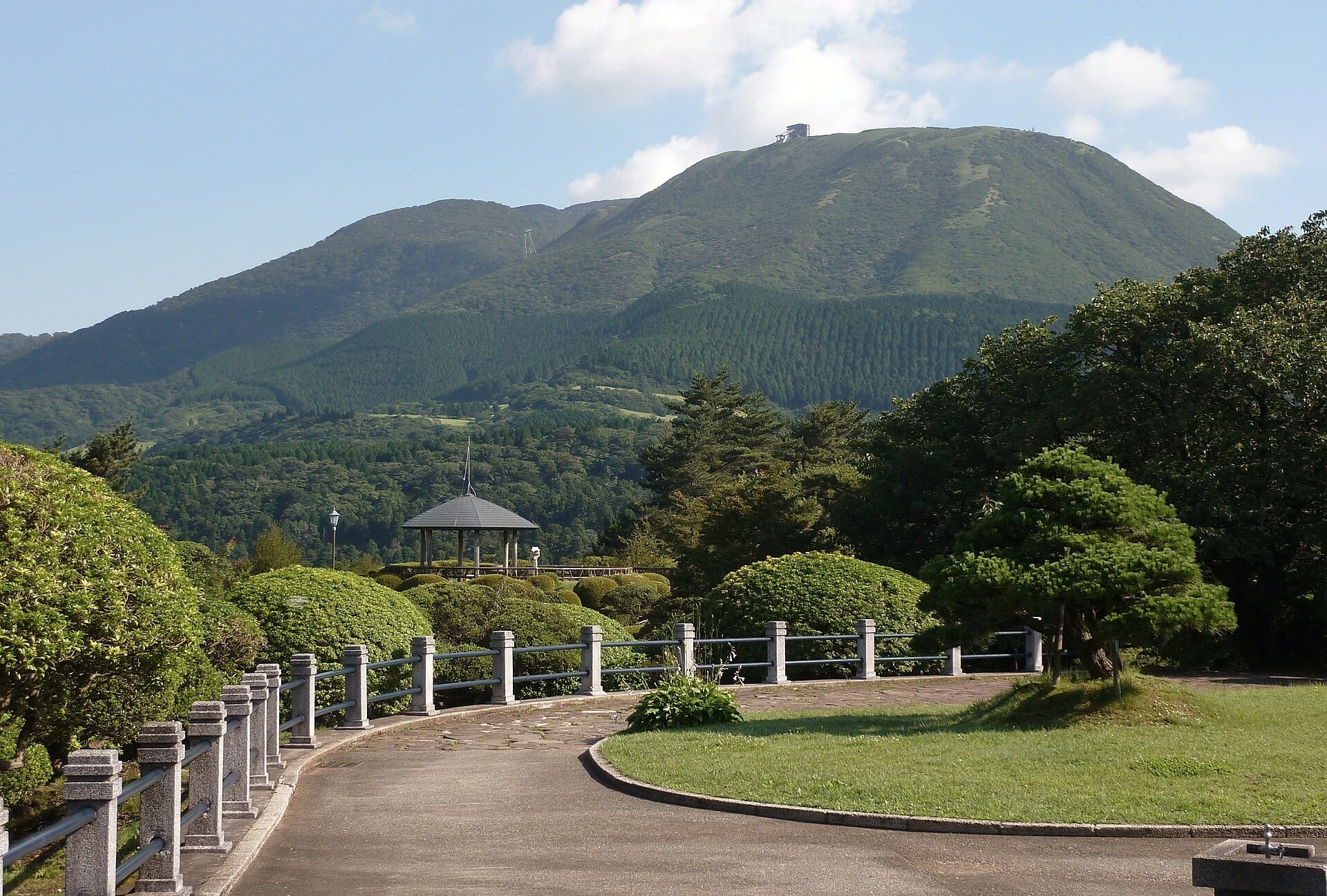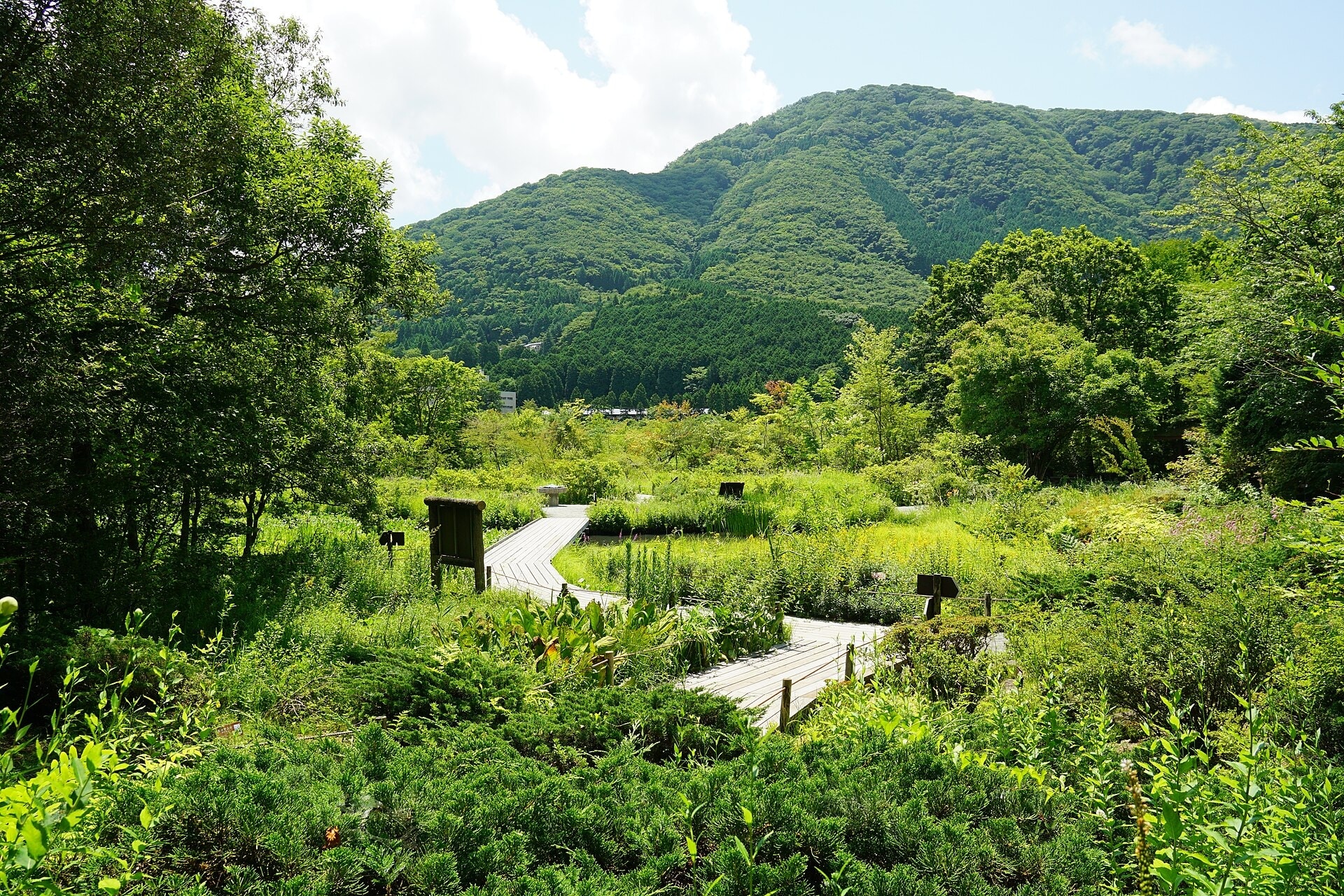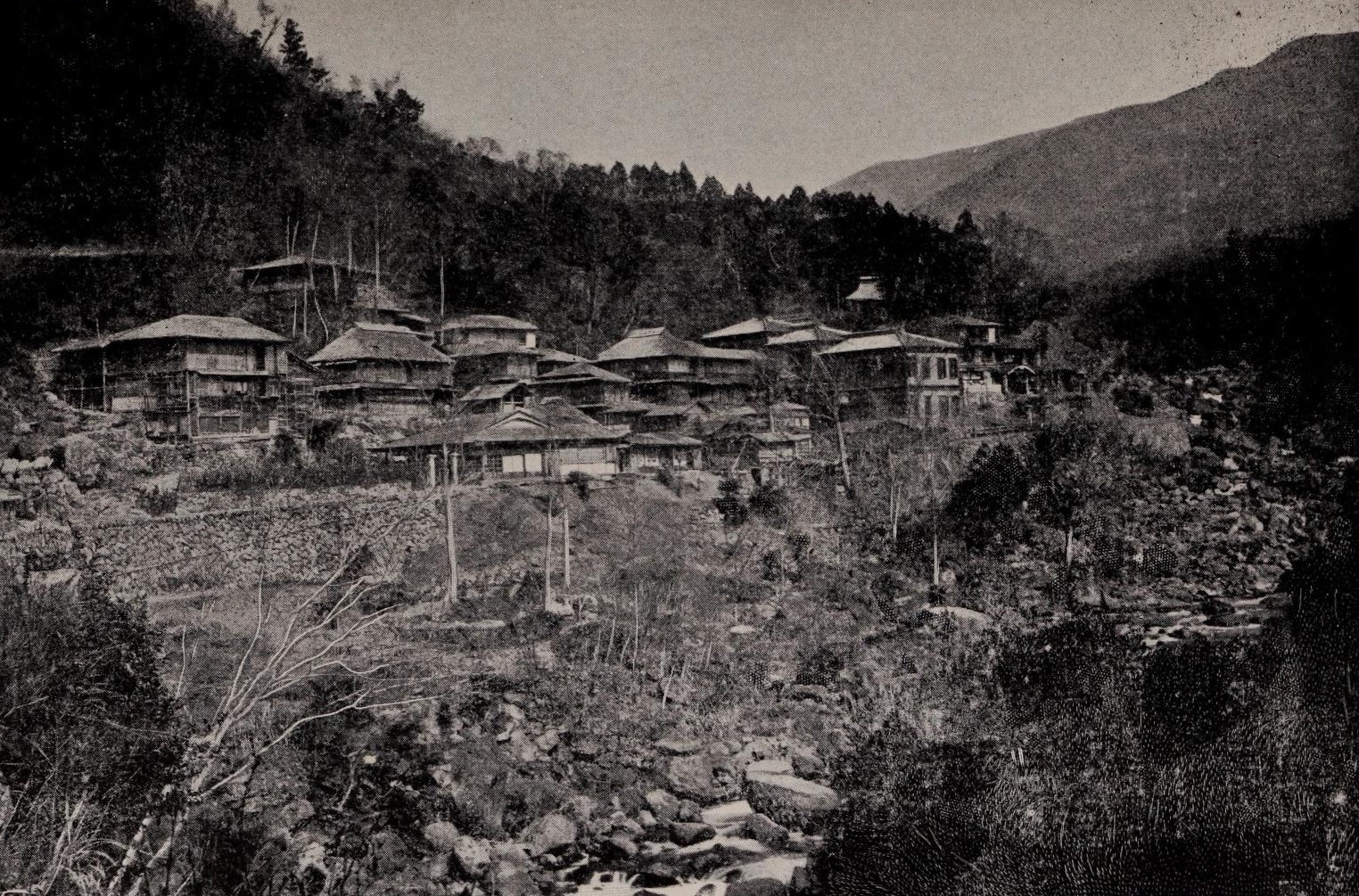
The things to do in Hakone sit inside the crater of a volcano that collapsed thousands of years ago, which is why the whole place feels enclosed. Steam still leaks out of the hillsides. Hot water runs under the towns, and it has been drawing people out of Tokyo for four hundred years, first as a checkpoint on the old road to Kyoto and now as the weekend the city gives itself. From Shinjuku the trip takes about ninety minutes.
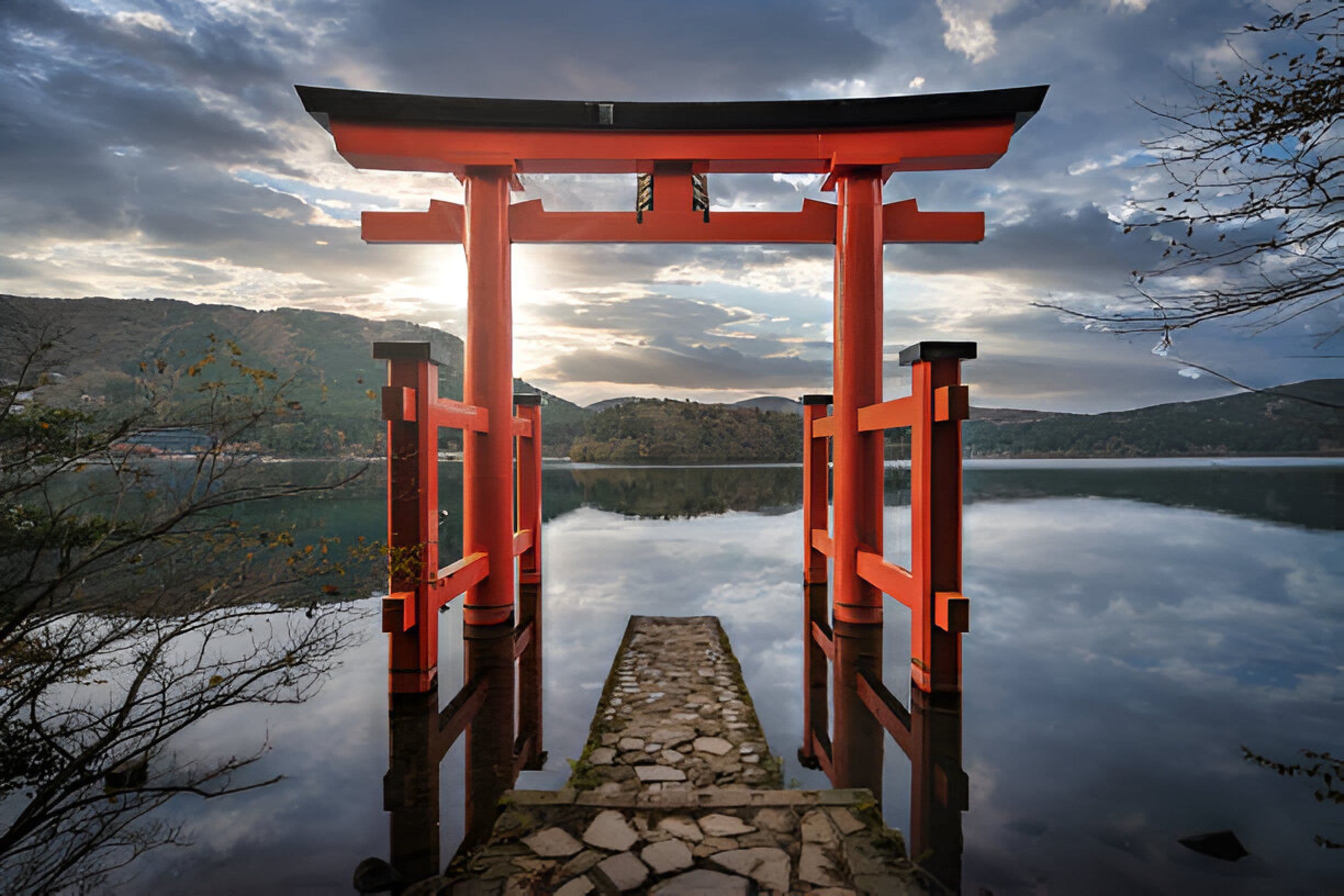
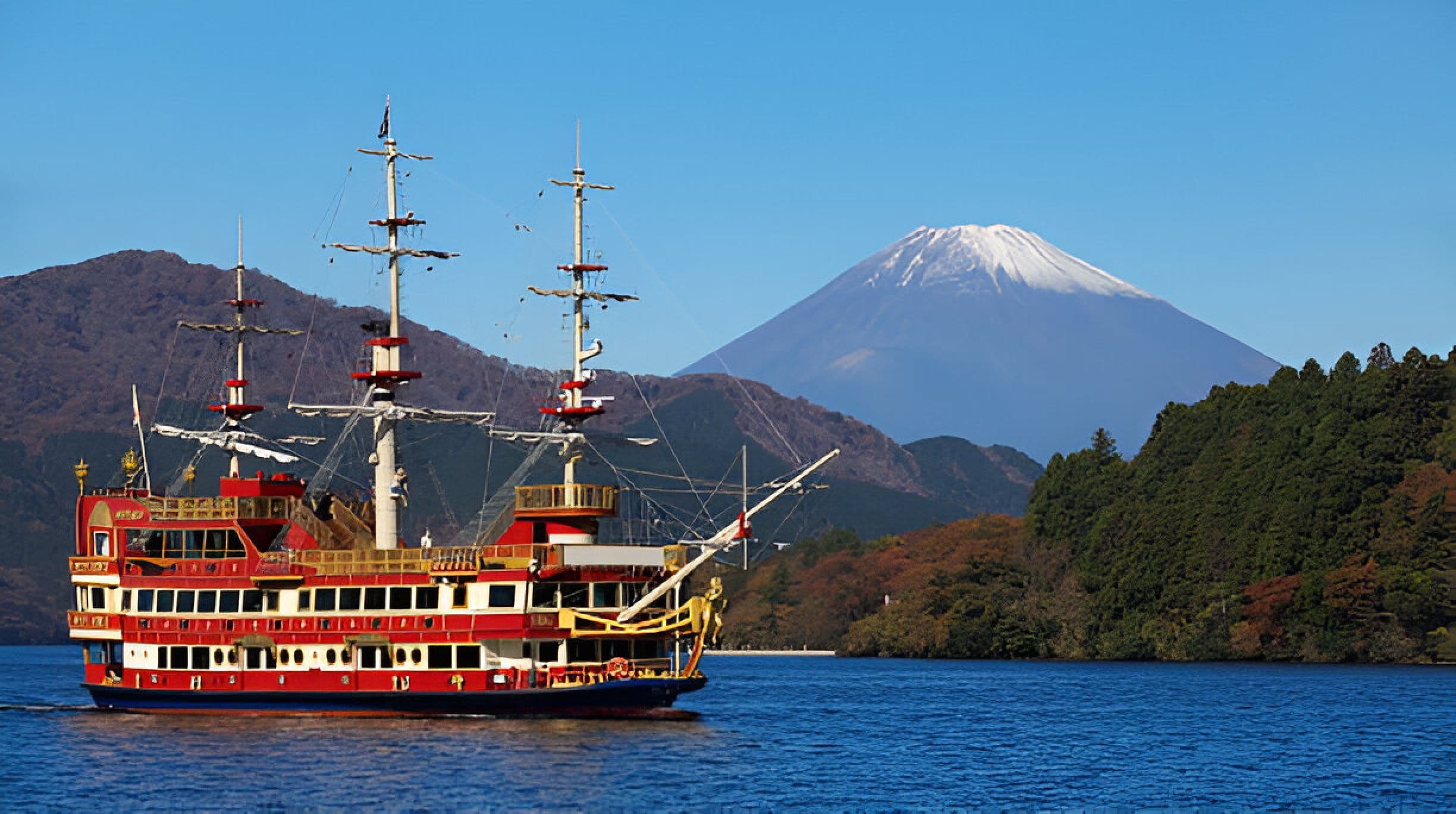
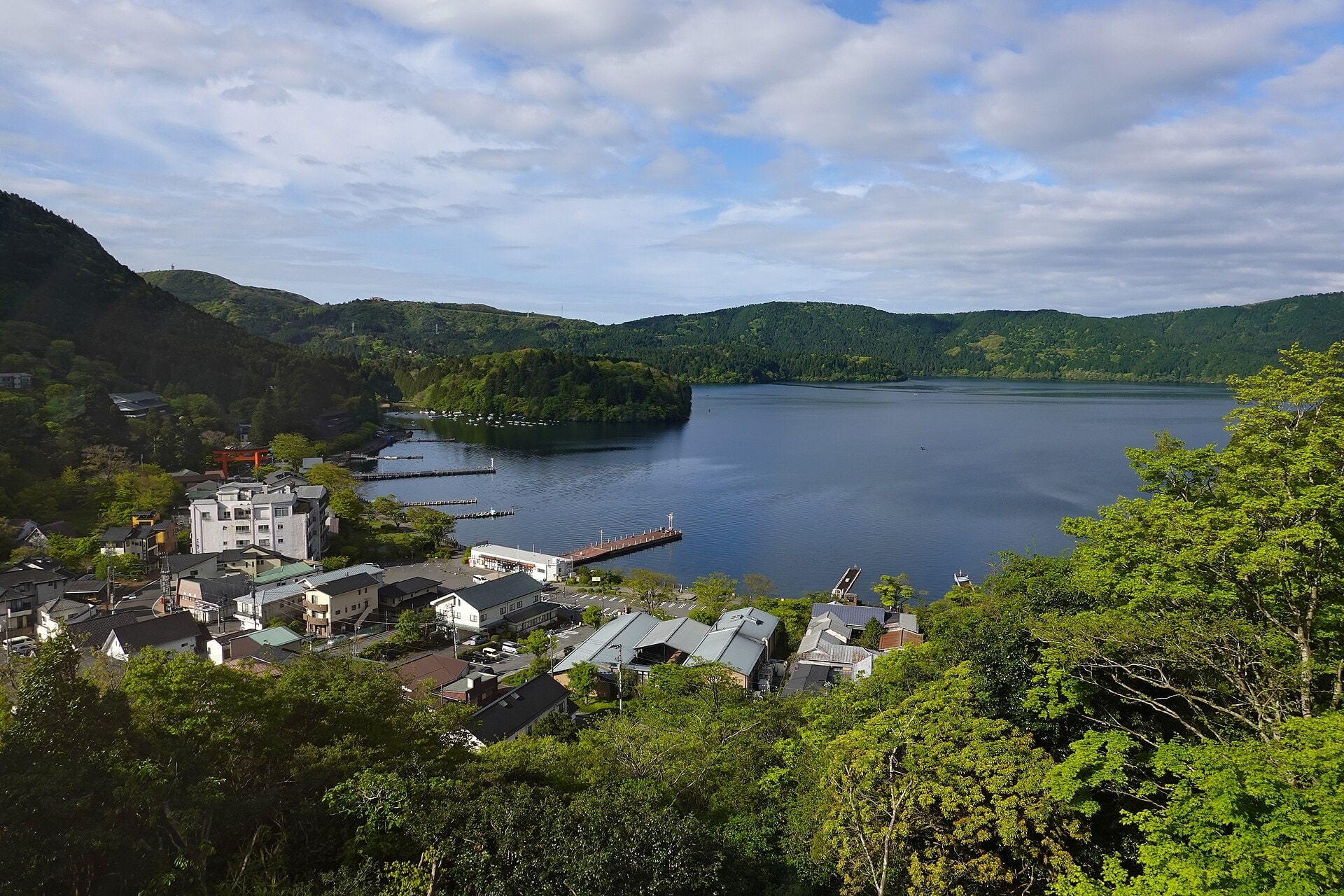
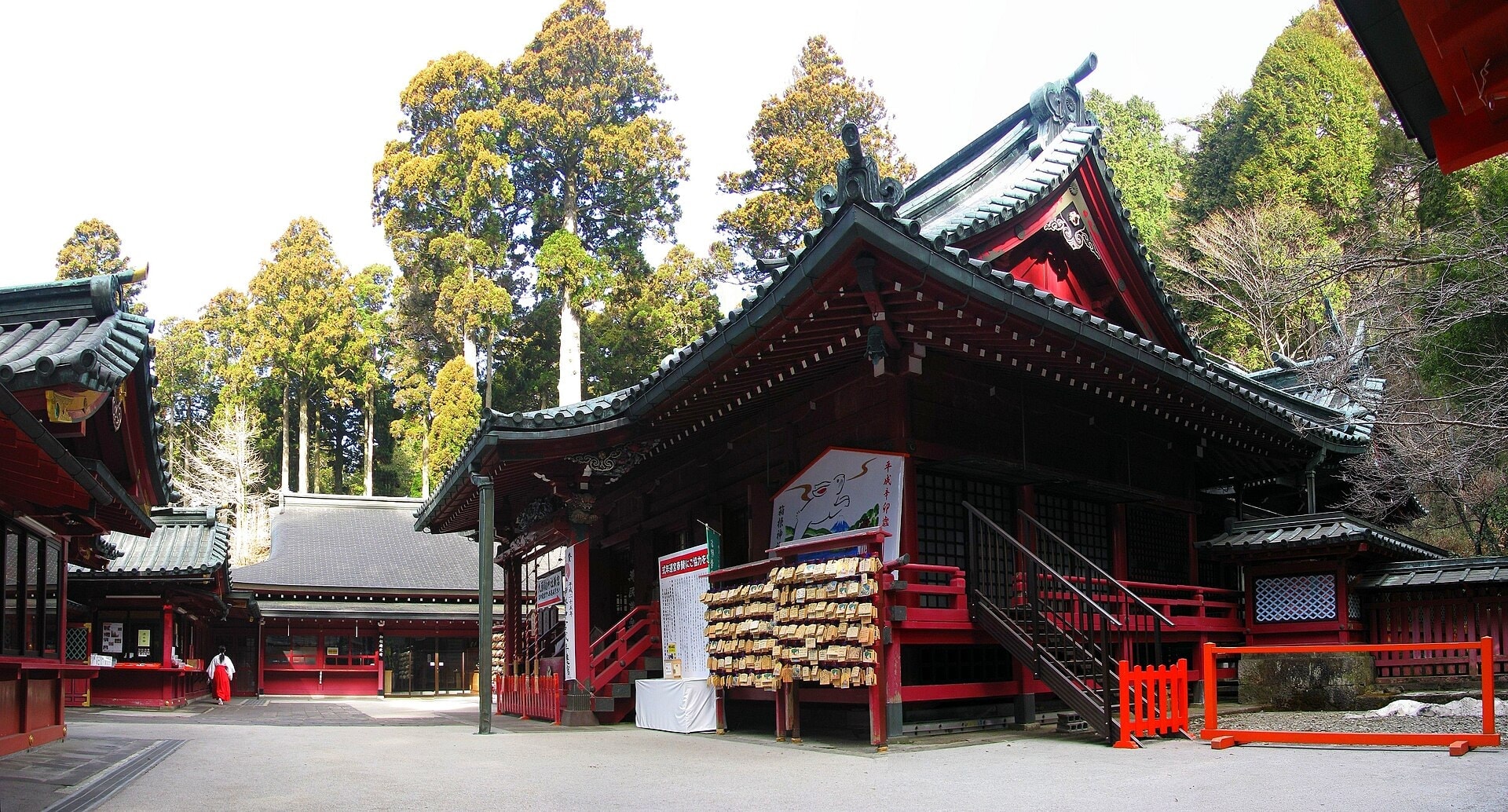
Lake Ashi fills the floor of the caldera. Sightseeing boats got up as pirate ships cross it, which sounds ridiculous and is, and the view north on a clear morning puts Mount Fuji directly behind the water. Hakone Shrine stands on the eastern shore with a vermilion torii gate planted at the tideline, reached down a path of cedar and stone lanterns. Your best odds of seeing Fuji come in winter, when the air is dry and the haze of summer has gone.
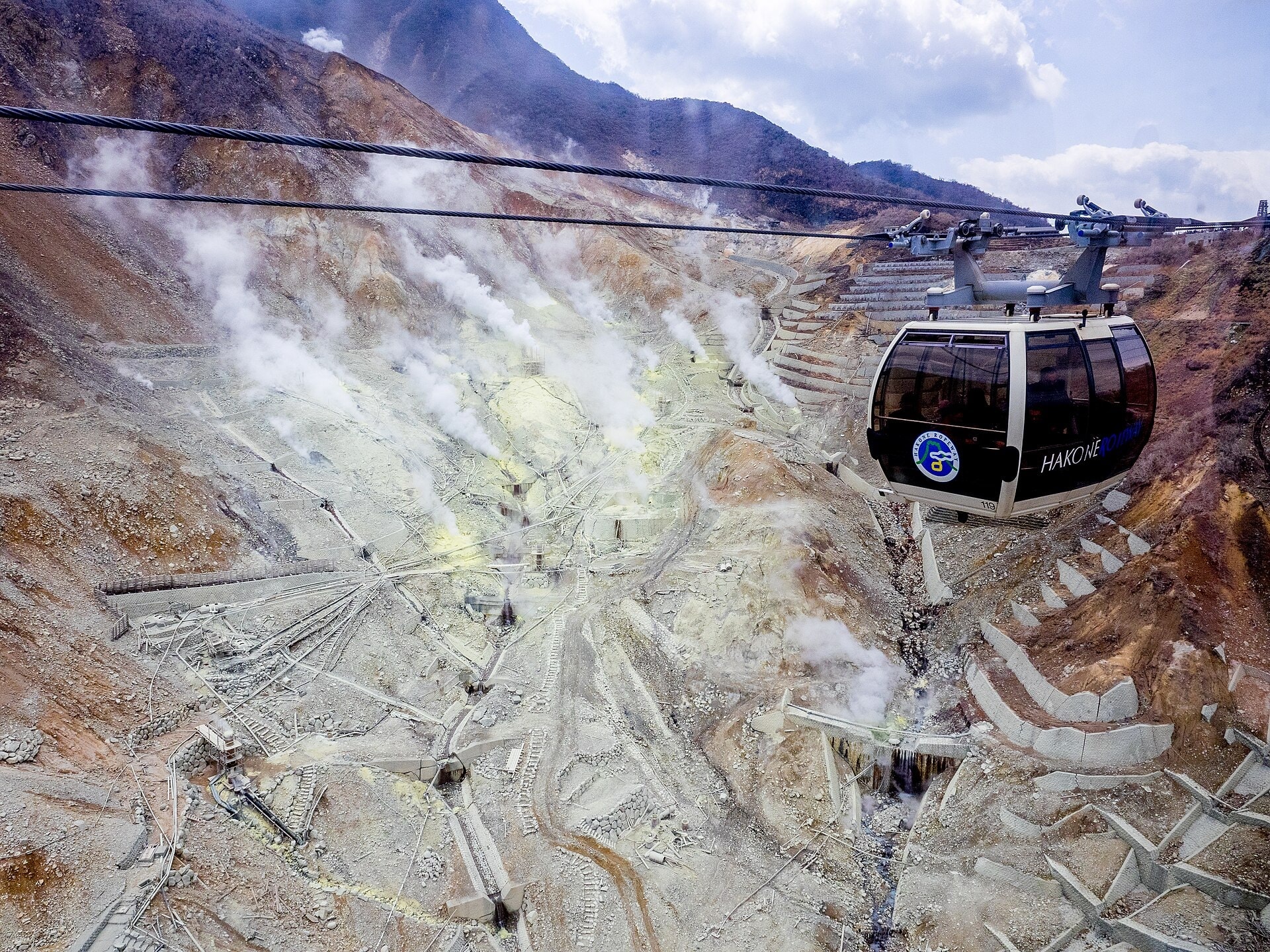
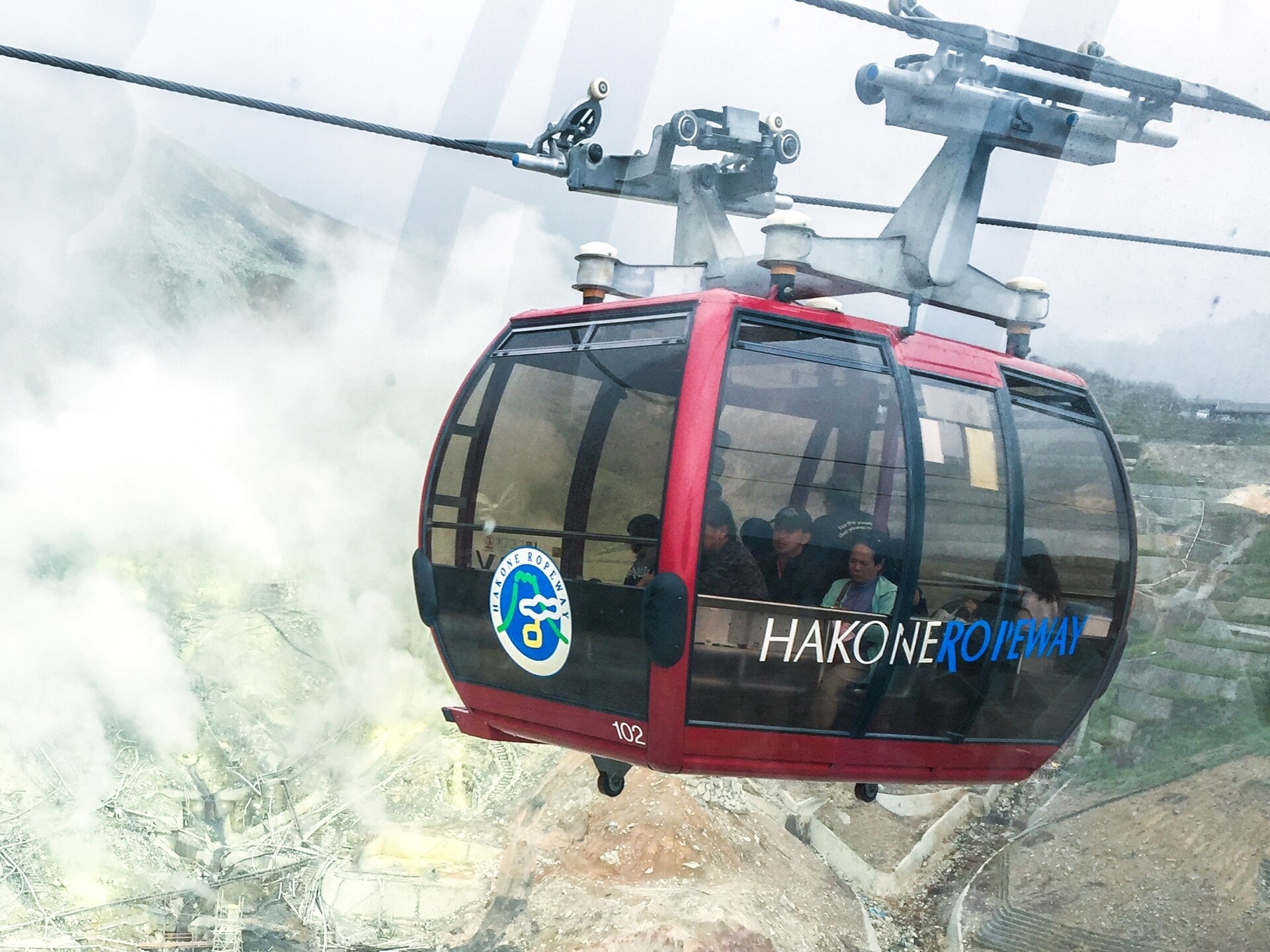
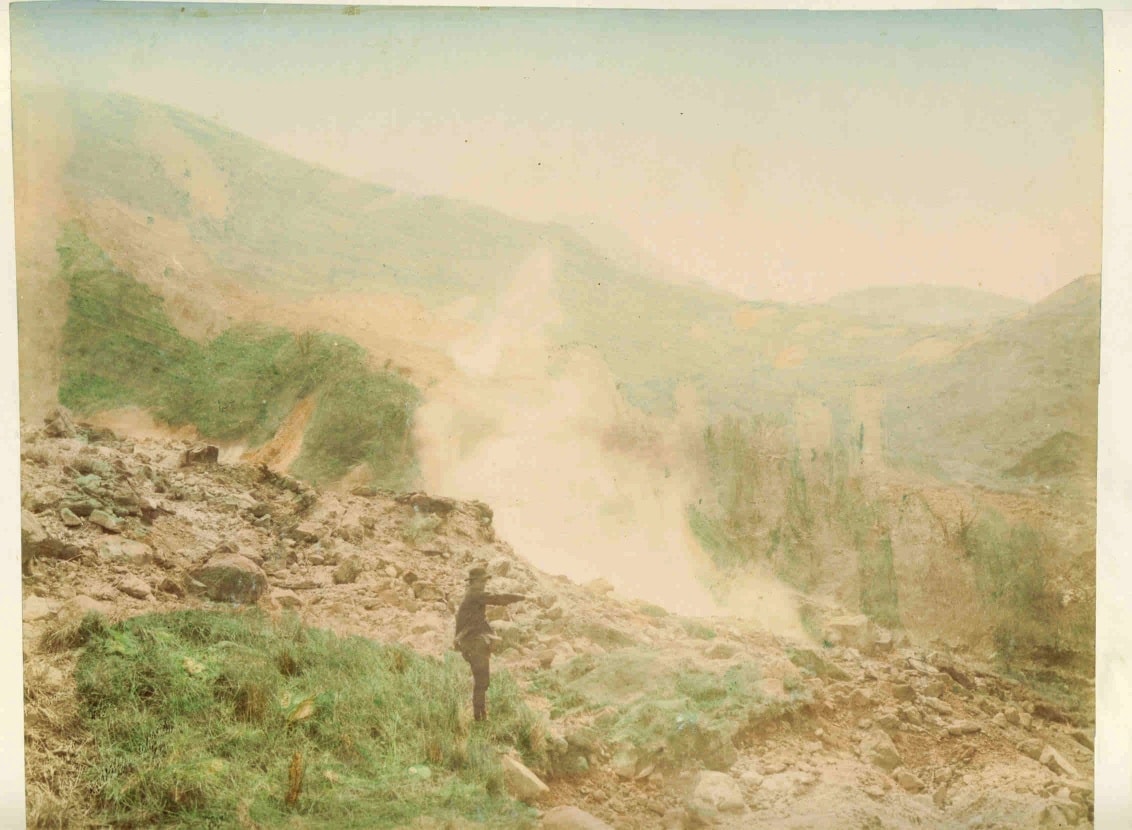
Owakudani is the other half of the landscape. The valley steams with sulphur where the ground is still active, and the ropeway crosses right over it. Vendors there sell eggs boiled in the spring water until the shells turn black, and eating one is said to add seven years to your life. The gas readings occasionally close the ropeway at short notice, so it pays to check the same morning.
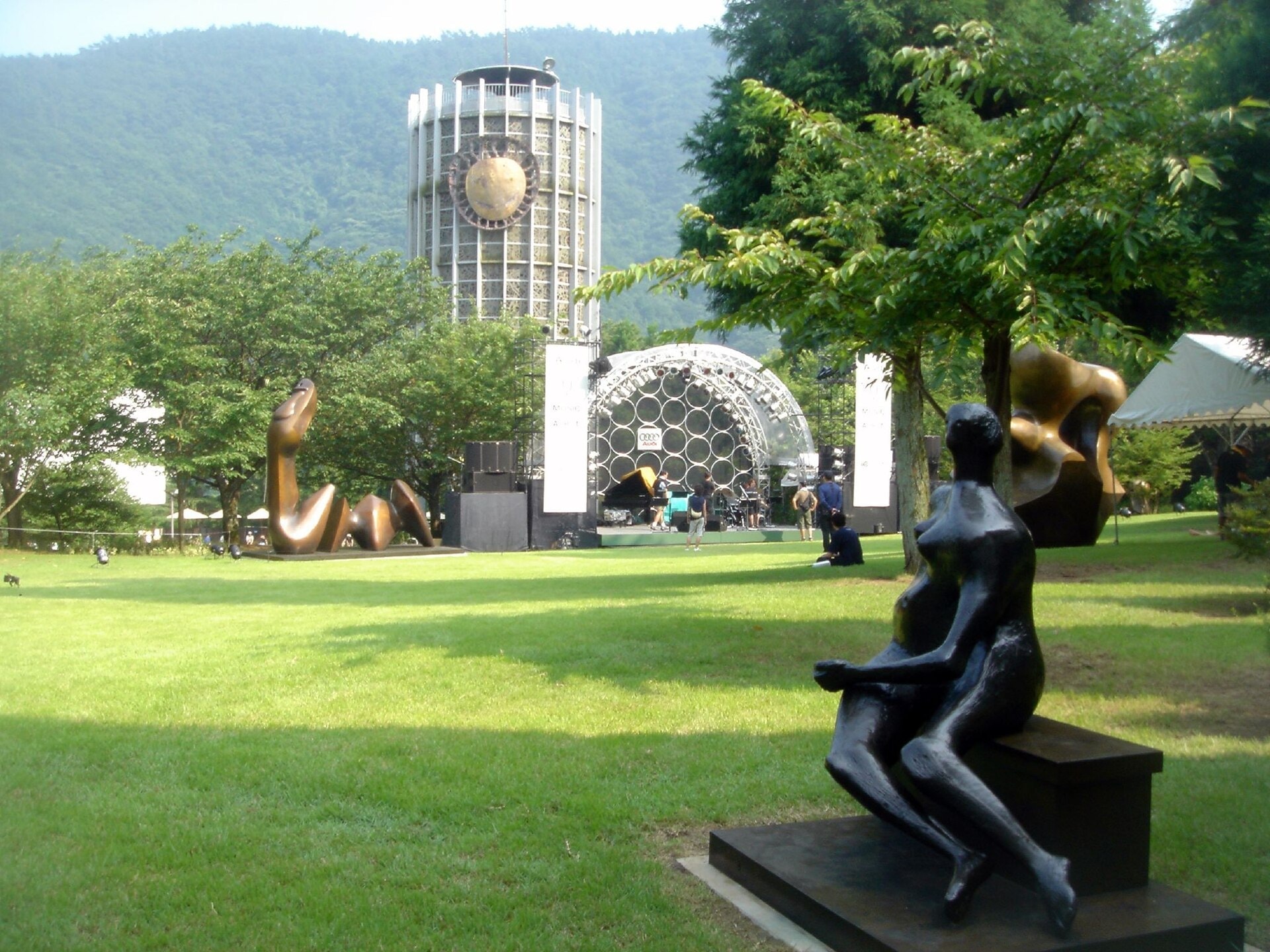
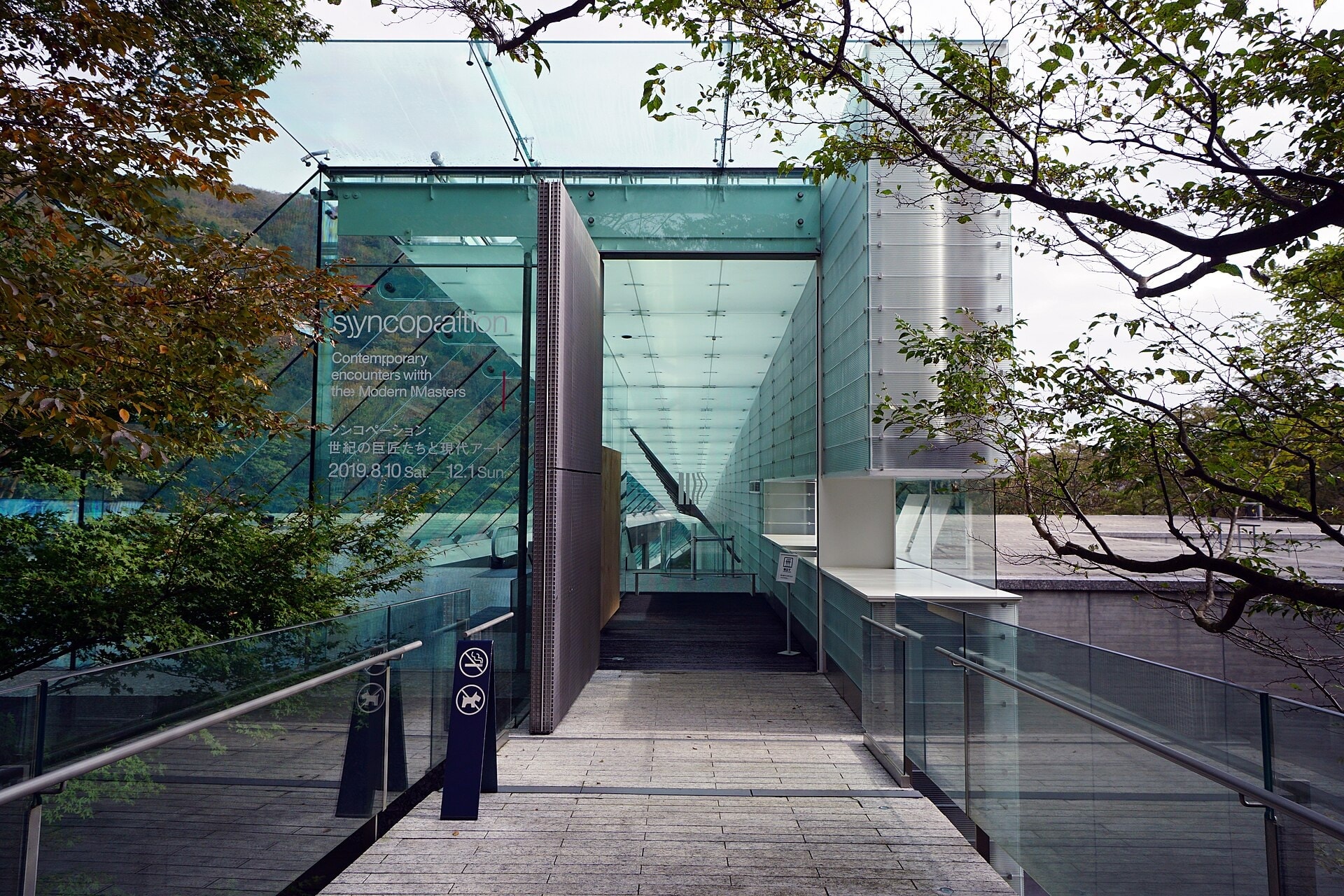
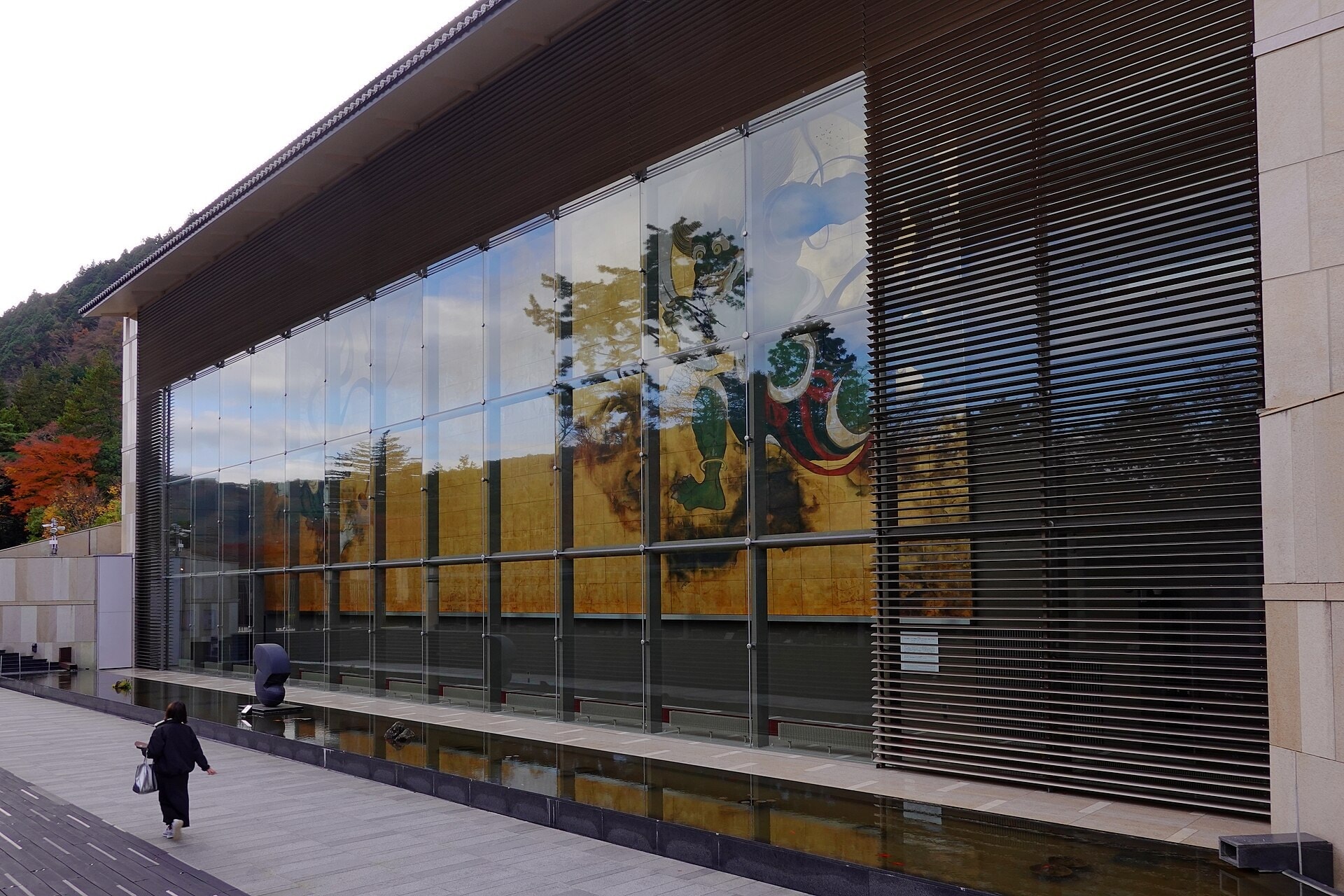
For a change of pace, the Hakone Open-Air Museum spreads modern sculpture across a hillside lawn, with a Picasso collection indoors and a stained glass tower children climb. The Pola Museum sits in the forest nearby with Impressionist paintings.
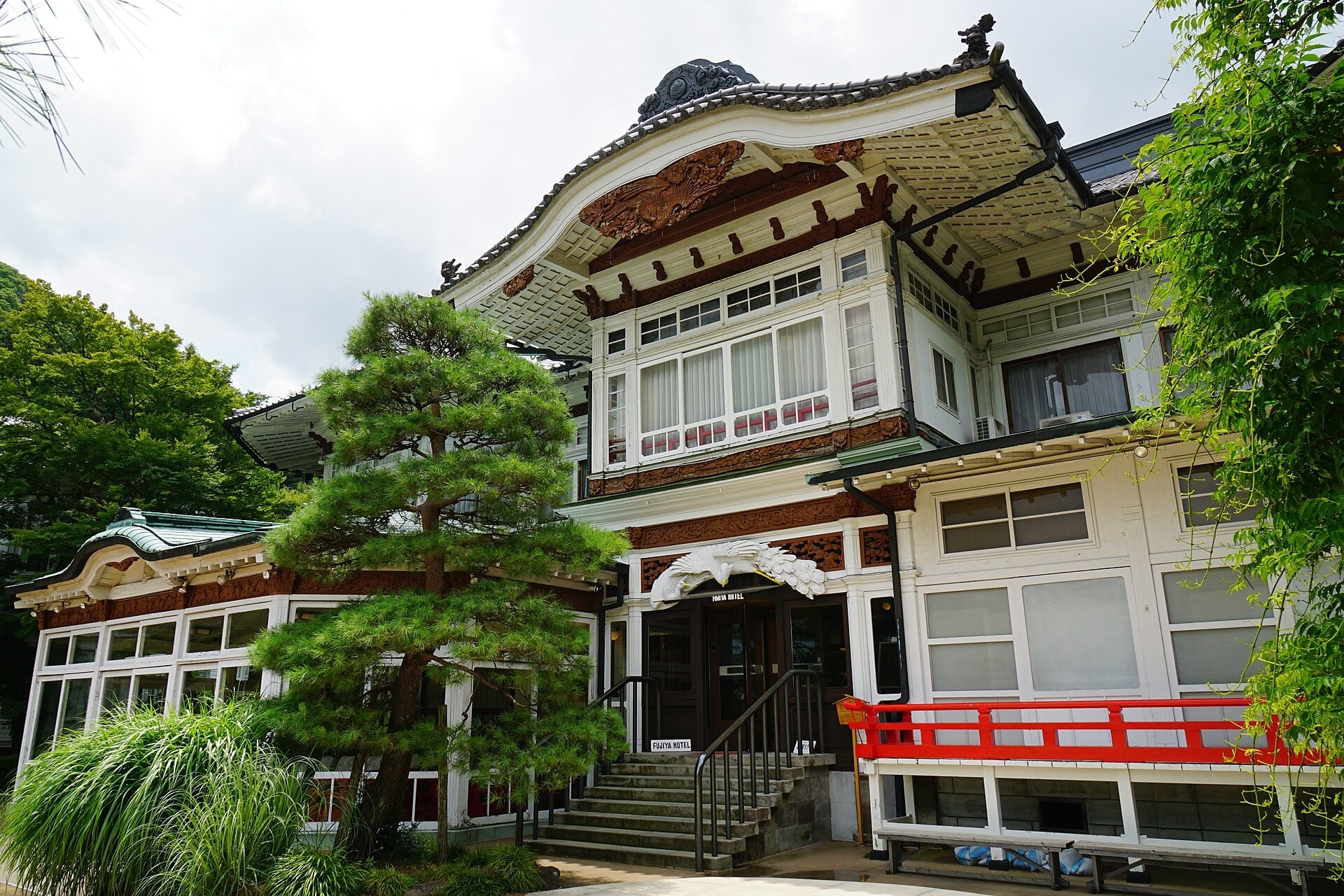
Then there is the water itself. Hakone-Yumoto, Gora and Miyanoshita are lined with ryokan and bathhouses, many of which admit day visitors for a couple of hours. Sitting in an outdoor bath with the valley in front of you is the reason a lot of people come at all.
The museums, the lake and the bathhouses sit at different points on the valley loop, and the trains and cable cars between them eat the day. Our Hakone day tour with onsen covers the same ground by car, with your bags in the vehicle instead of a locker.
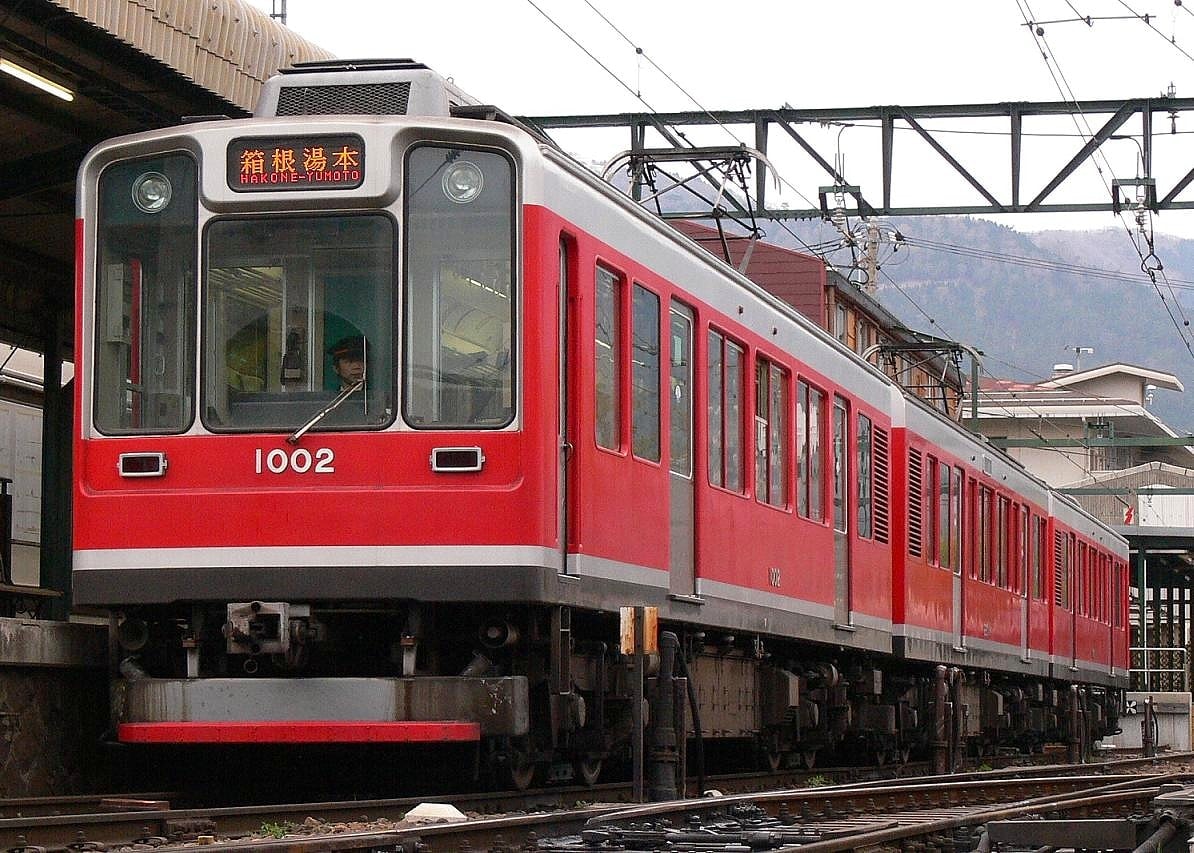
Things to do in Hakone follow a loop. Most visitors ride the mountain railway up to Gora, take the cable car and ropeway over Owakudani, then cross Lake Ashi by boat and return by bus. Along the way sit the Open-Air Museum, Hakone Shrine and the hot spring towns. The full circuit takes a day on public transport, or half that by car.
The things to do in Hakone sit inside the crater of a volcano that collapsed thousands of years ago, which is why the whole place feels enclosed. Steam still leaks out of the hillsides. Hot water runs under the towns, and it has been drawing people out of Tokyo for four hundred years, first as a checkpoint on the old road to Kyoto and now as the weekend the city gives itself. From Shinjuku the trip takes about ninety minutes.
Lake Ashi fills the floor of the caldera. Sightseeing boats got up as pirate ships cross it, which sounds ridiculous and is, and the view north on a clear morning puts Mount Fuji directly behind the water. Hakone Shrine stands on the eastern shore with a vermilion torii gate planted at the tideline, reached down a path of cedar and stone lanterns. Your best odds of seeing Fuji come in winter, when the air is dry and the haze of summer has gone.
Owakudani is the other half of the landscape. The valley steams with sulphur where the ground is still active, and the ropeway crosses right over it. Vendors there sell eggs boiled in the spring water until the shells turn black, and eating one is said to add seven years to your life. The gas readings occasionally close the ropeway at short notice, so it pays to check the same morning.
For a change of pace, the Hakone Open-Air Museum spreads modern sculpture across a hillside lawn, with a Picasso collection indoors and a stained glass tower children climb. The Pola Museum sits in the forest nearby with Impressionist paintings.
Then there is the water itself. Hakone-Yumoto, Gora and Miyanoshita are lined with ryokan and bathhouses, many of which admit day visitors for a couple of hours. Sitting in an outdoor bath with the valley in front of you is the reason a lot of people come at all.
The museums, the lake and the bathhouses sit at different points on the valley loop, and the trains and cable cars between them eat the day. Our Hakone day tour with onsen covers the same ground by car, with your bags in the vehicle instead of a locker.
Things to do in Hakone follow a loop. Most visitors ride the mountain railway up to Gora, take the cable car and ropeway over Owakudani, then cross Lake Ashi by boat and return by bus. Along the way sit the Open-Air Museum, Hakone Shrine and the hot spring towns. The full circuit takes a day on public transport, or half that by car.