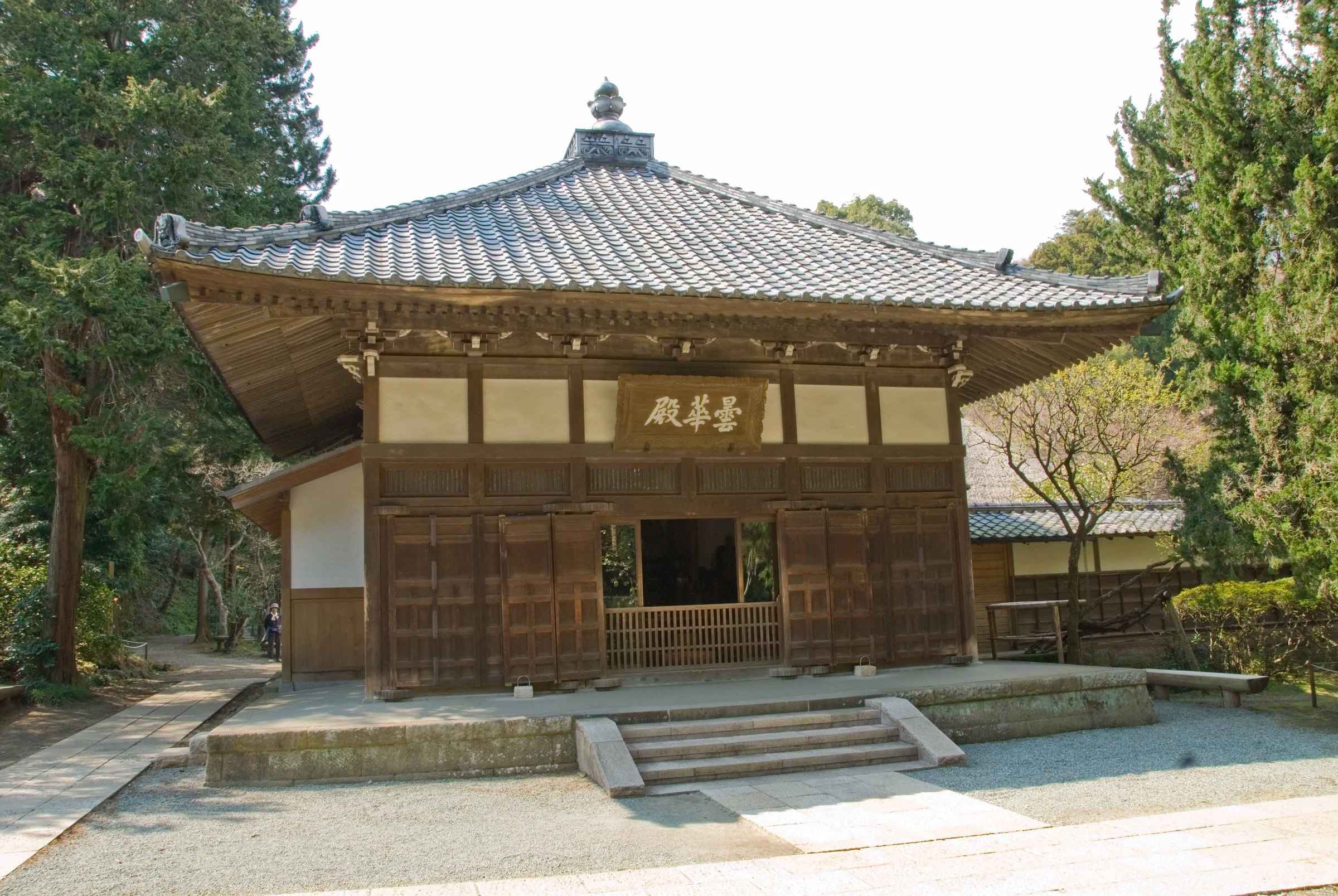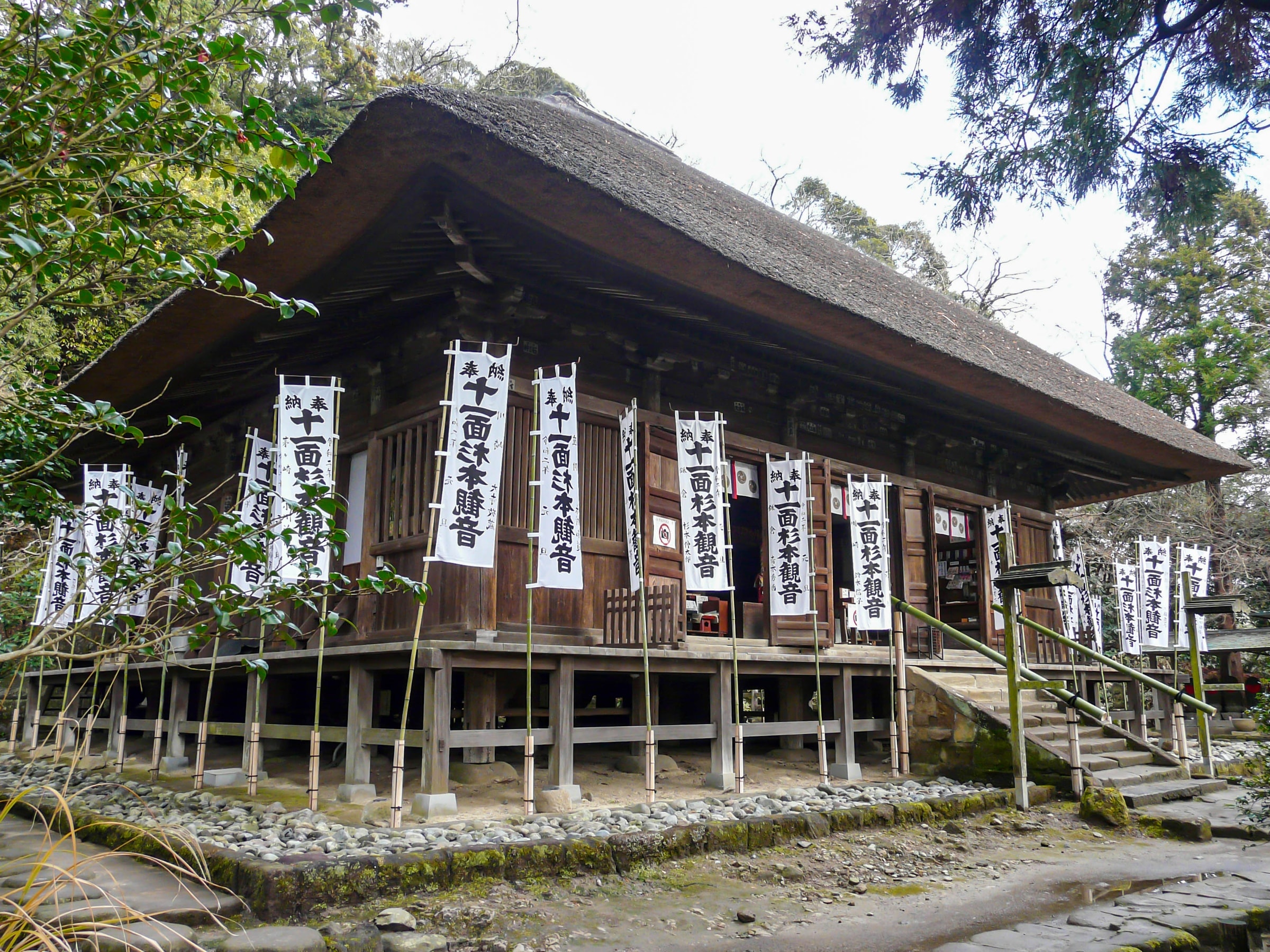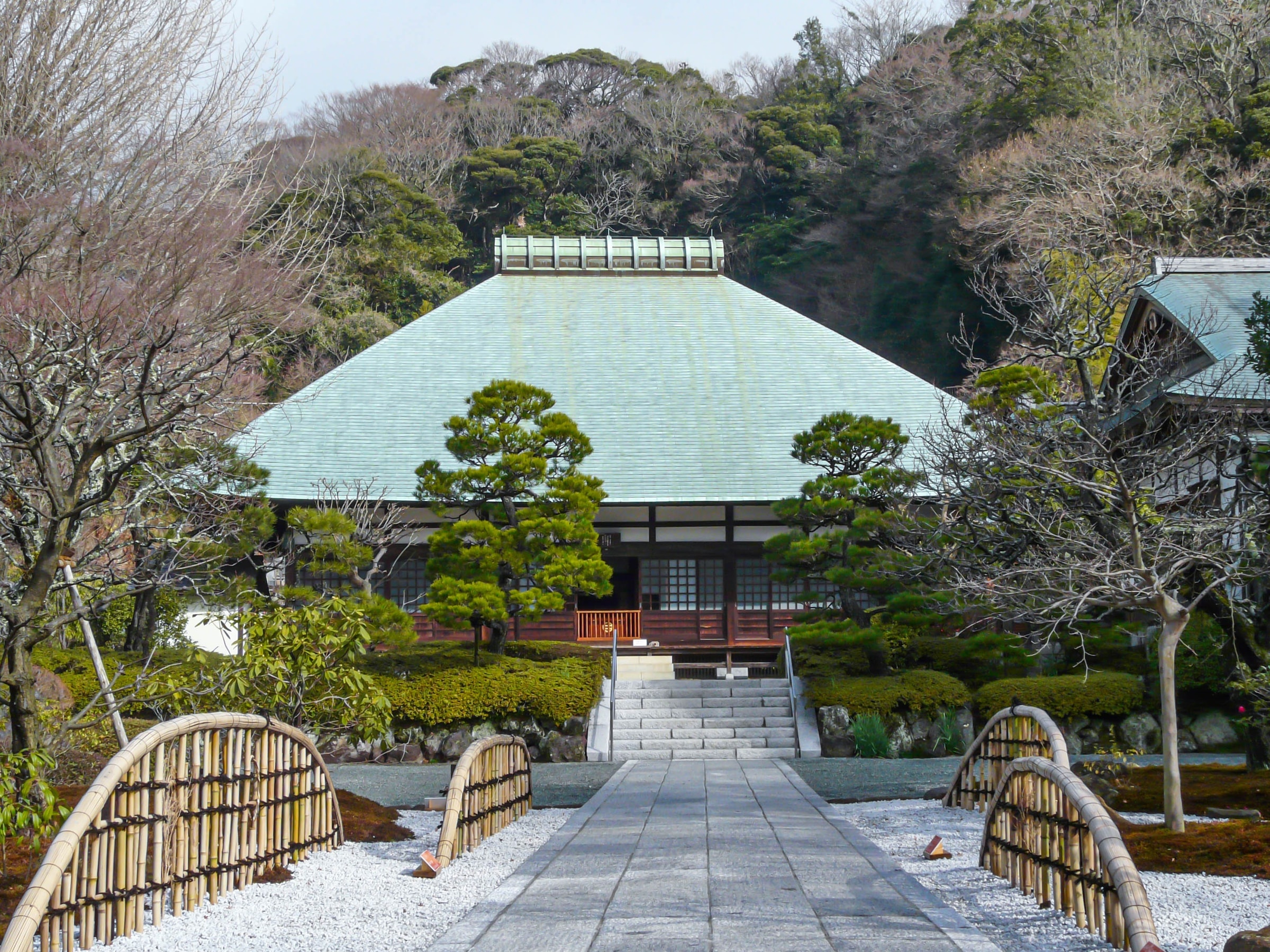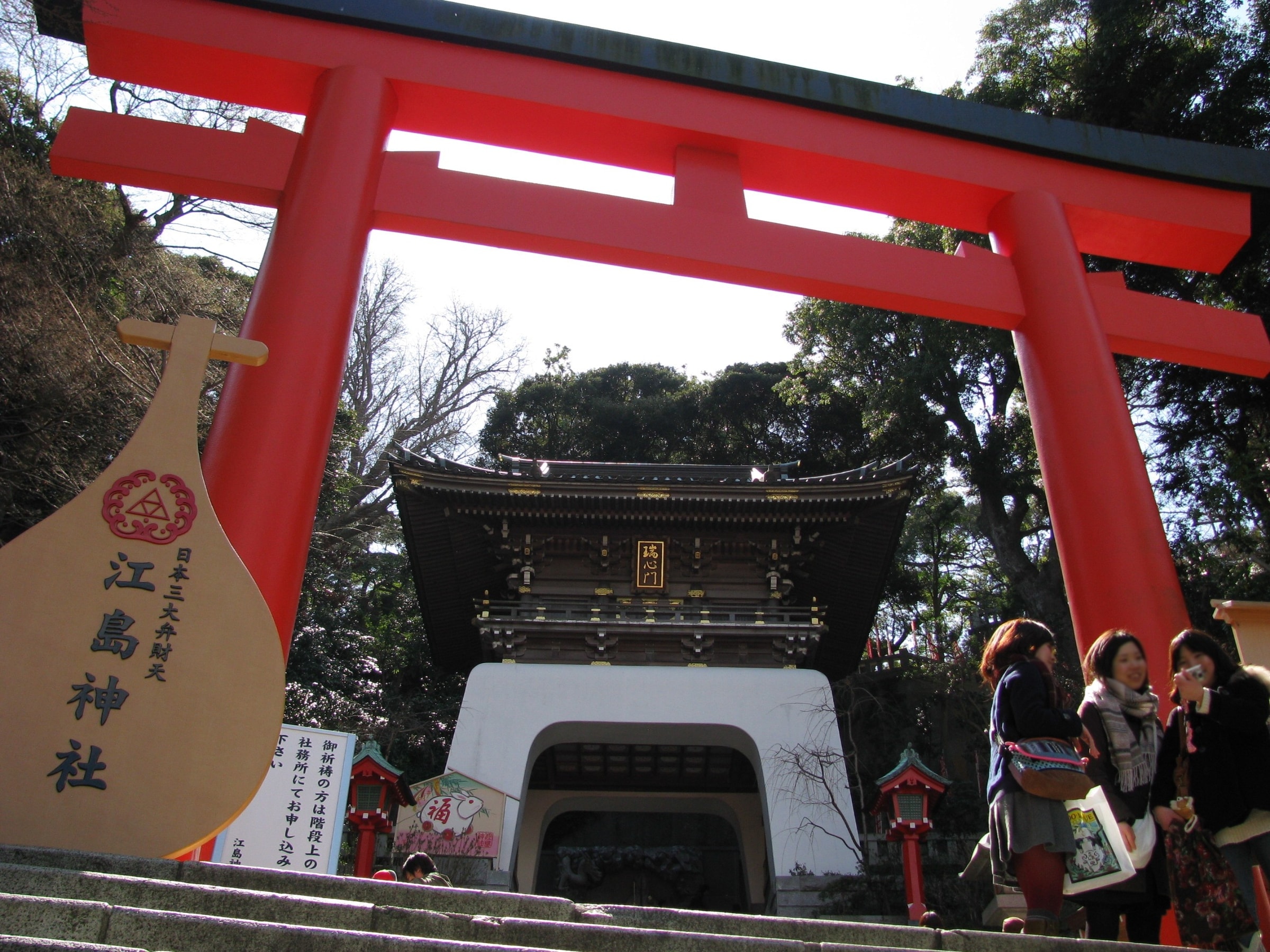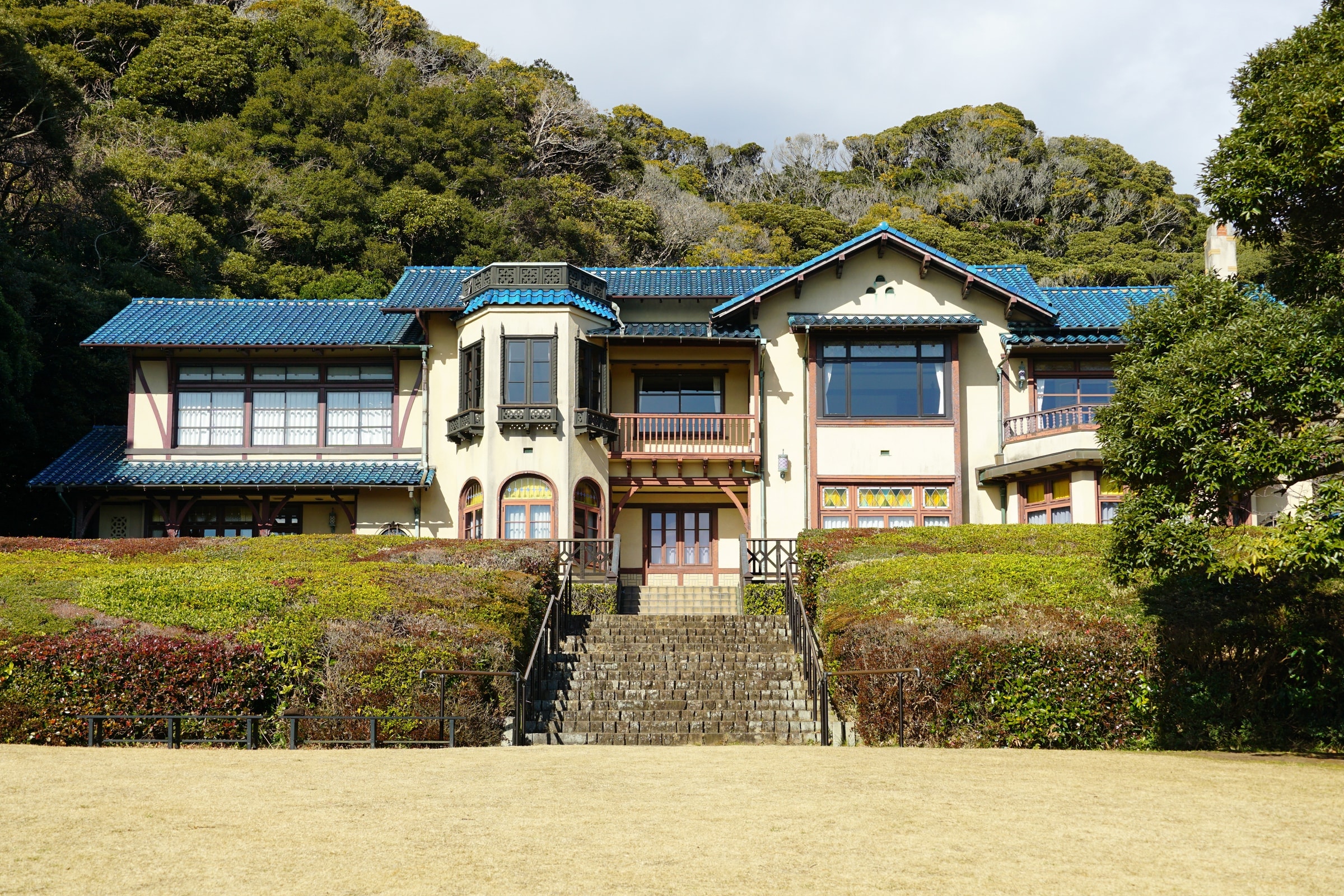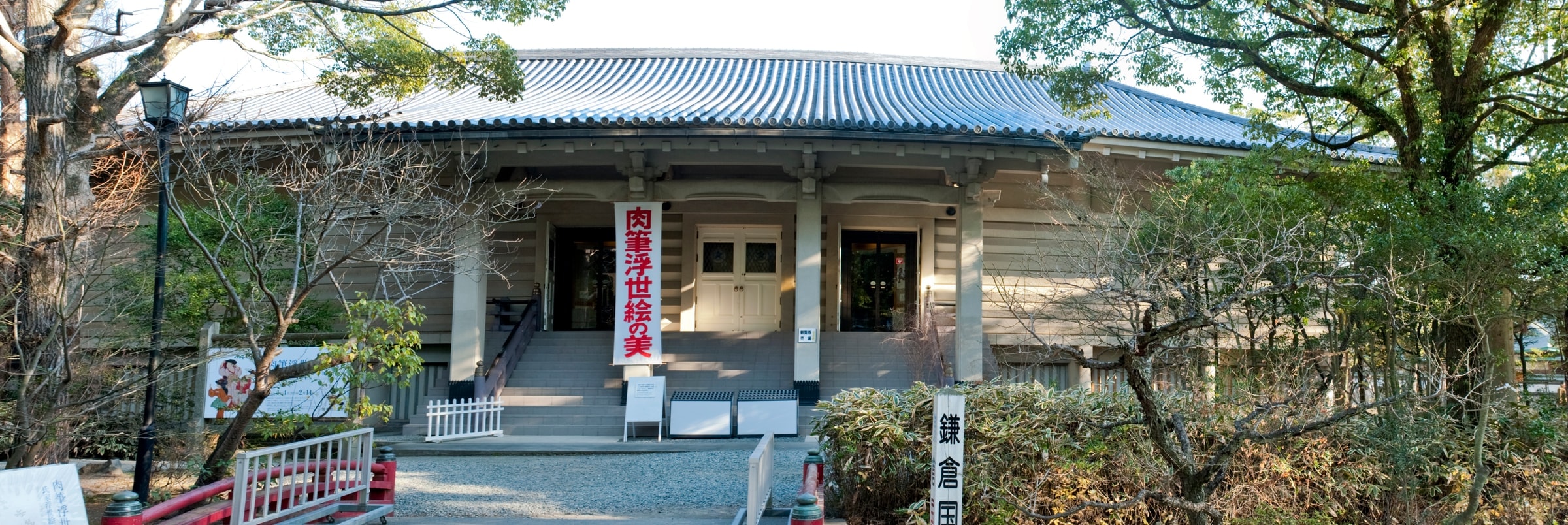
Kamakura was the political centre of Japan for nearly 150 years, and the town never really let that go. Most things to do in Kamakura are small in scale and heavy in history. You get wooden halls that survived fires and earthquakes, mossy stairways cut into the hills, and a bronze Buddha that has sat in the open air since a tsunami took his hall away in 1498.
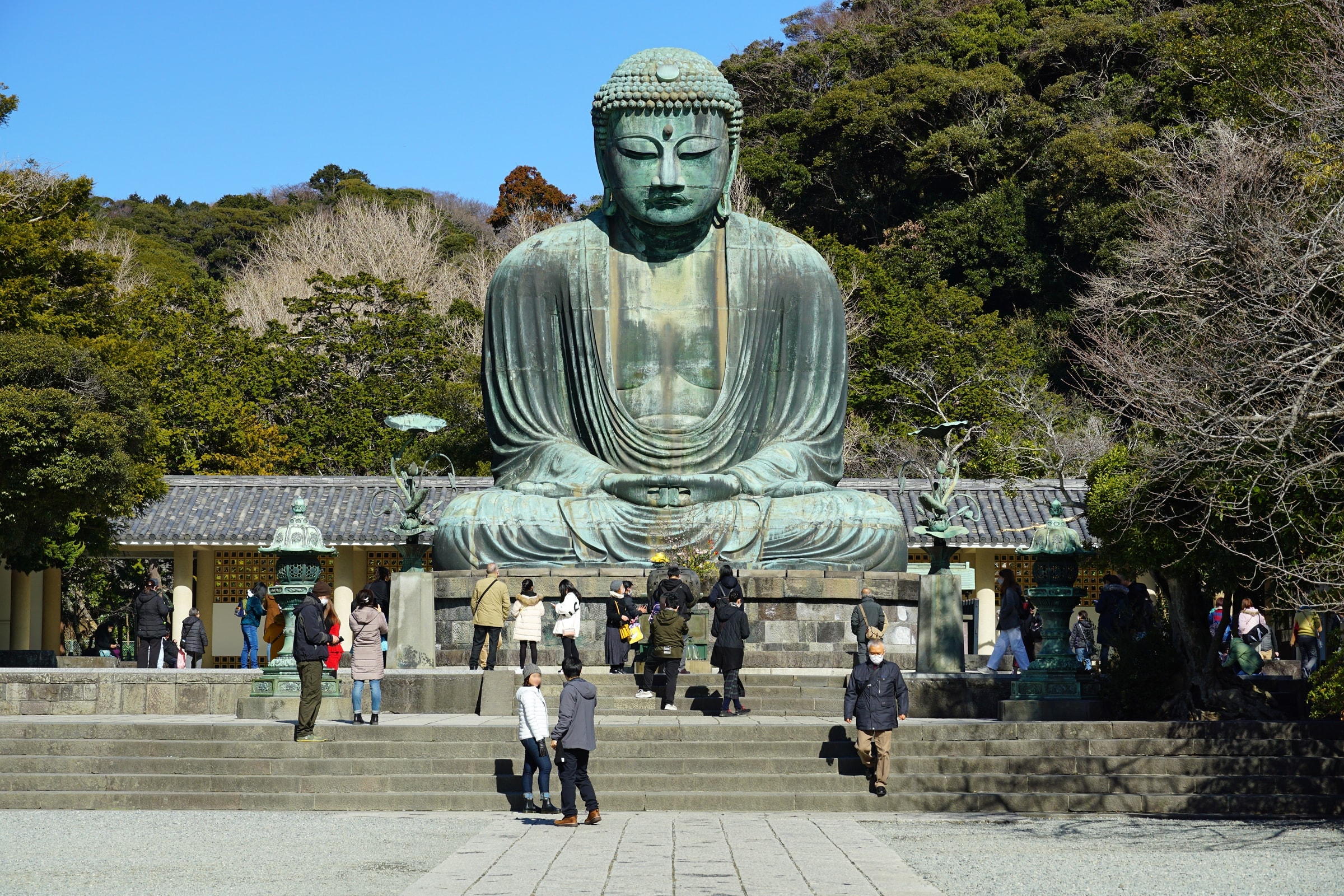
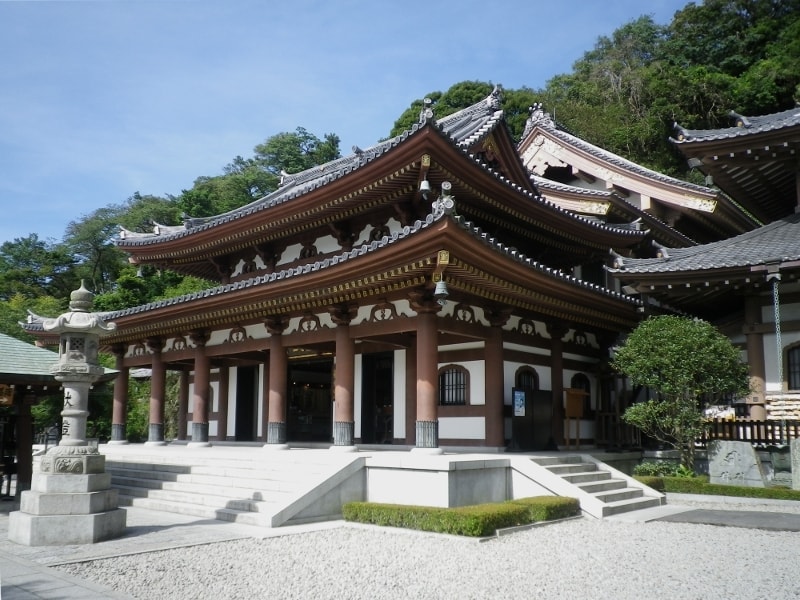
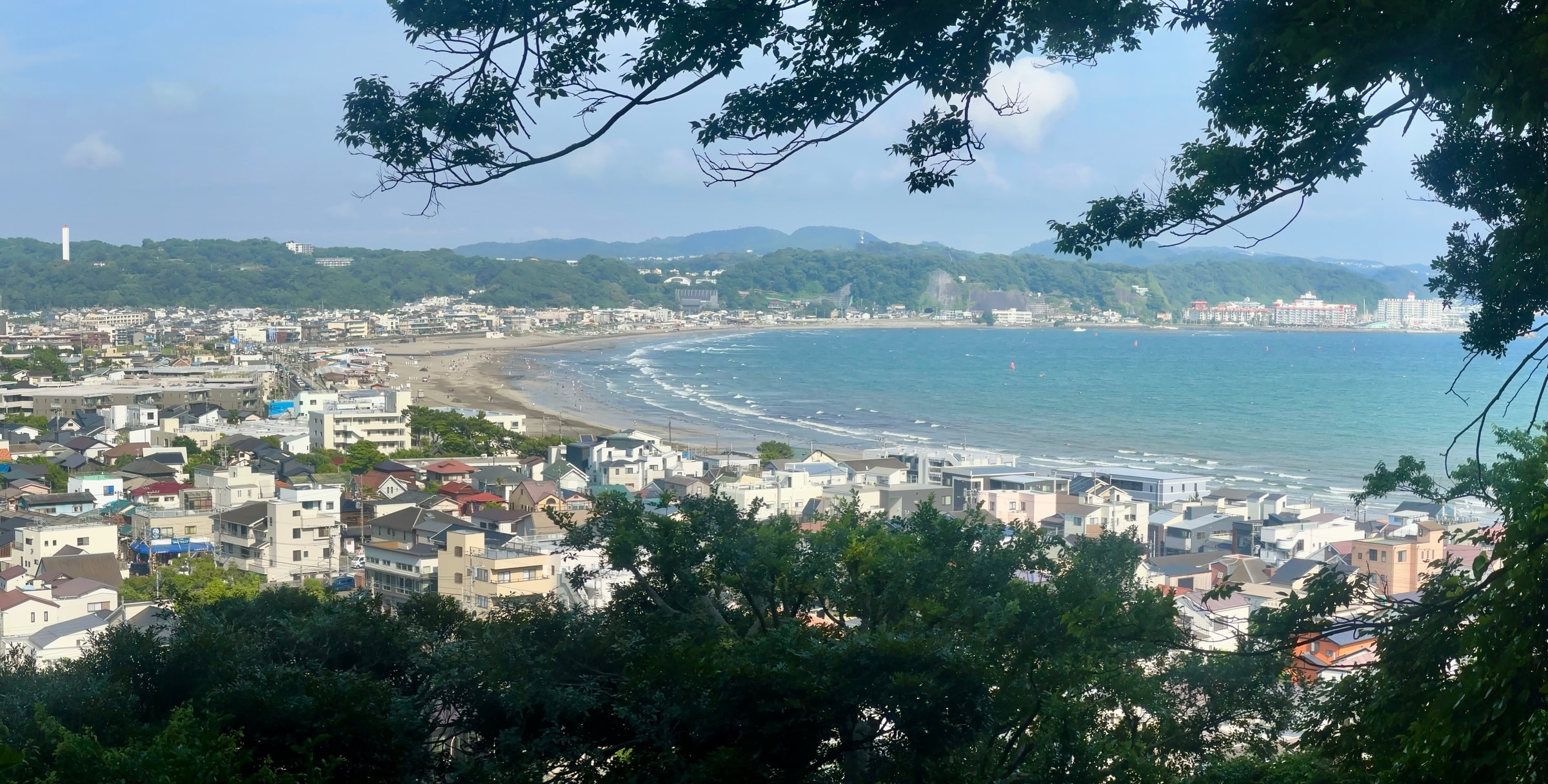
Kotoku-in is where nearly everyone starts. The Great Buddha is 11.3 metres tall and you can pay a small fee to step inside the statue itself. Ten minutes away, Hasedera climbs a hillside in terraces, and the viewpoint near the top gives you the whole bay in one frame. Hydrangeas take over that slope in June, which is also when the town is at its busiest.
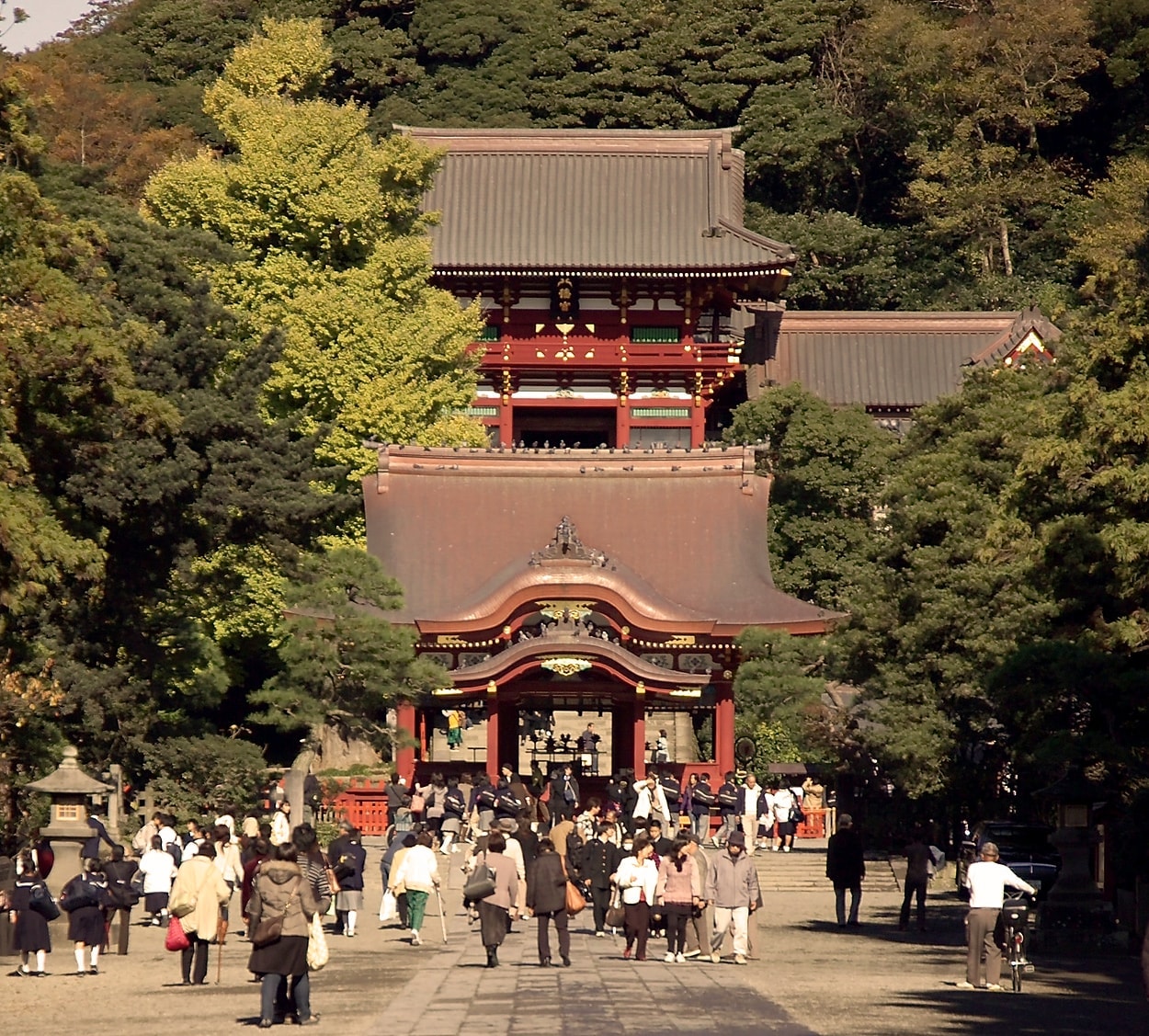
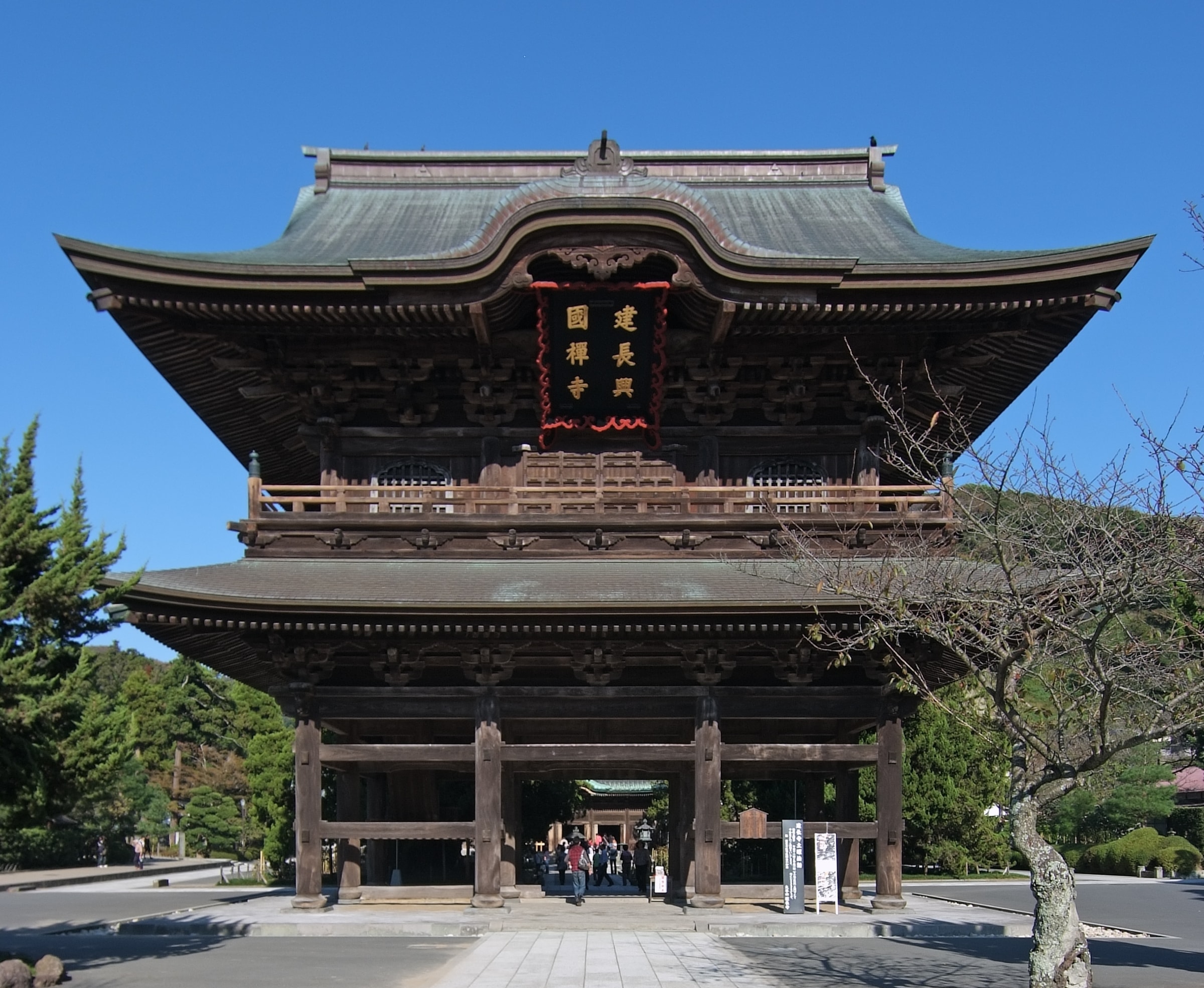
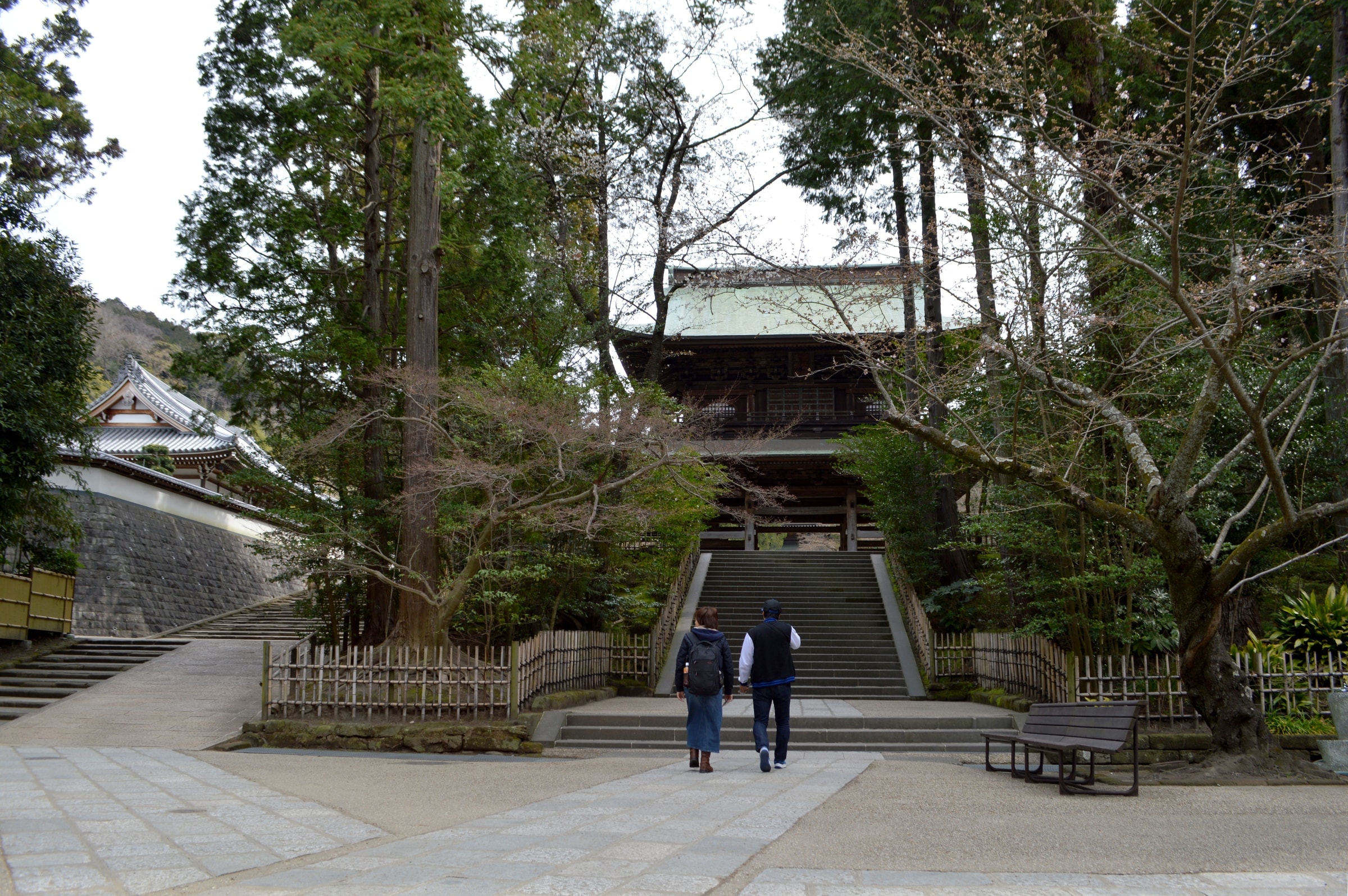
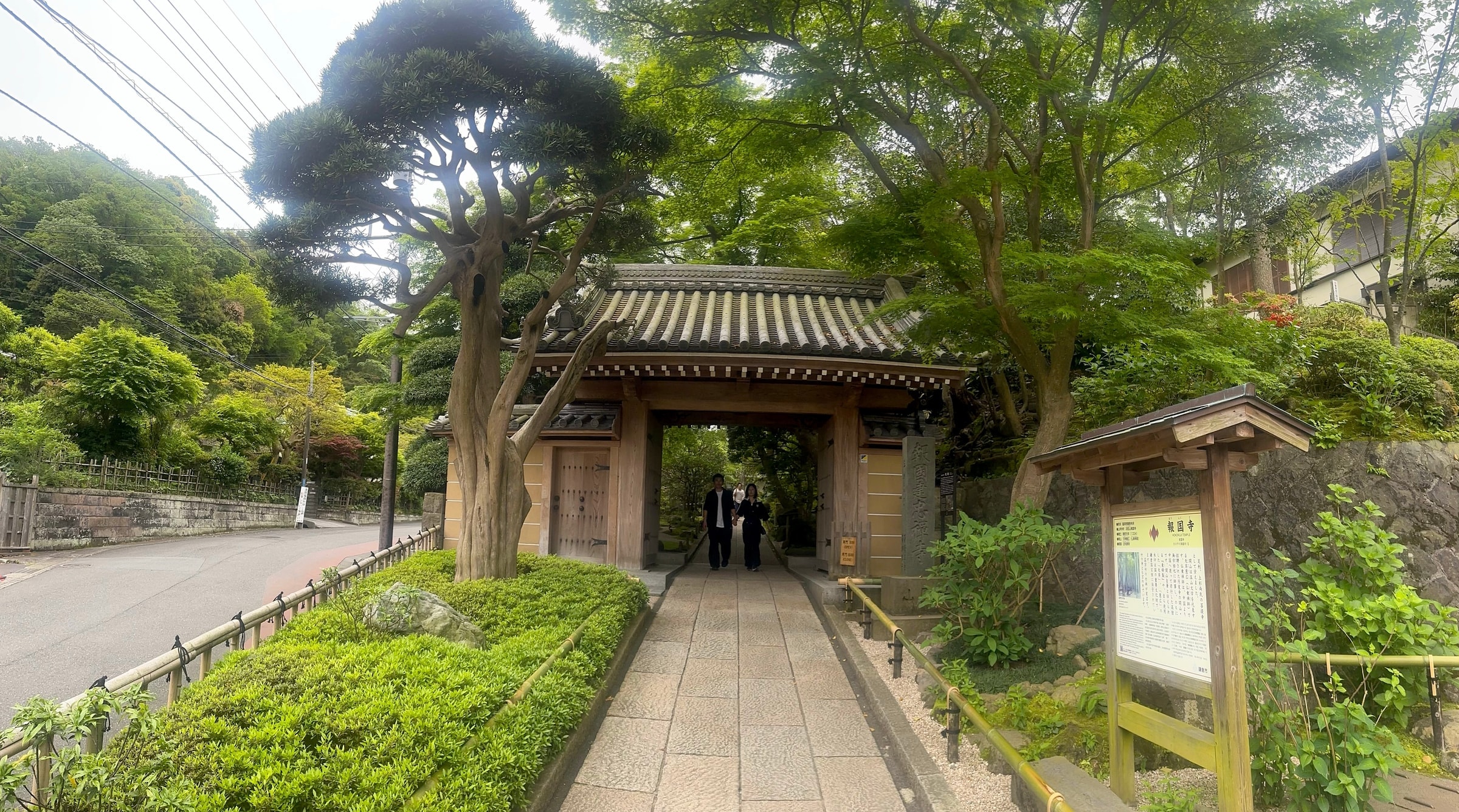
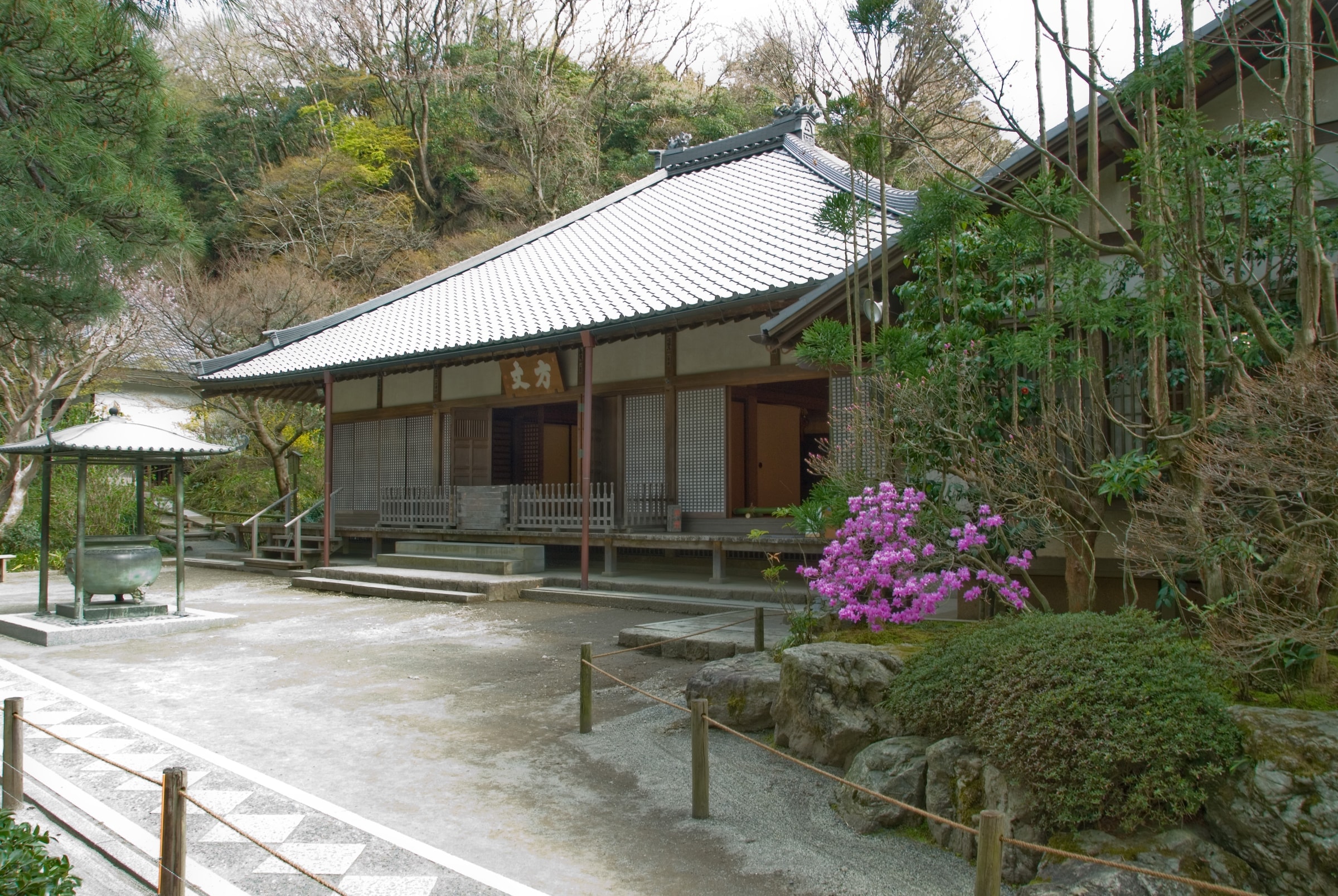
Tsurugaoka Hachimangu anchors the other side of town. Walk down its wide approach and you land in Komachi-dori, a narrow shopping street where the sweet potato snacks and the rice crackers are worth the queue. North of the station, Kita-Kamakura is quieter. Engaku-ji and Kencho-ji are working Zen temples, not museums, and on a weekday morning you can hear the raking in the gravel. Hokoku-ji is the bamboo one. Buy the matcha, sit at the back and let the group ahead of you move on.
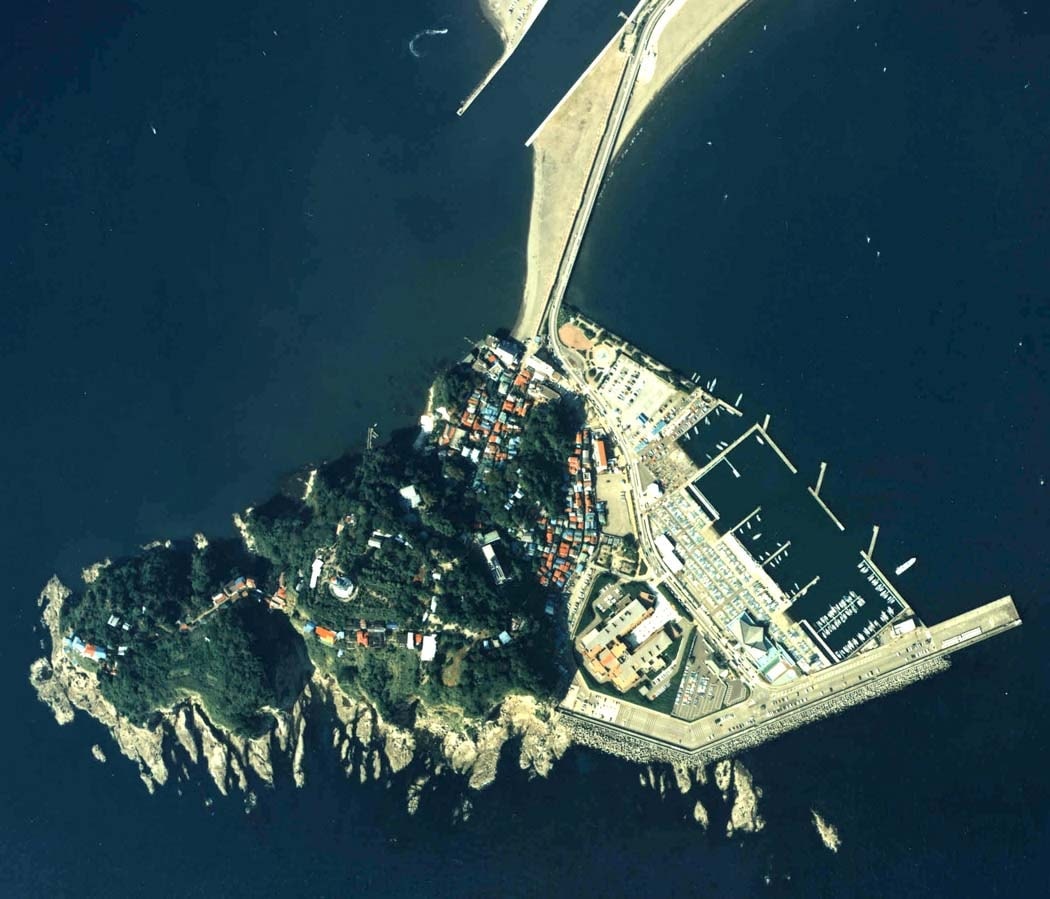
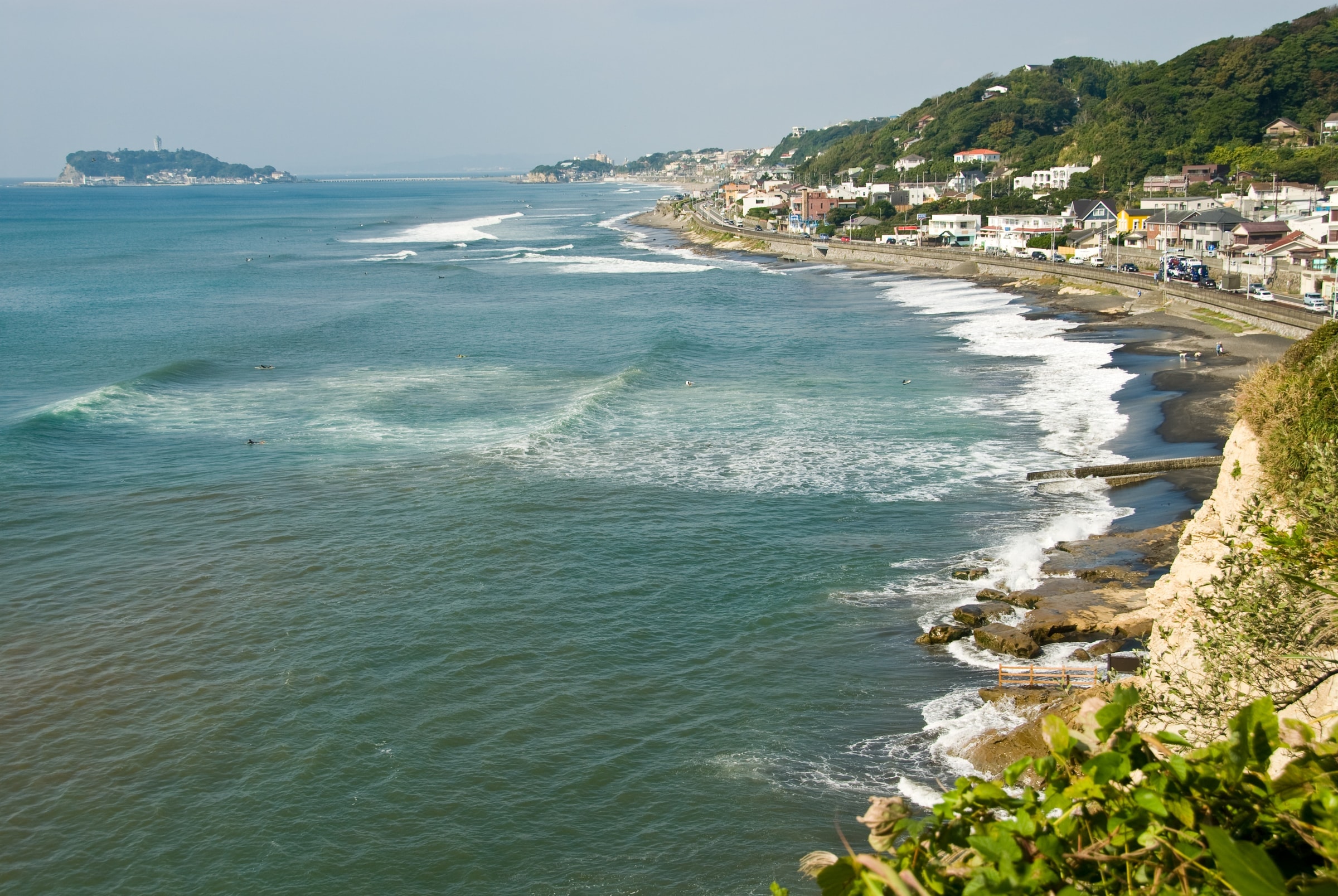
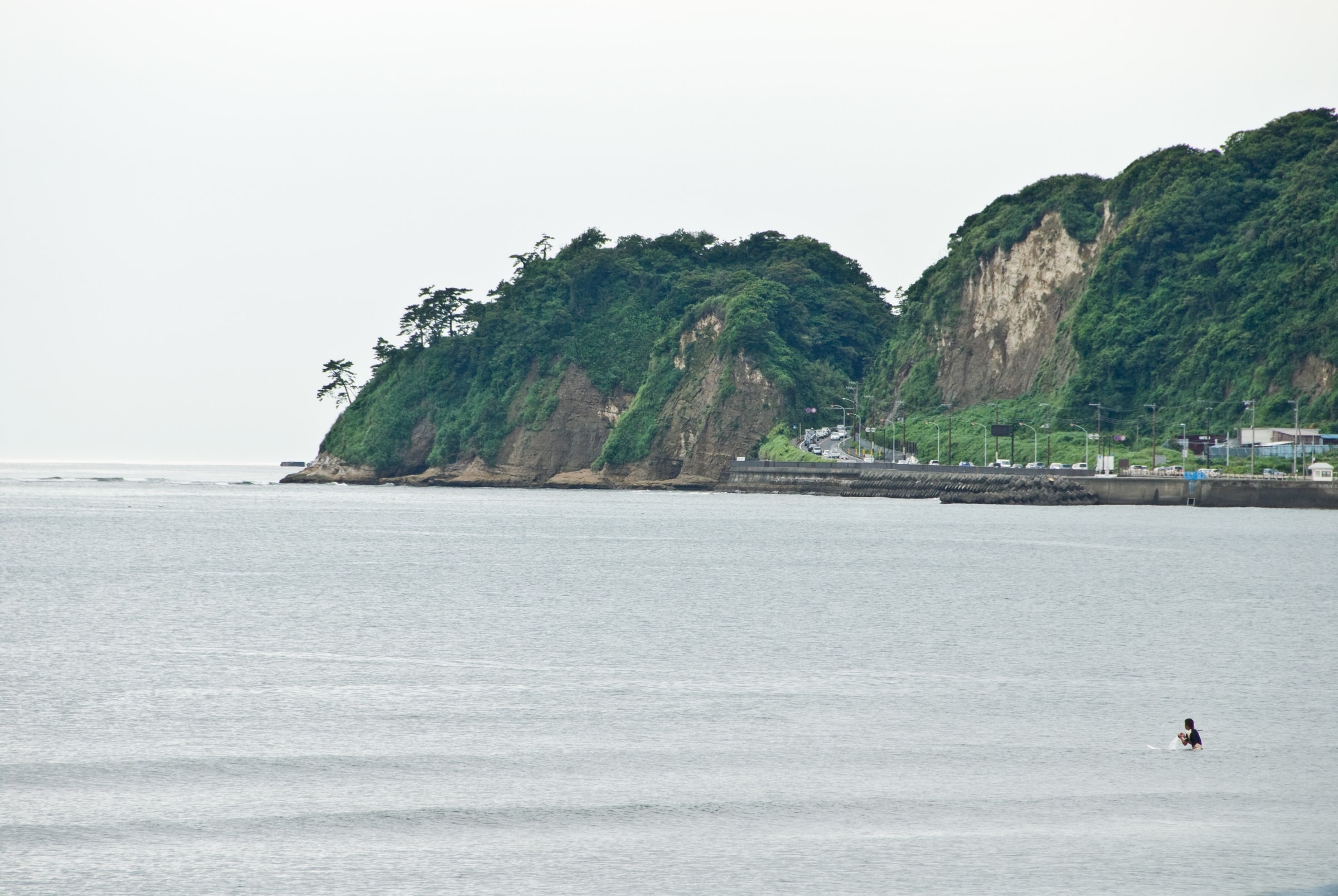
Then there is the coast. The Enoden train runs along the shoreline to Enoshima, and the crossing at Kamakurakokomae is the shot most visitors already have saved on their phone. Yuigahama beach is a five minute walk from Hase and a good place to stop when temple fatigue sets in.
The catch is distance. These places look close on a map, but the hills between them are steep and the local trains fill up fast on weekends and in hydrangea season. A full day on foot and by train usually means three or four sights and a lot of waiting.
We run Kamakura as a private car day tour from Tokyo. You get picked up at your hotel, we cover the sights in an order that avoids the worst of the crowds, and you keep your bags in the vehicle instead of hunting for a coin locker. Our drivers hold a Japan Class 2 commercial passenger licence and guide the day as they drive, so you can ask about what you are looking at while you are looking at it.
Kamakura sits an hour south of Tokyo and packs eight centuries of history into a town you can walk in a day. Most things to do in Kamakura are within a short drive of each other: the Great Buddha, hillside temples, a bamboo grove and a beach with Enoshima on the horizon.
Kamakura was the political centre of Japan for nearly 150 years, and the town never really let that go. Most things to do in Kamakura are small in scale and heavy in history. You get wooden halls that survived fires and earthquakes, mossy stairways cut into the hills, and a bronze Buddha that has sat in the open air since a tsunami took his hall away in 1498.
Kotoku-in is where nearly everyone starts. The Great Buddha is 11.3 metres tall and you can pay a small fee to step inside the statue itself. Ten minutes away, Hasedera climbs a hillside in terraces, and the viewpoint near the top gives you the whole bay in one frame. Hydrangeas take over that slope in June, which is also when the town is at its busiest.
Tsurugaoka Hachimangu anchors the other side of town. Walk down its wide approach and you land in Komachi-dori, a narrow shopping street where the sweet potato snacks and the rice crackers are worth the queue. North of the station, Kita-Kamakura is quieter. Engaku-ji and Kencho-ji are working Zen temples, not museums, and on a weekday morning you can hear the raking in the gravel. Hokoku-ji is the bamboo one. Buy the matcha, sit at the back and let the group ahead of you move on.
Then there is the coast. The Enoden train runs along the shoreline to Enoshima, and the crossing at Kamakurakokomae is the shot most visitors already have saved on their phone. Yuigahama beach is a five minute walk from Hase and a good place to stop when temple fatigue sets in.
The catch is distance. These places look close on a map, but the hills between them are steep and the local trains fill up fast on weekends and in hydrangea season. A full day on foot and by train usually means three or four sights and a lot of waiting.
We run Kamakura as a private car day tour from Tokyo. You get picked up at your hotel, we cover the sights in an order that avoids the worst of the crowds, and you keep your bags in the vehicle instead of hunting for a coin locker. Our drivers hold a Japan Class 2 commercial passenger licence and guide the day as they drive, so you can ask about what you are looking at while you are looking at it.
Kamakura sits an hour south of Tokyo and packs eight centuries of history into a town you can walk in a day. Most things to do in Kamakura are within a short drive of each other: the Great Buddha, hillside temples, a bamboo grove and a beach with Enoshima on the horizon.