Kamakura Temples: Zen Visits, Fees and Zazen Sessions
Choose between Kamakura's northern Zen monasteries and eastern garden temples, with official admission fees, opening hours, and clear advice on booking zazen.
Kamakura temples are easier to plan when you separate two different visits: looking around the grounds and taking part in zazen, or seated meditation. An admission ticket normally covers sightseeing, not an English meditation class. Kencho-ji and Engaku-ji are good places to start, but their public practice sessions have different prices and schedules.
This guide focuses on choosing a Zen temple, checking the actual fees, and leaving room for a sitting session. It is not a race around every landmark. For the Great Buddha, beaches, and Enoshima, use our wider things to do in Kamakura guide. For leaf color and seasonal stops, see Kamakura in November, rather than choosing a meditation date around a foliage forecast.
Which Kamakura temples fit your plans?
Start with what you want to do, not how many temples you can fit into a day. The northern cluster around Kita-Kamakura works well for large monastery grounds and public zazen. The eastern cluster around Jomyoji works better for bamboo, smaller temple visits, and garden time.
Choose Engaku-ji for a first stop beside Kita-Kamakura Station and a walk through a working Zen monastery.
Choose Kencho-ji for its long sequence of gates and halls, plus a clearly listed Friday and Saturday zazen program.
Add Jochi-ji if you want a smaller stop in the same northern area.
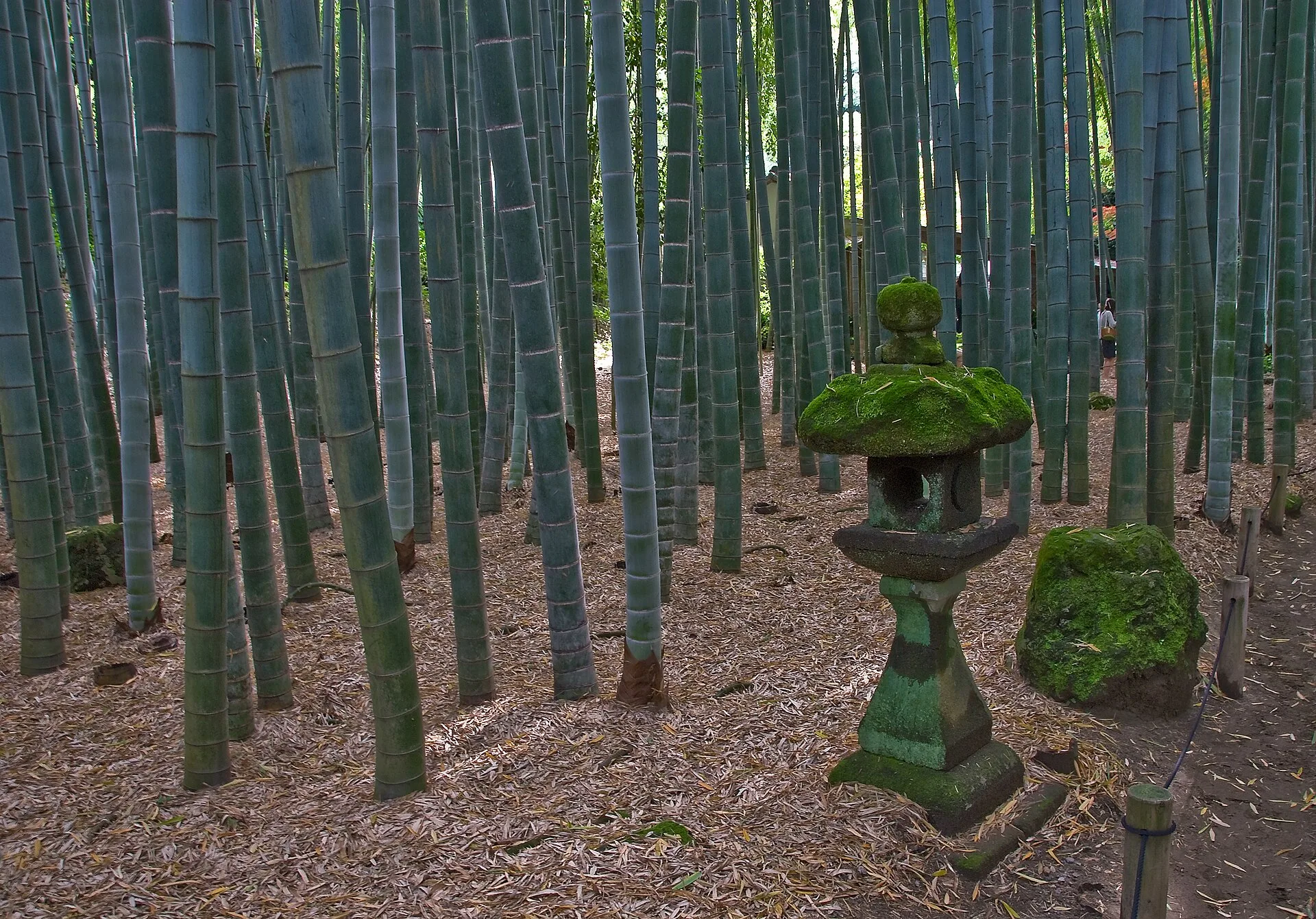
Choose Hokoku-ji for the bamboo garden, with matcha as an optional extra rather than part of admission.
Pair Hokoku-ji with Jomyo-ji if you are staying on the east side instead of crossing back through town.
These are Buddhist temples, but a sightseeing visit does not automatically include access to training halls or private subtemples. A closed gate is not an invitation to step around it. The buildings you can enter may also change during services or maintenance.
Admission fees and opening hours
The figures below are the temples' published sightseeing rates, checked on November 7, 2026. All opening times are Japan Standard Time. Separate gardens, tea, and practice sessions may cost extra. Revisit the linked official pages before traveling, especially around New Year or bad weather.
9:00 a.m. to 4:00 p.m.; closed December 29 to January 3
Kencho-ji explicitly requires cash for admission. Carry yen for the other stops too, rather than depending on cards at every gate. Do not assume the age categories are identical: Jomyo-ji's official page lists an elementary-school rate, while Engaku-ji and Kencho-ji list elementary and junior high together.
For one adult visiting Engaku-ji, Jochi-ji, and Kencho-ji, the listed admission fees add up to ¥1,300. Hokoku-ji and Jomyo-ji together cost ¥600 before tea or transportation. Those are admission totals, not estimates for an entire day or a guided tour.
Engaku-ji: start beside the station
Engaku-ji is a practical first visit because its entrance is about a minute on foot from Kita-Kamakura Station. The grounds rise through a valley, so give yourself time to walk uphill rather than treating the temple as a quick photo stop between trains.
The monastery was founded in 1282 under Hojo Tokimune's patronage, with the Chinese monk Mugaku Sogen as its founding master. Its official history describes mourning the dead on both sides of the Mongol invasions as part of its founding purpose. That is a more useful starting point than reducing the temple's history to samurai discipline.
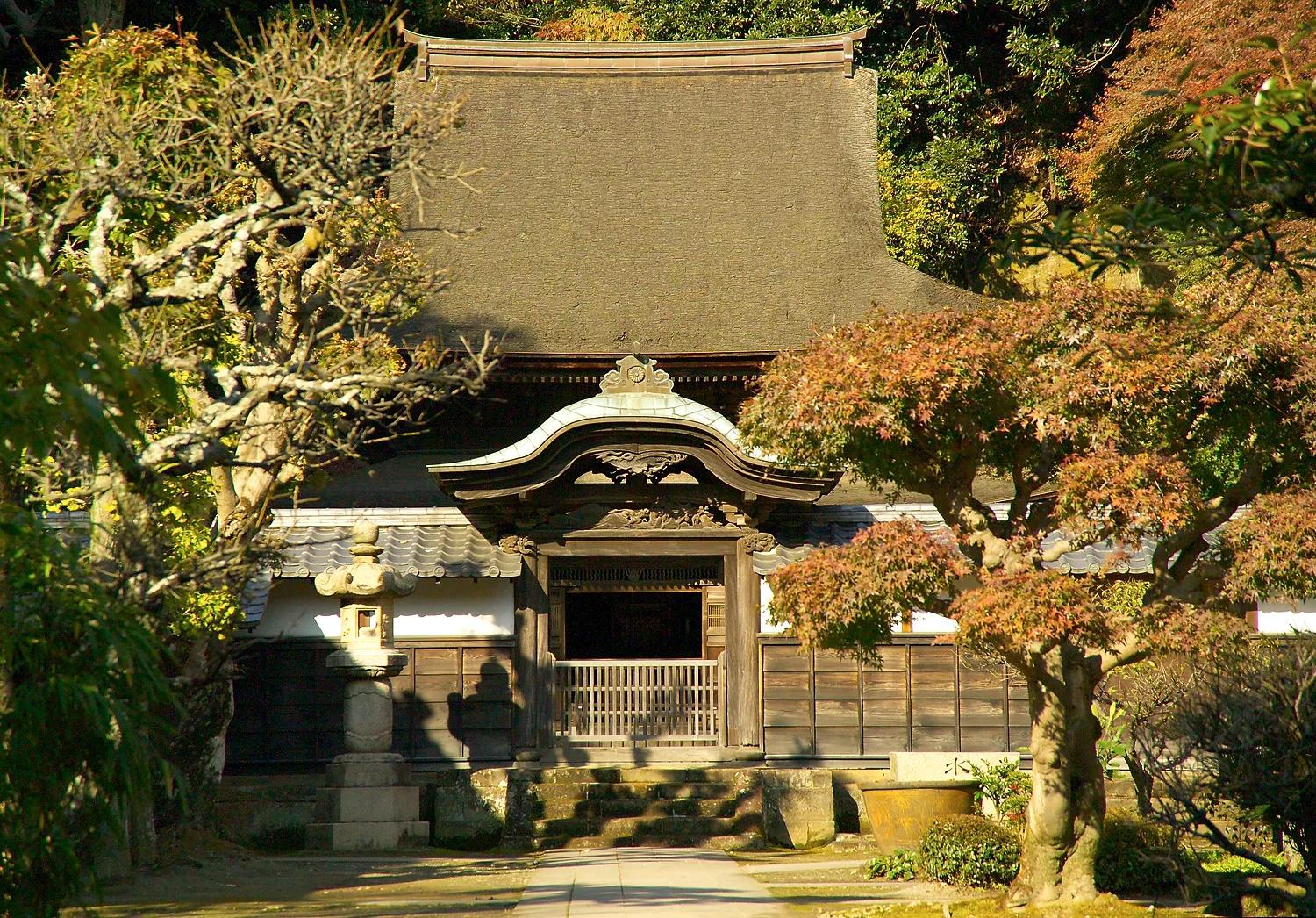
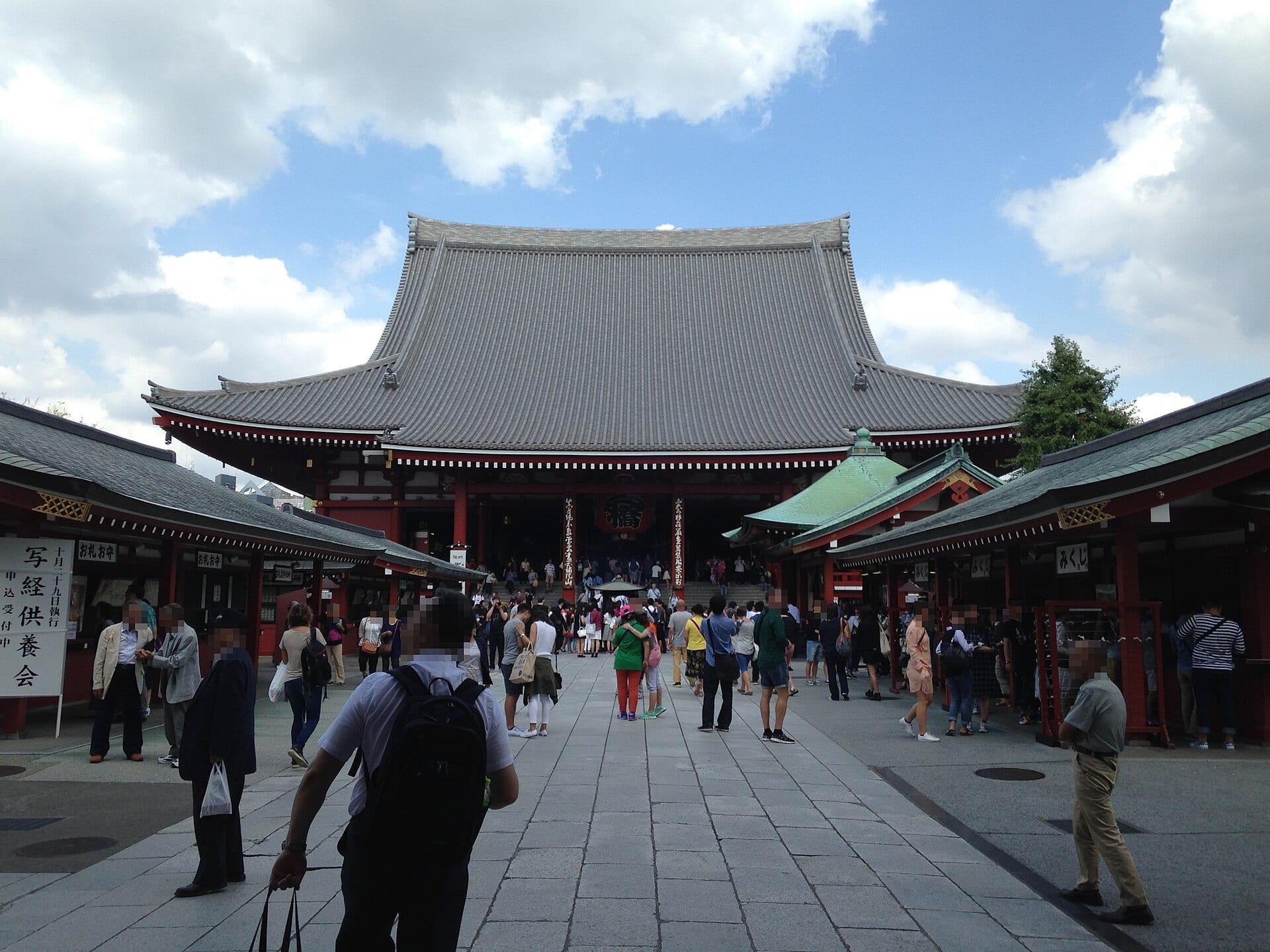
Look at the arrangement of the Sanmon gate, Butsuden hall, and the buildings farther into the valley. The Shariden is an important historic building, but do not assume its interior is open on an ordinary visit. The featured photograph shows the Shariden area from outside, not a room that every admission ticket lets you enter.
Engaku-ji also has a practice program. Use the current Japanese-language schedule when planning it: parts of the English practice page still contain older notices. A visit during sightseeing hours and a place at a sitting session are separate decisions.
Kencho-ji: monastery grounds and a public sitting
Kencho-ji was founded in 1253 with Hojo Tokiyori as patron and Rankei Doryu, also called Daikaku Zenji, as its founding master. The temple's official history explains those roles. Calling Rankei Doryu the sole founder misses the political patronage that made the monastery possible.
From Kita-Kamakura Station, the temple lists a walk of about 15 minutes. A bus is another option. Once inside, follow the main route through the gates and halls rather than heading straight for a viewpoint. Some areas are not open to visitors, and the site's access map marks restricted sections.
If zazen is your priority, organize the rest of the day around the session, not the other way around. Getting through the front gate just before a sitting begins leaves too little time to find the room and settle in. Arriving late means you cannot join the regular public session.
How zazen works at Kencho-ji and Engaku-ji
Kencho-ji's regular Friday and Saturday session
The official zazen page lists public sittings every Friday and Saturday from 3:30 to 4:30 p.m. No reservation is required for the regular session. Participation is free, but temple admission is still payable, so an adult pays ¥500 to enter.
Be in the practice room at least 15 minutes before the start. The usual venue is the Hojo, though it can change. The temple recommends loose clothing and requires participants to follow the instructor, remain quiet, and stay with the session. Do not expect the regular sitting to be an English lesson.
Cancellations do happen. The temple's September notice listed an autumn interruption and a November 6 restart. Check the latest notices or contact the temple for your intended date rather than assuming every Friday and Saturday is guaranteed.
Kencho-ji's English program
The separately scheduled English program costs ¥1,000 plus the ¥500 temple entrance fee, making ¥1,500 for an adult. It requires an advance application. This is not the same program as the free regular sitting.
The 2026 to 2027 English program flyer describes an explanation in English, three short sitting periods, and questions afterward. It also says chairs are available for people who have difficulty sitting cross-legged. Follow the application details on the flyer and wait for confirmation before arranging your day around it.
The important planning point is frequency: this English program runs on selected dates, not whenever the temple is open. A private sightseeing booking does not create an extra public English session.
Engaku-ji's afternoon practice
Engaku-ji's current Japanese practice page lists Kojirin sessions every Saturday and on the first and third Sundays, from 2:30 to 4:00 p.m. Beginners may attend, reservations are not required, and the participation fee is ¥1,000 plus separate temple admission. For an adult, that totals ¥1,500.
The temple's participant notice says reception begins at 2:10 p.m. and describes three 15-minute sitting periods with explanations and a final sutra recitation. Do not assume English instruction. The regular sessions are for individuals, not tour groups; groups need to discuss separate arrangements directly with the temple.
This is why a single statement such as "meditation costs ¥500 to ¥1,000" is misleading. Kencho-ji's regular sitting, its English program, and Engaku-ji's afternoon practice have different rules and totals.
Jochi-ji, Hokoku-ji, and Jomyo-ji
Jochi-ji for a smaller northern stop
Jochi-ji belongs to the Engaku-ji branch of Rinzai Zen and ranks fourth among Kamakura's Five Great Zen Temples. Its scale makes it a sensible addition to a northern temple day without moving to another part of town.
The official admission is now ¥300 for adults, not the ¥200 still quoted by some older listings. Its multilingual audio guide costs a separate ¥500. Treat that as an optional guide, not an admission requirement. The temple asks visitors to leave plants alone, respect barriers, and avoid blocking paths for long periods.
Hokoku-ji for bamboo and optional tea
A path through tall green bamboo stalks at Hokoku-ji Temple in Kamakura
Hokoku-ji is on the eastern side of Kamakura, not beside the northern monasteries. Make the transfer deliberately instead of slipping it between two Kita-Kamakura stops. The temple's English access guide lists the Jomyoji bus stop, followed by a short walk.
Bamboo-garden admission is ¥400 for adults. Matcha with dry sweets costs another ¥600, so admission plus tea totals ¥1,000. Tea reception ends at 3:30 p.m., before the 4:00 p.m. closing time, and the temple can suspend tea-ticket sales when busy.
A tea ticket is not a meditation booking. Hokoku-ji's separate Sunday zazen is a strict practice session, generally conducted in Japanese without interpretation, according to the city tourist association. Do not plan to drop in for a few minutes as part of a bamboo photo visit.
Jomyo-ji nearby
Jomyo-ji is another Rinzai temple in the eastern area and ranks fifth among Kamakura's Five Great Zen Temples. Its official history traces its origin to 1188 and explains that it became a Zen temple later, rather than starting in its present form.
With ¥200 adult admission and a 4:30 p.m. closing time, it can complement Hokoku-ji without adding a second cross-town transfer. Use the temple's posted rules for photography. Tripods and commercial photography are prohibited, and any restaurant or tea purchase is separate from ordinary admission.
A route that leaves room for practice
For a northern temple day, begin at Engaku-ji, add Jochi-ji if you want a smaller stop, then continue to Kencho-ji. On a Friday or Saturday when its public zazen is running, finish your sightseeing early enough to reach the room by 3:15 p.m. Lunch and a rest belong in the plan too; do not spend every spare minute adding another temple.
If you choose Engaku-ji's afternoon practice instead, stay in the northern area and return for reception. Do not schedule both afternoon sittings: their times overlap. If you have confirmed Kencho-ji's English program, use the time on that booking rather than the regular public timetable.
For a garden-focused day without zazen, start with Hokoku-ji and Jomyo-ji. Zuisen-ji is an optional separate stop for travelers more interested in garden history than in collecting famous temple names. The official city guide describes its rock garden, cut into the bedrock and attributed to Muso Soseki. Leave it out if the extra travel would turn the afternoon into a rush.
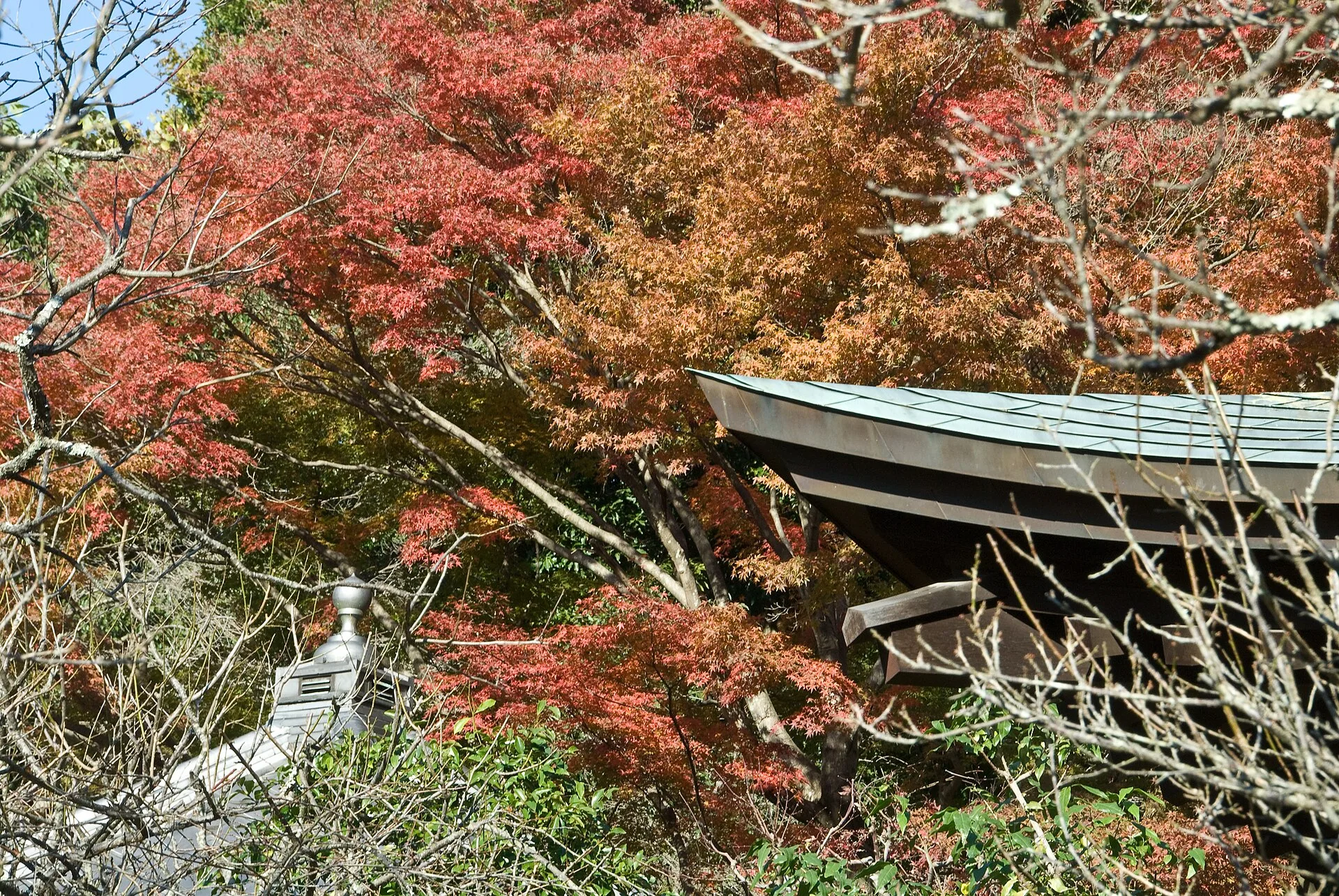
Autumn leaves above a temple roof at Zuisen-ji in eastern Kamakura
Temple buildings at Zuisen-ji in autumn; this photograph is not of the rock garden. Photo: Urashimataro / Wikimedia Commons, public domain.
Wear shoes you can remove easily and clothes that let you sit without discomfort. For the broader rules on clothing and temple behavior, read our Japan temple dress code guide. During practice, put the camera away and follow the instructor instead of trying to record the experience.
Plan a temple day with Ohayo Travels
If you prefer help with transport and the sightseeing route, look at our Kamakura Private Day Tour from Tokyo: Cultural Escape. Tell us which temples matter to you before booking, especially if you already have a confirmed meditation session.
For a longer visit, compare the Kamakura & Yokohama 2-Day Private Tour from Tokyo. Contact us to discuss the route and current inclusions. Public zazen, English instruction, admission tickets, and tea should not be assumed included unless they are explicitly confirmed.
Featured photo: the Shariden area at Engaku-ji. Photo: Fg2 / Wikimedia Commons, public domain.
TopicsKamakuraZen TemplesZazenDay Trips from Tokyo
Frequently Asked Questions
Start with Engaku-ji and Kencho-ji near Kita-Kamakura. Add Jochi-ji for a smaller northern stop, or choose Hokoku-ji and Jomyo-ji for an eastern temple day. Plan a few visits well rather than trying to see every temple.
The adult sightseeing fees checked on November 7, 2026 are ¥500 at Engaku-ji, ¥500 at Kencho-ji, ¥300 at Jochi-ji, ¥200 at Jomyo-ji, and ¥400 at Hokoku-ji. Tea and some meditation programs cost extra. Check each temple's current official page before visiting.
The regular Friday and Saturday sitting from 3:30 to 4:30 p.m. is free, but you must pay temple admission, currently ¥500 for adults. No reservation is required for this regular session. Be in the practice room at least 15 minutes early and check for cancellations.
Yes, on selected dates with an advance application. The 2026 to 2027 English program costs ¥1,000 plus ¥500 temple admission, totaling ¥1,500 for an adult. It is separate from the regular Friday and Saturday sitting. Confirm your place before arranging your visit around it.
The Kojirin sessions cost ¥1,000 plus separate temple admission, currently ¥500 for adults. They run from 2:30 to 4:00 p.m. on Saturdays and the first and third Sundays, subject to the temple calendar. Beginners may attend without reservations, but regular sessions are for individuals rather than tour groups. Do not assume English instruction.
No. Adult bamboo-garden admission costs ¥400, and matcha with dry sweets costs another ¥600, totaling ¥1,000. Tea reception ends at 3:30 p.m. and can be paused when busy. The temple closes at 4:00 p.m. and is closed December 29 to January 3.
Private tours for this destination
Ready to see it in person? These private tours cover the places in this guide.