The things to do in Yokohama are shaped by one date. In 1859 the port opened to foreign trade, and a fishing village of a few hundred people turned into the door Japan used to look at the rest of the world. Ice cream, beer, bakeries, the first daily newspaper and the first railway all arrived through here. The city has been comfortable with outside influence ever since, and it shows in how it eats and how it builds.
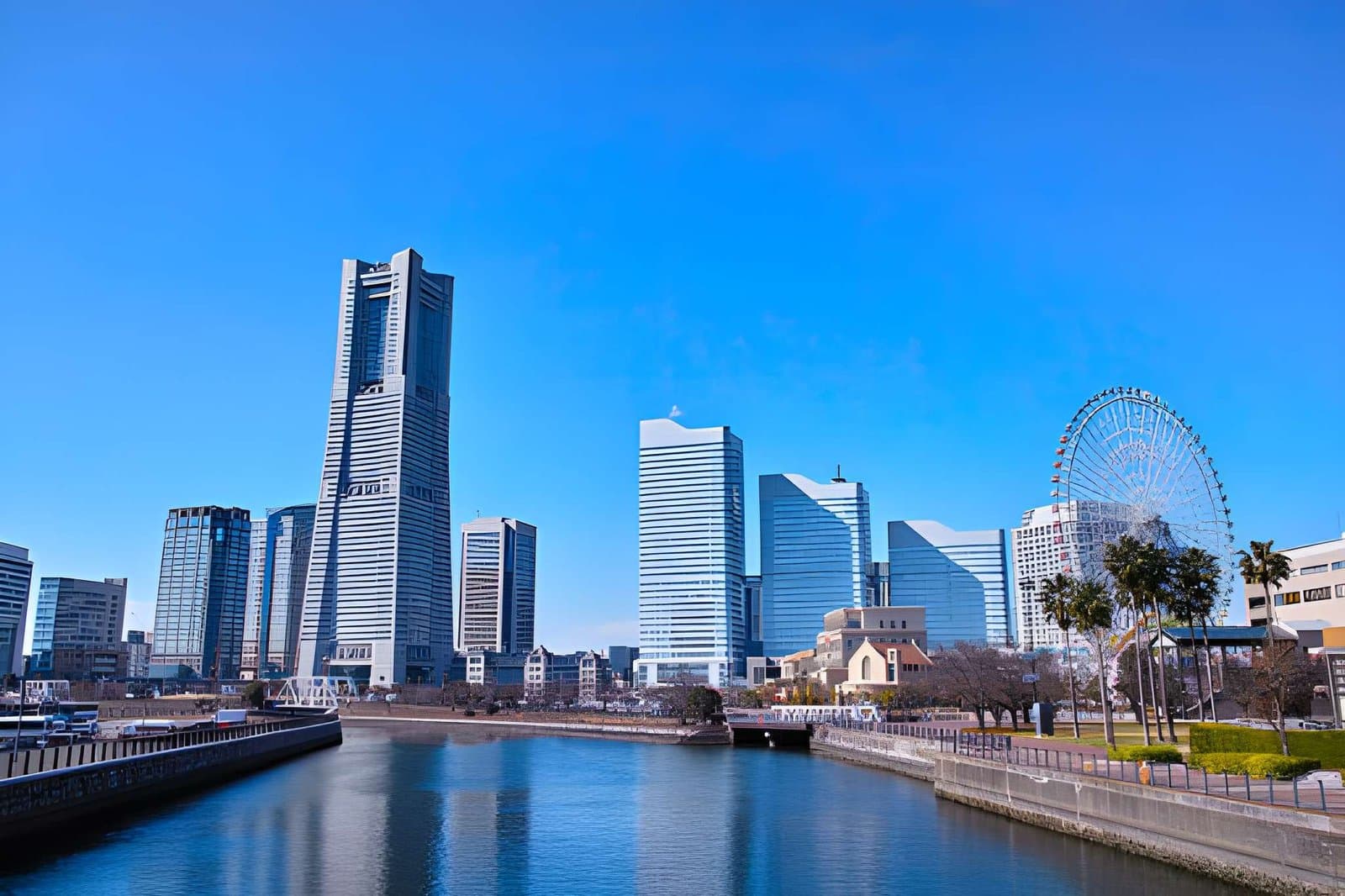
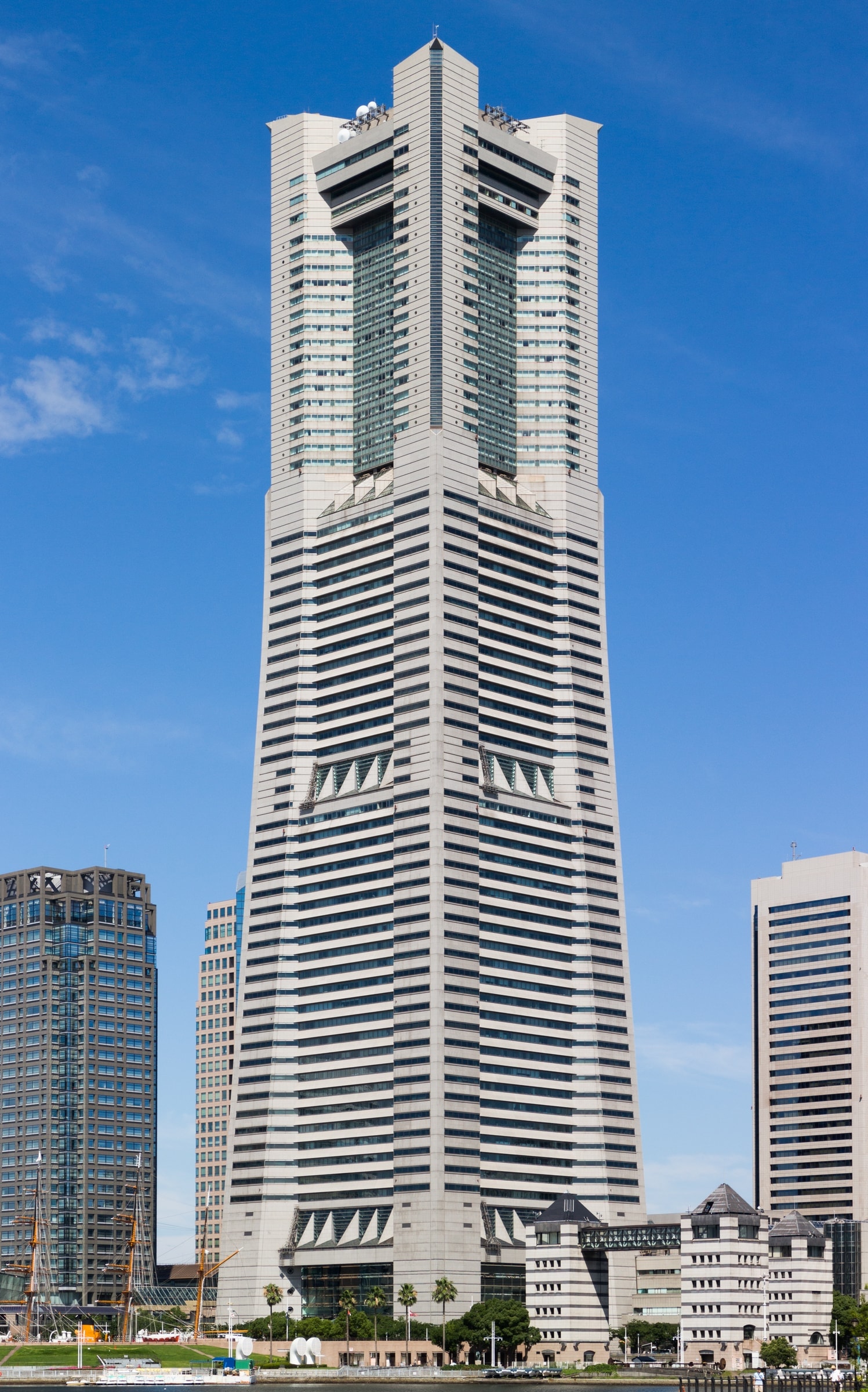
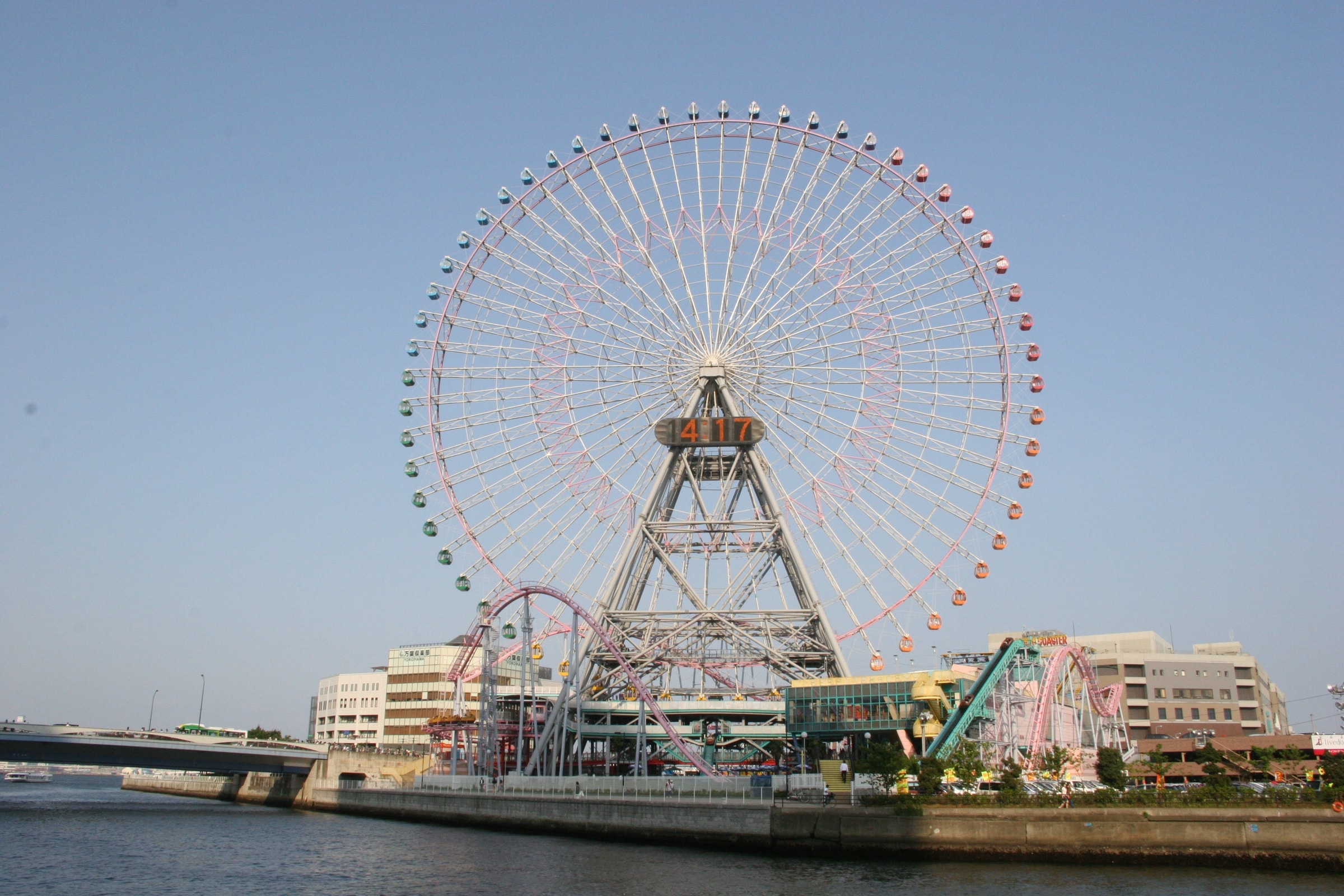
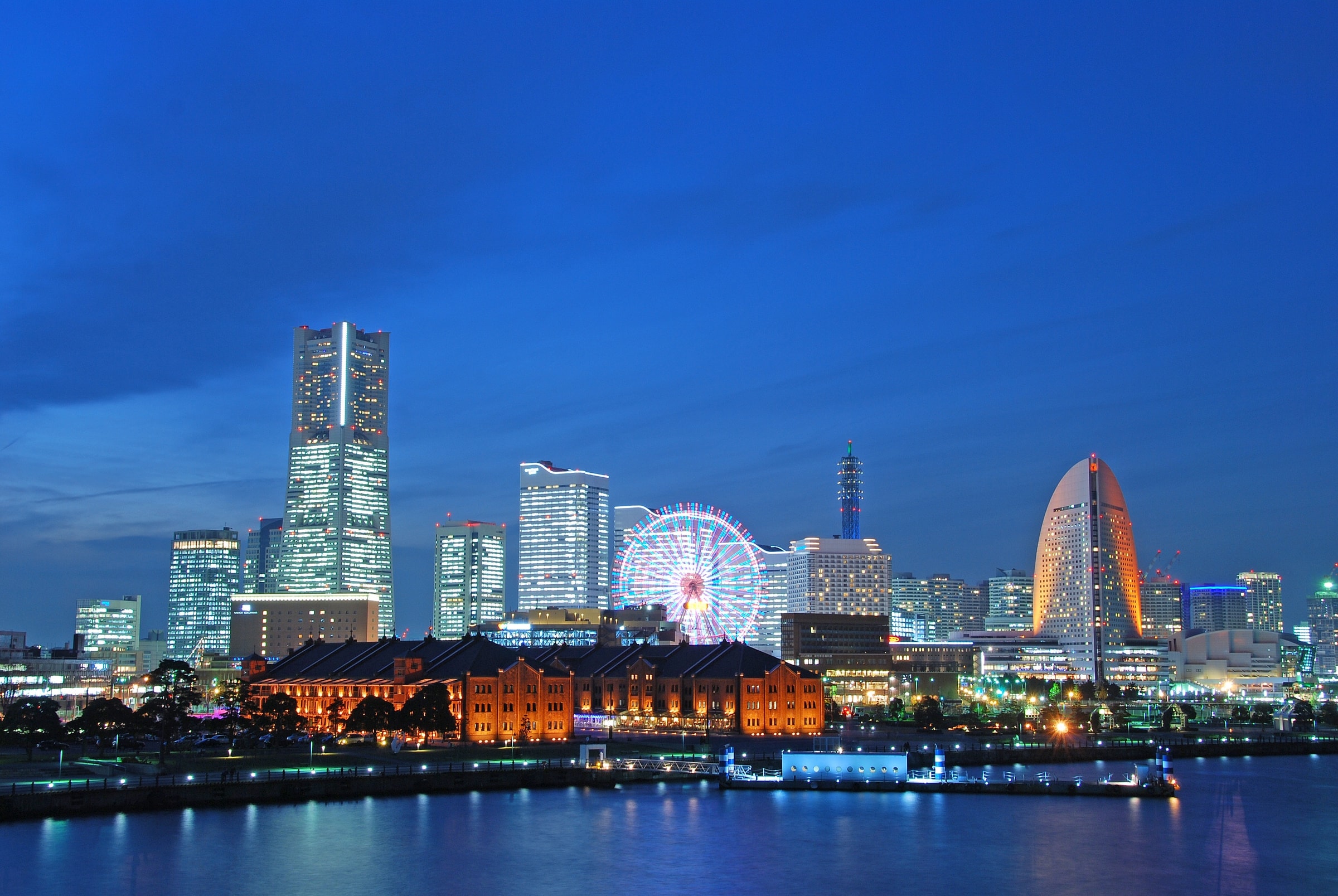
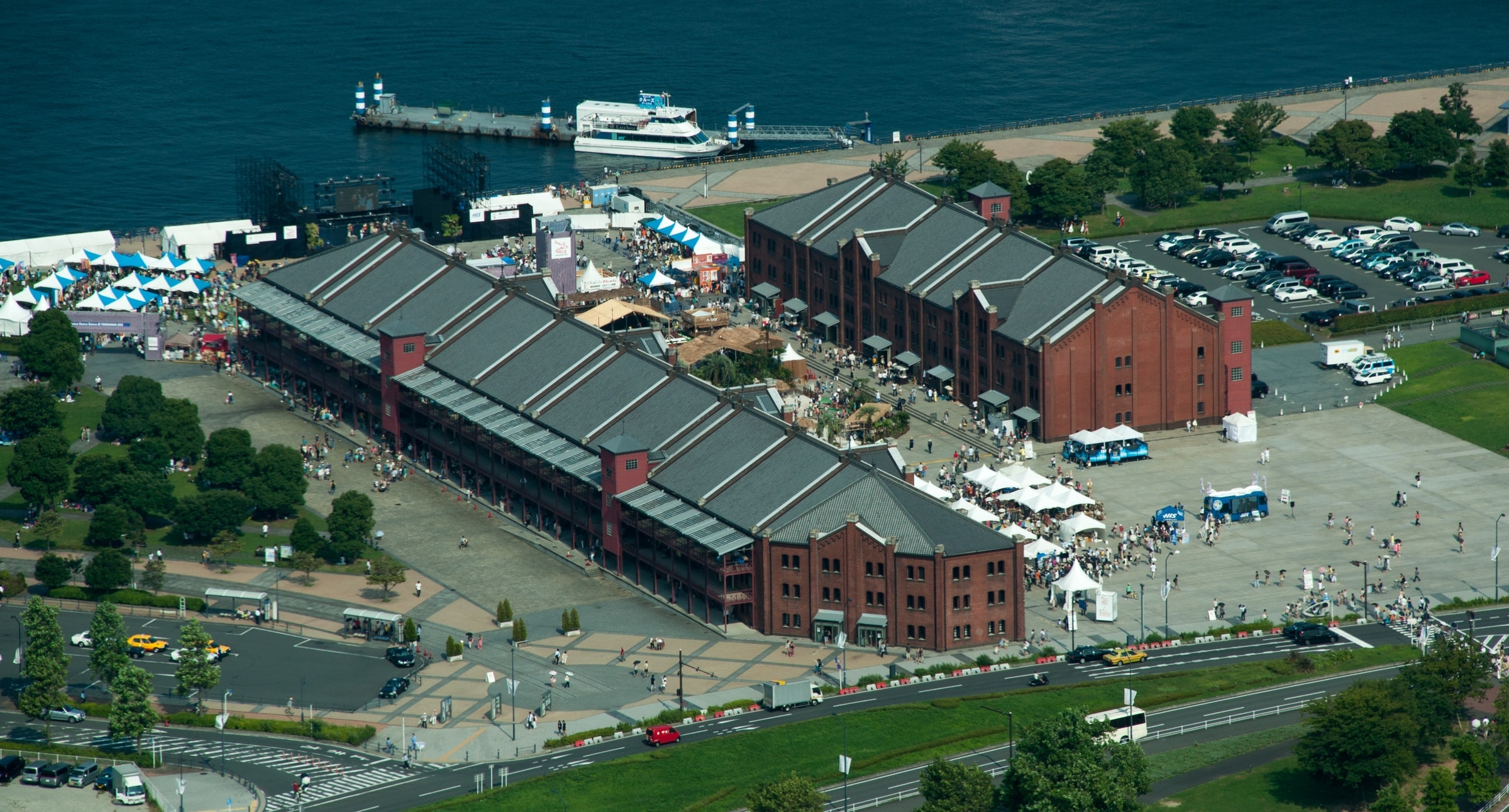
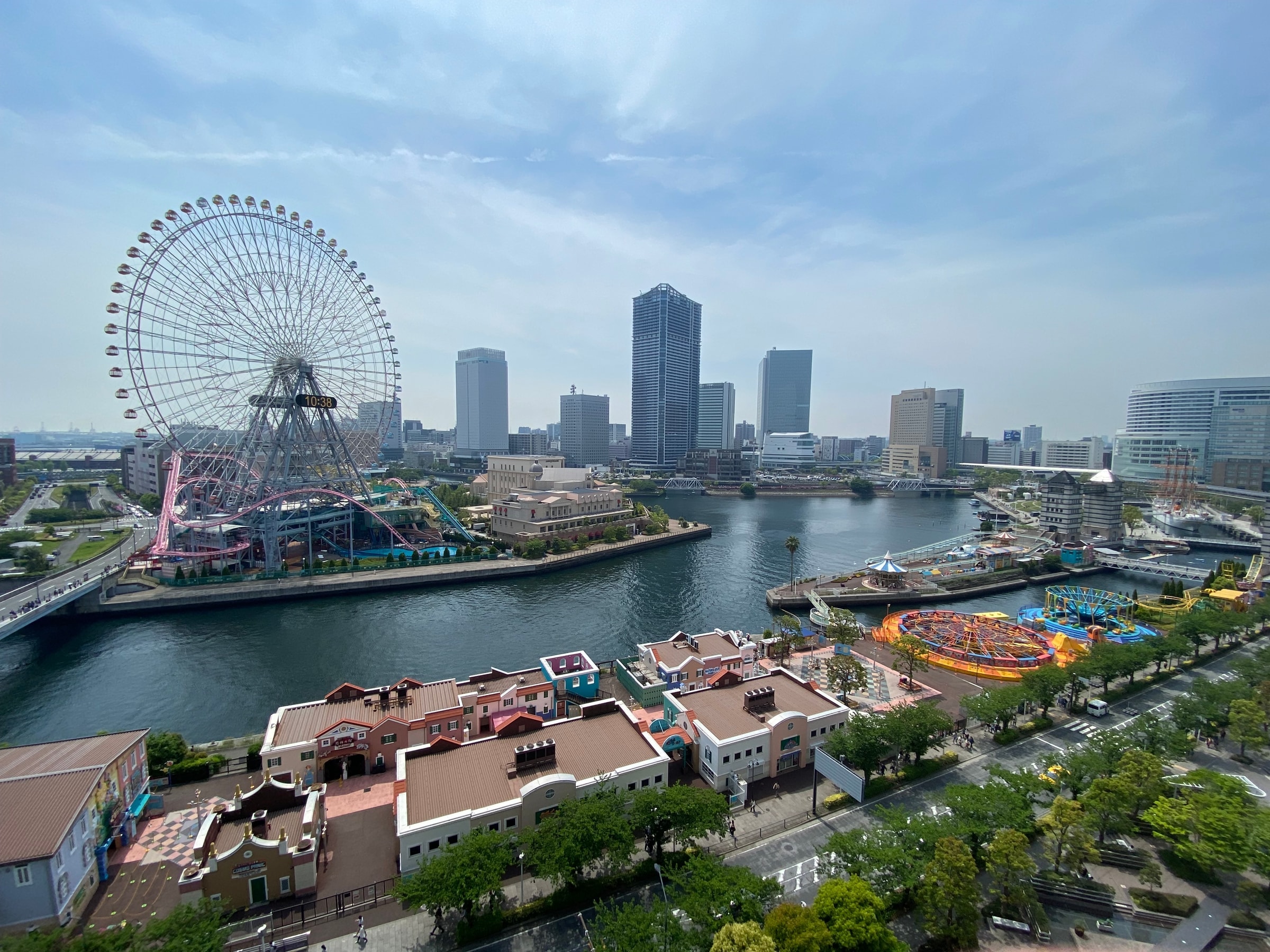
Minato Mirai is the postcard. Landmark Tower stands 296 metres over the bay with an observation floor near the top, the Cosmo Clock ferris wheel doubles as the world's largest clock, and the whole waterfront is glass, water and walkways. It looks best after dark. The Air Cabin ropeway now runs above the water between Sakuragicho and the Red Brick Warehouse, which is a short, silly, genuinely good ride.
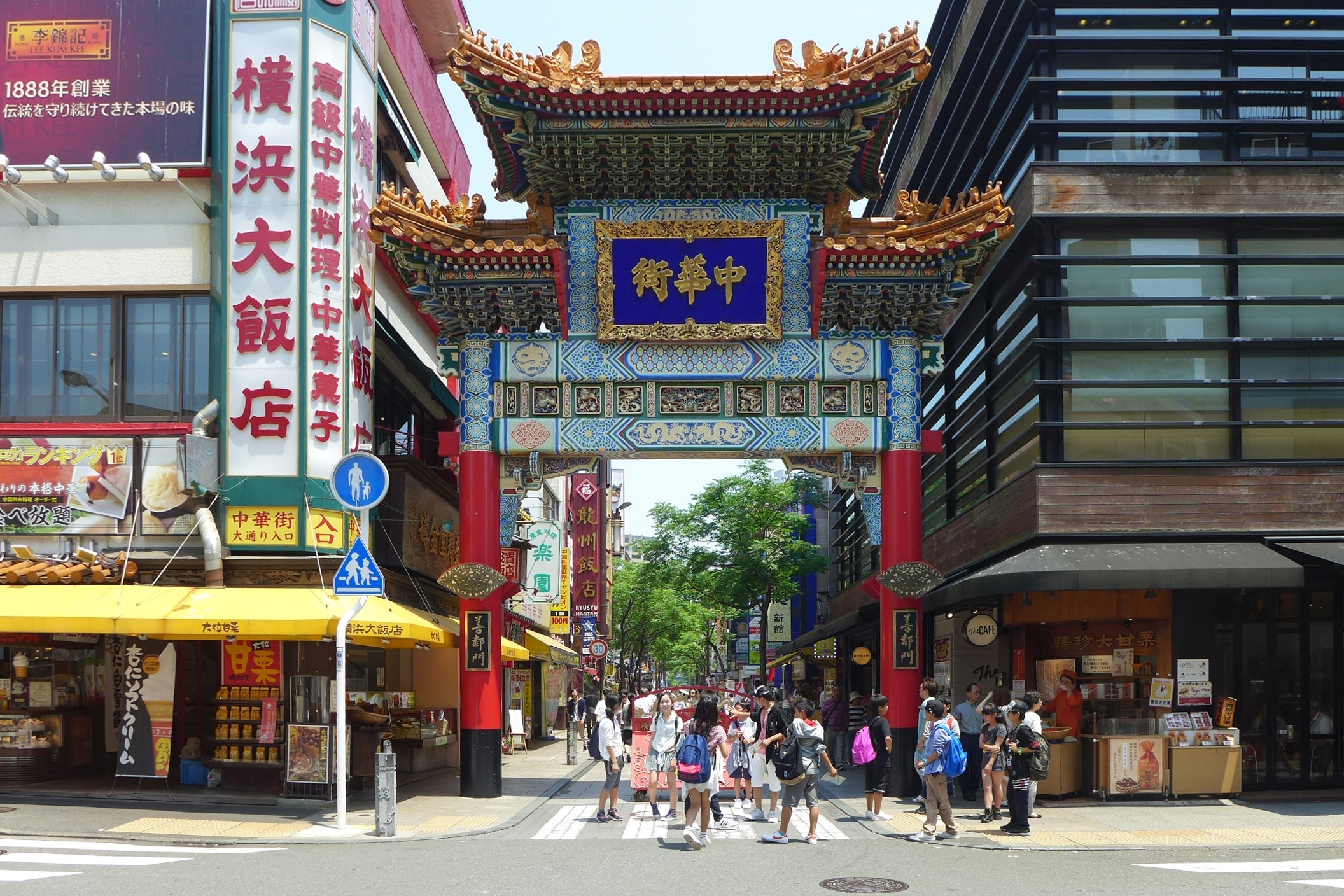
Chinatown is the other half of the city's character. It is the largest in Japan, with around six hundred shops and restaurants packed into a grid you can cross in fifteen minutes, and the Kanteibyo temple sitting gold and loud in the middle of it. Come hungry. Steamed buns, hand pulled noodles and roast duck are the things people queue for.
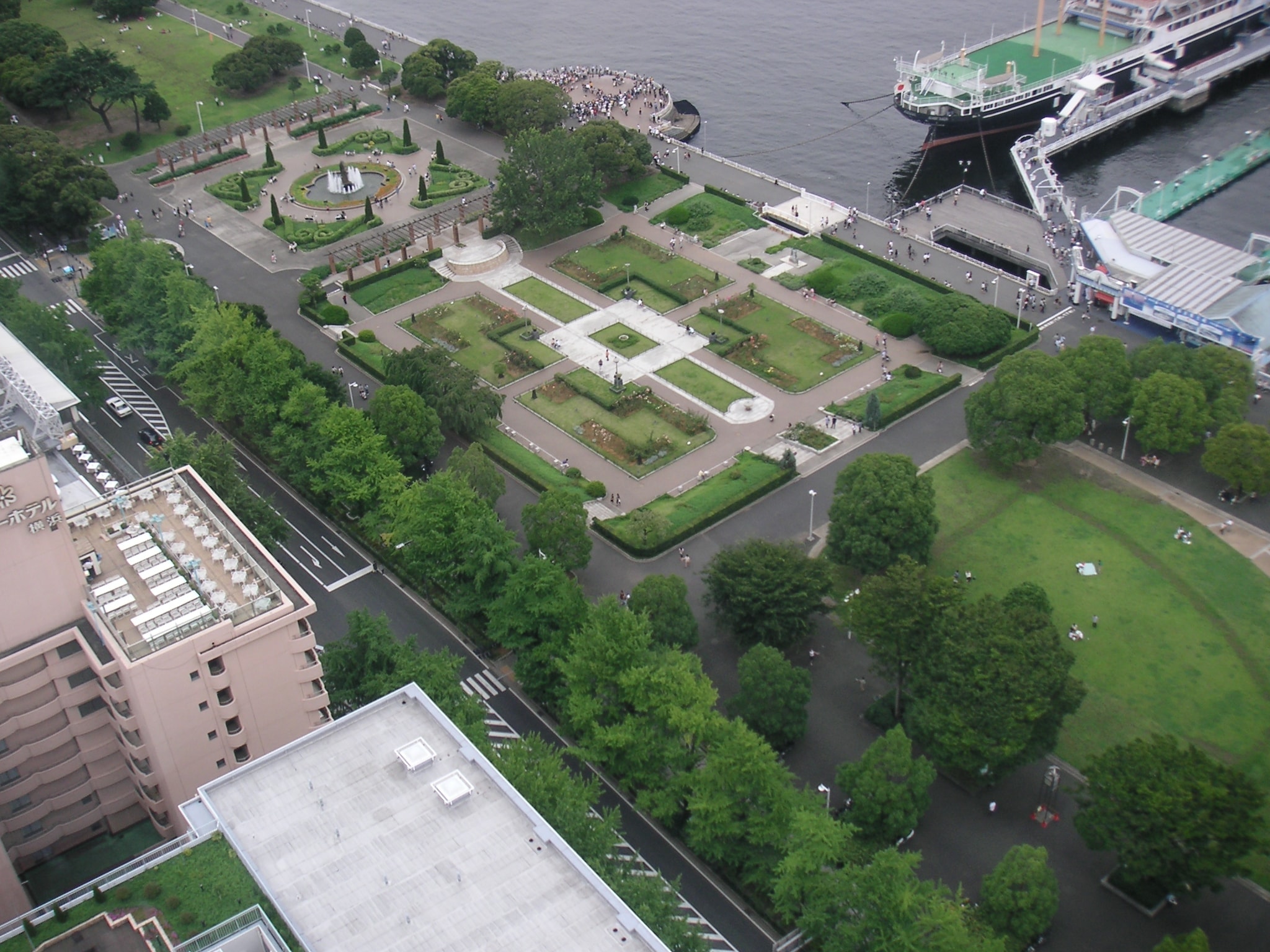
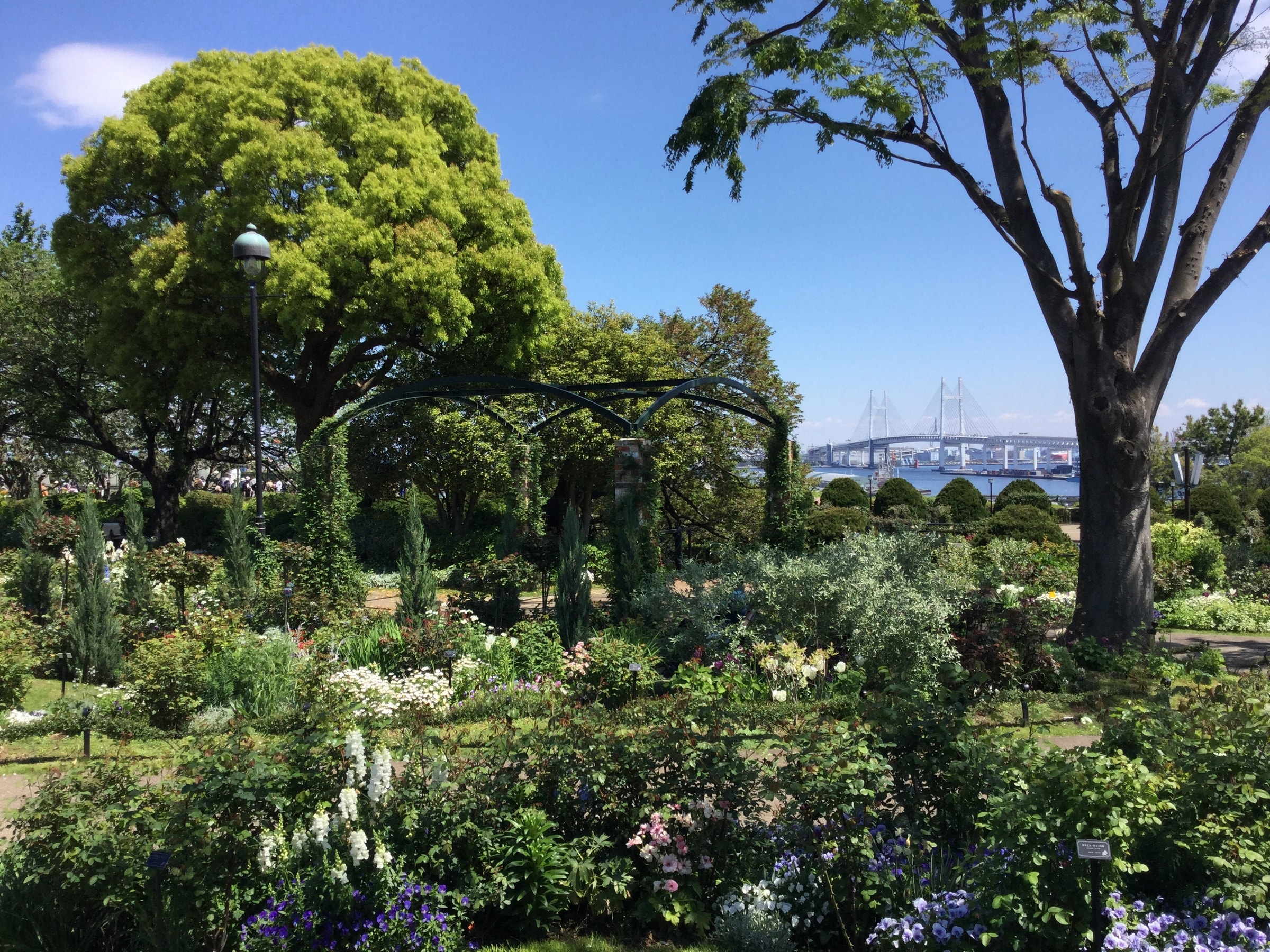
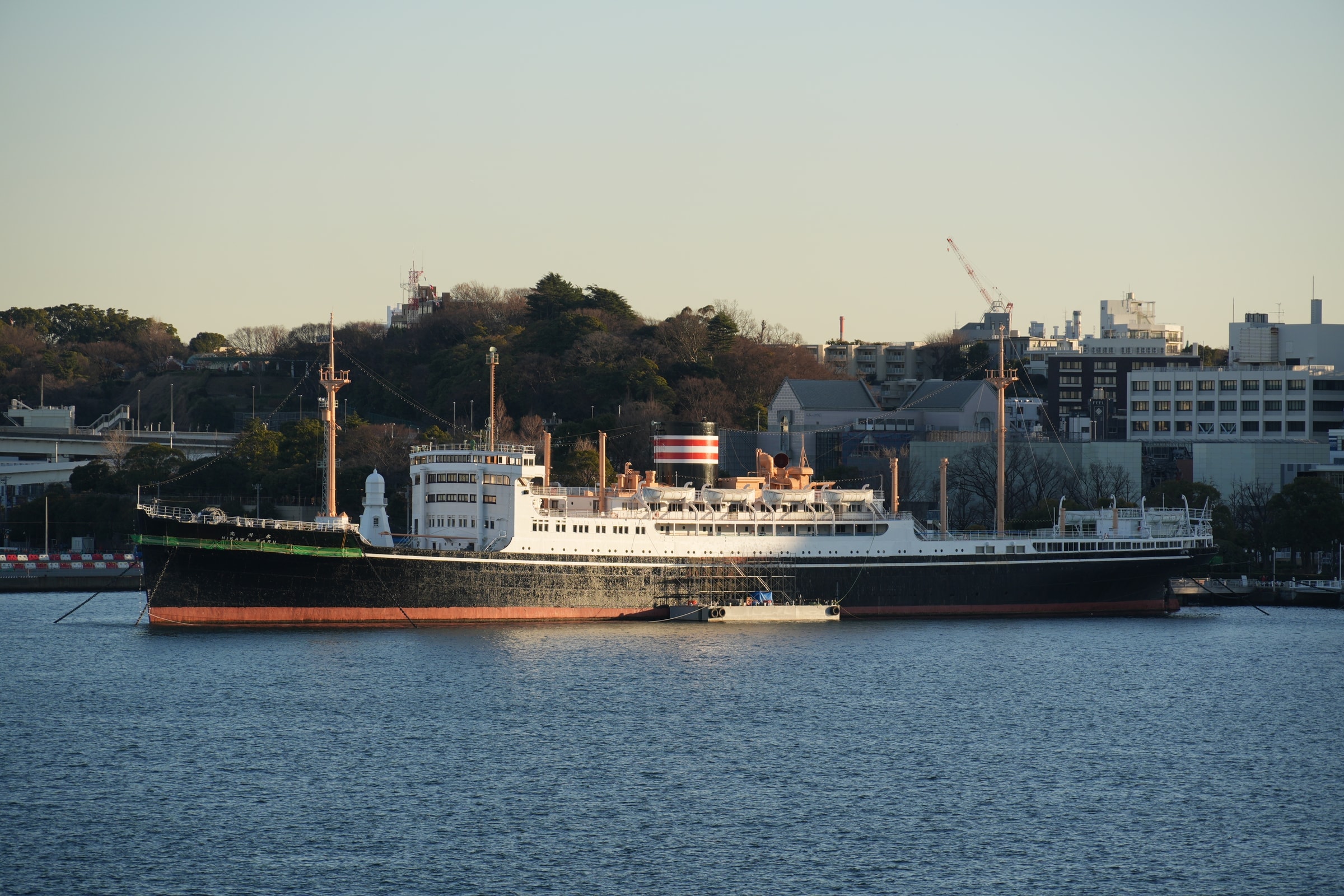
Up the hill in Yamate, foreign merchants built wooden Western houses in the late nineteenth century and several are open to walk through, free of charge. Below them, Motomachi is an old shopping street with a European habit, and Yamashita Park runs along the water with the Hikawa Maru, a 1930 ocean liner, moored permanently at the edge.
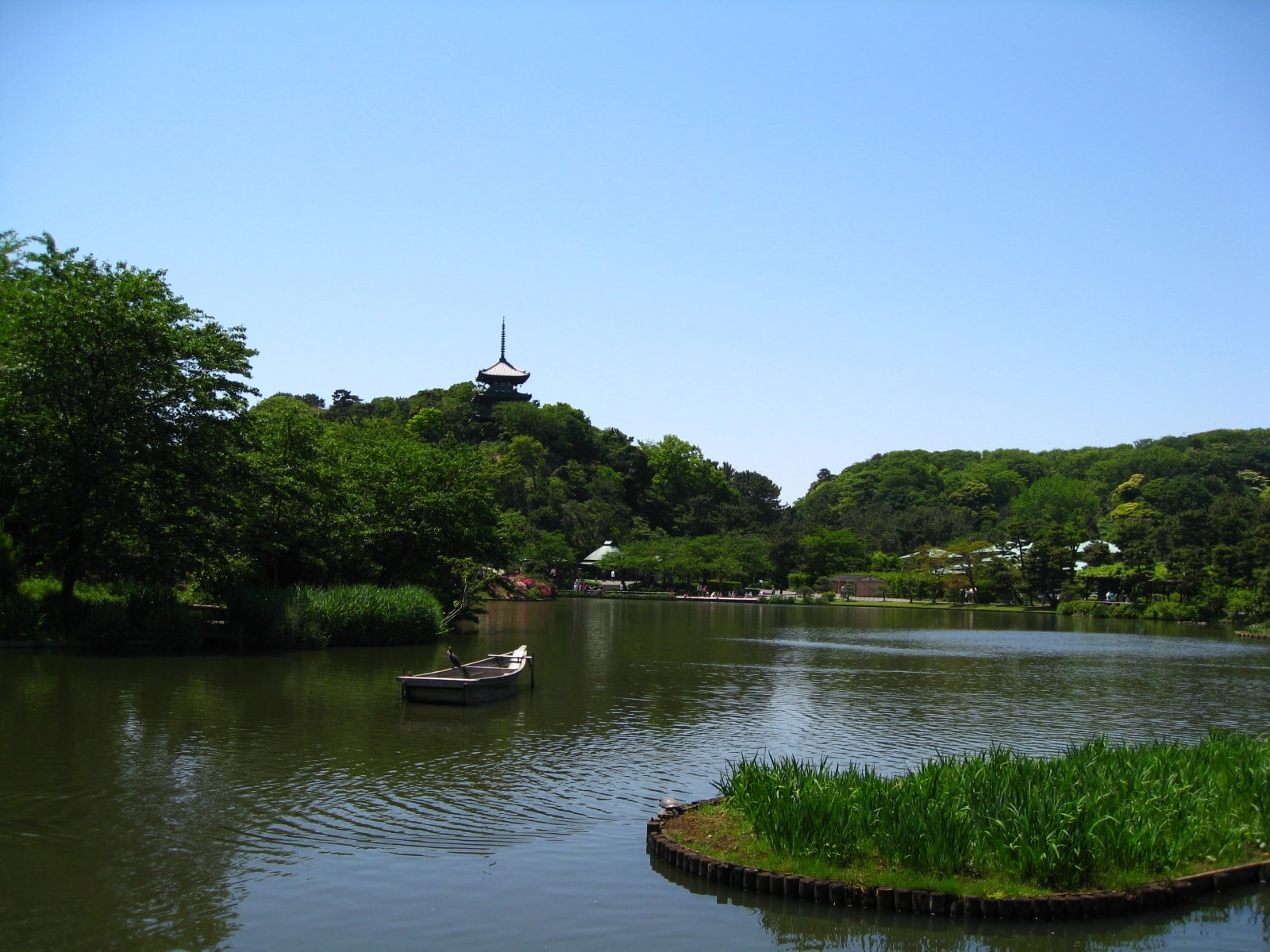
For something quieter, Sankeien is a traditional garden laid out by a silk merchant who bought historic buildings from Kyoto and Kamakura and moved them here, including a three storey pagoda from the fifteenth century. It sits away from the centre and most visitors never make it. Plum blossom in February, cherry in spring, maples in November.
Sankeien sits far enough from the waterfront that day trippers usually pick one or the other. On our Yokohama private tour with a local guide you get both, because the driving between them takes minutes rather than a train change.
Things to do in Yokohama sit along one curve of the bay. Minato Mirai holds the towers, the ferris wheel and the Red Brick Warehouse. Twenty minutes south on foot you reach Yamashita Park, Chinatown and the hillside houses of Yamate. Sankeien Garden is further out and worth the trip. Most visitors cover the waterfront in a single afternoon and evening.
The things to do in Yokohama are shaped by one date. In 1859 the port opened to foreign trade, and a fishing village of a few hundred people turned into the door Japan used to look at the rest of the world. Ice cream, beer, bakeries, the first daily newspaper and the first railway all arrived through here. The city has been comfortable with outside influence ever since, and it shows in how it eats and how it builds.
Minato Mirai is the postcard. Landmark Tower stands 296 metres over the bay with an observation floor near the top, the Cosmo Clock ferris wheel doubles as the world's largest clock, and the whole waterfront is glass, water and walkways. It looks best after dark. The Air Cabin ropeway now runs above the water between Sakuragicho and the Red Brick Warehouse, which is a short, silly, genuinely good ride.
Chinatown is the other half of the city's character. It is the largest in Japan, with around six hundred shops and restaurants packed into a grid you can cross in fifteen minutes, and the Kanteibyo temple sitting gold and loud in the middle of it. Come hungry. Steamed buns, hand pulled noodles and roast duck are the things people queue for.
Up the hill in Yamate, foreign merchants built wooden Western houses in the late nineteenth century and several are open to walk through, free of charge. Below them, Motomachi is an old shopping street with a European habit, and Yamashita Park runs along the water with the Hikawa Maru, a 1930 ocean liner, moored permanently at the edge.
For something quieter, Sankeien is a traditional garden laid out by a silk merchant who bought historic buildings from Kyoto and Kamakura and moved them here, including a three storey pagoda from the fifteenth century. It sits away from the centre and most visitors never make it. Plum blossom in February, cherry in spring, maples in November.
Sankeien sits far enough from the waterfront that day trippers usually pick one or the other. On our Yokohama private tour with a local guide you get both, because the driving between them takes minutes rather than a train change.
Things to do in Yokohama sit along one curve of the bay. Minato Mirai holds the towers, the ferris wheel and the Red Brick Warehouse. Twenty minutes south on foot you reach Yamashita Park, Chinatown and the hillside houses of Yamate. Sankeien Garden is further out and worth the trip. Most visitors cover the waterfront in a single afternoon and evening.