
Japanese etiquette is less about memorizing a rulebook and more about not making life harder for the people around you. Japan National Tourism Organization (JNTO) materials put it simply: show consideration, follow local cues, and you will be fine in most places. This japanese etiquette guide covers the habits that matter on a first trip, then points you to our deeper posts on Osaka manners, temple visits, restaurant rules, trains, and onsen bathing so you can dig in where you need detail.
Cultural Insights8 min read
Japanese Etiquette Guide: Dos and Don'ts for Travelers
A practical japanese etiquette guide for first-time travelers covering tipping, shoes, trains, restaurants, temples, and onsen manners, with links to deeper Ohayo guides.
By MickyEdited by Talha Nabeel
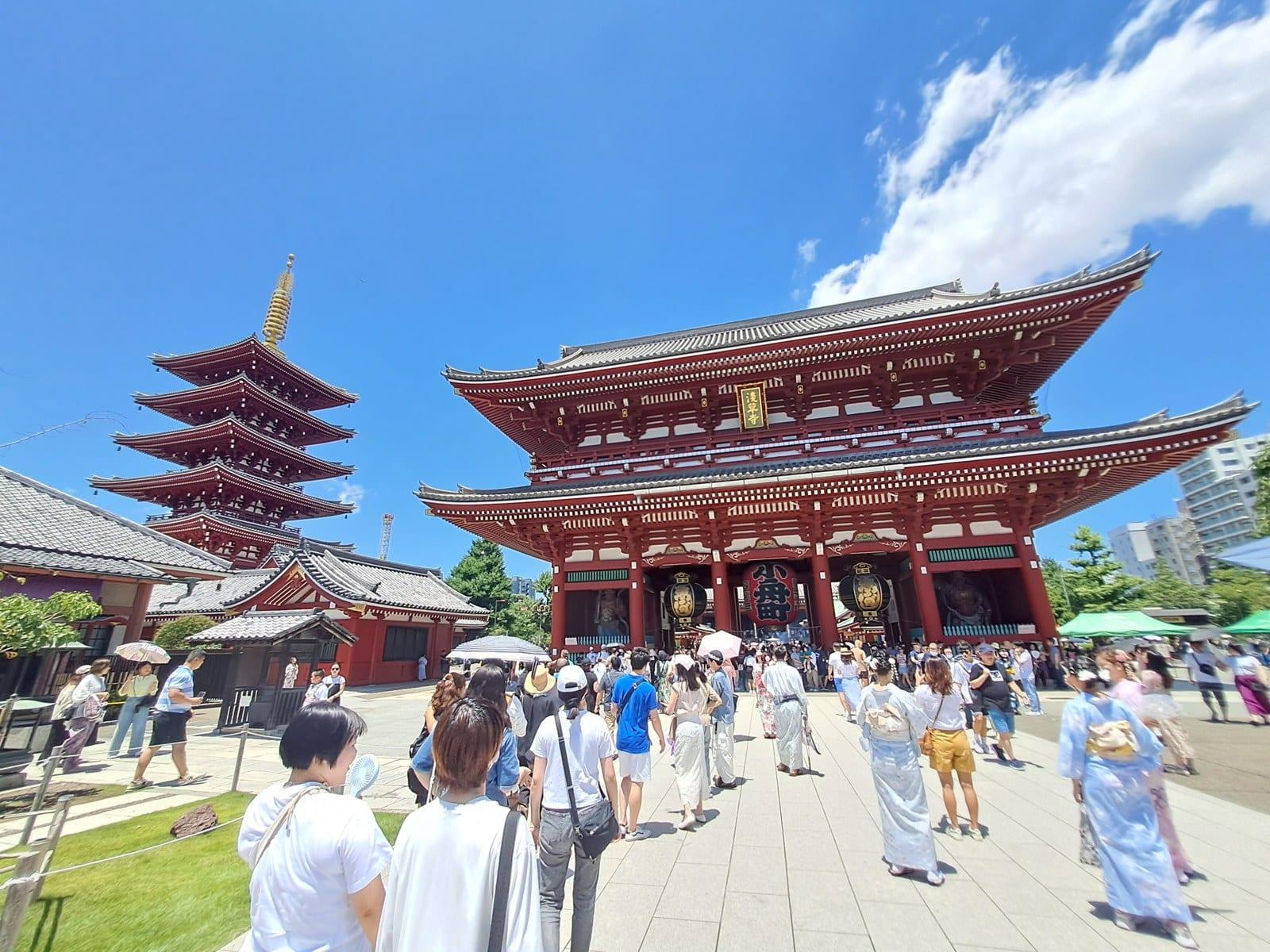
Japanese etiquette basics every traveler should know
A short list covers most of daily life in Japan.
Bowing is the default greeting. A small nod of the head is enough for shop staff, hotel clerks, and casual hellos. You do not need to master deep formal bows unless you are in a business setting. Handshakes happen, especially with people used to overseas visitors, but a bow never looks wrong.
Take your shoes off when you see a raised entry floor (the genkan), a row of slippers, or tatami mats. This applies in homes, ryokan, many temple halls, and some restaurants. Slip on the indoor slippers if they are provided, then leave them off on tatami. Wear shoes that come off quickly, and bring clean socks.
Tipping is not expected in restaurants, bars, taxis, or hotels. JNTO is clear that leaving cash on the table can confuse staff. Excellent service is already built into the price. If you want to thank a private guide, a discreet tip in a small envelope is the polite form, and it is optional.
Join the back of every line. People queue for trains, elevators, popular food stalls, and ticket machines. Cutting in feels more rude here than in many countries.
Carry your trash until you find a bin. Street trash cans are scarce. Convenience stores and stations usually have sorted bins for burnables, cans, and PET bottles. If you buy food from a stall, use that stall's bin for its packaging.
Keep public displays of affection light. Japanese people usually keep hugs, kisses, and big handshakes private. Match the people around you.
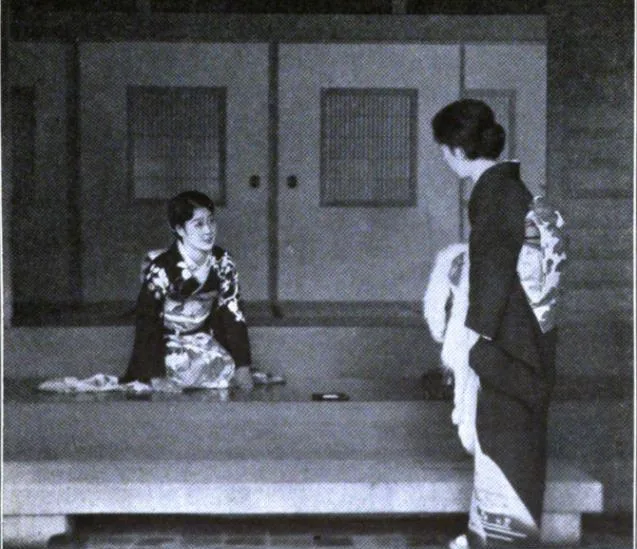
Photo: Genkan Japanese Entryway, public domain, via Wikimedia Commons.
Trains, stations, and sidewalk manners
Quiet phones and short conversations keep Japanese trains pleasant for everyone. Put your phone on silent, skip voice calls, and use headphones. Soft talking with a travel partner is fine. Priority seats are for older riders, pregnant passengers, and people with disabilities. Leave them free unless you need one.
Eat on the shinkansen if your seat has a tray, but skip snacks on crowded commuter trains. JNTO's responsible travel guidance makes the same distinction. Stand clear of doors so people can get off before you board, and follow the painted lines on the platform.
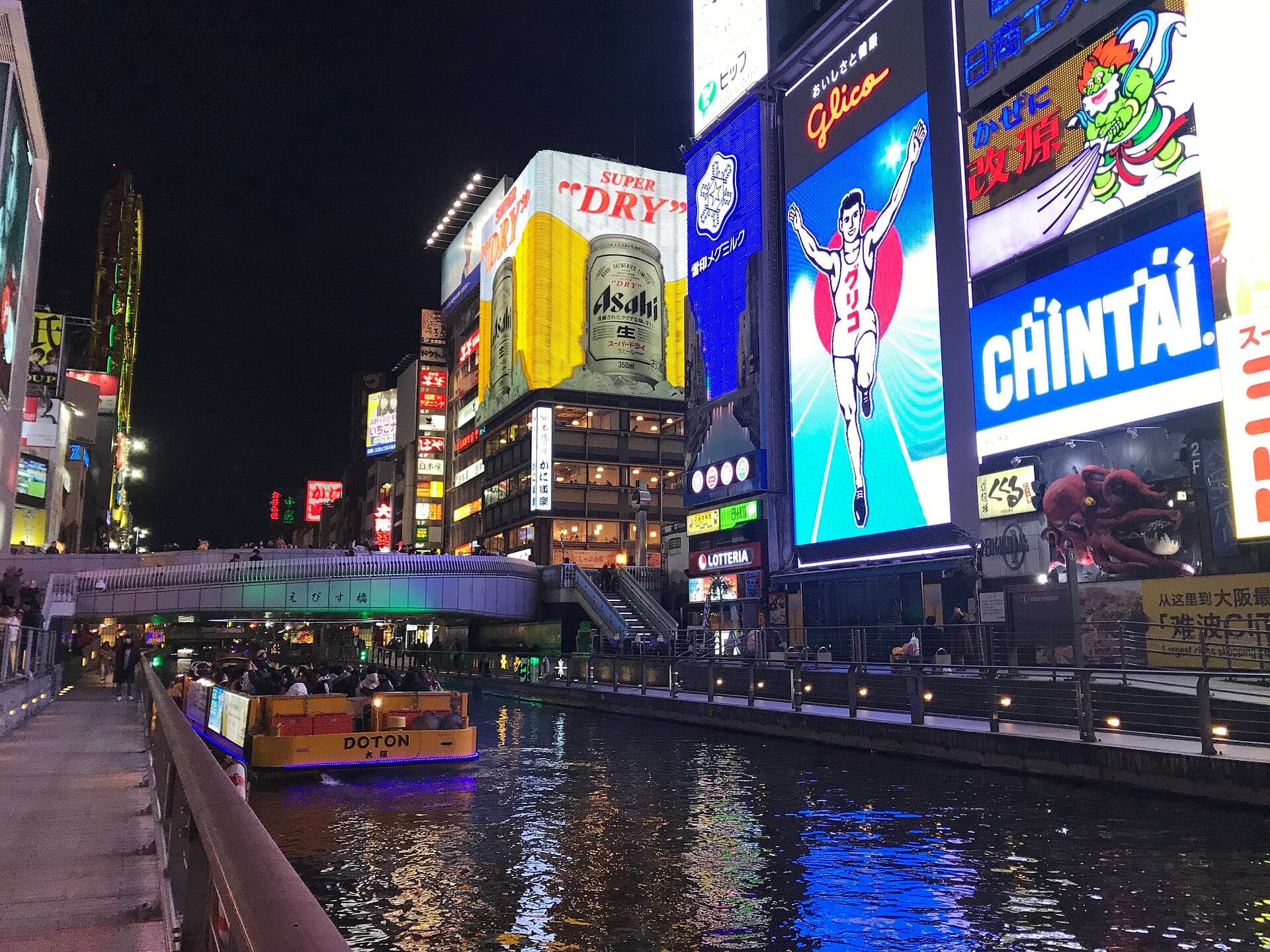
Escalator habits vary by region. In most of Japan people stand on the left. In Osaka they traditionally stand on the right. Railway companies now ask riders not to walk on escalators at all, so the safest move is to stand still on the local standing side and hold the handrail. Our Japan etiquette for tourists Osaka guide walks through that city's quirks, including escalators, street food, and the citywide smoking ban.
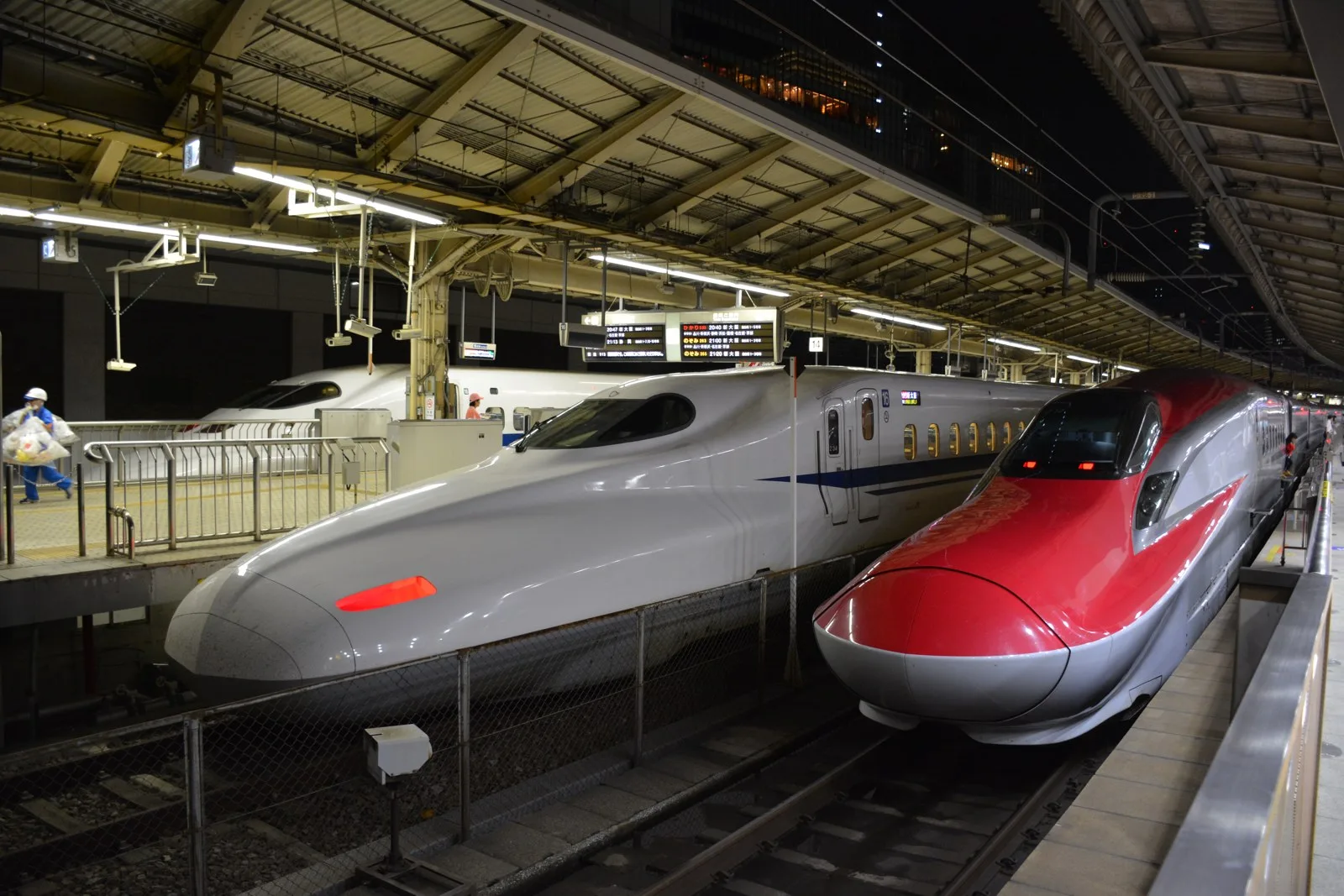
Photo: Tokyo Station Shinkansen platform, Cheng-en Cheng, CC BY-SA 2.0, via Wikimedia Commons.
Smoking rules are local. Many cities ban smoking while walking and limit it to marked booths. Check signs, and never drop butts on the street.
For a full rundown of station flow, luggage, and quiet-car habits, see public transport etiquette in Japan.
Restaurant and dining etiquette
Say itadakimasu before you eat and gochisousama deshita when you finish. Both phrases thank the food and the people who made it.
Chopstick basics matter. Do not stick chopsticks upright in a bowl of rice. Do not pass food from chopsticks to chopsticks. Rest them on a holder or across your dish between bites. At sushi counters, dip the fish side lightly in soy sauce rather than soaking the rice. Slurping ramen or soba is normal and can even signal enjoyment. You do not have to slurp if you dislike the sound.
Pour drinks for others at your table before refilling your own glass. Pay at the register in many casual spots rather than leaving cash on the table. Never tip.
Street food is best eaten at or next to the stall. Walking while eating is not illegal, but it is frowned on in crowded shopping streets. Our Japanese restaurant etiquette guide covers seating, wet towels (oshibori), izakaya drinking customs, and how to split a bill without awkwardness.
Temple and shrine etiquette
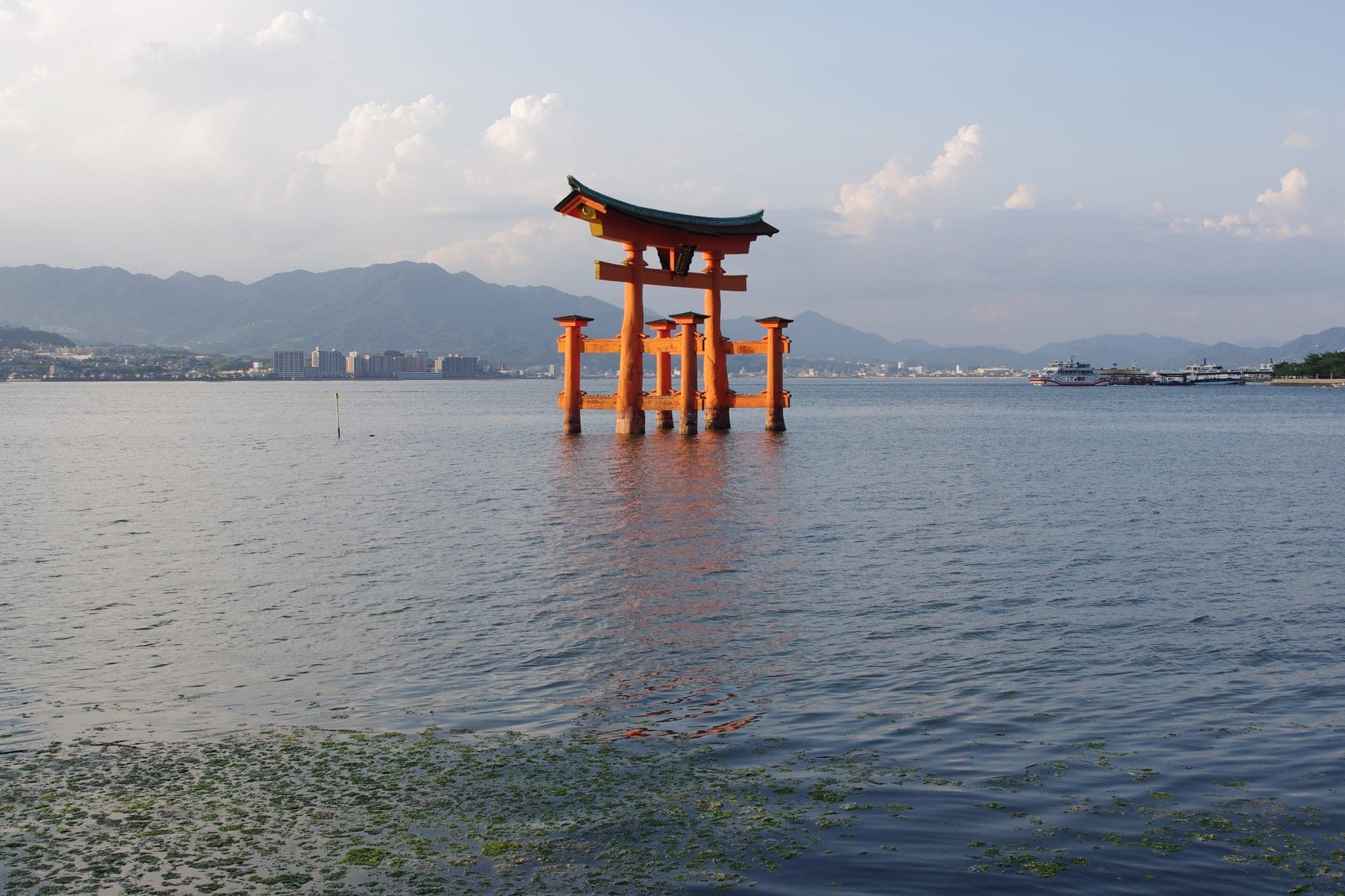
Shrines (Shinto) and temples (Buddhist) use different prayer styles. At a shrine you often bow twice, clap twice, then bow once. At a temple you offer a coin, put your hands together, and bow without clapping. Look for torii gates at shrines. Follow posted photo rules, and keep voices low inside halls.
Dress modestly. Cover shoulders when you can, avoid very short shorts in main halls, take off hats indoors, and wear shoes you can remove quickly. Many halls ask you to leave shoes at the entrance. Our Japan temple dress code guide covers what to wear by season and what to bring, from coins for offerings to a goshuincho stamp book.
For step-by-step visit flow, purification fountains, and hall manners, read temple visits in Japan and our Japanese temple etiquette overview. If you want a private day that pairs Senso-ji, Nezu Shrine, and classic gardens with an English-speaking driver guide, see our Tokyo Temples and Japanese Gardens Private Day Tour.
Onsen and public bath etiquette
Wash and rinse thoroughly at the shower stools before you enter the shared bath. Enter naked in standard gender-separated baths. Leave swimsuits in the changing room. Keep your small towel and your hair out of the water. Do not swim or splash. Speak softly, and leave phones outside the bathing area.
Tattoo policies vary. Some baths ban visible tattoos, some allow them if covered, and some municipal baths are more flexible. Check ahead, or book a private rental bath (kashikiri-buro) if you prefer privacy. JNTO's onsen guide walks through wash stations, towel placement, and tattoo notes in more detail, and our onsen etiquette in Japan guide focuses on first-timer mistakes. For a private day that includes bath time after Hakone sightseeing, see our Hakone Day Tour with Onsen from Tokyo.
Home, ryokan, and gift etiquette
In a home or ryokan, shoes come off at the genkan. Use the bathroom slippers only in the bathroom, then switch back. Yukata robes are usually wrapped left side over right. The reverse wrapping is linked with funerals, so skip that.
Gift giving is thoughtful but understated. Wrap neatly, avoid sets of four (the word for four sounds like death), and present gifts with both hands. When you receive a business card, take a moment to look at it before putting it away. Small snacks from your home country make easy omiyage for hosts.
A short list of don'ts
Do not tip in restaurants, taxis, or hotels unless you are thanking a private guide discreetly.
Do not talk on the phone on trains or buses.
Do not stick chopsticks upright in rice or pass food chopstick to chopstick.
Do not wear outdoor shoes on tatami or into temple halls that ask you to remove them.
Do not enter an onsen without washing first, and do not put your towel in the bath water.
Do not assume every city follows Tokyo escalator habits. Check Osaka separately.
Do not photograph people, sacred objects, or private spaces when signs say no.
How to practice japanese etiquette without stress
Locals know you are visiting. Effort counts more than perfection. Watch what people do, ask staff when you are unsure, and use a few phrases: sumimasen (excuse me or sorry), arigato gozaimasu (thank you), and onegaishimasu when asking for help.
If you prefer not to decode every custom alone, a private driver guide can handle temple shoe cues, restaurant pacing, and onsen logistics while you enjoy the day. That is the point of our cultural and day-tour options out of Tokyo, Osaka, Kyoto, and beyond.
Use this japanese etiquette overview as your map, then open the linked guides when you need city-specific or activity-specific detail. Respectful travel in Japan is mostly quiet phones, clean shoes at the door, and a little patience in line.
TopicsJapanese etiquetteJapan travelTravel tipsCulture
Frequently Asked Questions
Related posts
Ready to explore Japan?
Book a private tour with OHAYO TRAVEL JAPAN.
View all private tours · Browse by category · Destinations · Contact us