Japanese Restaurant Etiquette: What Every Visitor Should Know
A practical guide to Japanese restaurant etiquette and table manners, from ticket machines and chopstick rules to slurping, kanpai, and paying without tipping.
Japanese restaurant etiquette can look complicated from the outside, but most of it comes down to a few simple habits: respect the space, respect the food, and do not make extra work for the staff. Japanese hosts rarely expect visitors to know every rule, and a polite attitude covers most small mistakes. Still, knowing the basics makes meals more relaxed and helps you enjoy one of the best parts of any trip to Japan.
This guide walks through a typical meal from the moment you step inside to the moment you pay. It covers greetings, seating, chopsticks, slurping, drinking, and tipping, along with the common Japanese table manners that trip up first-time visitors.
Arriving and being seated
When you walk in, staff will usually call out "Irasshaimase!" which means "welcome." You do not need to reply. A nod or a smile is enough. Wait to be shown to a seat unless there is a ticket machine or a sign telling you to sit anywhere. At busy places, the host will ask how many people are in your group. Holding up fingers works fine.
In traditional restaurants with tatami floors, you will be asked to take off your shoes at the entrance or before stepping up onto the mat. Leave them neatly with the toes pointing out if there is space, and use the slippers provided if you need to walk to the toilet. Never wear toilet slippers back into the dining area, and never step on tatami with outdoor shoes or slippers.
Many casual noodle and rice bowl shops use a ticket machine near the door. Choose your dish, pay at the machine, and hand the ticket to the staff. Some machines have English buttons or photos, and many now accept IC cards.
The oshibori and ordering
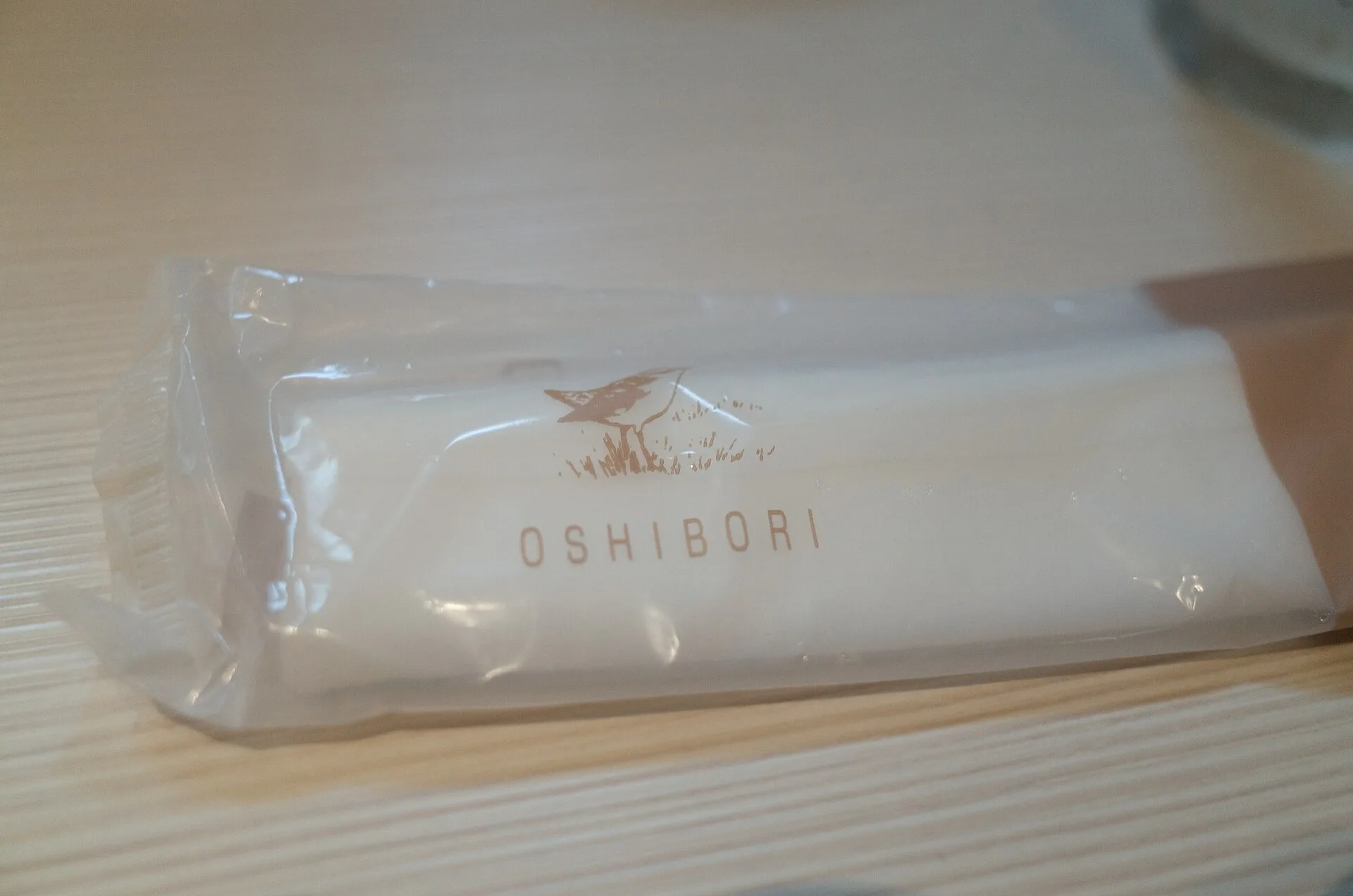
Most restaurants give you an oshibori, a wet towel, when you sit down. Use it to clean your hands, then fold it and set it aside. Avoid wiping your face with it in more formal places, even though you may see locals do it at casual izakaya.
To order, you can wait for staff to come over or call politely with "Sumimasen" (excuse me). Many restaurants have a call button on the table. Pointing at menu photos is perfectly acceptable. If you have allergies or dietary needs, a short written note in Japanese is far more reliable than trying to explain verbally.
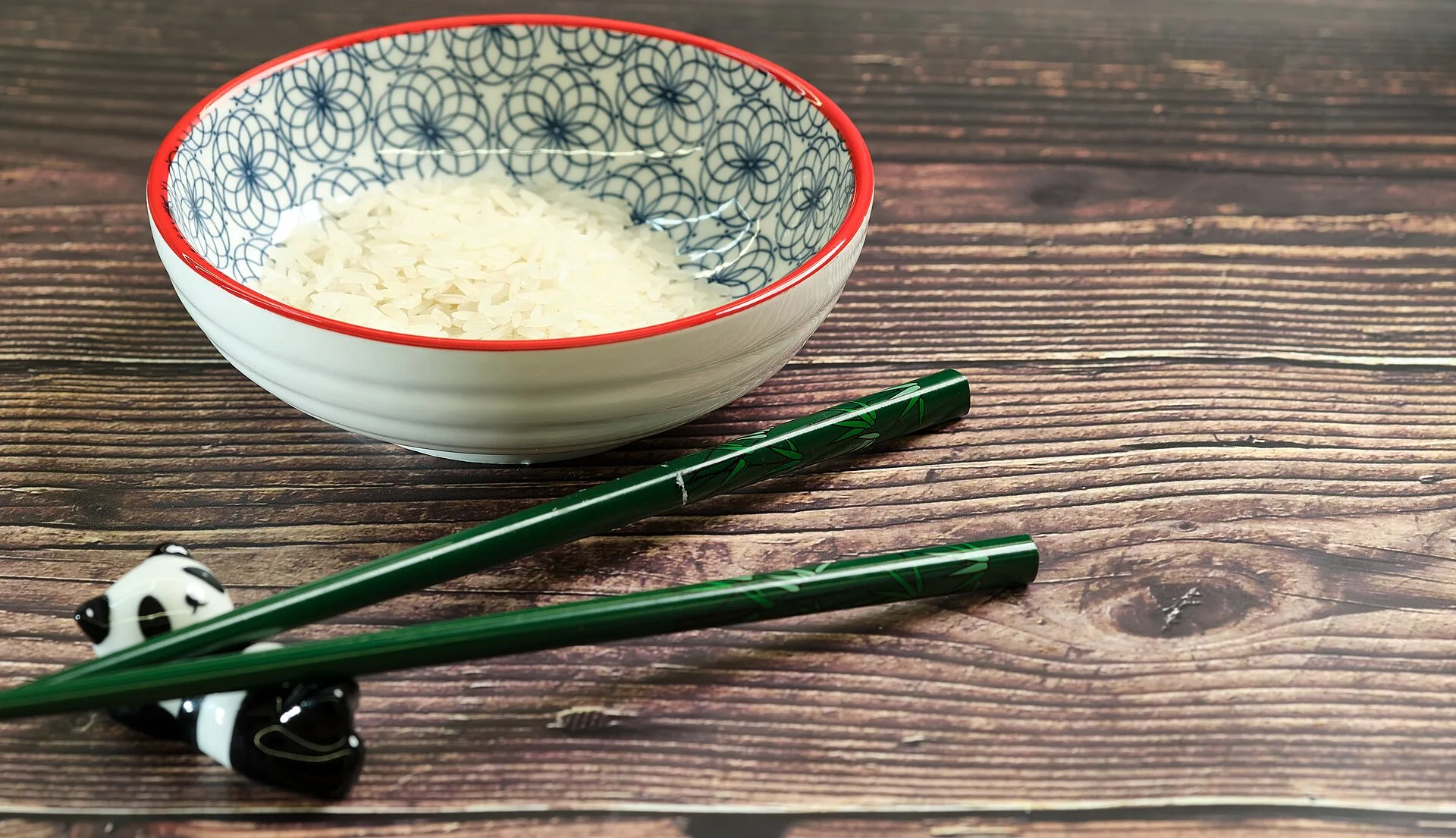
Chopsticks resting on a small chopstick rest on a table
Chopsticks on a chopstick rest. Photo: Flo2323 / Wikimedia Commons (CC0).
Japanese table manners with chopsticks
Chopsticks are where most visitors worry, and a few rules matter much more than others. These are the key Japanese table manners to remember:
Do not stand chopsticks upright in rice. This resembles an offering at funerals and is the one rule almost everyone in Japan will notice.
Do not pass food from chopsticks to chopsticks. This also echoes a funeral ritual. Place food on the other person's plate instead.
Use the chopstick rest. When you pause, lay your chopsticks on the hashioki, or across the edge of your plate if there is none. Do not leave them sticking out of a bowl.
Do not point or wave with them. Put them down when you talk with your hands.
Do not spear food or drag dishes toward you with chopsticks.
For shared plates, use serving chopsticks if provided, or the opposite, unused end of your own pair.
If you struggle, it is fine to ask for a spoon or fork. Many restaurants keep them for children and visitors, and no one will mind.
Eating and drinking
Some customs that feel rude elsewhere are normal in Japan. Slurping noodles is accepted and even shows you are enjoying them. It also cools hot ramen or soba as you eat. You can lift small bowls such as rice and miso soup close to your mouth, and drinking soup straight from the bowl is normal.
Soy sauce is for dipping, not soaking. Pour a small amount into the dish, and with nigiri sushi, dip the fish side lightly rather than the rice. In many sushi restaurants, the chef has already seasoned the piece, so taste it first. Eating sushi with your hands is completely acceptable.
When drinking with a group, wait until everyone has a drink and someone says "Kanpai" (cheers) before you start. It is polite to pour drinks for others and let them fill your glass in return. If you do not want more, leave your glass a little full.
Try to finish what you order. Leaving lots of food can suggest you did not enjoy it, and wasting rice is frowned upon. Order a little at a time, especially at izakaya where dishes come out one by one.
Rolled oshibori wet towel served at a Japanese restaurant
An oshibori served before a meal. Photo: whity / Wikimedia Commons (CC BY 2.0).
How the rules change by restaurant type
Japanese restaurant etiquette shifts a little depending on where you eat. At a ramen counter, the pace is fast. Eat while it is hot, avoid lingering after you finish, and return your bowl to the counter if others do. At a conveyor belt sushi shop, take plates directly from the belt, never put a plate back once you have touched it, and use the tablet or button to order specific items.
Izakaya are relaxed pubs where groups share many small dishes, so ordering in rounds and chatting loudly is normal. Kaiseki and high-end sushi restaurants are the opposite. Arrive on time, avoid strong perfume that can overpower the food, and follow the chef's lead on how to eat each course. Reservations are often required for these places, and late cancellations can carry a fee.
Phones, noise, and other habits
Keep your voice at a normal indoor level, especially in small restaurants and counter seats. Take phone calls outside, and keep photos quick and quiet. At high-end places, ask before photographing the chef or other guests. Blowing your nose at the table is considered unpleasant, so step away to the restroom instead.
Eating while walking is generally avoided in Japan, though it is more accepted at festival stalls and some street food areas. If you buy food from a stand, eat it nearby and use the trash bin provided.
Paying and leaving
In most restaurants, you pay at the register near the exit rather than at the table. Staff may bring the bill to your table or leave it face down. Take it to the counter when you are ready to go. Many places now accept credit cards and IC cards, but smaller shops may be cash only, so carry some yen.
Do not tip. Tipping is not part of Japanese culture, and staff may chase you down the street to return the money. Excellent service is simply standard. Some upscale restaurants add a service charge to the bill, and izakaya often add a small table charge, called otoshi, which comes with a small appetizer.
As you leave, say "Gochisosama deshita," which roughly means "thank you for the meal." It is a small phrase that staff truly appreciate, and it is the best way to end any meal.
Quick recap of Japanese restaurant etiquette
Wait to be seated and remove shoes on tatami.
Use the oshibori for hands, and order with "Sumimasen."
Never stand chopsticks in rice or pass food between chopsticks.
Slurp noodles, lift small bowls, and use soy sauce lightly.
Wait for "Kanpai" before drinking and pour for others.
Pay at the register and never tip.
Eat with a local guide
The easiest way to feel confident is to eat alongside someone who knows the customs. On our Osaka private day tour by car, you can sample street food in the city known as Japan's kitchen. Our Kyoto private tour pairs temples with traditional dining culture, and the Yokohama private tour includes the country's largest Chinatown. For a relaxed small-town lunch, try the Kawagoe private day tour.
Once you know the basics of Japanese restaurant etiquette, every meal becomes easier and more enjoyable. Browse our private tours or contact us to plan food stops into your trip.
TopicsJapanese FoodEtiquetteJapan Travel TipsDining in JapanCulture
Frequently Asked Questions
No. Tipping is not part of Japanese culture, and staff may even chase you to return money left on the table. Good service is considered standard. Some upscale restaurants add a service charge to the bill, and many izakaya add a small table charge, called otoshi, which comes with a small appetizer.
No. Slurping noodles such as ramen, soba, and udon is normal in Japan and is often seen as a sign that you are enjoying the meal. It also helps cool hot noodles as you eat. You do not have to slurp loudly, but there is no need to feel embarrassed about the noise.
Never stand chopsticks upright in a bowl of rice and never pass food from one pair of chopsticks to another, because both are linked to funeral rituals. Rest chopsticks on the holder when you pause, avoid pointing with them, and use serving chopsticks or the unused end of your own pair for shared dishes.
Call staff politely with Sumimasen, press the table call button, or use a ticket machine near the entrance at casual shops. Pointing at menu photos is fine. To pay, take the bill to the register near the exit rather than paying at the table. Many places accept cards, but carry cash for small shops.
Only in places with tatami floors or raised seating areas. Staff will usually show you where to leave your shoes, and slippers may be provided for walking to the toilet. Never wear toilet slippers back into the dining area, and never step on tatami with shoes or slippers. Most modern restaurants do not require removing shoes.
Before eating, people often say Itadakimasu, which expresses thanks for the food. When leaving a restaurant, say Gochisosama deshita, which roughly means thank you for the meal. Staff appreciate the effort from visitors, and these two phrases are an easy way to show respect for the cooks and for Japanese dining customs.