Onsen etiquette in Japan is simpler than it looks once you know the order: wash first, soak nude, keep towels out of the water, and stay quiet. Get those right and the rest feels natural, even on your first visit.
This guide walks through wash-before-enter, clothing rules, gender separation and konyoku, tattoos, what to bring, and how to rinse after. It also covers Hakone-style day soaks and private ryokan baths if you want more privacy.
Cleanliness comes first. Sit at the shower stools beside the bath, scrub with soap, and rinse until no foam remains. Hair goes up or gets washed thoroughly so oils and shampoo do not float into the shared water. Take your time; rushing leaves residue and annoys regulars.
Do not step into the pool with soap on your skin. The soak water is for soaking, not washing. If you stand up mid-soak and return later, a quick rinse at the stool is polite.
Most public onsen ban swimsuits and underwear. You bathe nude. A small towel comes with the visit for modesty while you walk between the locker room and the water. Place it on the edge of the bath or on your head while you soak. Never dip it in the water.
Large drying towels stay in the changing room. Bring one if the facility only rents small towels, or rent a set at the counter. Enter quietly, avoid splashing, and keep phone use out of the bathing area.
Traditional ryokan entrance with noren curtain
Entrance of Arai Ryokan in Izu. Photo: Batholith / Wikimedia Commons (Public domain).
Most city and hotel onsen split men's and women's baths. Curtains or noren mark the entrances; colors and kanji vary, so check the signs twice. Families with small children follow house rules on which side a child may join a parent.
Mixed baths, called konyoku, still exist in some rural spots and older inns. They are uncommon near Tokyo and often have time windows or towel rules of their own. If you are traveling as a couple and want to soak together, book a ryokan with a private bath (kashikiriburo) or an in-room open-air tub instead of hunting for konyoku.
Tattoos still trigger bans at many traditional baths because of old associations with organized crime. Policies are shifting, especially in tourist areas, but you should never assume entry. Check the website, email ahead, or ask your hotel desk.
Small tattoos can sometimes be covered with a waterproof patch sold at drugstores. Large pieces are harder. Tattoo-friendly day spas and some hotel baths list their rules clearly online. Travel apps that filter onsen by tattoo policy help when you are short on time; see our must-have apps for traveling Japan for planning tools.
You usually do not need a full shower afterward. Mineral water is part of the point, and rinsing it all off defeats that. Pat dry gently with your towel. If the water is strongly sulfurous or your skin feels sticky, a light rinse of face and hair is fine. Follow any posted house rule.
Drink water before and after. Hot soaks dehydrate you faster than you expect, especially if you bounce between outdoor and indoor pools.
-
Small towel for modesty in the bathing area (often provided or rented).
-
Large towel for drying in the locker room if not included.
-
Your own toiletries if you prefer specific shampoo or soap; many places stock basics.
-
Hair tie so long hair stays out of the water.
-
Waterproof tattoo cover if needed and allowed.
-
Change of clothes and a plastic bag for damp towels.
-
Cash for entry, towel rental, and lockers at smaller inns.
Leave phones, cameras, and food in the locker. Most baths ban photography in changing and bathing rooms.
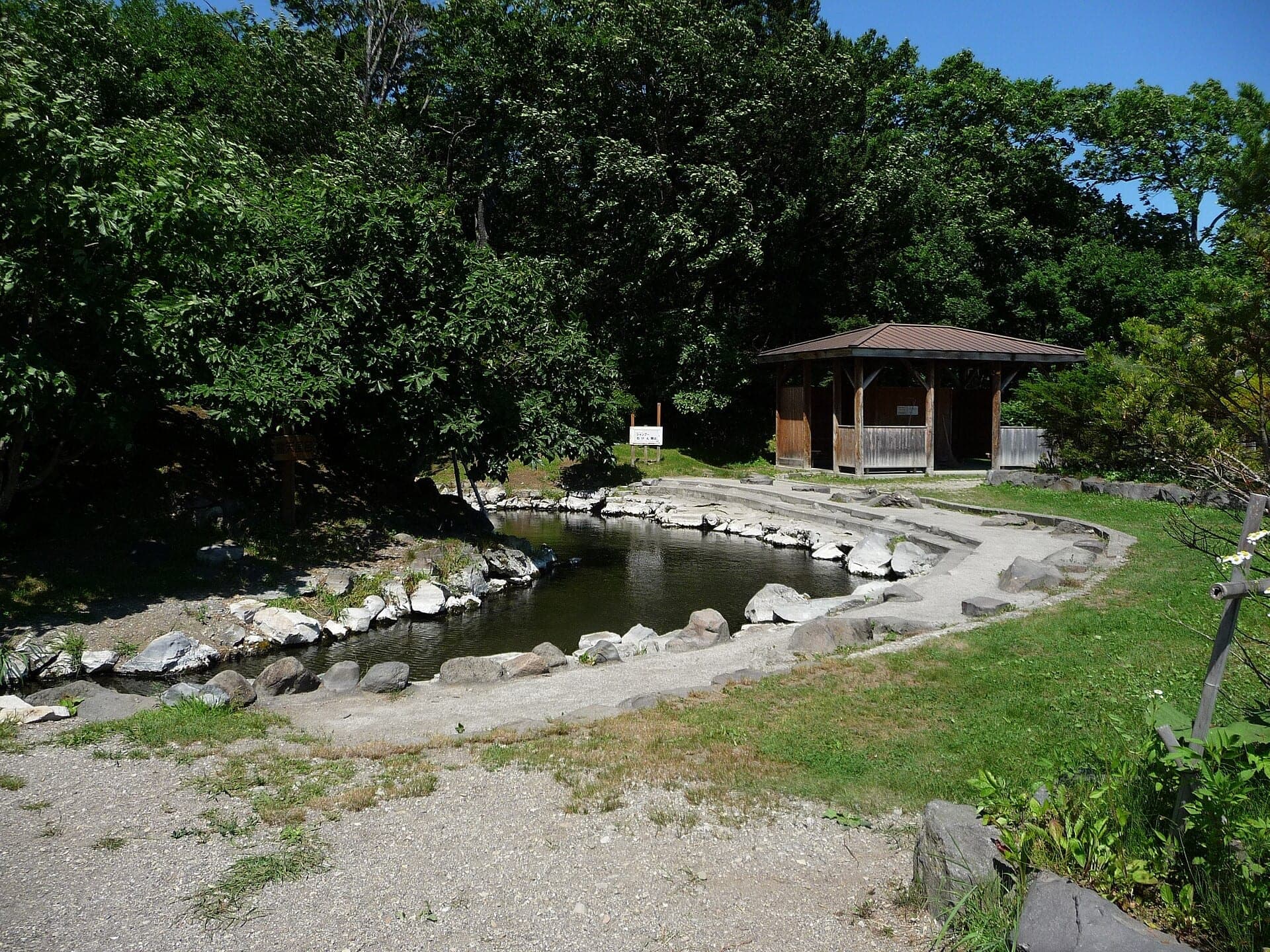
Steam rising from Noboribetsu Onsen hell valley
Steam at Noboribetsu Onsen. Photo: Calistemon / Wikimedia Commons (CC BY-SA 4.0).
Hakone is the easiest mountain onsen day from Tokyo: sculpture park or lake in the morning, soak in the afternoon, back to the city by evening. A guided day removes Freepass timing stress and builds in bath time. Try the Hakone Day Tour with Onsen from Tokyo, or the scenery-focused Hakone Private Day Tour: Sculptures & Scenery if you want more outdoor stops and less bath time.
For overnight calm, a ryokan with private or in-room onsen is worth the upgrade when tattoos, modesty, or couples bathing matter. Our best ryokan stays in Japan guide covers how to choose inns with private baths and what to expect from kaiseki meals and yukata.
The usual slip-ups are easy to avoid: soap still on skin when you enter, towel floating in the bath, loud phone talk in the changing room, and jumping straight into the hottest outdoor pool. Cool down between long soaks. If you have an open cut, feel unwell, or recently drank alcohol, skip the bath — staff would rather you rest than push through.
Watch one local for thirty seconds if you feel unsure where to put the towel or which noren is yours. Copying quietly beats guessing out loud.
Start cooler if there are multiple pools, then move hotter. Keep voices low. Do not swim or dive. If you feel lightheaded, sit on the edge, cool down, and drink water. Staff will help if you look unsure; a short bow and a simple question go a long way.
Once onsen etiquette in Japan feels familiar, the soak stops being stressful and starts being restful. Wash, soak, dry, hydrate, and leave the bath as clean as you found it. That is the whole job.
For a first soak, pick a place that makes the rules easy to follow. Large day-use bathhouses in Hakone, Kinugawa, and Kusatsu usually post English signs, sell towel sets at the counter, and have lockers with keys on wristbands. Small local sento are cheaper and more atmospheric, but staff may speak little English and towels are rarely included, so bring your own.
Look at the opening hours before you go. Many day-use baths close in the early evening, and ryokan public baths often switch the men's and women's sides overnight, so the noren you used at dinner may lead somewhere else in the morning. Read the sign each time rather than relying on memory.
Price varies a lot. A neighborhood sento costs a few hundred yen, a resort day pass can run two thousand yen or more, and a private family bath at a ryokan is often booked by the hour. Weekday mornings are the quietest time at almost every kind of bath, which helps if you want space to watch how locals move through the washing area before you join them.
If you only have one free day near Tokyo, Hakone is the simplest option: trains are frequent, the bath towns are compact, and you can pair a soak with lake views or a museum stop without rushing.
Want someone else to handle the trains, timing, and bath choice? Book the Hakone Day Tour with Onsen from Tokyo and your guide will explain the etiquette on the spot before you step in. Have questions about tattoos, private baths, or travelling with kids? Contact our team and we will help you plan a soak that fits your trip.