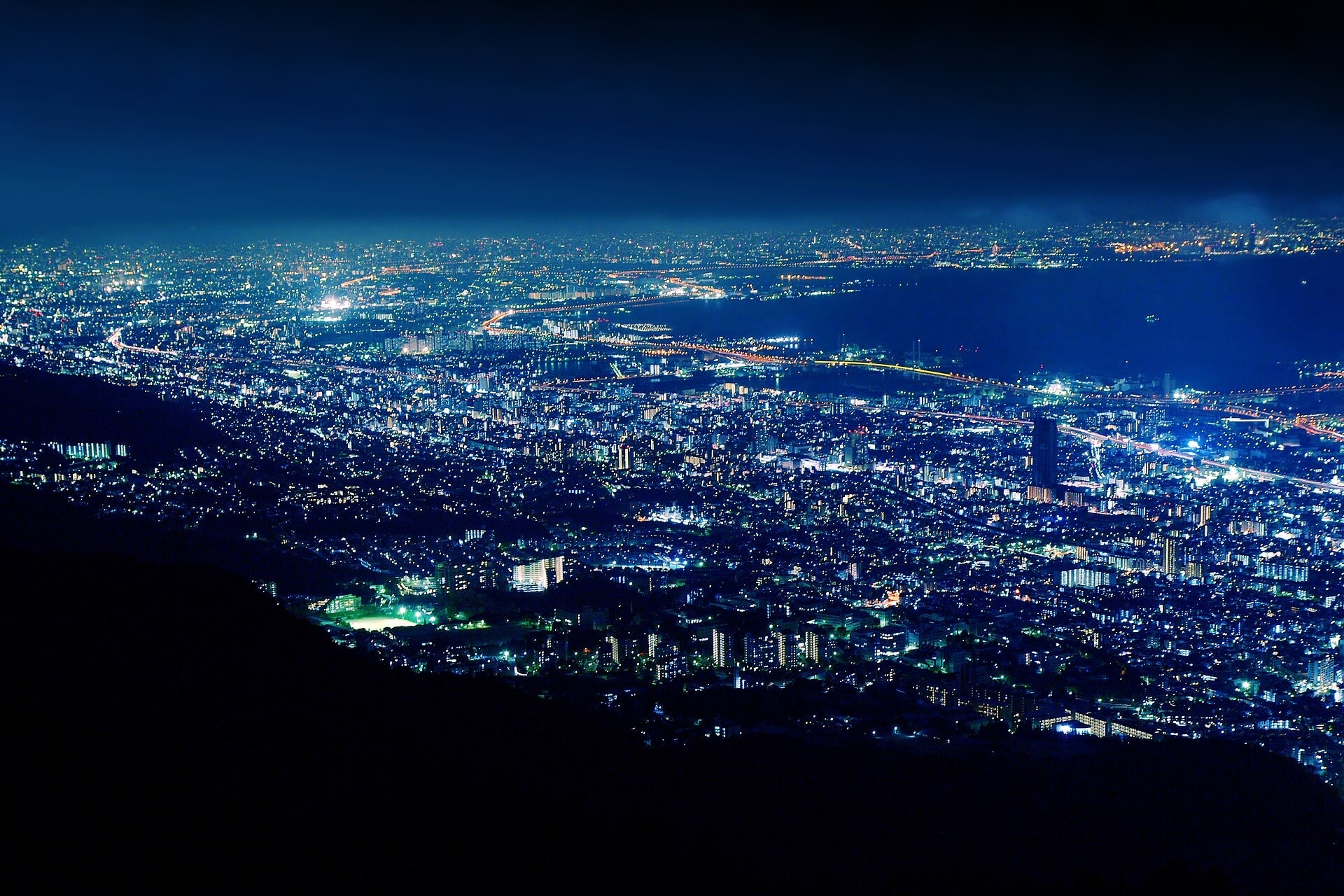
The things to do in Kobe are decided by geography before anything else. The city is squeezed into a strip roughly three kilometres wide, with the Rokko mountains behind it and the sea in front, so you are never far from either. That shape is why the night view from above is so famous. Lights fill the whole strip and stop abruptly at the water.
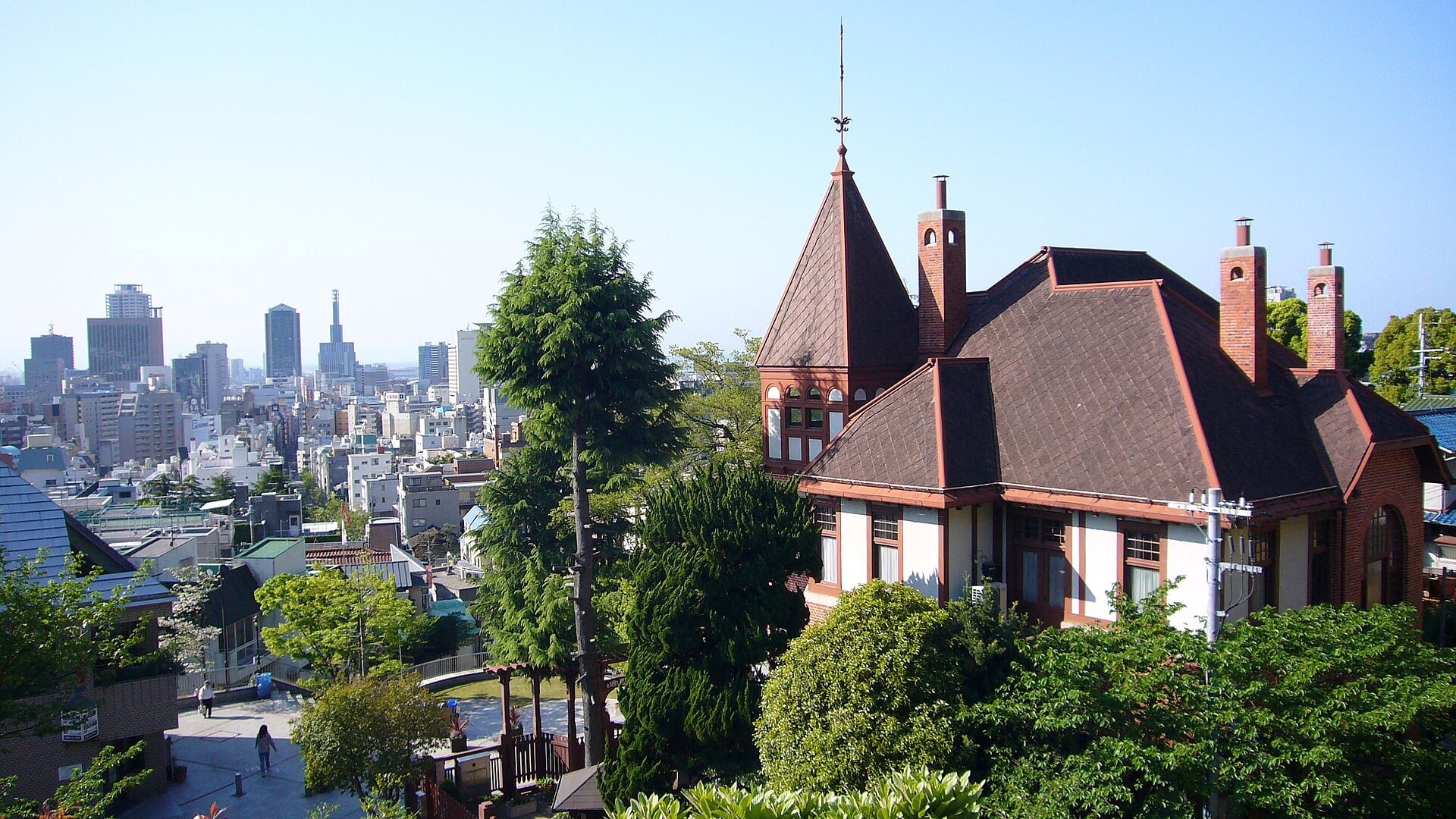
Kobe opened to foreign trade in 1868, and the merchants who arrived built their houses up the hill in Kitano. Around twenty of those wooden Western homes still stand and several can be visited, each with the character of wherever its owner came from. The lanes between them are steep, quiet and full of small bakeries and coffee shops, which is not an accident. Bread and coffee both entered Japanese daily life through this port.
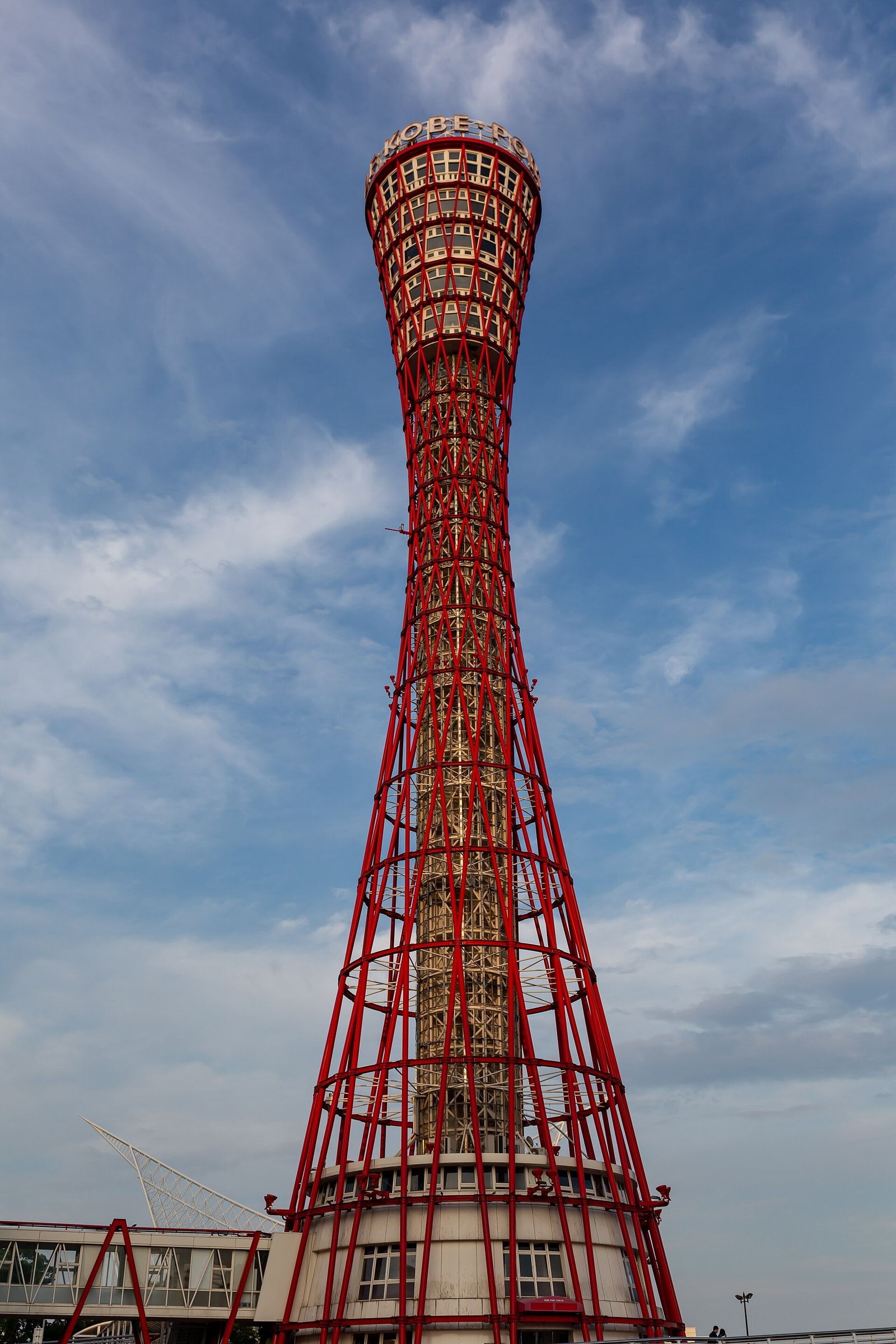
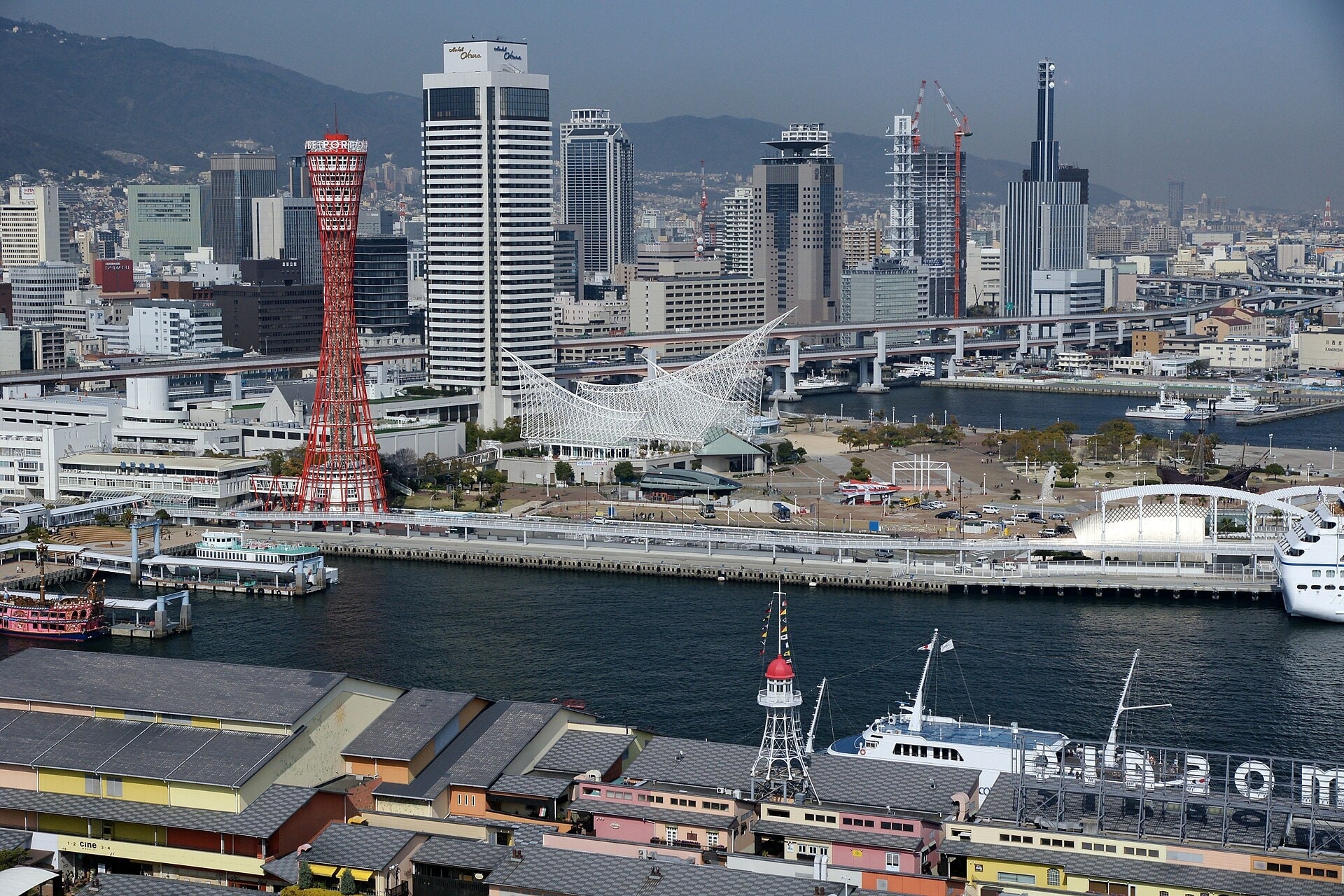
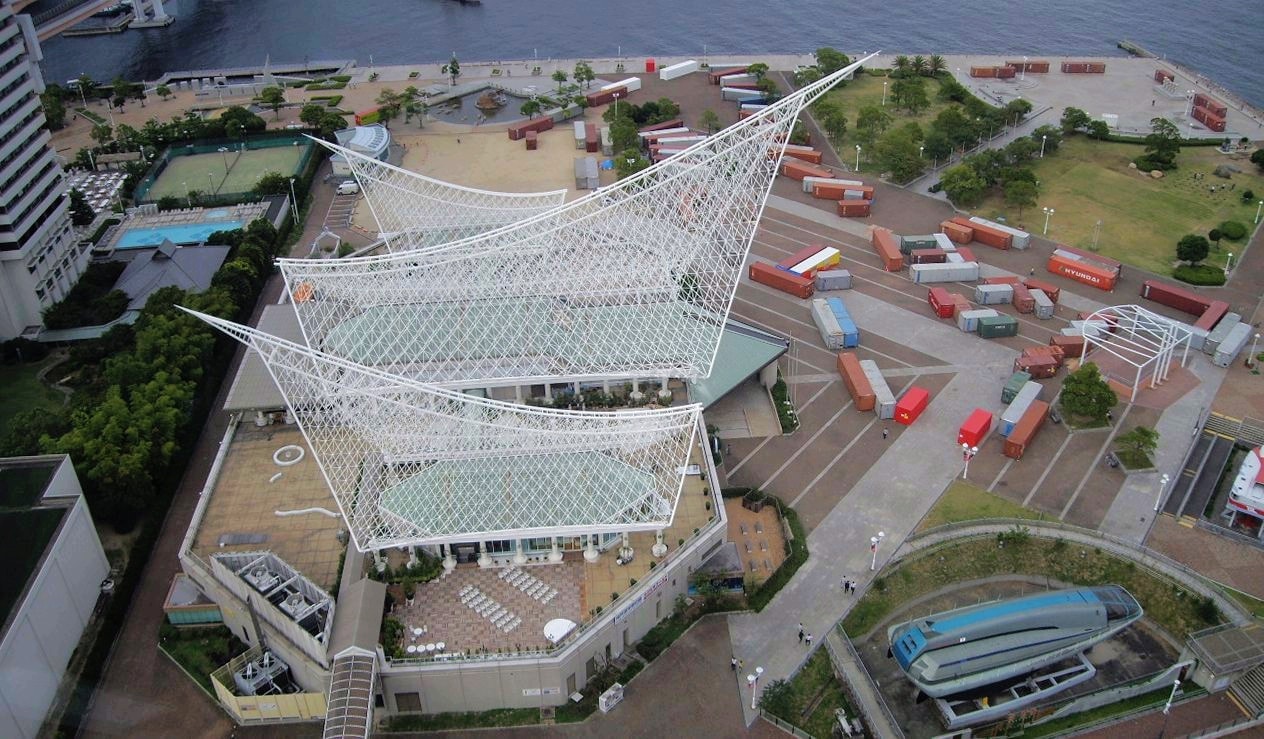
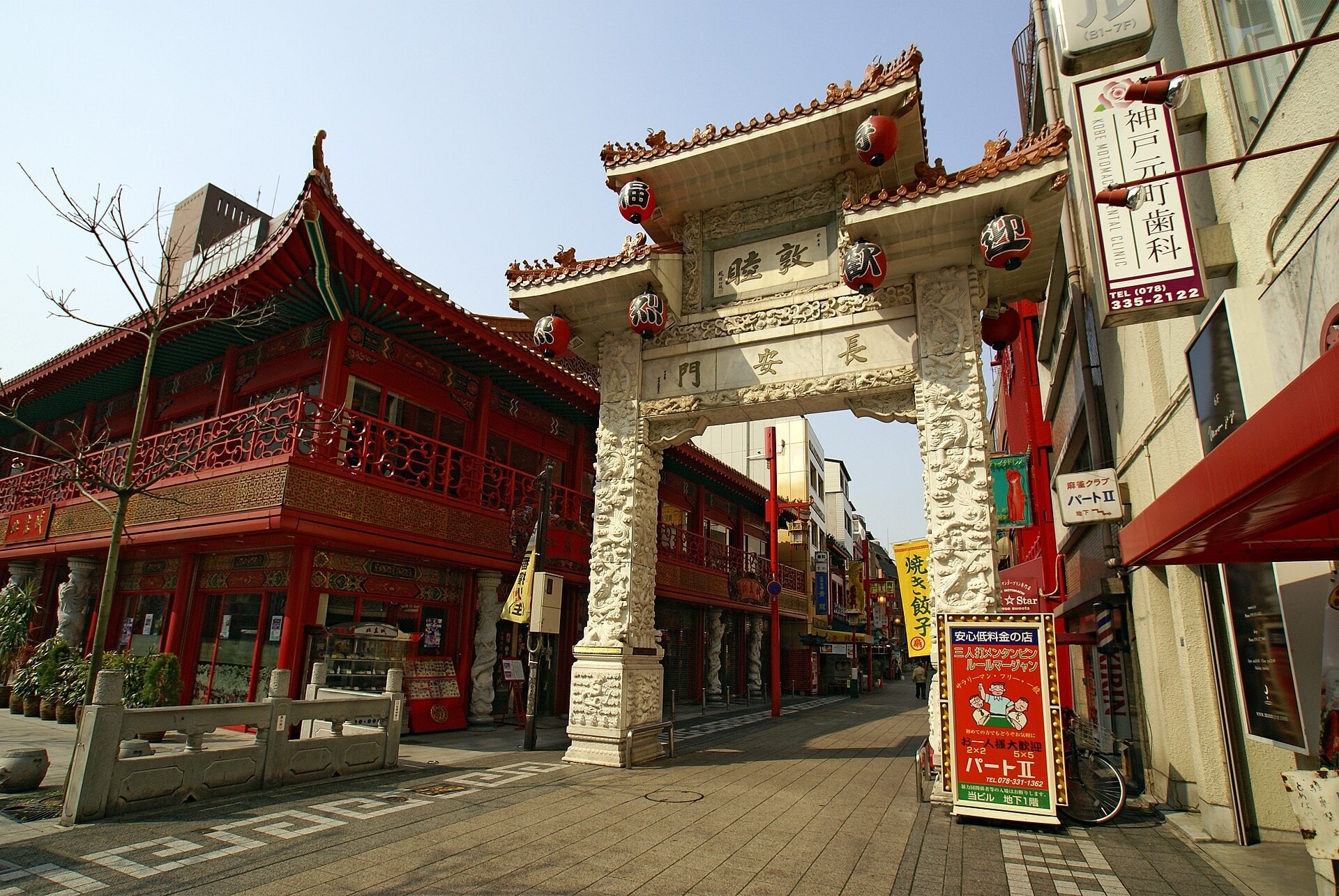
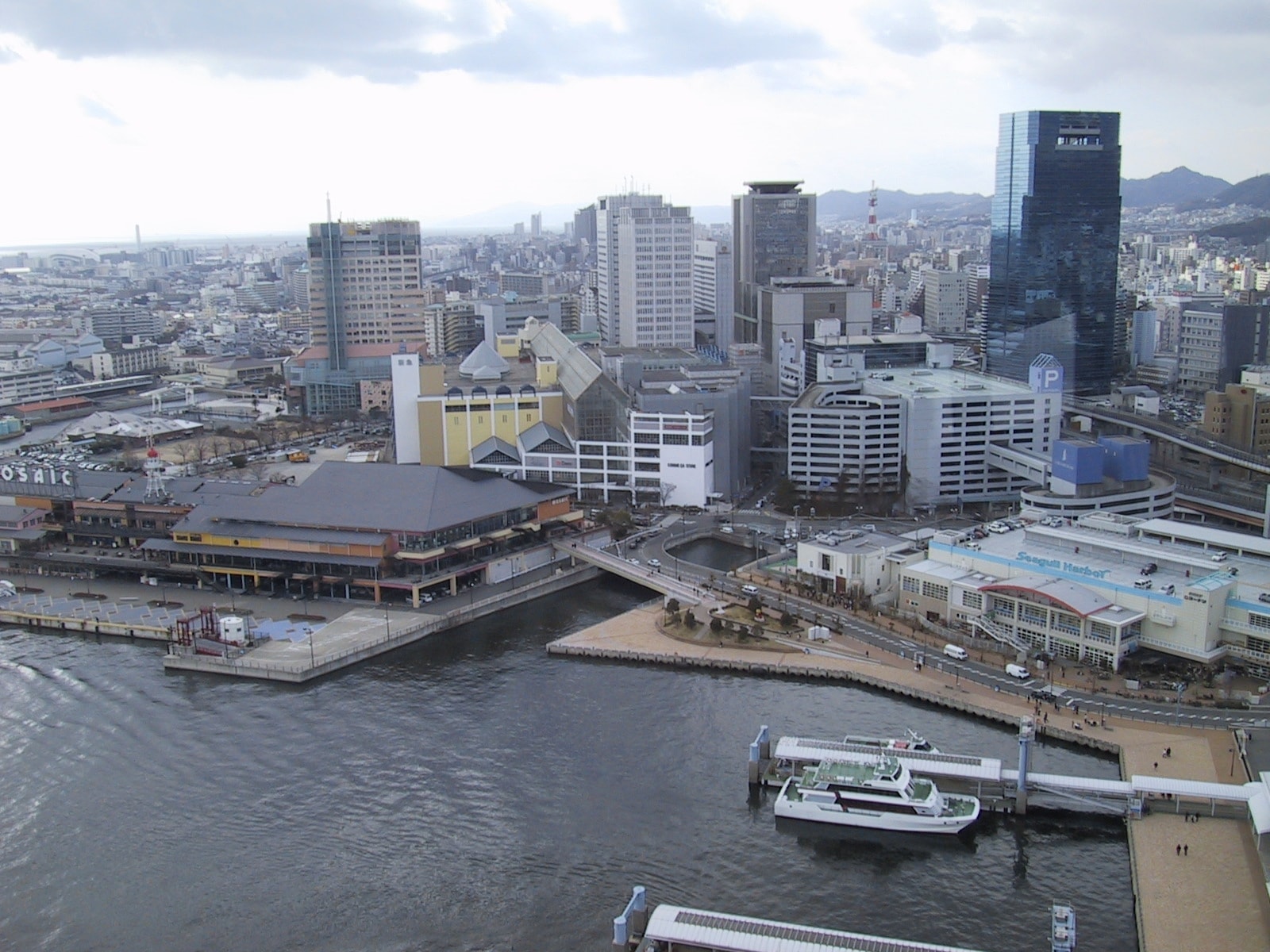
Down at sea level, Meriken Park and Harborland face each other across the water, with the red lattice of Kobe Port Tower in the middle. One corner of Meriken Park has been left exactly as the 1995 earthquake left it, a buckled section of quay kept as a memorial. Nankinmachi, the compact Chinatown near Motomachi, fills three streets with food stalls and is at its liveliest in the evening.
Then there is the beef. Kobe beef is a strictly certified grade of Tajima wagyu from Hyogo, and the restaurants that serve the real thing display their certificate and their lot numbers. A teppanyaki lunch costs a good deal less than the same cut at dinner, which is the usual advice locals give visitors.
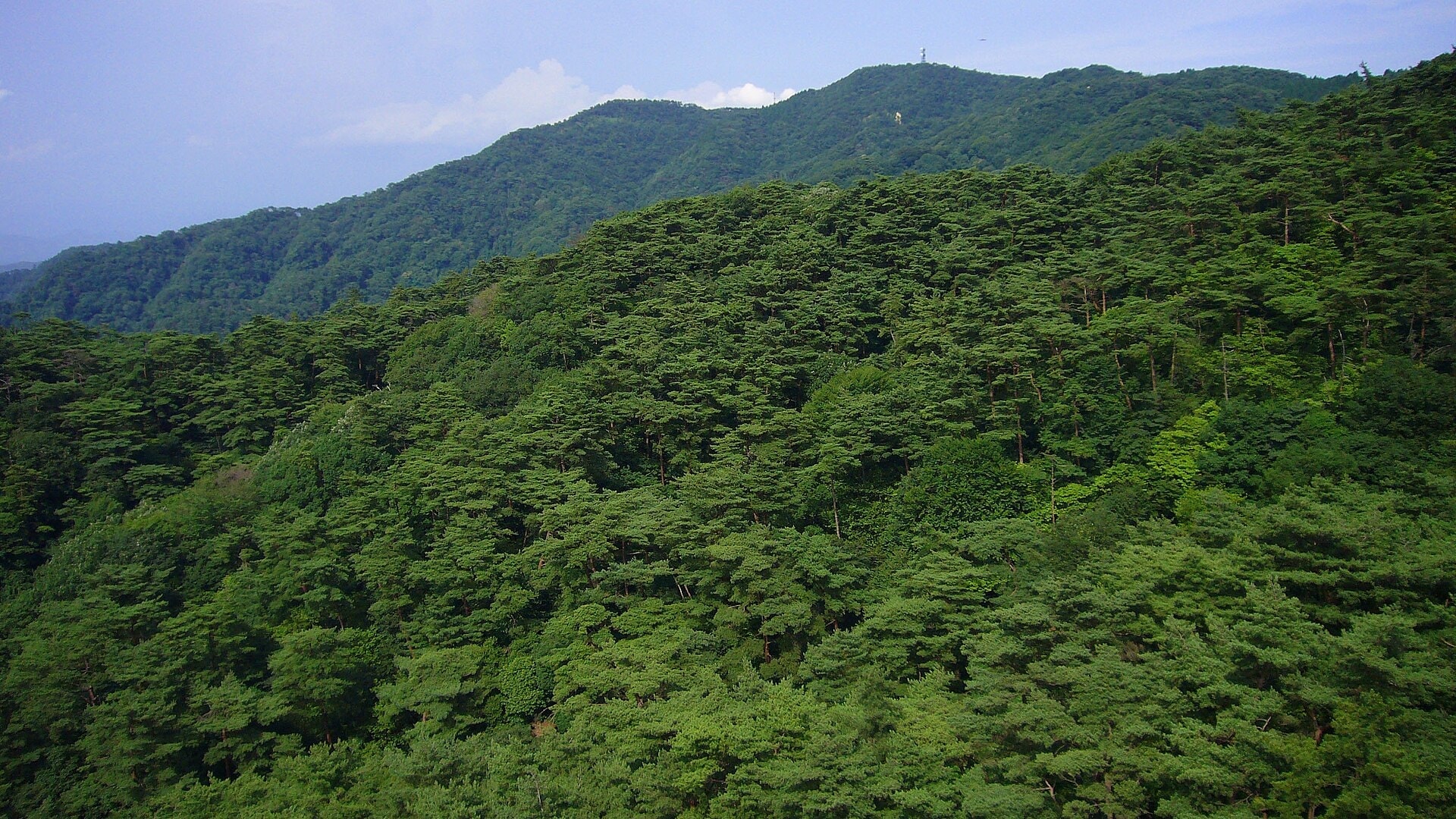
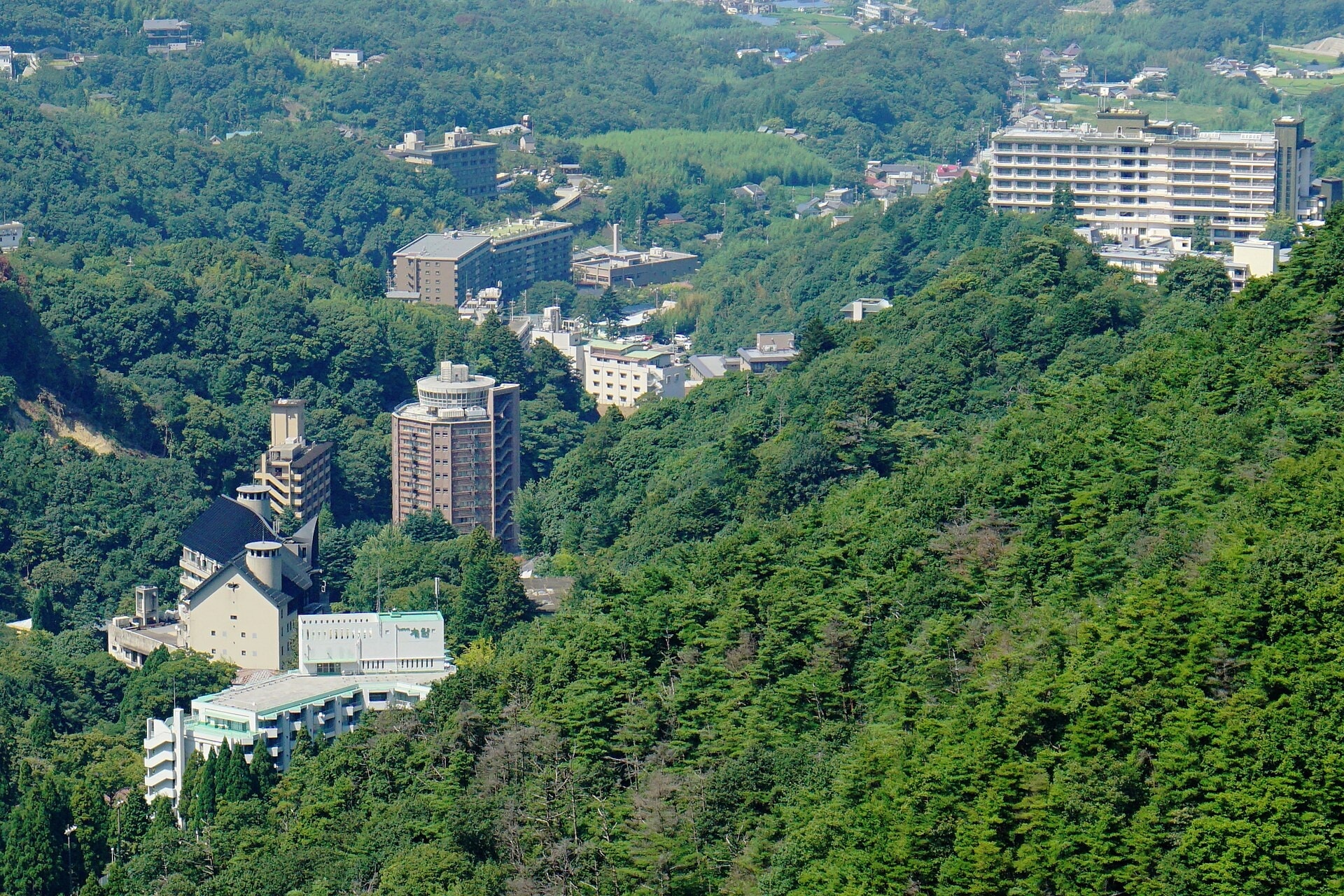
Behind the city, a cable car climbs Mount Rokko for the view, and on the far side sits Arima Onsen, one of the oldest hot spring towns in Japan. Its two waters, iron-red kinsen and clear ginsen, have been drawing bathers since long before Kobe was a port.
Things to do in Kobe stack up the hillside in layers. The waterfront holds Meriken Park, Harborland and the Port Tower. A few streets inland are Nankinmachi and Motomachi, then Kitano and its foreign houses on the slope above. Higher still, Mount Rokko has the night view and Arima Onsen on its far side. One day covers the city, two if you add the hot springs.
The things to do in Kobe are decided by geography before anything else. The city is squeezed into a strip roughly three kilometres wide, with the Rokko mountains behind it and the sea in front, so you are never far from either. That shape is why the night view from above is so famous. Lights fill the whole strip and stop abruptly at the water.
Kobe opened to foreign trade in 1868, and the merchants who arrived built their houses up the hill in Kitano. Around twenty of those wooden Western homes still stand and several can be visited, each with the character of wherever its owner came from. The lanes between them are steep, quiet and full of small bakeries and coffee shops, which is not an accident. Bread and coffee both entered Japanese daily life through this port.
Down at sea level, Meriken Park and Harborland face each other across the water, with the red lattice of Kobe Port Tower in the middle. One corner of Meriken Park has been left exactly as the 1995 earthquake left it, a buckled section of quay kept as a memorial. Nankinmachi, the compact Chinatown near Motomachi, fills three streets with food stalls and is at its liveliest in the evening.
Then there is the beef. Kobe beef is a strictly certified grade of Tajima wagyu from Hyogo, and the restaurants that serve the real thing display their certificate and their lot numbers. A teppanyaki lunch costs a good deal less than the same cut at dinner, which is the usual advice locals give visitors.
Behind the city, a cable car climbs Mount Rokko for the view, and on the far side sits Arima Onsen, one of the oldest hot spring towns in Japan. Its two waters, iron-red kinsen and clear ginsen, have been drawing bathers since long before Kobe was a port.
Things to do in Kobe stack up the hillside in layers. The waterfront holds Meriken Park, Harborland and the Port Tower. A few streets inland are Nankinmachi and Motomachi, then Kitano and its foreign houses on the slope above. Higher still, Mount Rokko has the night view and Arima Onsen on its far side. One day covers the city, two if you add the hot springs.