
Mastering Public Transport Etiquette in Japan
Navigate Japan's public transport respectfully with these essential etiquette tips. Learn the dos and don’ts for a smooth journey.
By Micky
Edited by Talha Nabeel
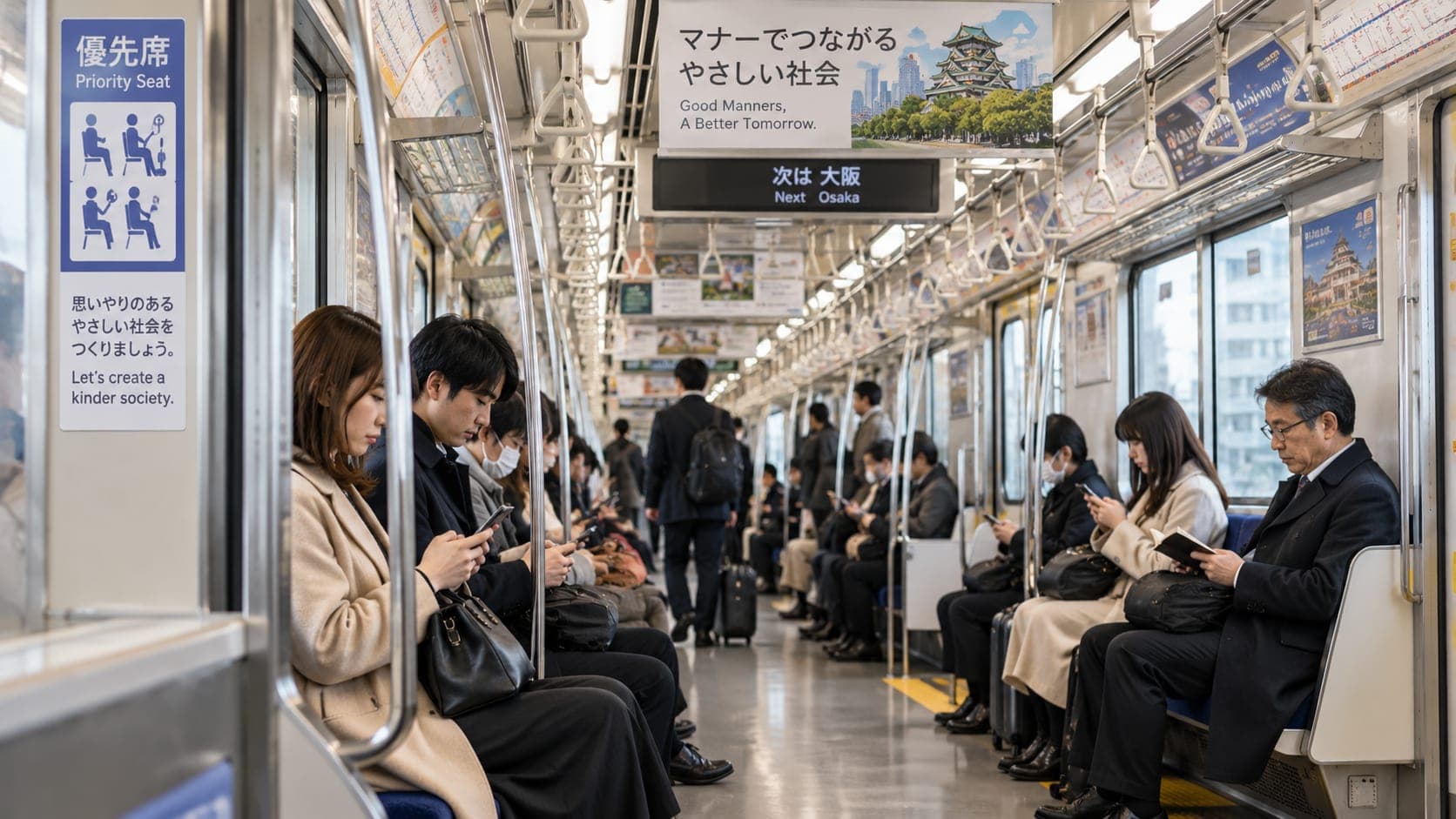
Public transport in Japan is known for its efficiency and punctuality. Equally important is the etiquette passengers follow. Understanding these customs is crucial for visitors, as they reflect Japan's focus on respect and harmony. Whether you're on the busy Tokyo subway or a quiet rural train, following these norms helps ensure a pleasant journey for everyone.
Introduction to public transport etiquette in Japan
Japan's public transport system is known for its punctuality and efficiency, but what really makes it stand out is the emphasis on etiquette. This focus is deeply rooted in the Japanese values of respect and consideration for others. For international tourists, understanding and observing these customs is about more than just following rules; it's about appreciating and engaging with the societal values that make Japan special. On public transportation, you'll notice an almost unspoken harmony among commuters. This harmony isn't by chance; it's the result of a collective adherence to behavioral norms that prioritize everyone's comfort and convenience. As a traveler, getting familiar with these etiquettes can improve your experience and interactions in Japan.
Recognizing these norms begins with understanding the importance of silence and order. The Japanese value a quiet and peaceful environment, especially in public spaces like trains. This is why you often see people speaking quietly, if at all, and why phone conversations are rare. Additionally, the concept of personal space is highly respected. Even in crowded trains, people make an effort to avoid unnecessary contact. Observing these practices not only helps you blend in but also shows respect for the local culture.
Basic rules of conduct on Japanese trains
When you step onto a Japanese train, you'll quickly notice the calm and orderly atmosphere. One of the fundamental rules is to keep noise to a minimum. Loud conversations are frowned upon, and many locals use their commute as a time for quiet reflection or rest. If you're traveling with friends or family, keep your voice low to avoid disturbing others. In addition, it is customary to silence your phone and refrain from talking on it, which we'll discuss later.
Another essential rule is to be mindful of your belongings. During rush hours, trains can become quite crowded, so it's polite to hold your backpack in front of you to save space. Ensuring that your bag does not occupy a seat is also important, as seats are often at a premium during peak hours. Eating and drinking on local commuter trains are generally discouraged, though exceptions exist for long-distance travel, which brings us to the next section.
It's also important to be aware of the train's layout and etiquette for seating. Priority seats are reserved for the elderly, disabled, pregnant women, and those with infants. Even if these seats are unoccupied, it's respectful to leave them free unless you qualify to use them. Remember that these basic rules of conduct are not just formalities but are integral to maintaining the smooth operation and pleasant atmosphere of Japan's public transport system.
Unspoken rules you should know
Beyond the basic conduct, there are several unspoken rules that might not be immediately obvious to newcomers. For instance, while waiting for a train, you'll notice that people form orderly lines on the platform. This practice ensures a smooth boarding process and is a sign of respect for fellow passengers. Additionally, it is considered disrespectful to rush onto a train before allowing disembarking passengers to exit.
In terms of dress code, while there is no strict rule, dressing neatly can go a long way in showing respect to those around you. Another subtle aspect is the avoidance of using strong-smelling perfumes or colognes, as these can be overwhelming in the enclosed space of a train. The concept of personal space is highly respected in Japan, and maintaining a respectful distance whenever possible is appreciated.
Another unspoken rule involves the use of mobile phones. While using your phone for texting or browsing is acceptable, making or receiving calls is generally frowned upon. If you must take a call, keep it brief and speak quietly. This respect for silence extends to the use of headphones; ensure that your music or videos cannot be heard by others.
Can you drink coffee on trains in Japan?
Drinking coffee or any beverage on local commuter trains in Japan is generally not encouraged. The main concern is the risk of spills in crowded spaces. On long-distance trains like the Shinkansen (bullet train), however, eating and drinking are more common. These trains have tray tables and vending services, making it convenient for travelers on longer trips. If you decide to have a drink or meal on a Shinkansen, remember to clean up your area afterward. For short commutes, it's best to finish your coffee before you board, as it aligns with local customs and shows respect for fellow passengers.
On regional express trains, known as "limited express" trains, the rules can differ. Some allow eating and drinking, while others do not. It's wise to observe the behavior of local passengers or check for any signage that might provide guidance. If you're unsure, it's better to play it safe and avoid consuming food or drinks on these trains.
Understanding Japanese train etiquette posters
Throughout Japanese train stations and trains, you'll come across various etiquette posters. These are not just decorative; they serve an important purpose in communicating expected behaviors to passengers. Often colorful and creatively designed, these posters depict scenarios such as giving up seats for the elderly, refraining from loud conversations, and maintaining cleanliness. They are a visual tool used to promote courtesy and respect without the need for direct confrontation.
These posters often change designs seasonally or for special events, making them an interesting aspect of Japan's public transport culture. Observing these signs can provide valuable insights into the expected behaviors and help you blend in more smoothly with local commuters. Some posters use humor or famous characters to catch your attention, making them not only informative but also engaging.
Pro tip: Take a moment to look at these posters when you enter a station or train. They can give you a quick refresher on the do's and don'ts of Japanese train etiquette, and sometimes even teach you a bit about local culture or events.
Seating etiquette: Who sits where?
On Japanese trains, knowing seating etiquette is key. Priority seats are marked for the elderly, disabled, pregnant women, and those with infants. Leave these seats free unless you qualify. Even if they are empty, be ready to give them up if someone who needs them boards the train.
In non-priority areas, the unspoken rule is to avoid sitting directly next to someone if other seats are available. This respects personal space. During rush hours, stand in designated areas that keep passenger flow smooth. Being aware of these seating preferences helps you navigate public transport smoothly.
On less crowded trains, it's common for people to avoid sitting right next to others if there are plenty of seats open. This respects personal space and is a courtesy. When trains get crowded, it's fine to fill empty seats, but always stay mindful of the comfort of those around you. This way, you'll fit right in with local customs and enjoy a more comfortable journey.
Talking on the phone: What's acceptable?
In Japan, talking on the phone while on public transport is generally considered impolite. The expectation is to keep phone conversations to an absolute minimum or delay them until you are off the train. If you must take a call, it's best to do so briefly and in a low voice. Many Japanese commuters use their phones for texting, reading, or listening to music with headphones, all of which are acceptable as long as they don't disturb others. The emphasis is on maintaining a quiet environment where everyone can enjoy their personal space without disruptions.
If you're caught in a situation where a phone call is unavoidable, try to move to a less crowded area of the train, such as near the doors, to minimize disruption. Always remember to speak quietly and end the call as soon as possible. This practice not only respects the peace of your fellow passengers but also aligns with the broader cultural expectations of public behavior in Japan.
Tips for blending in with local commuters
To blend in with local commuters, start by observing and copying the behaviors of those around you. Dress neatly to show respect for your surroundings. Learn a few basic Japanese phrases, like "sumimasen" (excuse me), which can be handy in polite interactions. On escalators, stand on the left and walk on the right, except in Osaka where it's the opposite.
When waiting for a train, line up behind the designated markings on the platform for orderly boarding. Always be mindful of personal space and don't block doorways. By following these tips, you'll navigate Japan's public transport system more smoothly and appreciate the cultural nuances that make it unique.
Pro tip: During peak hours, use apps to check real-time train schedules and crowd levels. 15 Must-Have Apps for Traveling Japan in 2026 is a helpful resource. These apps can help you plan your journey more efficiently and avoid the busiest times, making your commute more comfortable and enjoyable.
If you would like a private guide for this area, the Nara Private Day Tour Temples with Cultural Insights covers the main stops at a comfortable pace.
Related posts
Ready to explore Japan?
Book a private tour with OHAYO TRAVEL JAPAN.
View all private tours · Browse by category · Destinations · Contact us