The best things to do in Kyoto sit inside a city that served as Japan's capital for more than a thousand years, and it still carries itself that way. Seventeen UNESCO World Heritage sites are here. The city counts roughly 1,600 Buddhist temples and 400 Shinto shrines, and most of them are still working religious places rather than museums. Monks open the gates in the morning and local families come to pray, so visitors end up fitting in around that.
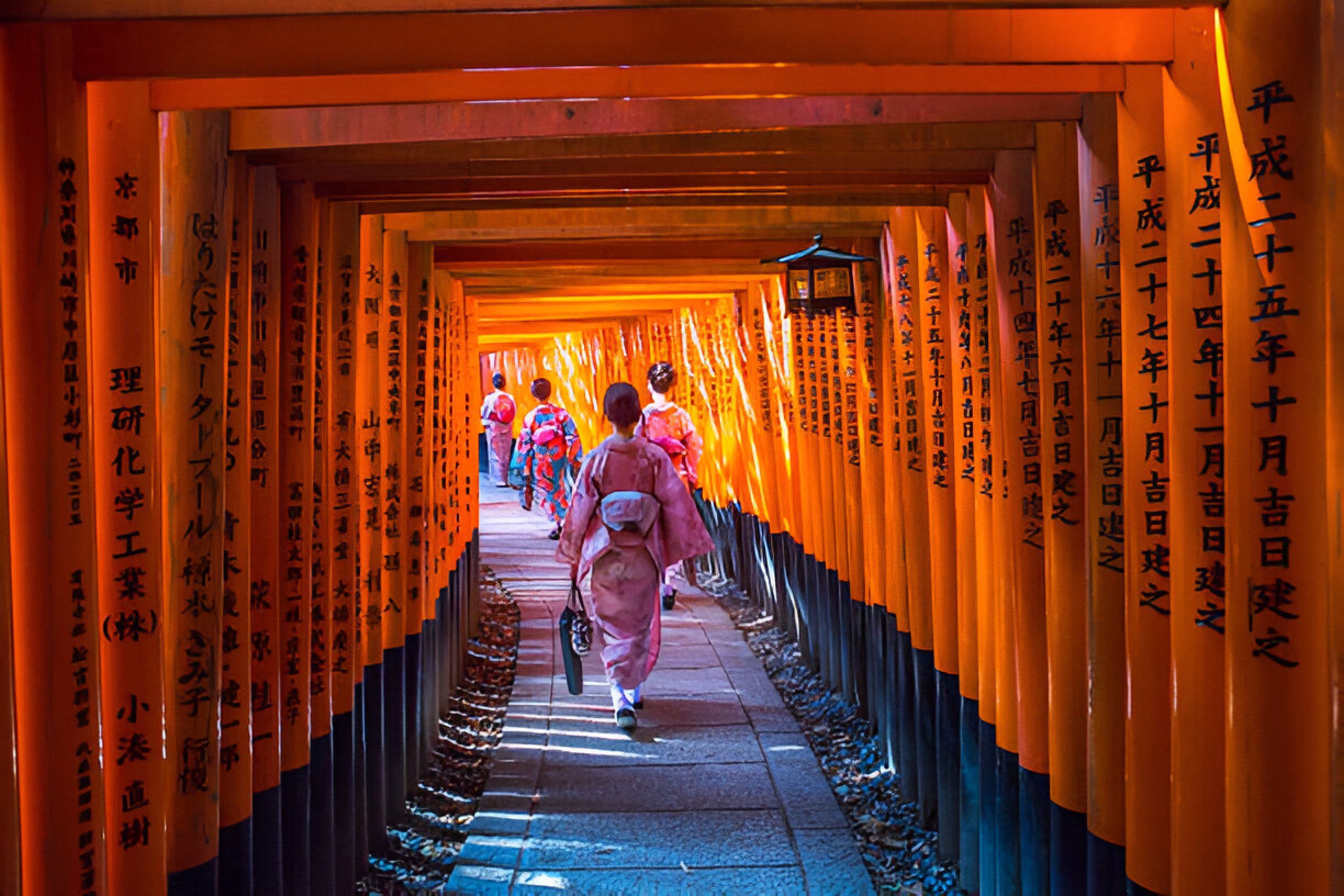
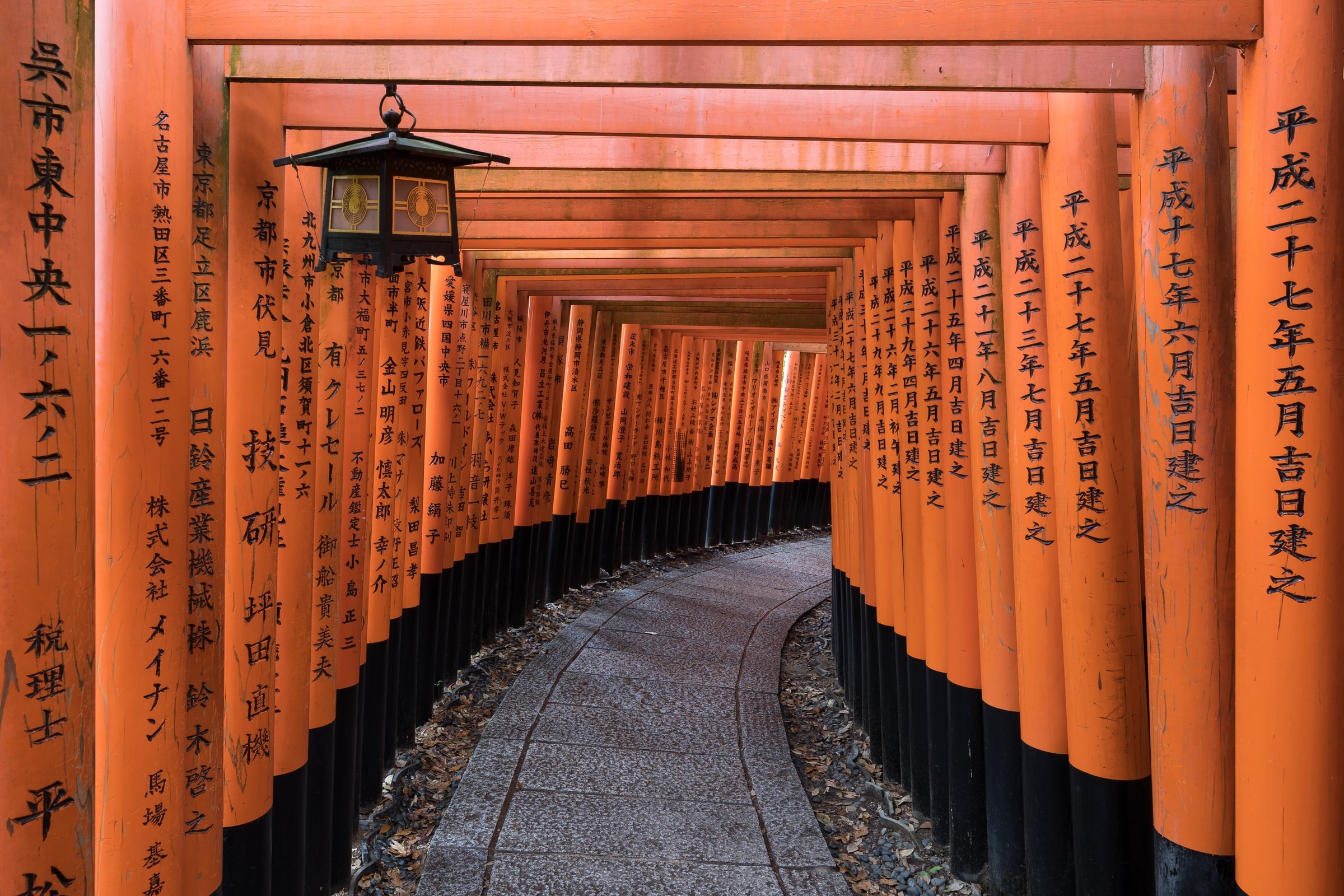
What catches people out is not the sightseeing, it is the distance between the sights. Fushimi Inari sits in the south, Kinkakuji in the north and Arashiyama out west, and Kyoto has only two subway lines to connect any of it. A day built around city buses can lose two hours to queues, and in cherry blossom season a fifteen minute hop turns into forty.
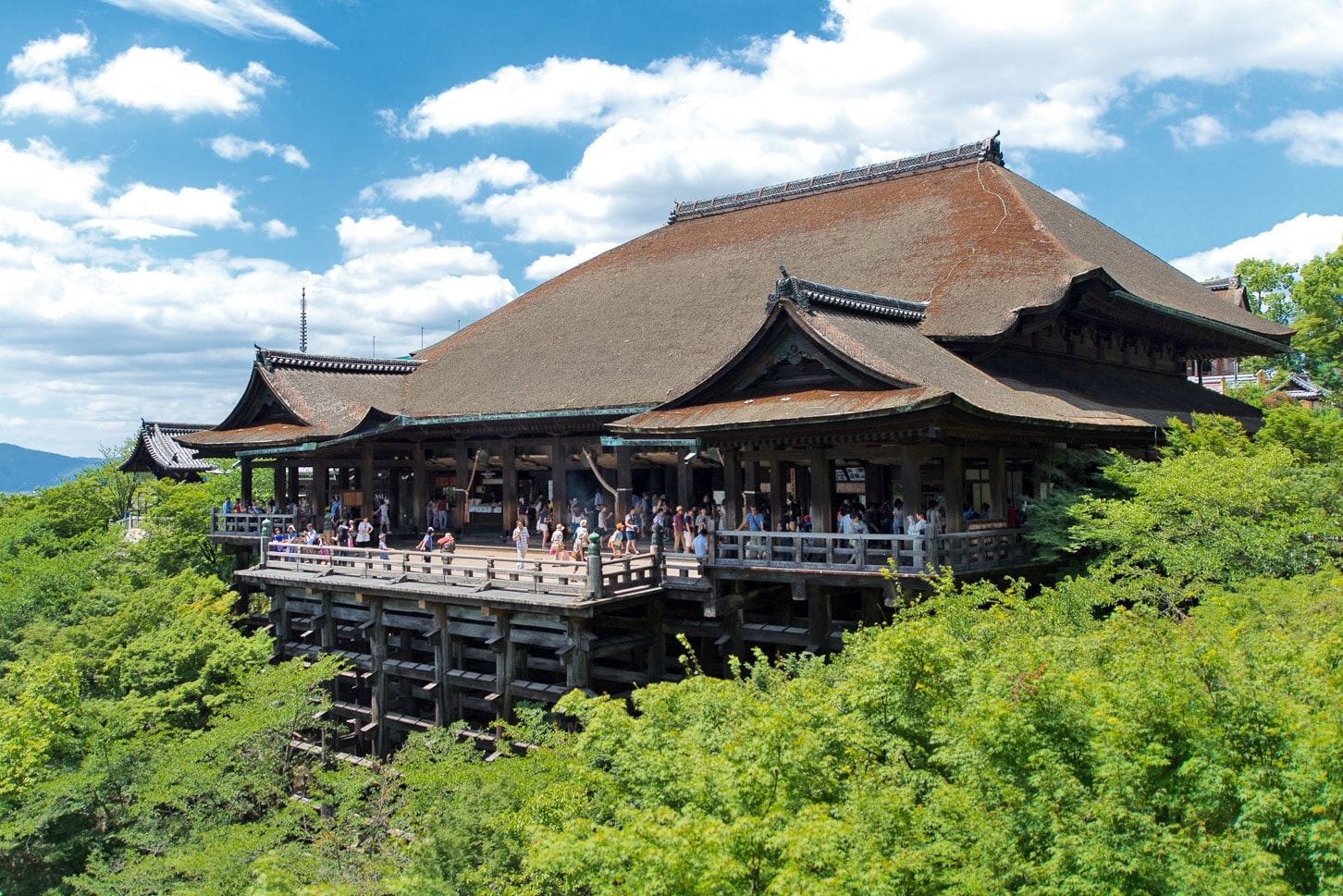
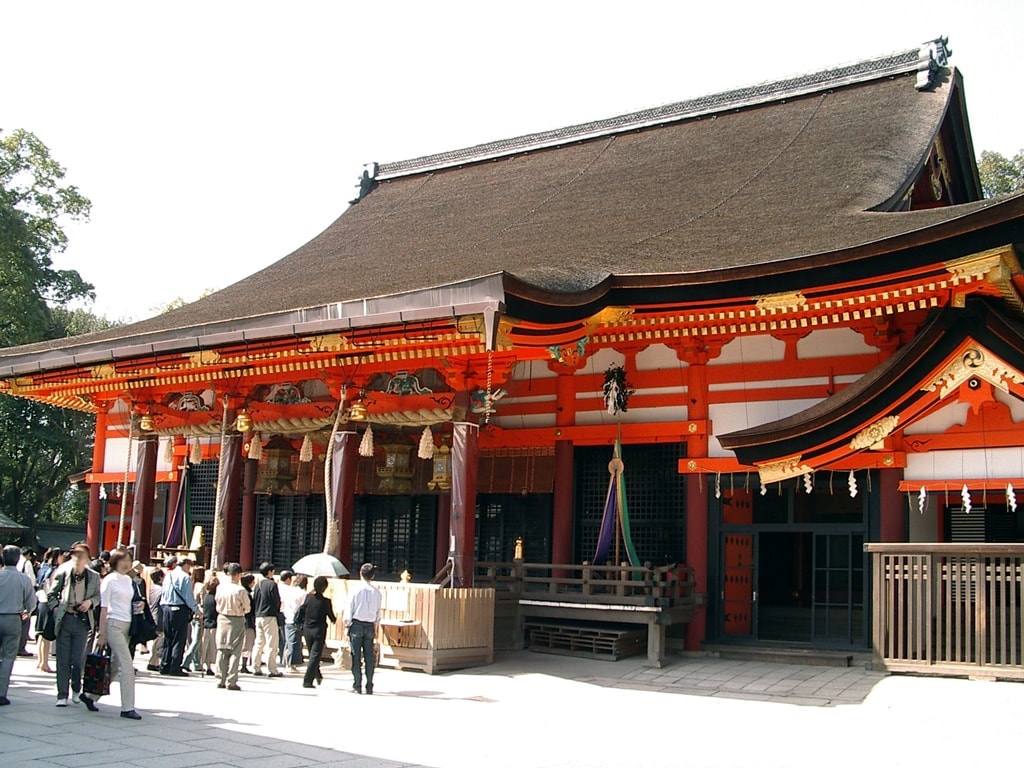
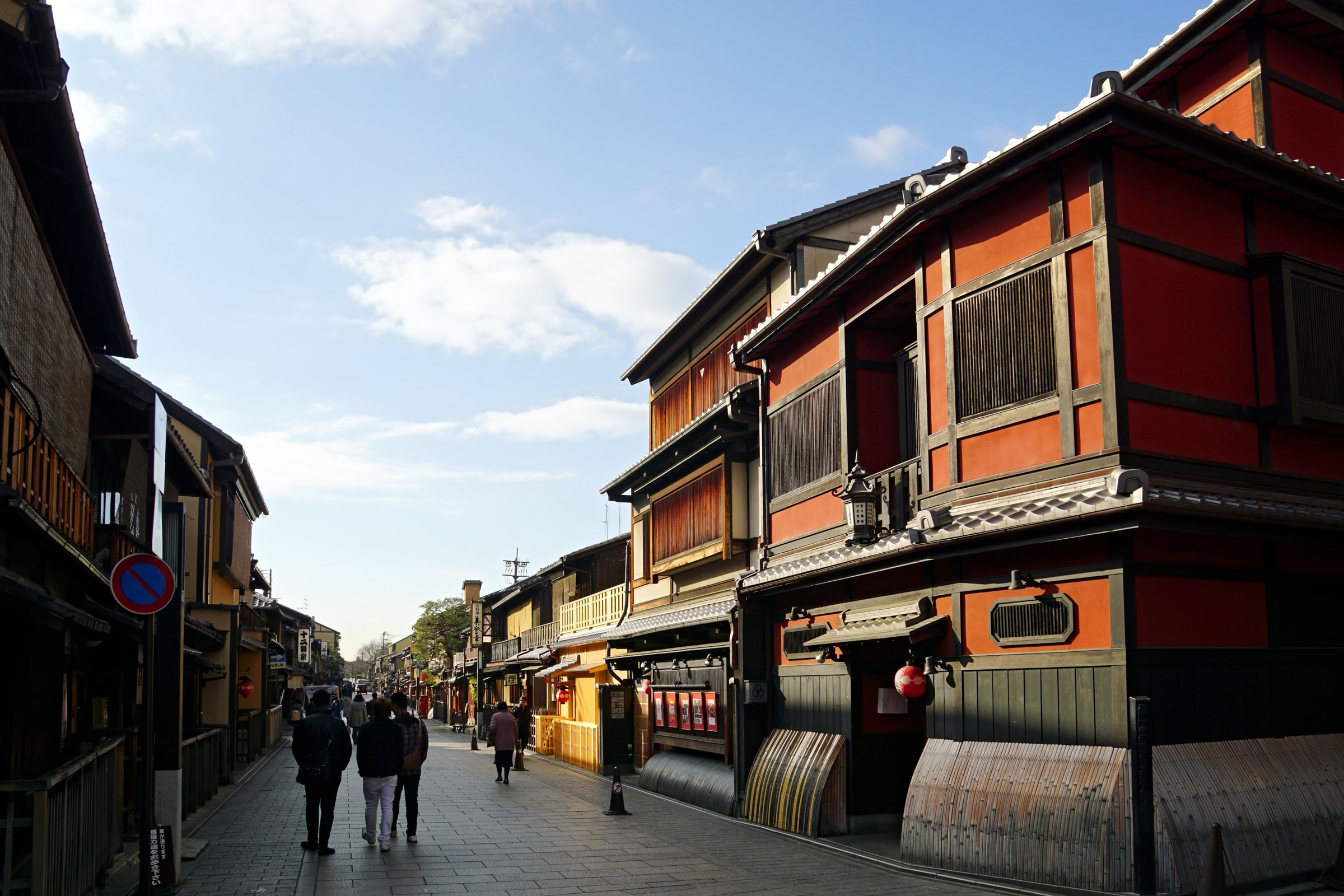
Most first visits begin on the east side, in Higashiyama. Kiyomizu-dera stands on its wooden platform above the rooftops, and the stone lanes below it, Sannenzaka and Ninenzaka, run down towards Yasaka Shrine and the edge of Gion. Gion is the old geisha district. In the early evening the wooden fronts turn warm as the lanterns come on, and it becomes the part of Kyoto that people photograph without meaning to.
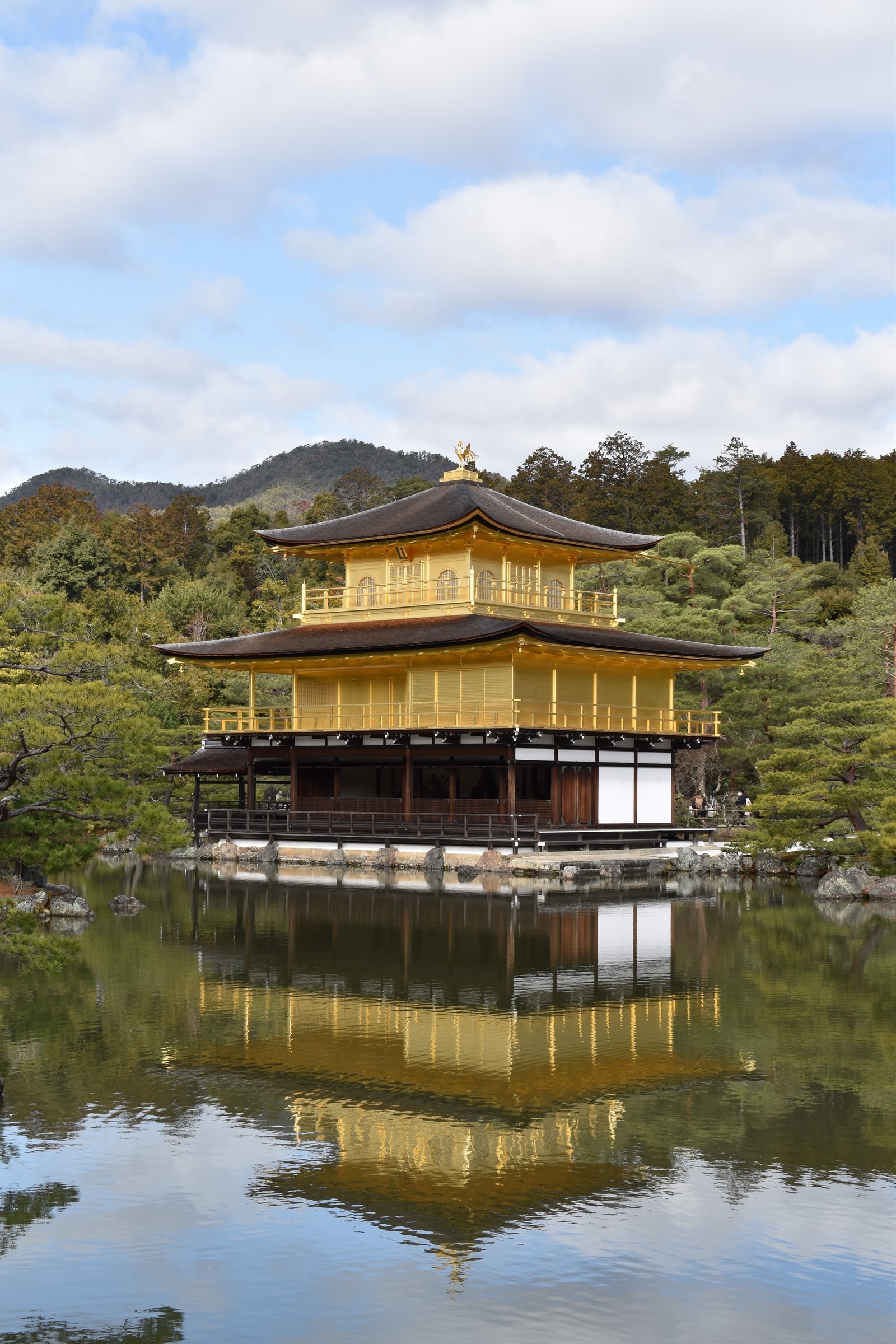
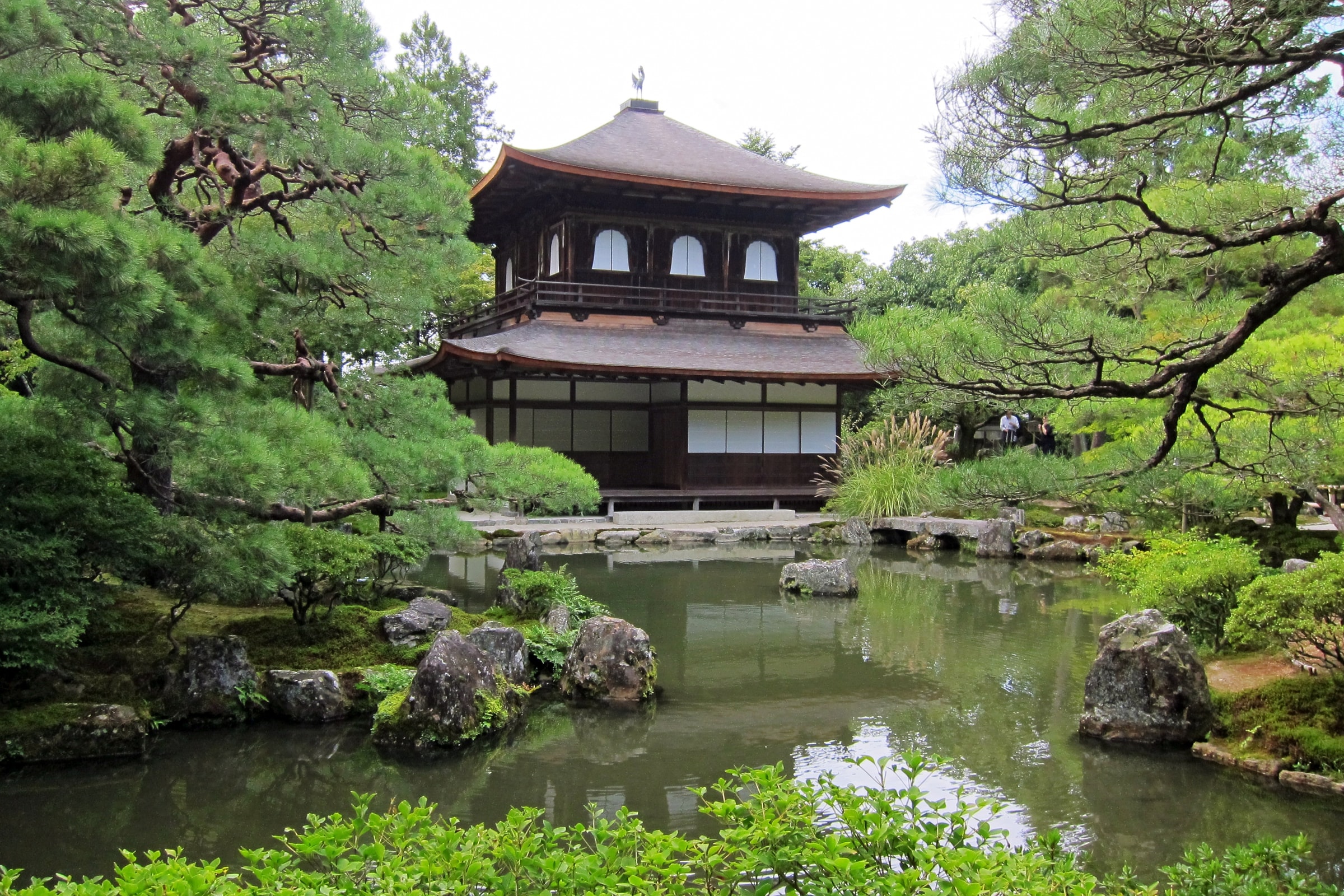
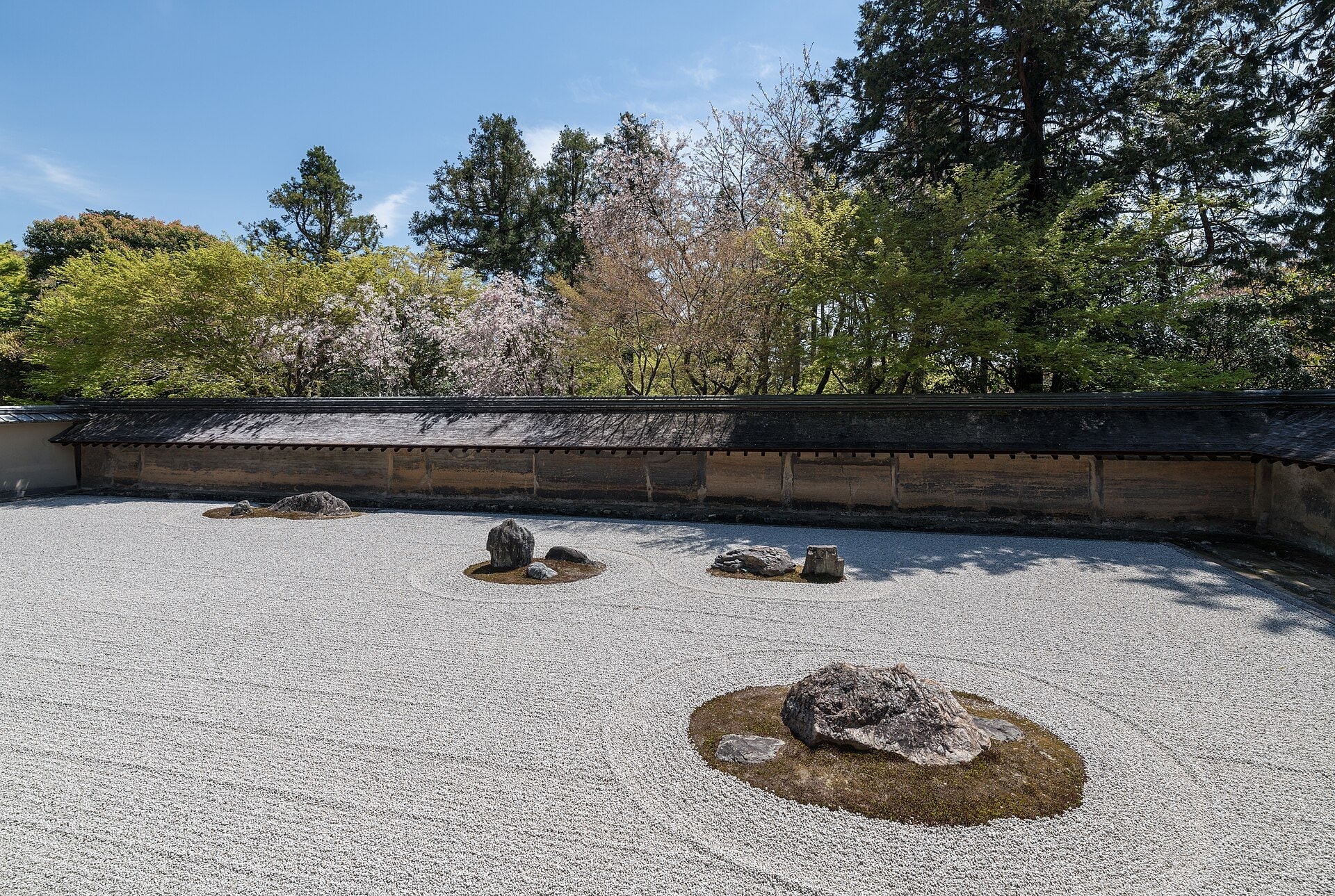
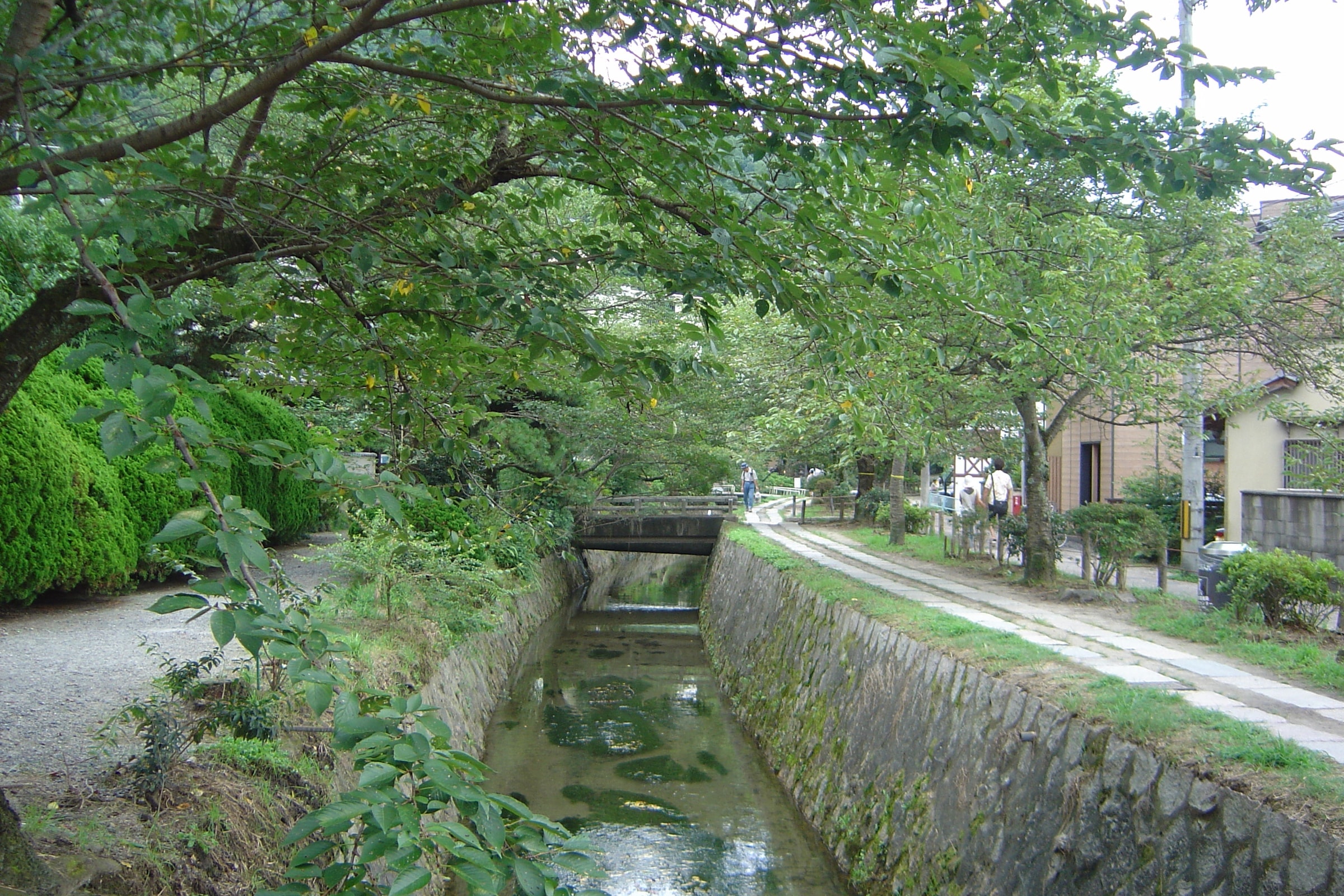
North of the centre are the two famous pavilions. Kinkakuji is covered in gold leaf and sits over a pond that doubles it, which is why it appears on almost every poster of Japan. Ginkakuji, at the top of the Philosopher's Path, was never covered in silver despite the name, and its moss garden is quieter and, for a lot of people, better. Ryoan-ji and its rock garden are a short drive west.
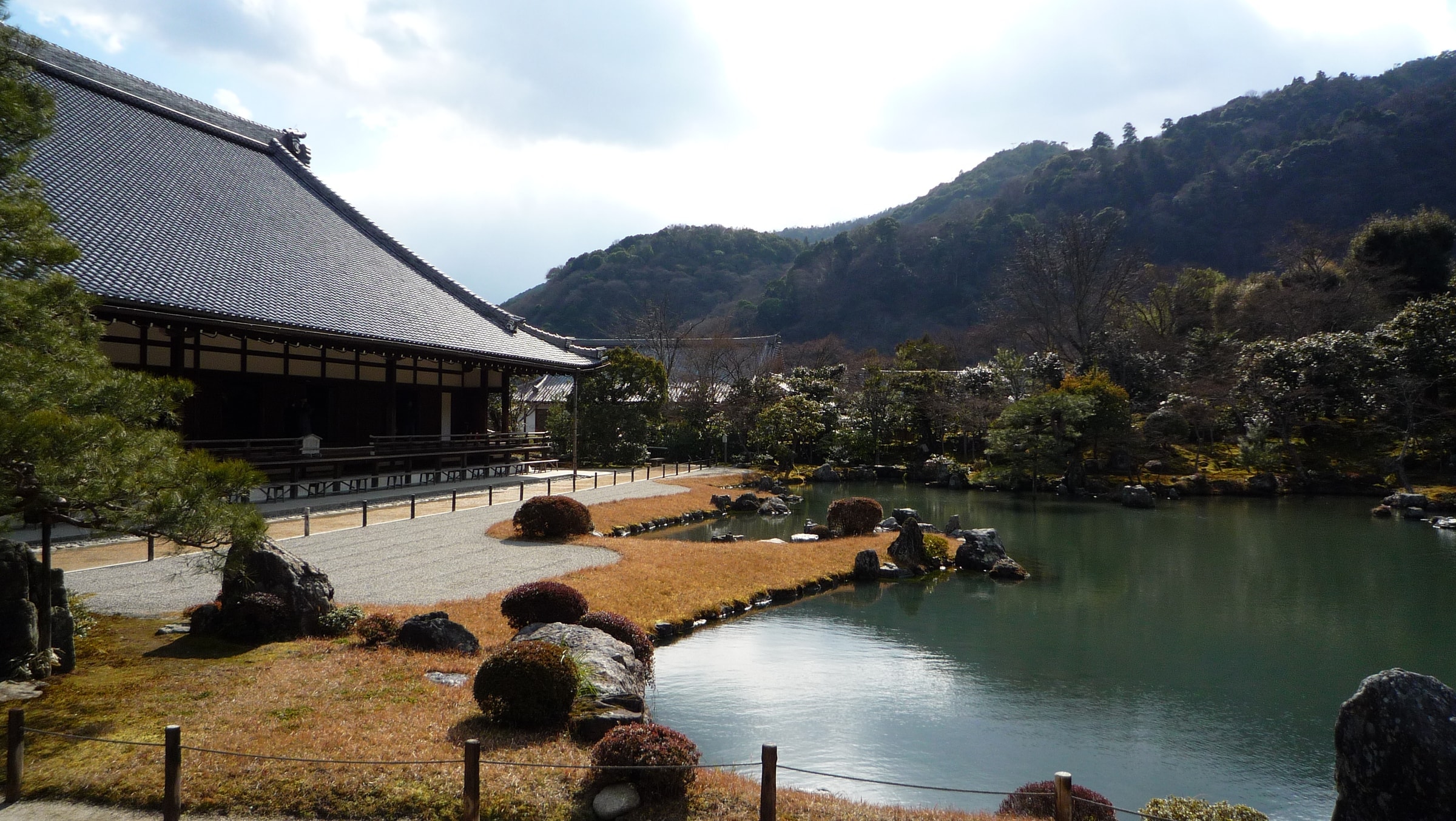
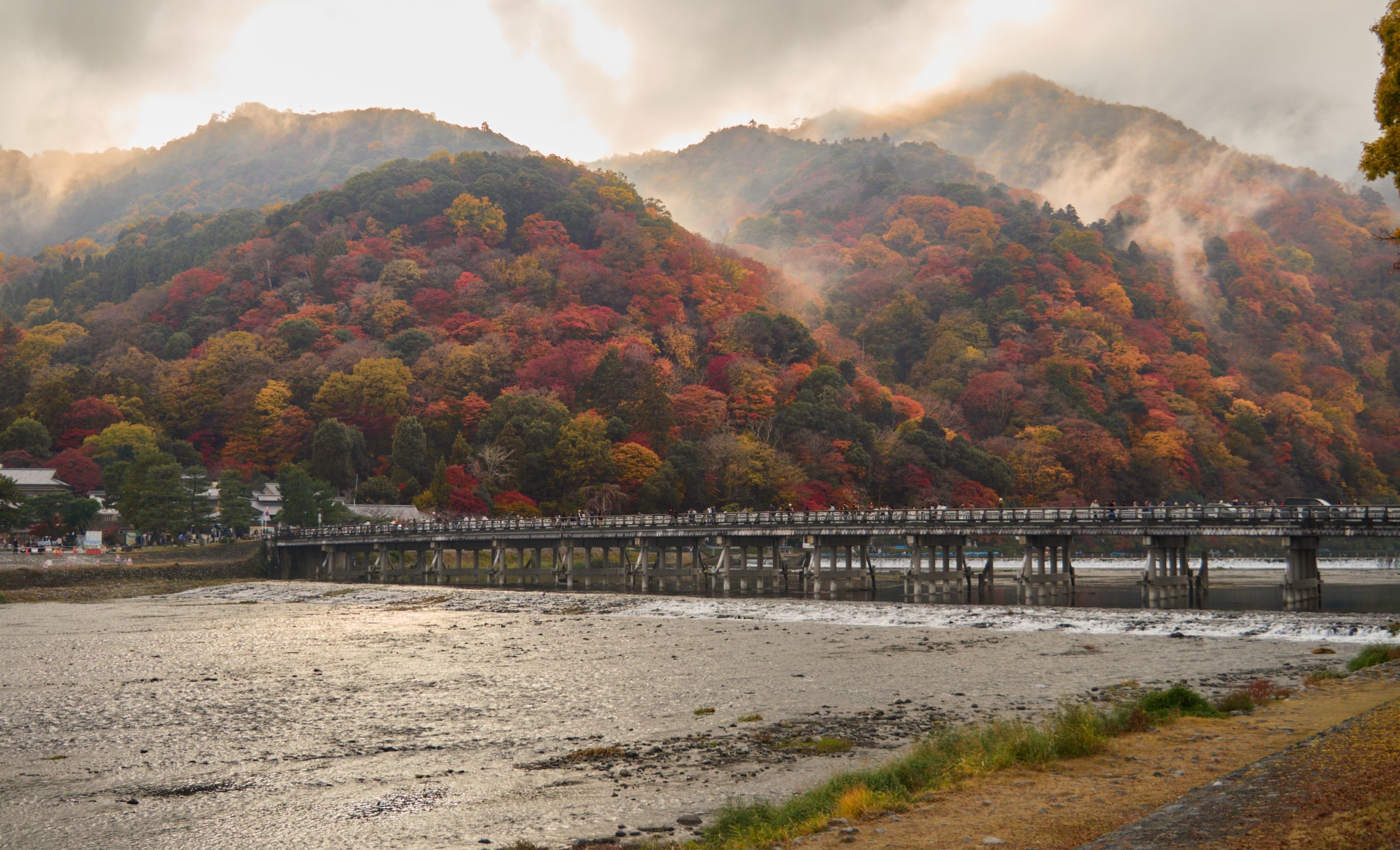
Arashiyama has the bamboo grove everyone knows, plus Tenryu-ji, the monkey park on the hill above the river and boat rides down the Hozu. Arrive before eight and the grove is almost empty. Arrive at eleven and you are in a slow line of people holding cameras above their heads.
Kyoto works both as a base and as a day trip. Osaka is under an hour away by local train, Nara is close enough for an afternoon, and a Kyoto day trip from Tokyo runs about two hours twenty minutes each way on the Shinkansen. Whichever way you come, what really decides how much you see is how you move between the districts once you are here.
Things to do in Kyoto fall into four areas: Higashiyama in the east for Kiyomizu-dera and Gion, northern Kyoto for Kinkakuji and Ginkakuji, Arashiyama in the west for the bamboo grove, and Fushimi Inari to the south. Two areas fit comfortably into one day, three if you start early and travel by car. Trying to cover all four in a single day is the most common first-timer mistake.
The best things to do in Kyoto sit inside a city that served as Japan's capital for more than a thousand years, and it still carries itself that way. Seventeen UNESCO World Heritage sites are here. The city counts roughly 1,600 Buddhist temples and 400 Shinto shrines, and most of them are still working religious places rather than museums. Monks open the gates in the morning and local families come to pray, so visitors end up fitting in around that.
What catches people out is not the sightseeing, it is the distance between the sights. Fushimi Inari sits in the south, Kinkakuji in the north and Arashiyama out west, and Kyoto has only two subway lines to connect any of it. A day built around city buses can lose two hours to queues, and in cherry blossom season a fifteen minute hop turns into forty.
Most first visits begin on the east side, in Higashiyama. Kiyomizu-dera stands on its wooden platform above the rooftops, and the stone lanes below it, Sannenzaka and Ninenzaka, run down towards Yasaka Shrine and the edge of Gion. Gion is the old geisha district. In the early evening the wooden fronts turn warm as the lanterns come on, and it becomes the part of Kyoto that people photograph without meaning to.
North of the centre are the two famous pavilions. Kinkakuji is covered in gold leaf and sits over a pond that doubles it, which is why it appears on almost every poster of Japan. Ginkakuji, at the top of the Philosopher's Path, was never covered in silver despite the name, and its moss garden is quieter and, for a lot of people, better. Ryoan-ji and its rock garden are a short drive west.
Arashiyama has the bamboo grove everyone knows, plus Tenryu-ji, the monkey park on the hill above the river and boat rides down the Hozu. Arrive before eight and the grove is almost empty. Arrive at eleven and you are in a slow line of people holding cameras above their heads.
Kyoto works both as a base and as a day trip. Osaka is under an hour away by local train, Nara is close enough for an afternoon, and a Kyoto day trip from Tokyo runs about two hours twenty minutes each way on the Shinkansen. Whichever way you come, what really decides how much you see is how you move between the districts once you are here.
Things to do in Kyoto fall into four areas: Higashiyama in the east for Kiyomizu-dera and Gion, northern Kyoto for Kinkakuji and Ginkakuji, Arashiyama in the west for the bamboo grove, and Fushimi Inari to the south. Two areas fit comfortably into one day, three if you start early and travel by car. Trying to cover all four in a single day is the most common first-timer mistake.