If you are wondering about the best things to do in Nara, the short answer is this: see the Great Buddha at Todai-ji, walk through Nara Park with its free-roaming deer, follow the lantern-lined paths to Kasuga Taisha, and eat well along the way. Nara was Japan's first permanent capital in the 8th century, and its main sights sit close together on the east side of town. That makes it one of the easiest and most rewarding day trips in the Kansai region.
This guide covers how to get there, how to time your day, what to see in a sensible order, how to behave around the deer, and what to eat. It is written for first-time visitors who have one day and want to use it well.
Getting to Nara and how long to stay
Most visitors come from Osaka or Kyoto. The Kintetsu line is the most convenient option because Kintetsu-Nara Station sits right at the edge of Nara Park. Express trains take about 45 minutes from Osaka-Namba and roughly the same from Kintetsu Kyoto Station, depending on the train type. JR trains also run to JR Nara Station, which is about a 15-20 minute walk further from the park.
One full day is enough to cover the highlights without rushing. If you want slower mornings, a ryokan stay, or time for quieter temples in western Nara such as Yakushi-ji and Toshodai-ji, add a night. Wear comfortable shoes. The main sights are walkable, but you will easily cover 8-10 kilometers on foot.
Best things to do in Nara in one day
Here is a simple route that works well for most travelers. It starts near the station, loops through the park, and ends back near the shopping streets for food and souvenirs.
Kofuku-ji: A short walk from Kintetsu-Nara Station. The temple grounds are free to walk through, and the five-story pagoda is one of the tallest in Japan.
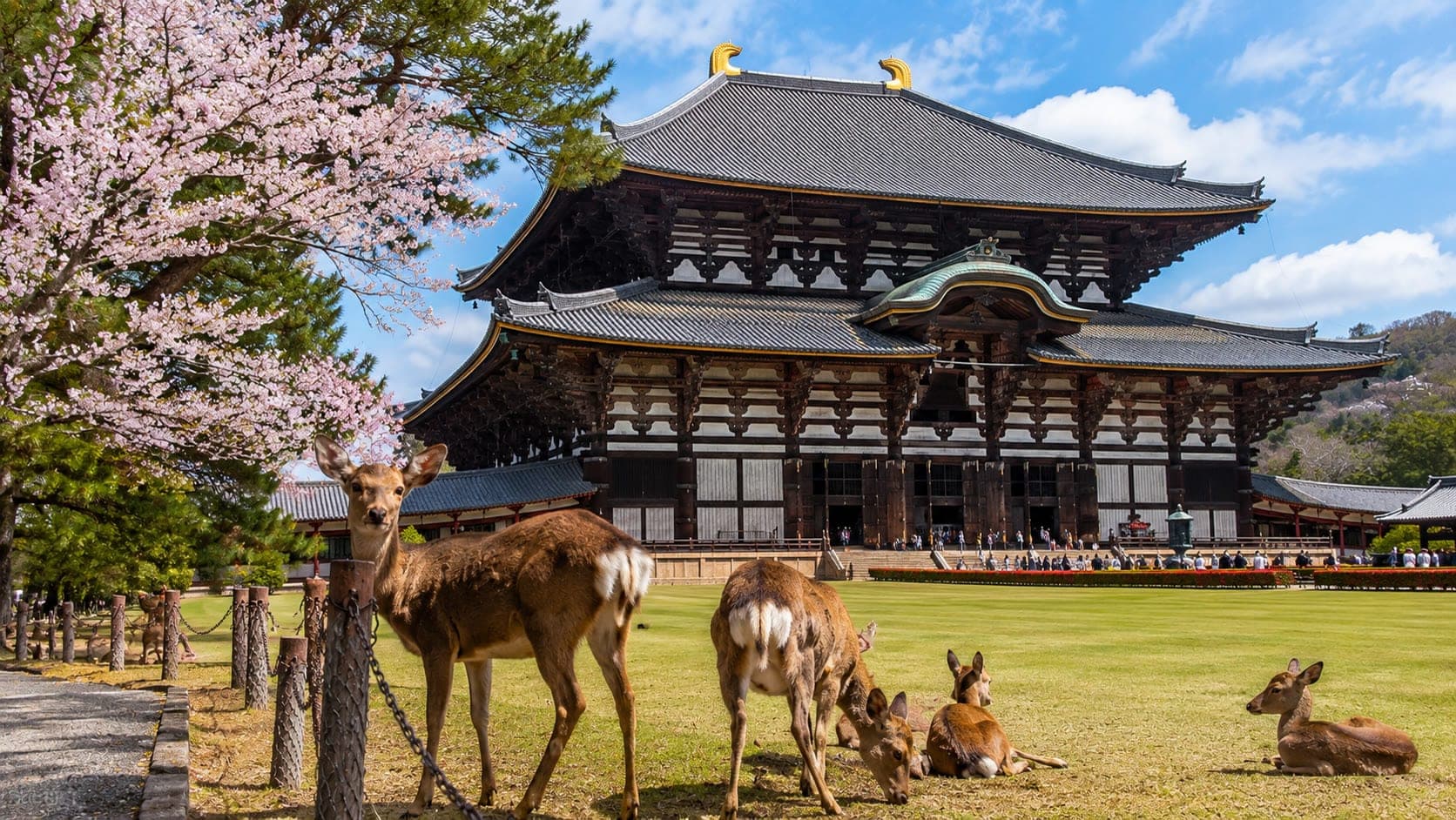
Nara Park: The large open park where around 1,200 wild sika deer roam. You will meet them almost immediately.
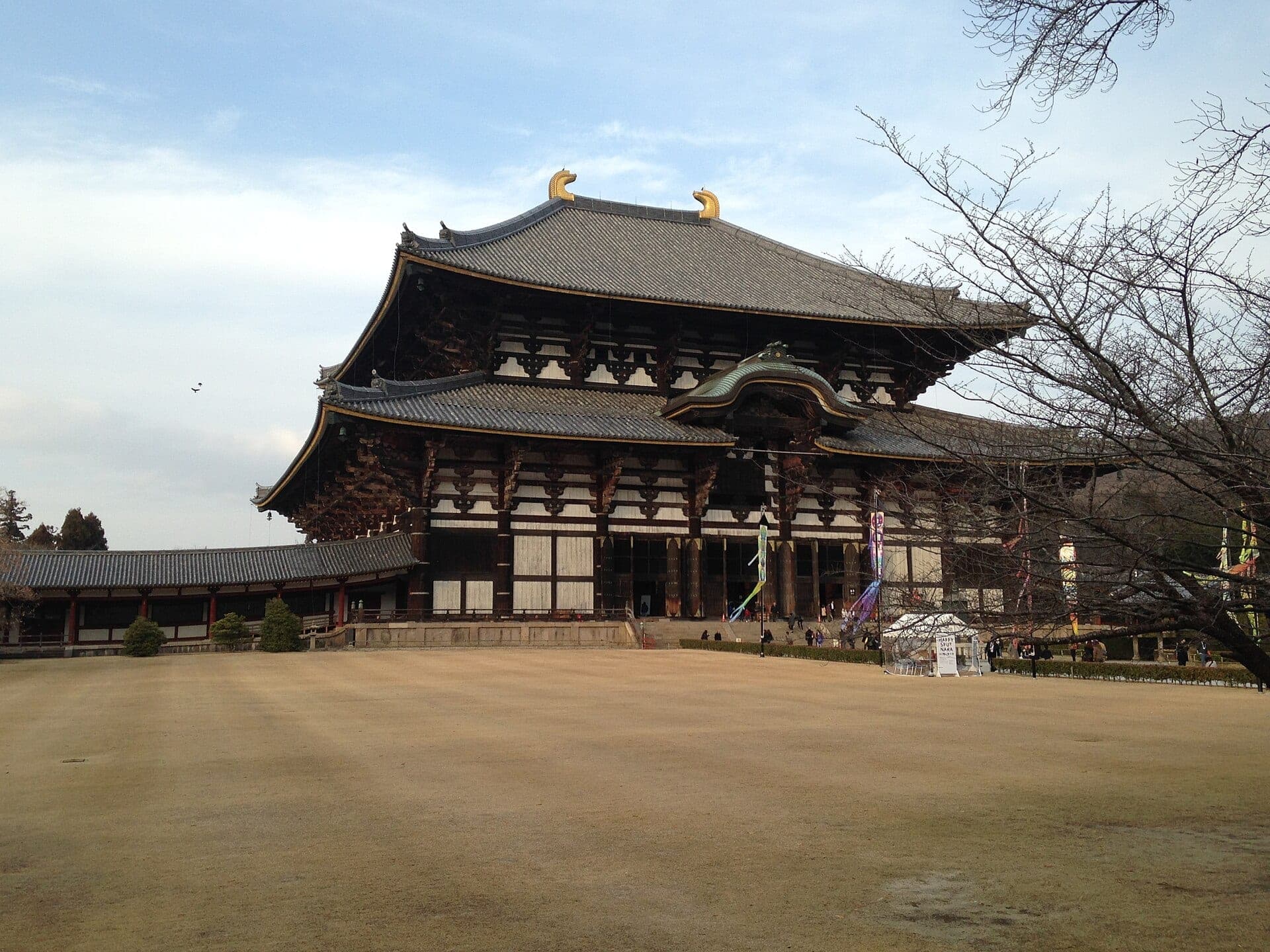
Todai-ji: Home to the Daibutsu, a bronze Buddha about 15 meters tall, inside one of the largest wooden buildings in the world. Do not skip the Nandaimon gate with its two huge guardian statues on the way in.
Nigatsu-do and Sangatsu-do: Halls on the hillside behind Todai-ji. Nigatsu-do has a wide balcony with one of the best free views over the city.
Kasuga Taisha: A shrine founded in 768, famous for its roughly 3,000 stone and bronze lanterns. The forest walk to get there is part of the experience.
Naramachi: The old merchant quarter south of Sarusawa Pond, with narrow lanes, wooden townhouses, small cafes, and craft shops.
Admission is charged at Todai-ji's Great Buddha Hall and at the inner areas of Kasuga Taisha, while much of the rest is free. Fees change from time to time, so check the official sites before you go and carry some cash.
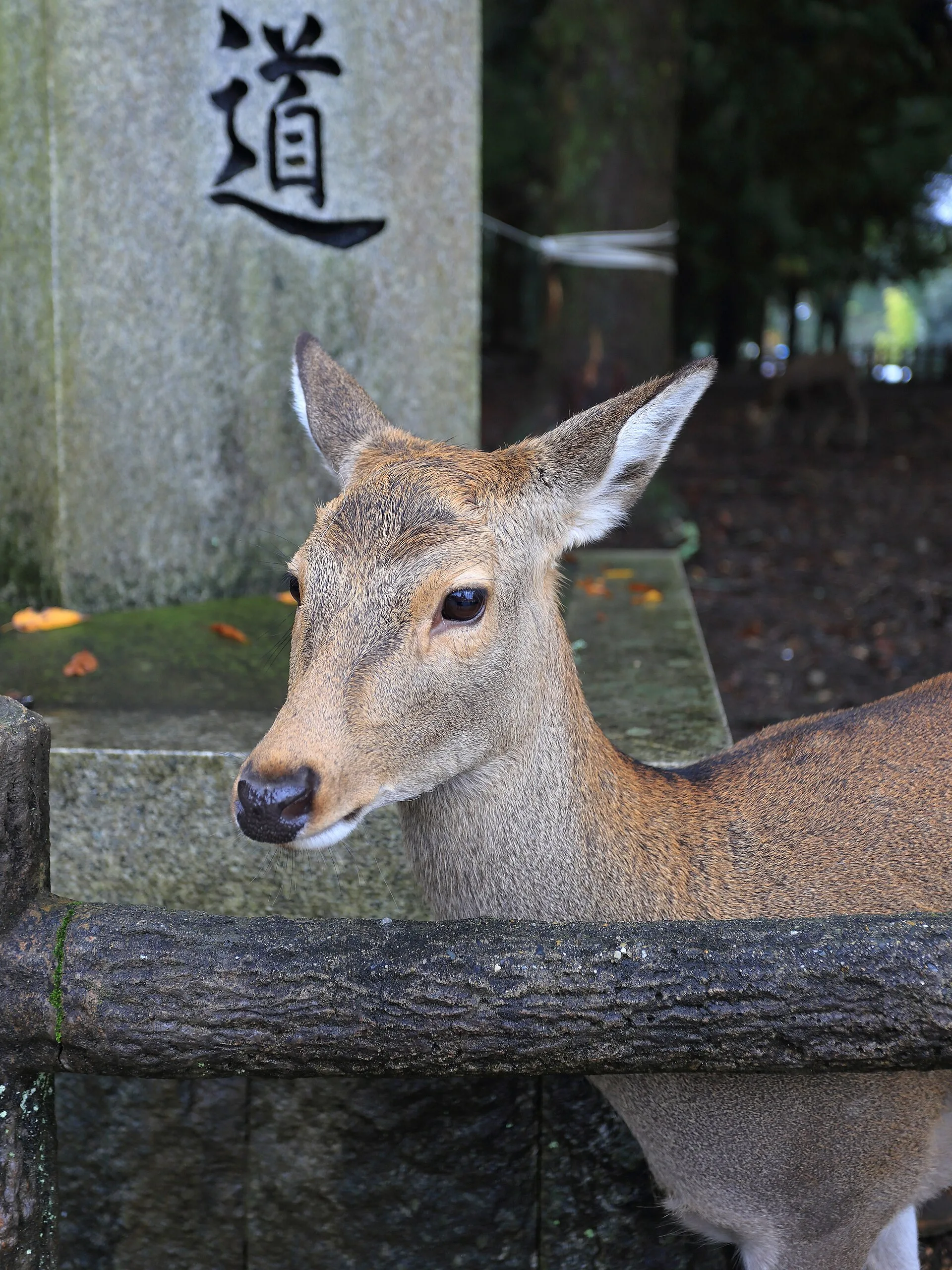
Sika deer resting in Nara Park in autumn
Sika deer in Nara Park. Photo: Martin Falbisoner / Wikimedia Commons (CC BY-SA 4.0).
Timing your visit
Timing makes a big difference in Nara. Tour buses and school groups usually arrive mid-morning, and Todai-ji gets crowded from around 10 AM until mid-afternoon. If you can, arrive by 8:30 AM and head straight to the Great Buddha Hall. You will have more space, softer light, and calmer deer.
Late afternoon is the second quiet window. Many day-trippers leave by 4 PM, and the paths toward Kasuga Taisha feel peaceful as the light fades. Most temples close around 5 PM, a little earlier in winter, so plan your last indoor stop accordingly.
Season matters too. Spring brings cherry blossoms around Nara Park in early April. Autumn, from mid-November into early December, brings red maples and comfortable walking weather. Summer is hot and humid, so start early and carry water. Winter is cold but quiet, which suits travelers who prefer fewer crowds.
Deer etiquette in Nara Park
The deer are the most memorable part of a Nara visit for many people, and they are a protected natural treasure. They are wild animals, not pets, so a little care keeps everyone safe.
Feed only shika senbei. These are special deer crackers sold at stands around the park for about 200 yen a bundle. Never give the deer your own snacks, bread, or anything wrapped in plastic.
Do not tease them. Holding crackers out and pulling them back is how people get head-butted or nipped.
Show your empty hands when you run out. The deer understand open palms better than words.
Try the bow. Many deer bob their heads when you bow first. It is a fun moment, but it usually means they expect a cracker.
Keep paper away. Deer will happily eat maps, tickets, and shopping bags.
Give extra space in autumn, when males can be more aggressive, and in early summer, when mothers protect young fawns.
Watch small children closely. Deer are gentle most of the time, but they can push hard when they smell food.
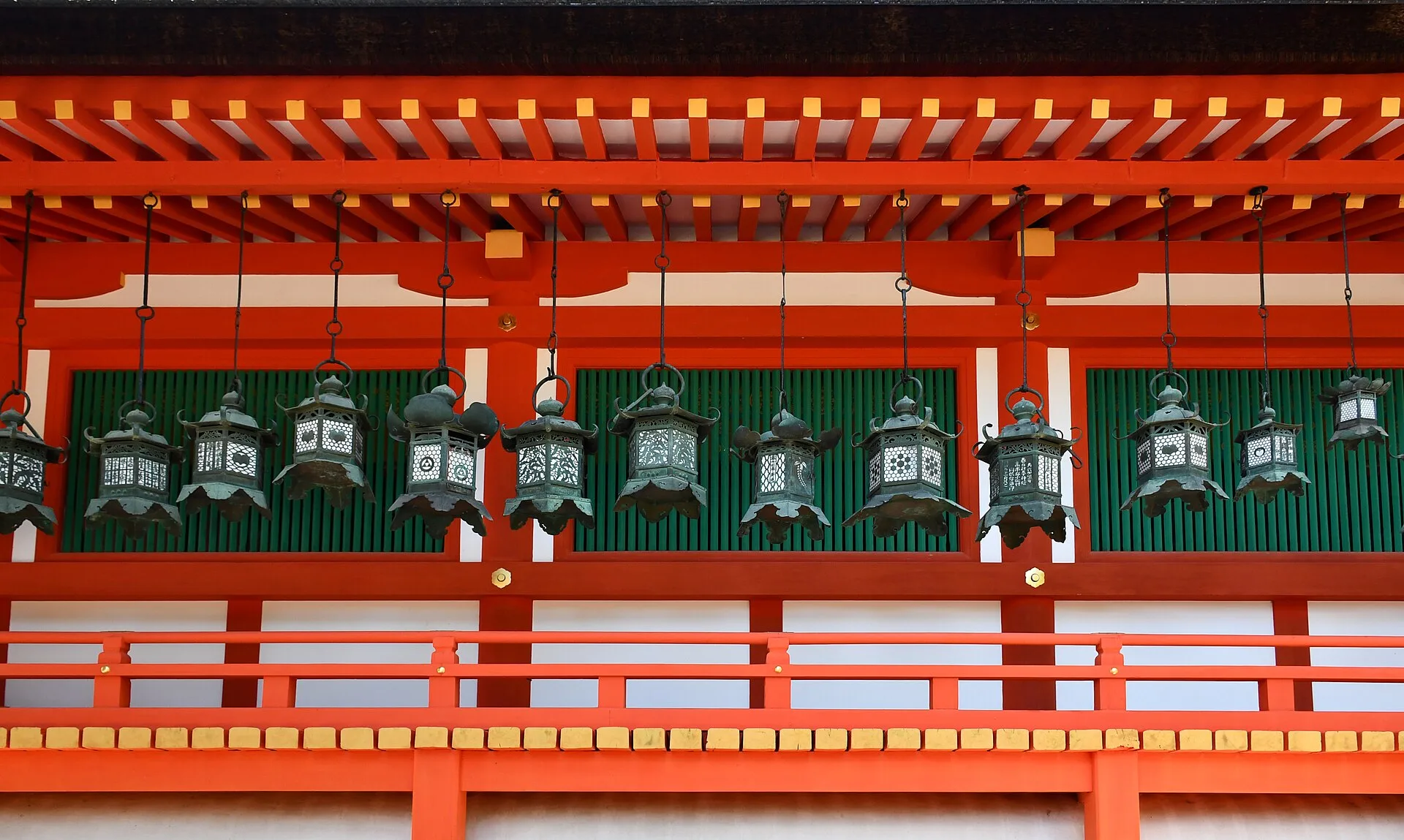
Rows of stone lanterns along the approach to Kasuga Taisha in Nara
Stone lanterns at Kasuga Taisha. Photo: Gzzz / Wikimedia Commons (CC BY-SA 4.0).
What to eat in Nara
Nara has a few local foods worth planning around. Kakinoha-zushi is pressed sushi, usually mackerel or salmon, wrapped in a persimmon leaf. It travels well, so it makes a good lunch to eat on a bench. Narazuke are vegetables pickled for a long time in sake lees. They are strong and slightly sweet, and they make a good gift to take home.
Near the Sanjo-dori shopping street, look for fresh yomogi mochi, a soft rice cake flavored with mugwort and filled with sweet bean paste. Some shops pound the mochi at high speed in front of the store, which is entertaining to watch. Kudzu sweets made from Yoshino arrowroot are another regional specialty, often served chilled in summer.
For a sit-down meal, the streets between Kintetsu-Nara Station and Naramachi have plenty of small restaurants serving udon, soba, and set lunches. Lunch rush runs from about 12 PM to 1:30 PM, so eat a little earlier or later to avoid long waits.
Practical tips for a smoother day
Carry cash. Many small shops, temple counters, and cracker stands still prefer cash.
Use an IC card such as ICOCA or Suica for trains and some buses.
Use lockers at Kintetsu-Nara or JR Nara Station if you are carrying luggage between cities.
Dress for walking. Paths include gravel, slopes, and steps up to Nigatsu-do.
Respect worship spaces. Speak quietly in halls, follow photo rules posted at each site, and bow at shrine gates if you like.
If you are coming from Kyoto or Osaka and want to combine Nara with other stops, a private car can save time, especially with kids, older family members, or luggage. Our Nara private day tour covers Todai-ji, Kasuga Taisha, and the deer park with a local guide who handles the timing for you. You can also pair Nara with a day in the old capital on our Kyoto private tour, or with neon streets and street food on our Osaka private day tour by car.
Planning your Nara day
The best things to do in Nara are simple: arrive early, see the Great Buddha before the crowds, treat the deer with respect, and leave time to wander. With a clear route and good timing, one day here can be one of the highlights of a trip to Japan.
Ready to plan? Browse all of our private tours or contact us to build a Nara day around your group and pace.
TopicsNaraKansaiDay TripsTemplesJapan Travel Tips
Frequently Asked Questions
The essentials are the Great Buddha at Todai-ji, the free-roaming deer in Nara Park, the lantern-lined Kasuga Taisha shrine, and the five-story pagoda at Kofuku-ji. If you have extra time, walk the old merchant lanes of Naramachi or climb to Nigatsu-do for a free view over the city. All of these sit within walking distance of each other on the east side of town.
The Kintetsu line is the easiest choice because Kintetsu-Nara Station is right next to Nara Park. Express trains take about 45 minutes from Osaka-Namba and roughly the same from Kintetsu Kyoto Station, depending on the train type. JR trains also run to JR Nara Station, which is a 15 to 20 minute walk further from the main sights.
Yes, one full day is enough to see Todai-ji, Nara Park, Kasuga Taisha, and Kofuku-ji at a comfortable pace. Arrive early to beat the tour groups. Stay overnight if you want quieter mornings, a ryokan experience, or time for the temples in western Nara such as Yakushi-ji and Toshodai-ji.
Shika senbei, the special deer crackers, cost about 200 yen per bundle at stands around Nara Park. They are the only food you should give the deer. Feed them calmly, do not tease them by pulling the crackers back, and show your empty hands when you run out so the deer stop following you.
The deer are usually gentle, but they are wild animals and can push, nip, or head-butt when they smell food. Keep children close, let adults hold the crackers, and keep maps and paper bags out of reach. Give the deer extra space in autumn, when males are more aggressive, and in early summer, when mothers protect fawns.
Try kakinoha-zushi, pressed sushi wrapped in a persimmon leaf, and narazuke, vegetables pickled in sake lees. Near the Sanjo-dori shopping street, look for fresh yomogi mochi, a mugwort rice cake filled with sweet bean paste, which some shops pound at high speed in front of the store. Sweets made from Yoshino kudzu are another local favorite.