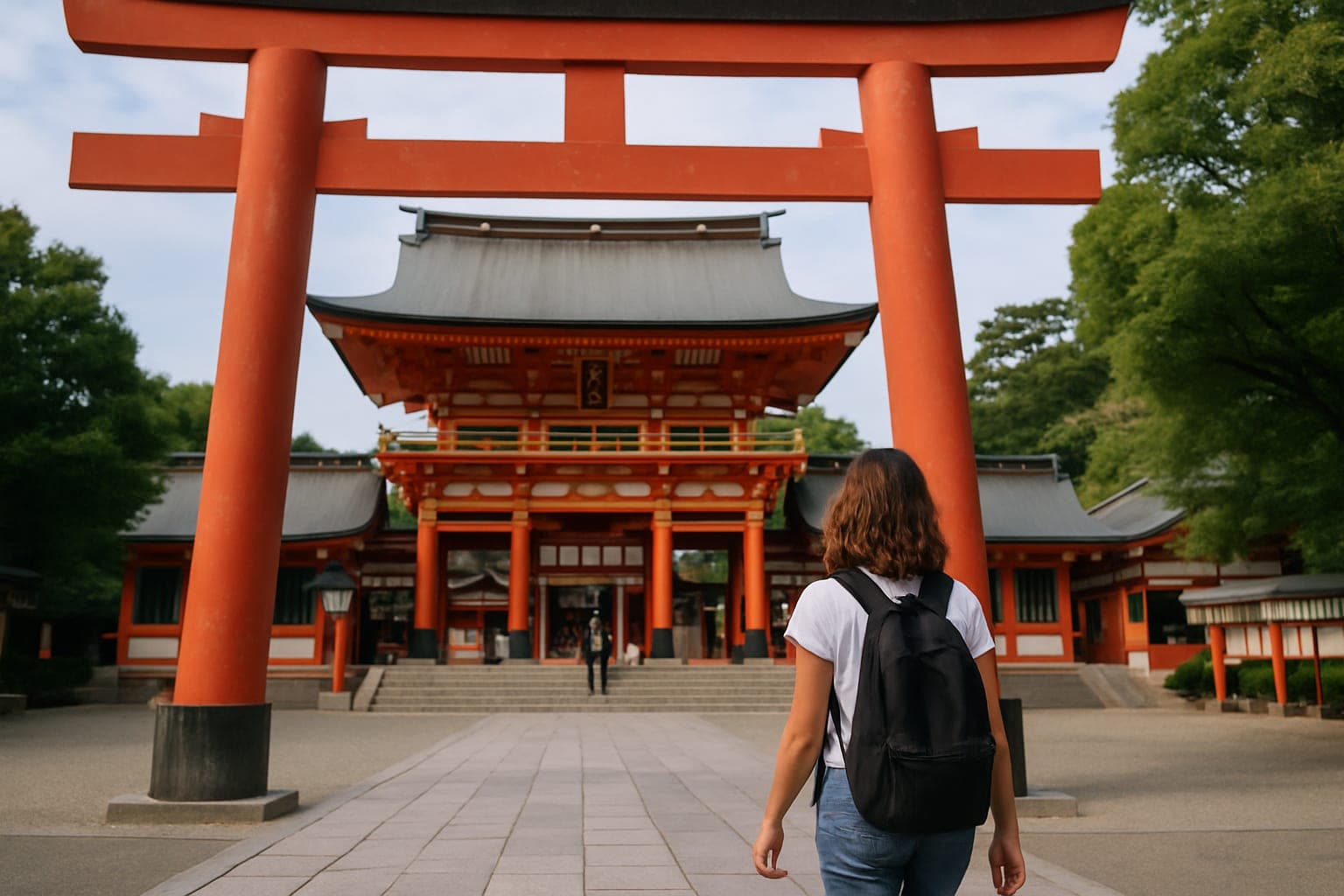
If you only have one day in the Kansai area outside Kyoto or Osaka, the temples in Nara are an easy bet. You can walk between Todai-ji, Kasuga Taisha, and Kofuku-ji without a car, meet the deer in Nara Park, and still catch a train home by evening. This guide gives you a simple walking order, current-style fees to verify before travel, and day-trip notes from Kyoto or Osaka.
Nara rewards an early start more than a packed checklist. Hit the Great Buddha before the midday crush, leave slack for deer biscuits and a quiet shrine path, and skip the urge to force every side hall into one afternoon.
Why Nara's temples matter
Nara was Japan's capital from 710 to 794. That short stretch, often called the Nara period, left a cluster of Buddhist temples and a major Shinto shrine that still sit close enough to walk between. The court backed grand Buddhist projects, brought craftsmen and ideas from the continent, and built halls meant to show imperial power as much as faith.
When the capital moved to Heian-kyo (today's Kyoto), Nara did not empty out. Many halls burned and were rebuilt over centuries. What you see now is a mix of original timber, careful reconstructions, and parkland that grew around the old religious core. For travelers, that means real depth without the same sheer density of Kyoto's temple map. One focused day covers the highlights without feeling like a checklist marathon.
Main temples in Nara (and what fits in one day)
Four names come up again and again. Three sit inside or beside Nara Park and work well together. The fourth, Yakushi-ji, sits farther west and is better as a swap-in or a second day.
Todai-ji and the Great Buddha
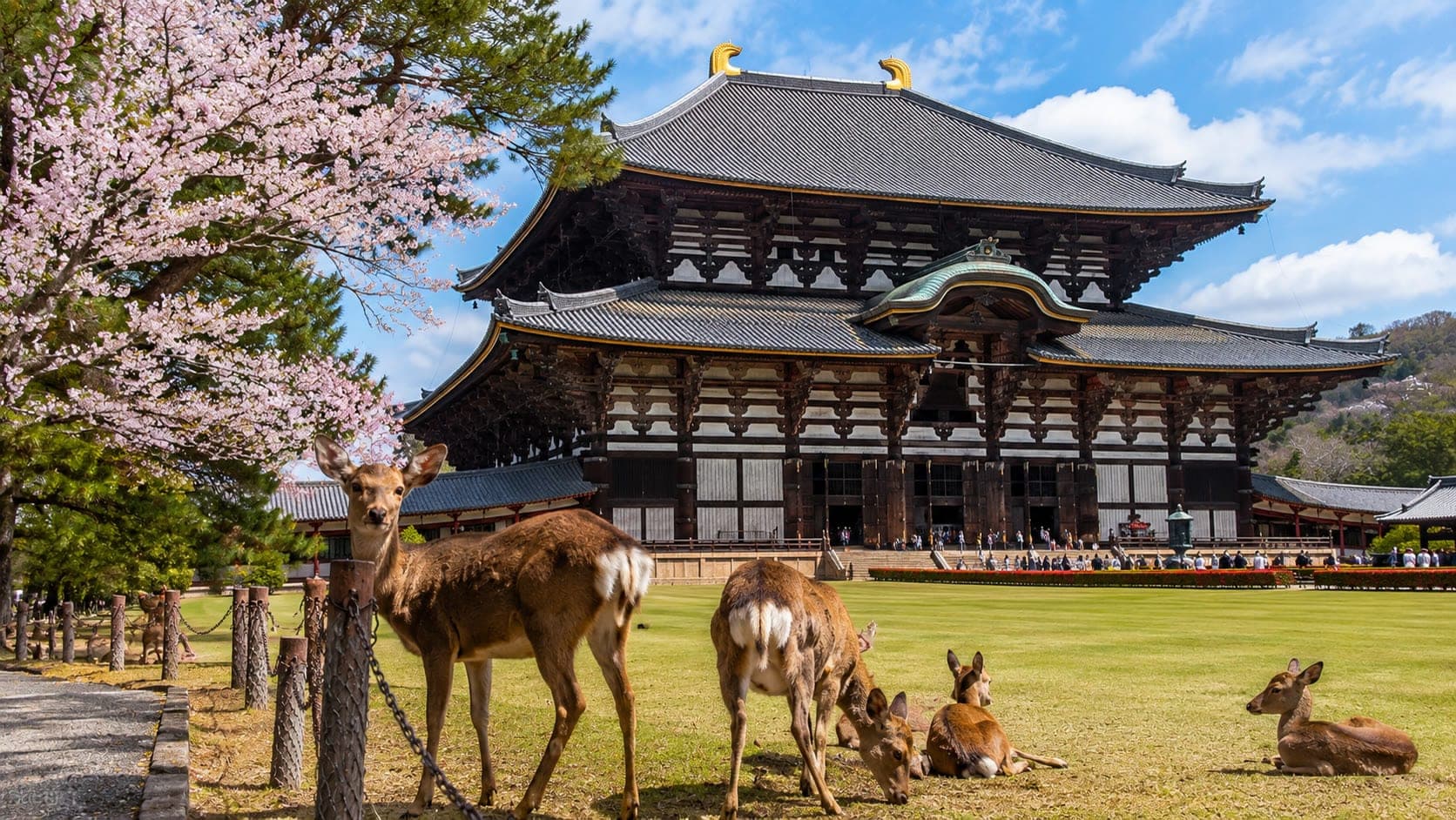
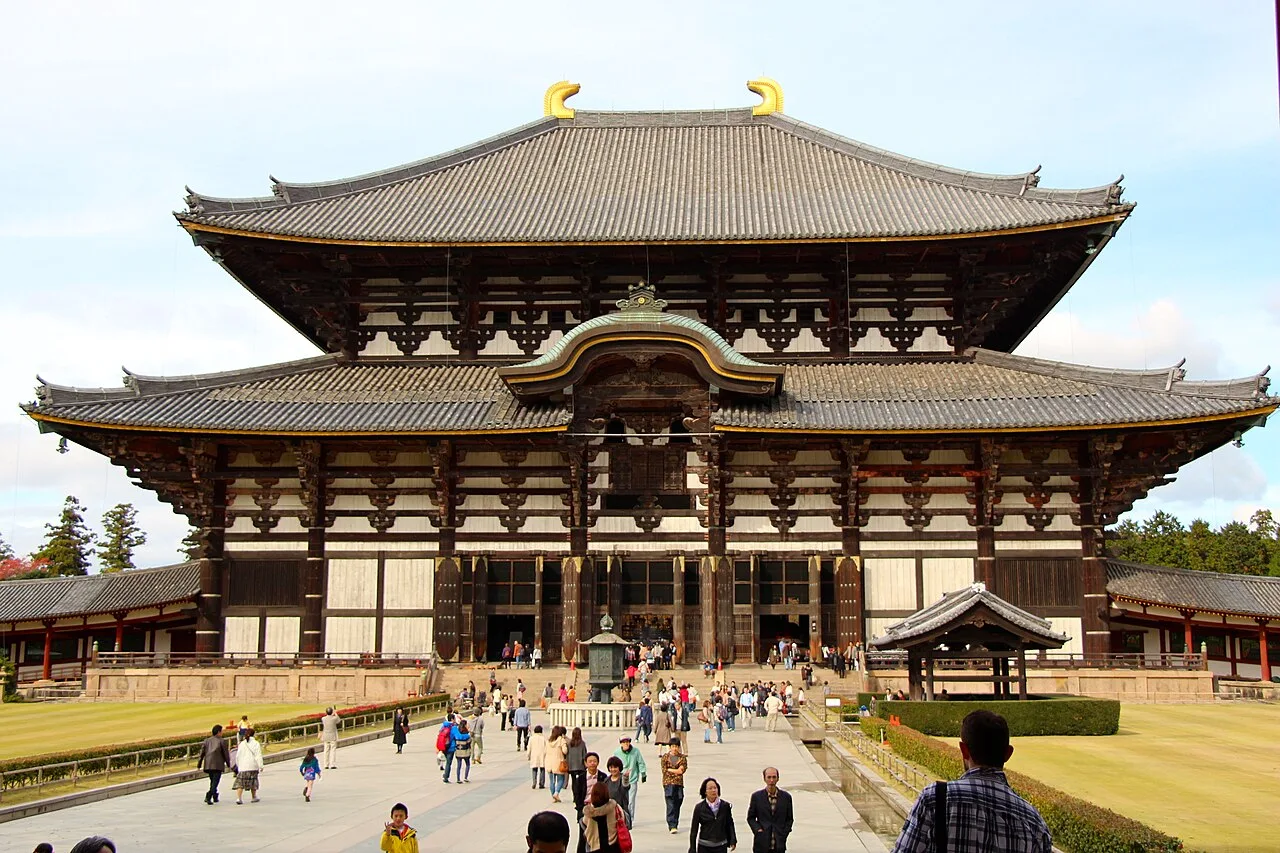
Todai-ji is the stop most visitors plan around. The Daibutsuden (Great Buddha Hall) holds a colossal bronze Buddha first cast in the mid-8th century and restored after fires. The scale hits you before the details: high timber roof, bronze face above the crowds, and side halls with more sculpture if you have time.
Great Buddha Hall, Todai-ji in Nara
Great Buddha Hall, Todai-ji. Photo: Kanchi1979 / Wikimedia Commons (CC BY-SA 4.0).
Adult admission to the Great Buddha Hall is often around ¥800 (verify before travel). The grounds open earlier than many people expect; arriving near opening time cuts the photo lines. Give yourself 60–90 minutes for the hall and nearby paths. The Nigatsu-do balcony nearby is free and gives a wide view over the city if you want a short extra climb.
Crowds thicken from late morning. If your day starts at Kintetsu Nara, walk straight here first, then loop toward Kasuga and Kofuku-ji.
Kasuga Taisha
Kasuga Taisha is a Shinto shrine, not a Buddhist temple, but it belongs on any temples-in-Nara day because it sits on the same park loop. Stone lanterns line the approach; bronze lanterns hang under the eaves. The vermilion buildings and forested path feel different from Todai-ji's open plaza.
The outer grounds are free to walk. Paying for the inner garden or special halls (often around ¥500; verify before travel) is optional and worth it if you like quieter shrine spaces. Plan 45–60 minutes, longer if you linger on the lantern path. In early February the Mantoro lantern festival lights thousands of lanterns; outside festival days the stone rows still set the mood.
Kofuku-ji
Kofuku-ji sits closer to the station side of the park. The five-story pagoda is a Nara skyline marker and free to view from outside. The Central Golden Hall (Chukondo) and the National Treasure Museum hold strong Buddhist sculpture collections; combined tickets are common, often in the ¥500–¥1,000 range depending on what you enter (verify before travel).
Kofuku-ji works well as a late-morning or mid-afternoon stop because it is on the way back toward Kintetsu Nara. If you are short on time, photograph the pagoda and skip paid halls rather than rushing Todai-ji.
Yakushi-ji (honest one-day note)
Yakushi-ji, west of the main park, is a World Heritage temple with a famous east pagoda. Getting there means a short train hop or a longer walk or bus. On a day that already includes Todai-ji, Kasuga, and Kofuku-ji, most people do not have a relaxed visit left. Add it only if temples are your sole priority and you start very early, or save it for a return trip with Horyu-ji.
Simple one-day walking order
Start from Kintetsu Nara Station if you can; it sits closer to the park than JR Nara. From JR Nara, add about 10–15 minutes of walking or a short bus ride toward the same loop.
Suggested order:
1. Todai-ji (morning). Walk northeast into Nara Park. Aim for the Great Buddha Hall first. Buy deer crackers only from licensed sellers if you want them; more on that below.
2. Kasuga Taisha (late morning). Continue east through the park to the shrine approach. Keep water handy; the path stretches longer than it looks on a map.
3. Lunch near the park or back toward town. Simple options cluster near the station and along Sanjo-dori. Avoid eating right next to pushy deer.
4. Kofuku-ji (afternoon). Drop by the pagoda and any halls you still want. Then walk downhill to Kintetsu Nara for the train home.
Total walking for this loop is roughly 5–7 km depending on side paths. Comfortable shoes matter more than fancy camera gear. If mobility is limited, a private car tour can cover the same stops with less pavement; see the Nara private day tour when you want a guide and door-to-door pacing.
Getting there from Kyoto or Osaka
From Kyoto: The Kintetsu limited express to Kintetsu Nara takes about 35 minutes. Local or express trains on the same line run longer but cost less. JR via Nara Line to JR Nara Station is another option; expect around 45–60 minutes depending on the service. Buy IC cards or tickets the usual way; reserved seats help on busy weekends.
From Osaka: From Osaka-Namba / Kintetsu-Namba, Kintetsu trains reach Kintetsu Nara in about 30–40 minutes. From Osaka Station, JR Yamatoji Line services to JR Nara often run about 45–50 minutes. Pick the station that matches your hotel side of town.
Return the same way. Check last trains if you plan dinner in Nara. Use station lockers so you are not dragging bags through deer herds. A Nara day trip from Kyoto or Osaka pairs well with an early departure; private pickup helps families, mixed walking ability, or anyone who wants temple context without reading every plaque.
Etiquette and deer park practical notes
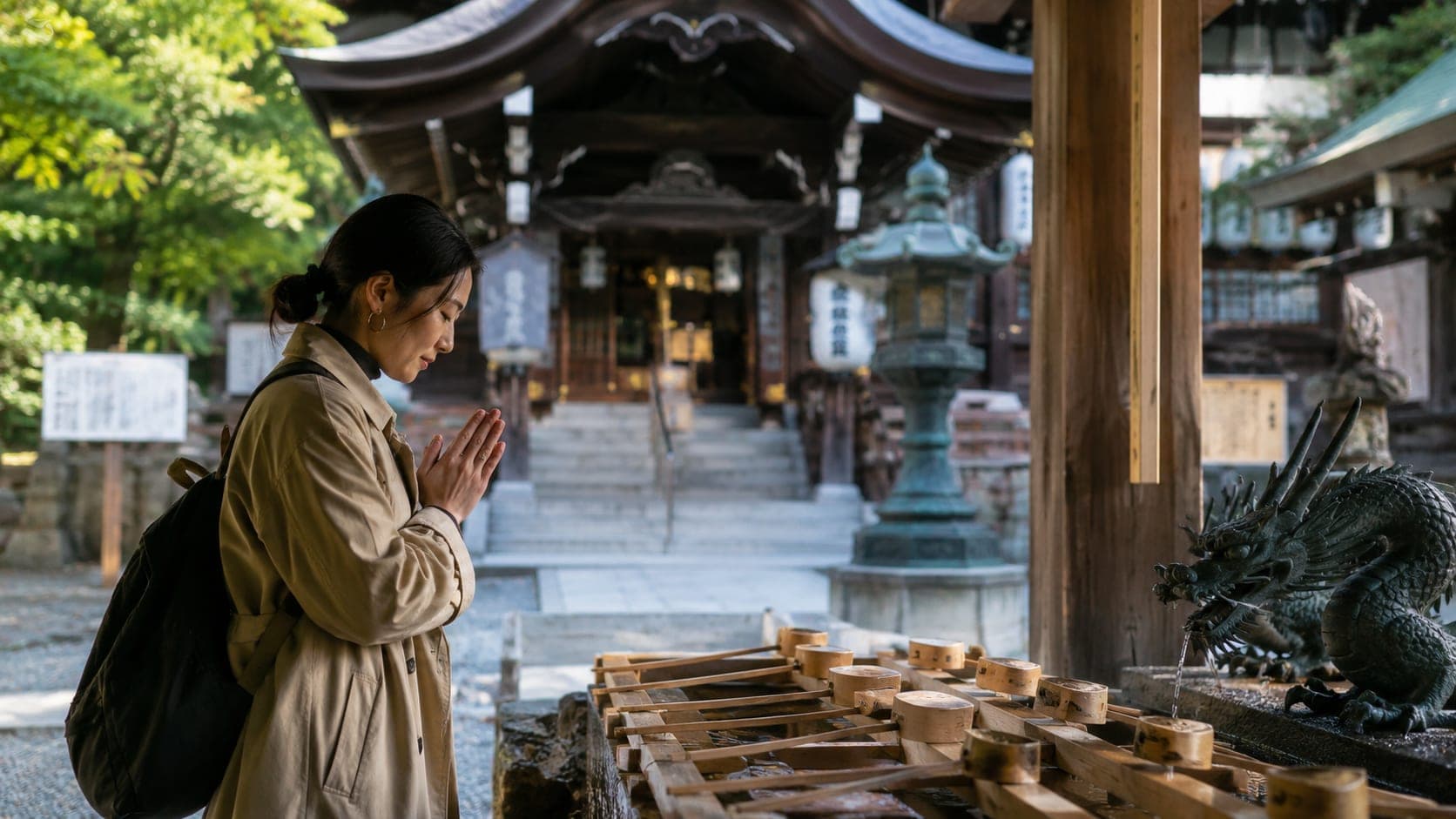
At temples and shrines: speak quietly inside halls, follow photo rules posted at each entrance, and do not touch statues or offerings. At Kasuga Taisha, rinse at the temizuya (water pavilion) if you join the shrine approach custom. Remove hats in indoor prayer spaces when signs ask. Shoes stay on for most outdoor paths; follow staff directions at paid halls.
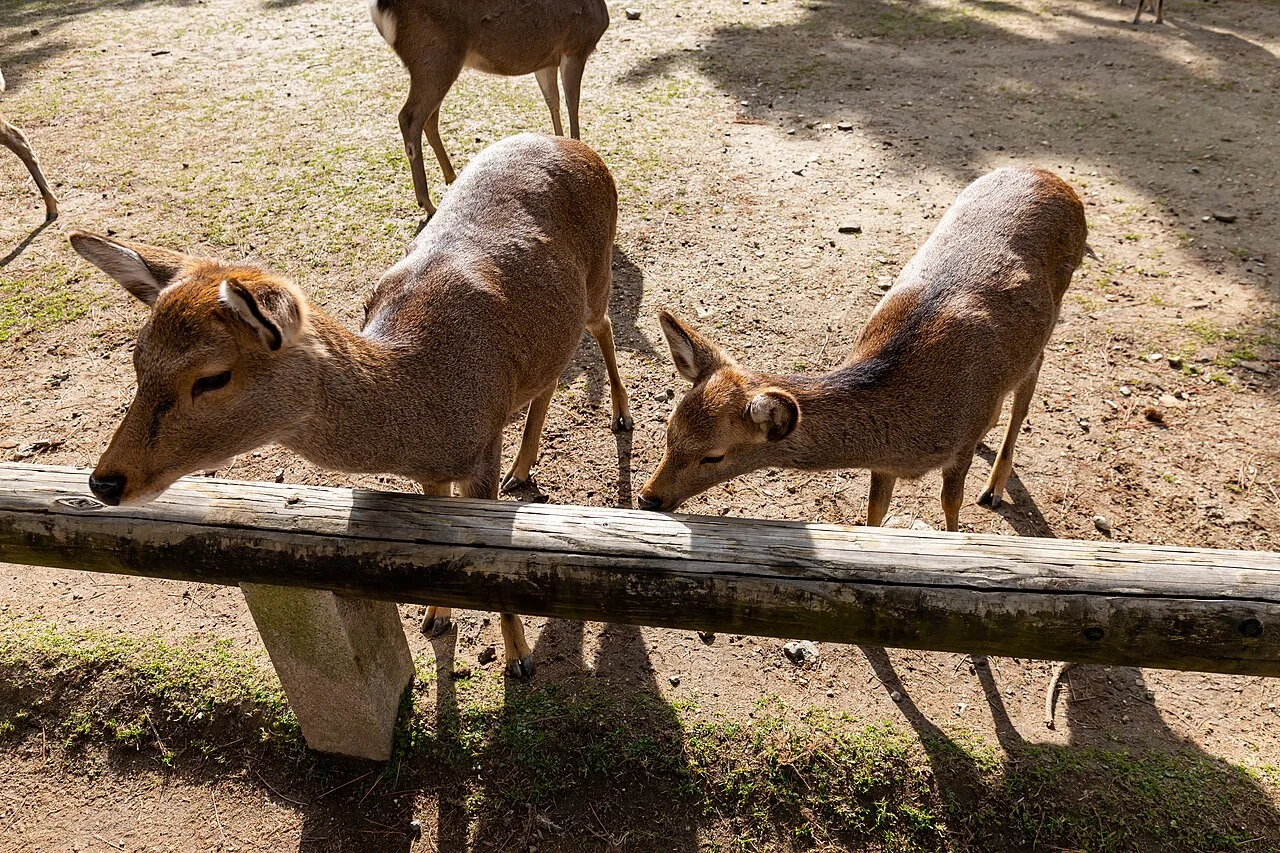
Nara Park's deer are wild animals, not pets. Buy senbei (deer crackers) only from official sellers when you want to feed them. Hold crackers flat and let the deer take them; do not tease or force-feed. Bowing sometimes prompts a polite deer bow back, but it is not required theater. Keep bags closed, because deer will nose into maps and snacks. If a deer gets pushy, step back and put crackers away. Never chase or corner them for photos.
Watch small children closely near the herds. Wash hands after feeding. On hot days, carry water for yourself; shade is uneven between Todai-ji and Kasuga.
Nearby: park, museum, garden, old town
Nara Park is the green frame around Todai-ji, Kasuga, and Kofuku-ji. Open lawns, ponds, and paths stitch the sites together. It is free to enter and active from early morning.
Nara National Museum sits in the park with strong Buddhist art displays and a major autumn exhibition (often Shoso-in related). Check hours if art is a priority; many day-trippers skip it to keep walking time for the halls.
Isuien Garden, a short walk from Todai-ji, frames temple roofs with borrowed scenery. Entry is often around ¥1,200 (verify before travel). Worth 45 quiet minutes if you like gardens.
Naramachi, south of the park, is the old merchant quarter with lattice houses, small shops, and cafes. Useful for a late-afternoon wander if your train is not until evening.
When you are ready to go
Lock three stops: Todai-ji, Kasuga Taisha, and Kofuku-ji. Start early from Kyoto or Osaka, walk the park loop, and leave Yakushi-ji for another visit unless temples are your only goal. Verify opening hours and fees the week you travel; seasonal changes and special exhibitions do happen.
If you want English guidance, cultural context at each hall, and less walking stress, book the Nara private day tour with cultural insights through Ohayo Travels. Otherwise lace up, buy your train ticket, and give the temples in Nara a full, unhurried day.
Prioritize Todai-ji (Great Buddha), Kasuga Taisha, and Kofuku-ji. They sit on a walkable Nara Park loop. Save Yakushi-ji for a second day or a temple-only itinerary.
From Kintetsu Nara, go to Todai-ji in the morning, continue to Kasuga Taisha, take a lunch break, then finish at Kofuku-ji on the way back to the station. From JR Nara, add 10–15 minutes to reach the same loop.
From Kyoto, Kintetsu limited express to Kintetsu Nara takes about 35 minutes; JR to JR Nara is often 45–60 minutes. From Osaka-Namba, Kintetsu reaches Kintetsu Nara in about 30–40 minutes. Confirm schedules on the day you travel.
Todai-ji's Great Buddha Hall is often around ¥800 for adults. Kasuga Taisha outer grounds are free; inner areas may be about ¥500. Kofuku-ji paid halls often fall in the ¥500–¥1,000 range. Always verify fees before travel.
Yes, but only with crackers sold by licensed vendors. Hold them flat, do not tease or force-feed, and keep bags closed. The deer are wild; step back if they get pushy and watch children closely.
Nara Park links the main sites for free. Nearby options include Nara National Museum, Isuien Garden near Todai-ji, and the Naramachi old-town streets for shops and cafes after your temple loop.