The things to do in Hiroshima fall into two halves that could not be less alike. One is a park in the middle of a working city, kept as a record of the morning of 6 August 1945. The other is an island where a shrine stands over the sea. Most visitors see both in a single day, and the contrast is a large part of what stays with them.
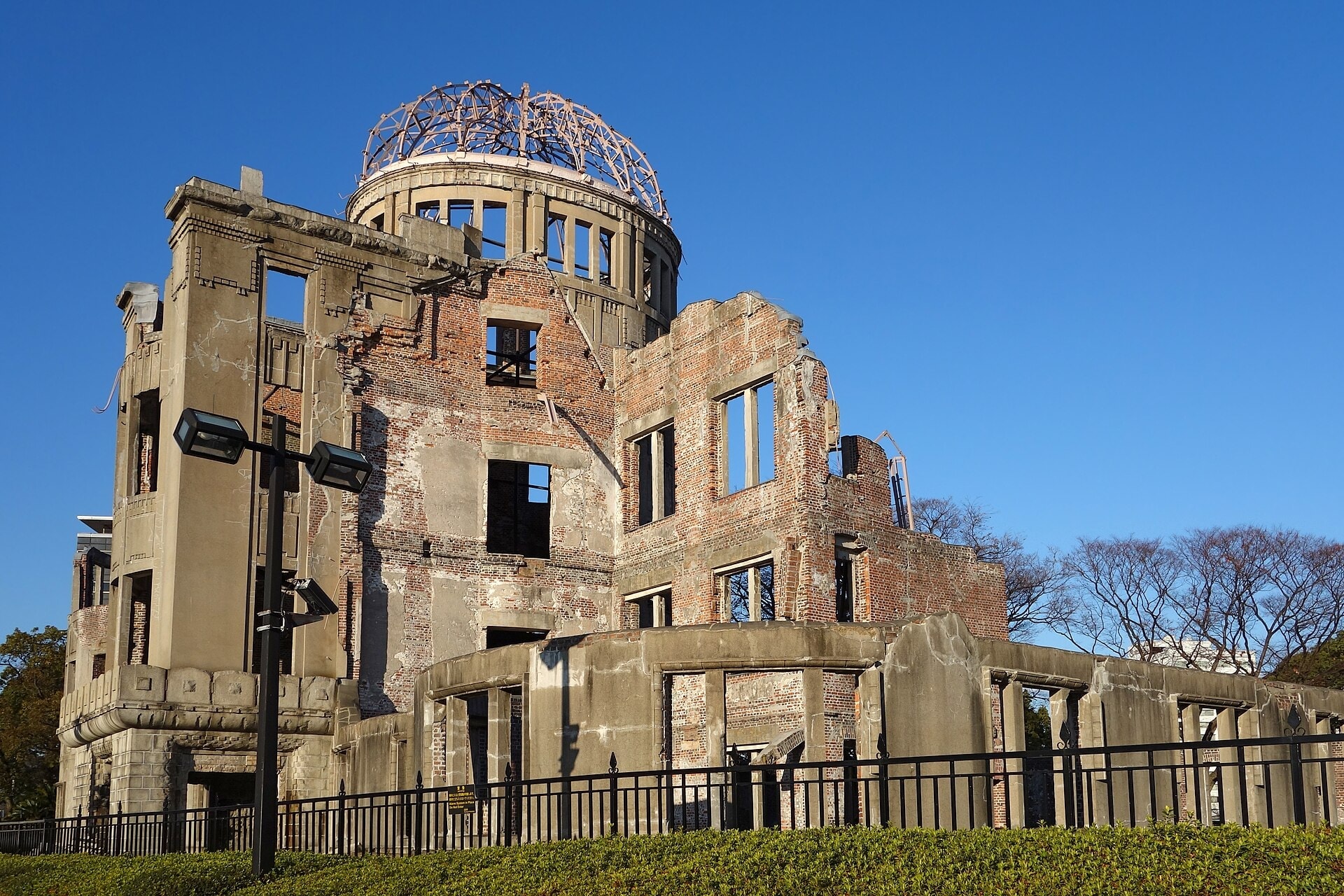
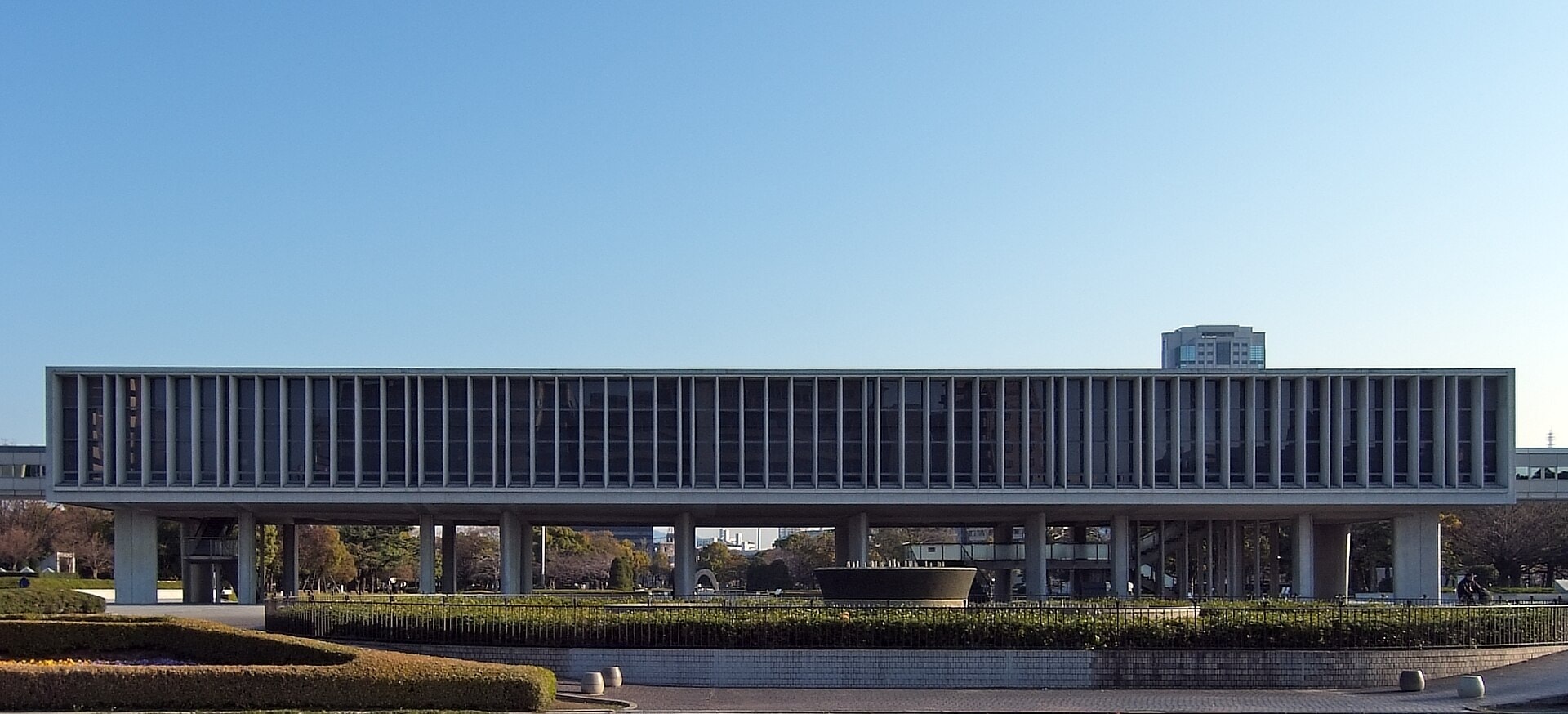
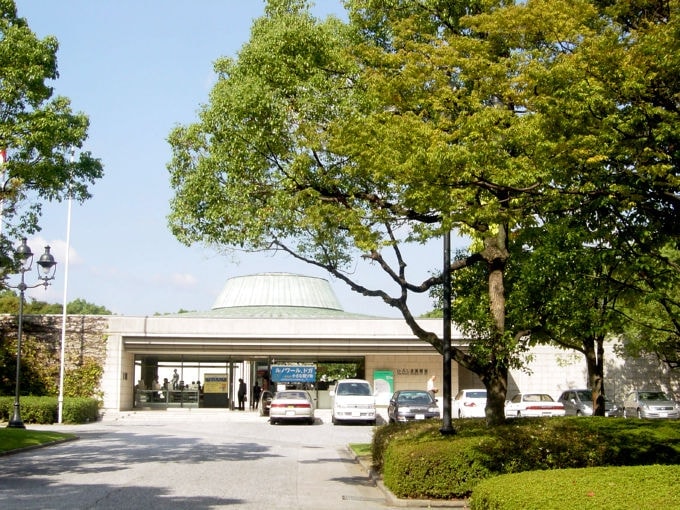
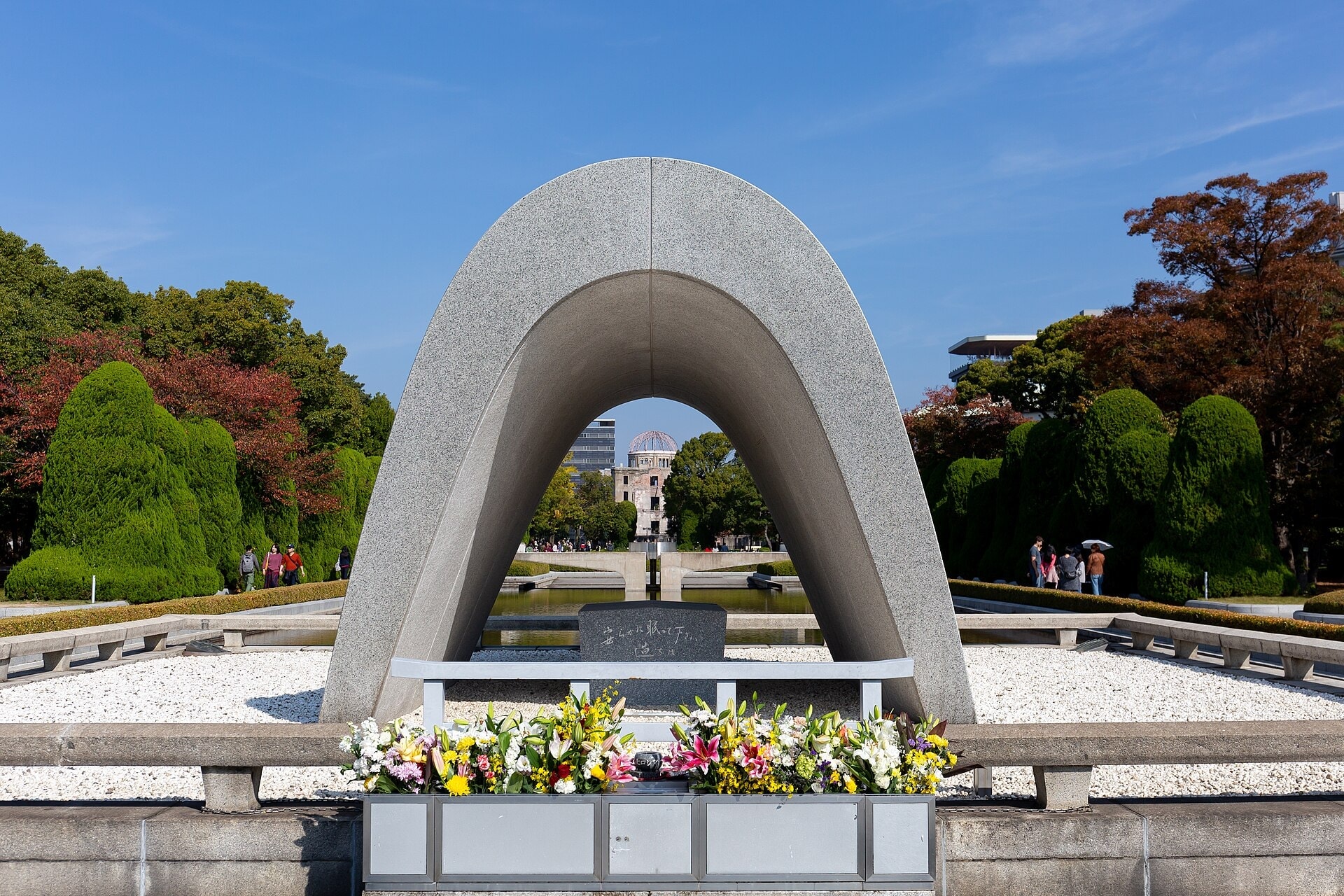
Peace Memorial Park occupies what used to be the busiest commercial quarter of the city. At its northern edge stands the Atomic Bomb Dome, the shell of an exhibition hall left upright almost directly beneath the detonation and preserved since as it was found. The Peace Memorial Museum takes most people around ninety minutes and does not soften anything. Nearby, the Children's Peace Monument is ringed with glass cases of folded paper cranes sent by schools from all over the world, a tradition that began with Sadako Sasaki, a girl who folded them while ill after the bombing. Give the park a morning, and expect it to be a quiet one.
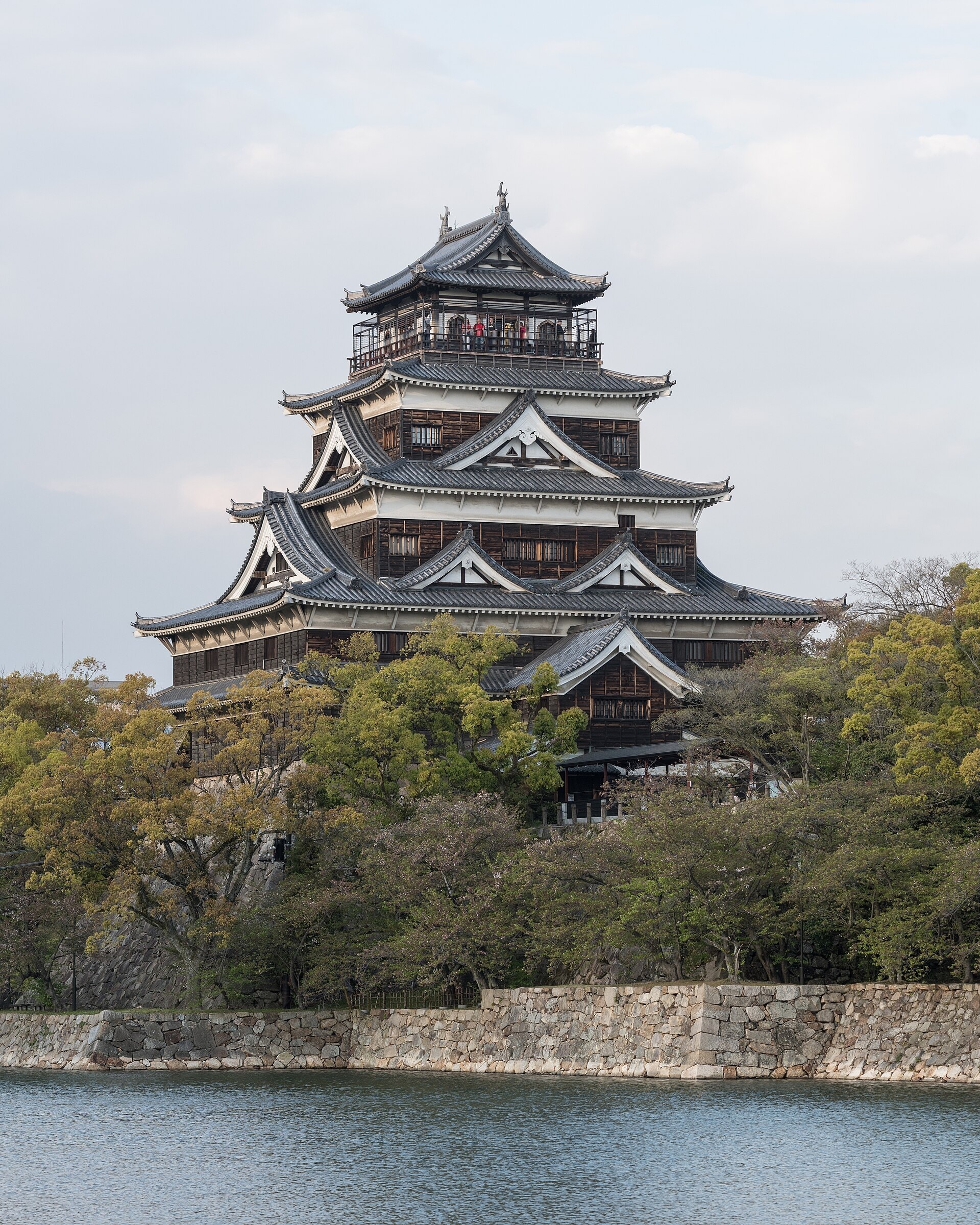
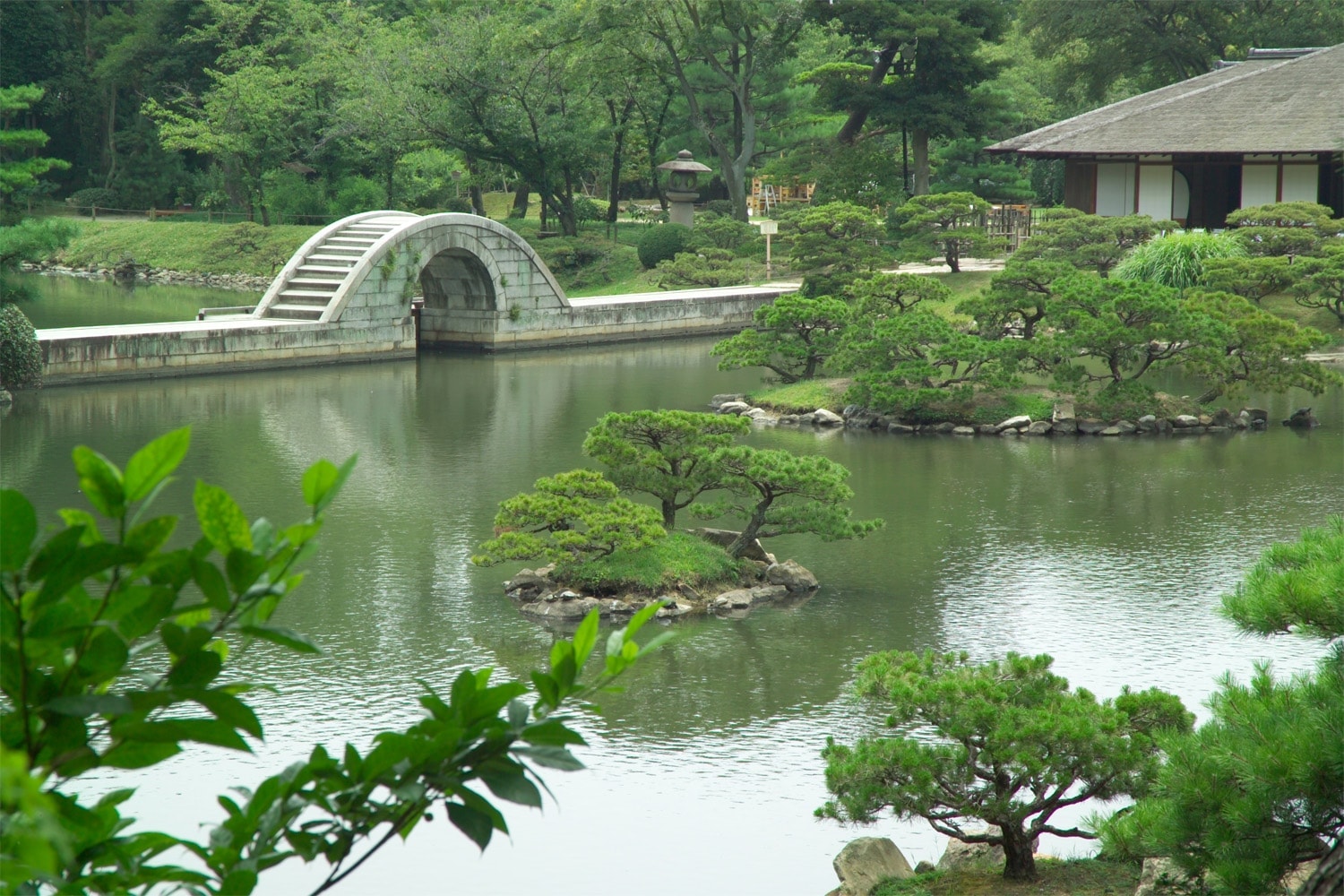
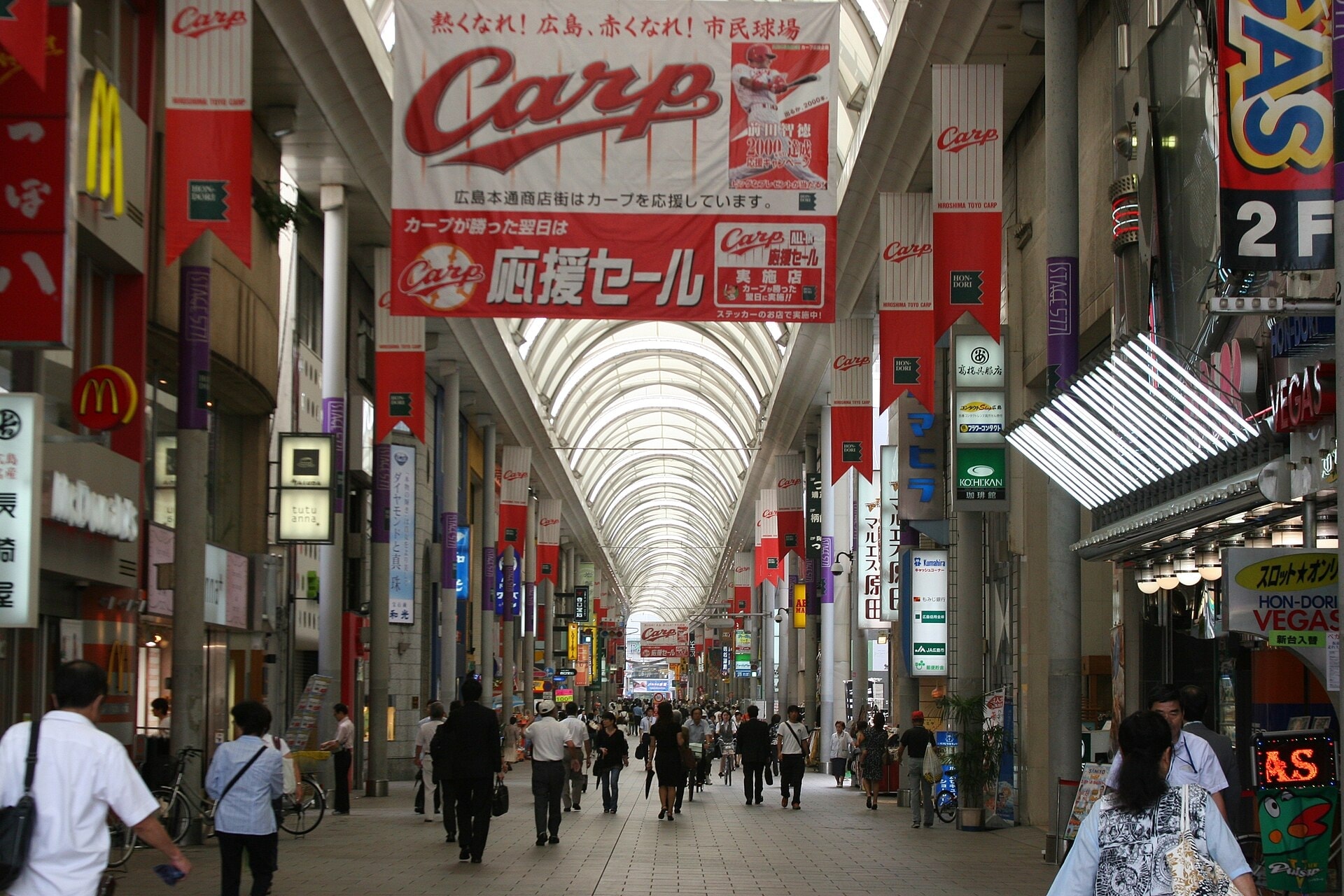
The city around it is ordinary in the best possible sense. Trams rattle down wide streets that were laid out during the rebuilding, students fill the riverbanks, and Hiroshima Castle and Shukkeien Garden have both been restored. Local food is a matter of some pride. Okonomiyaki here is layered rather than mixed, with noodles pressed in, and the prefecture farms most of the oysters eaten in Japan.
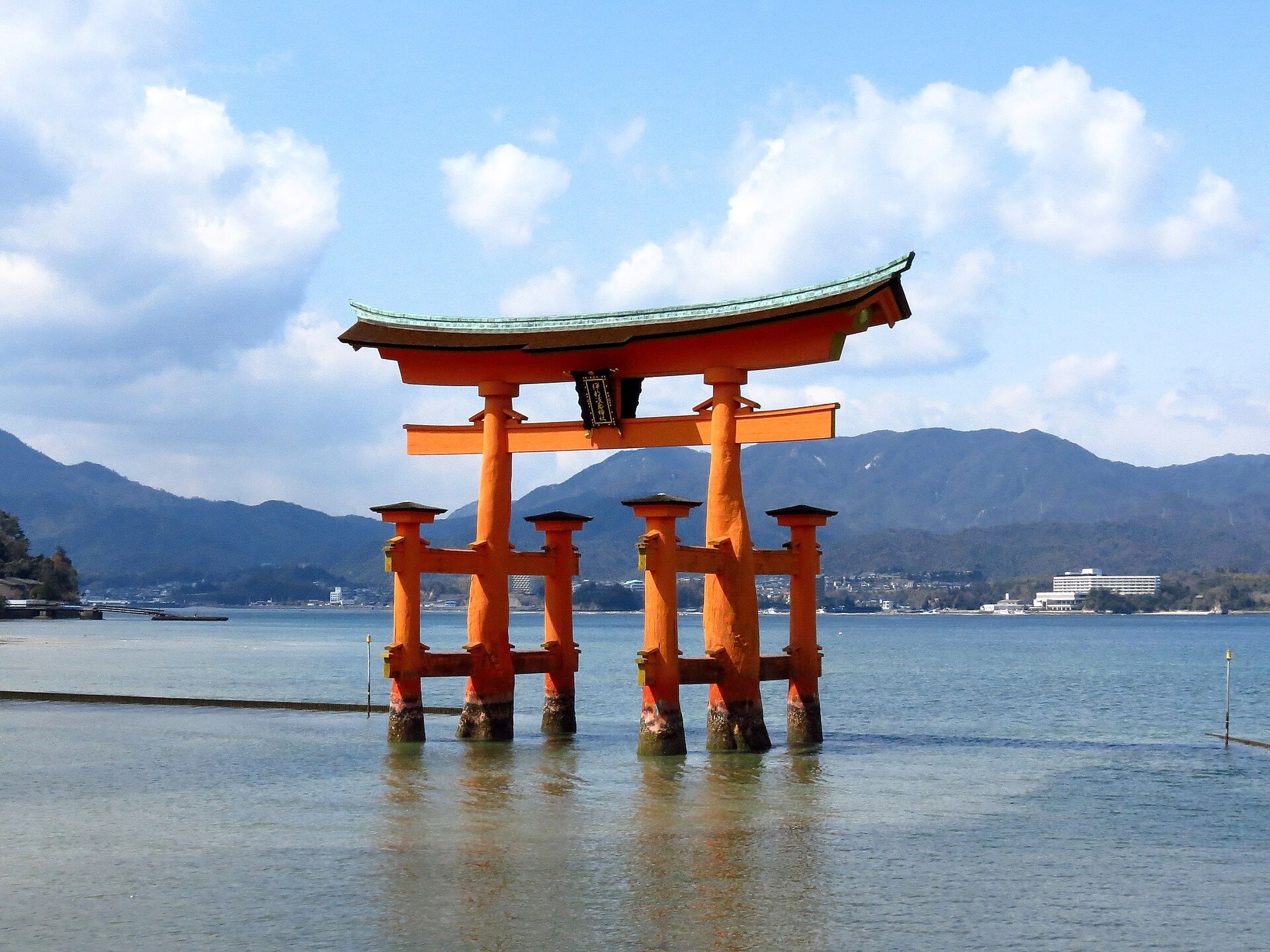
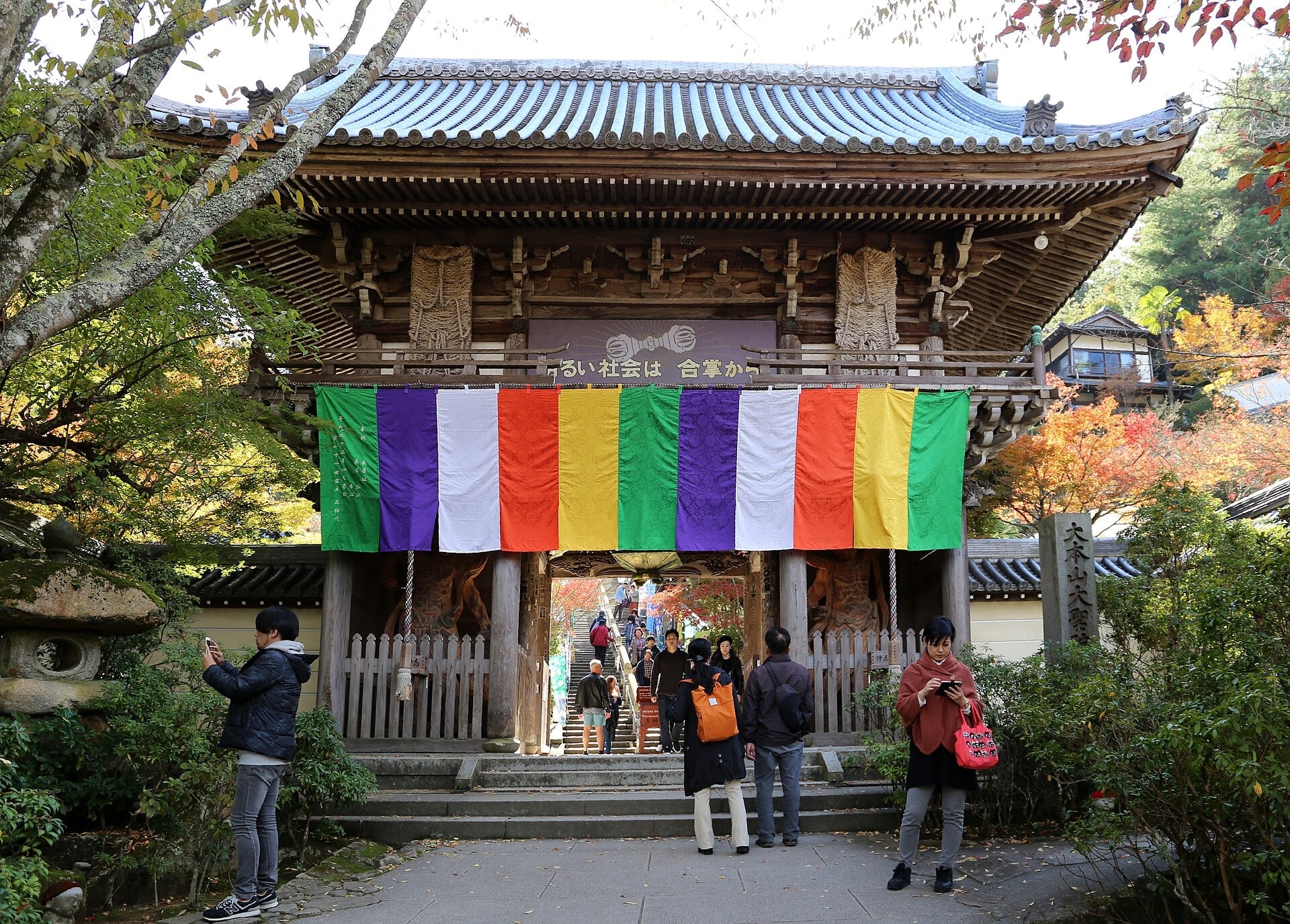
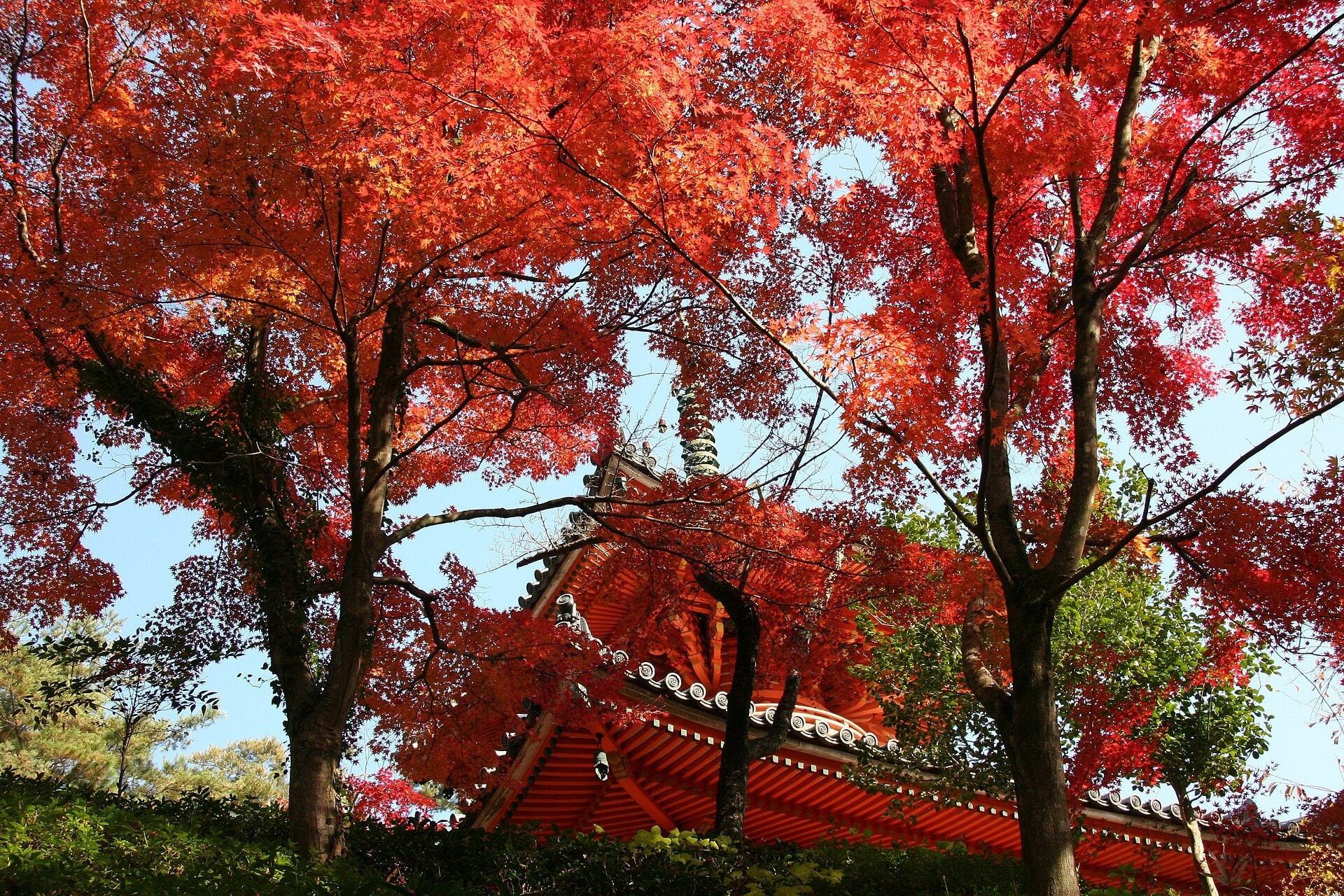
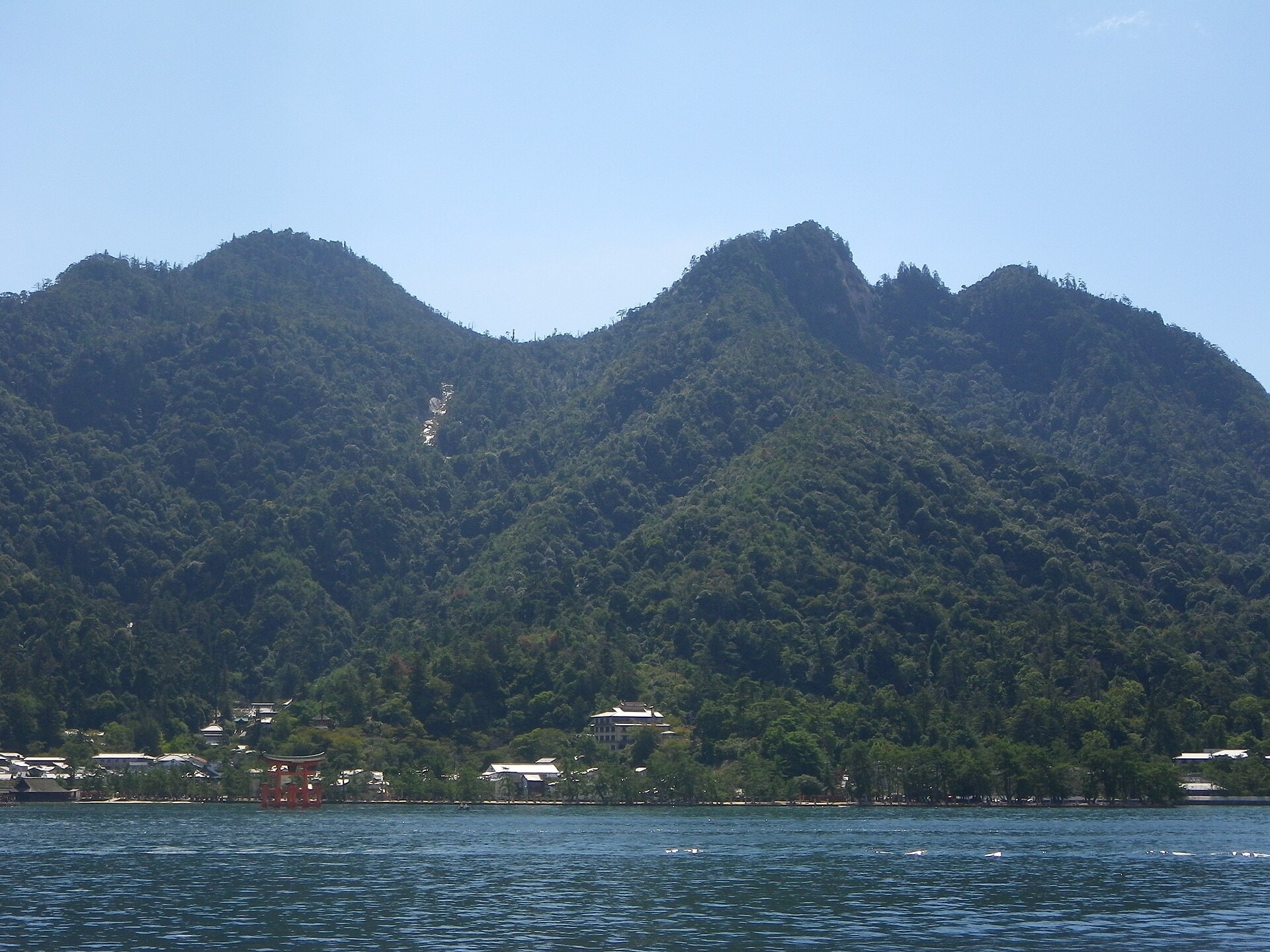
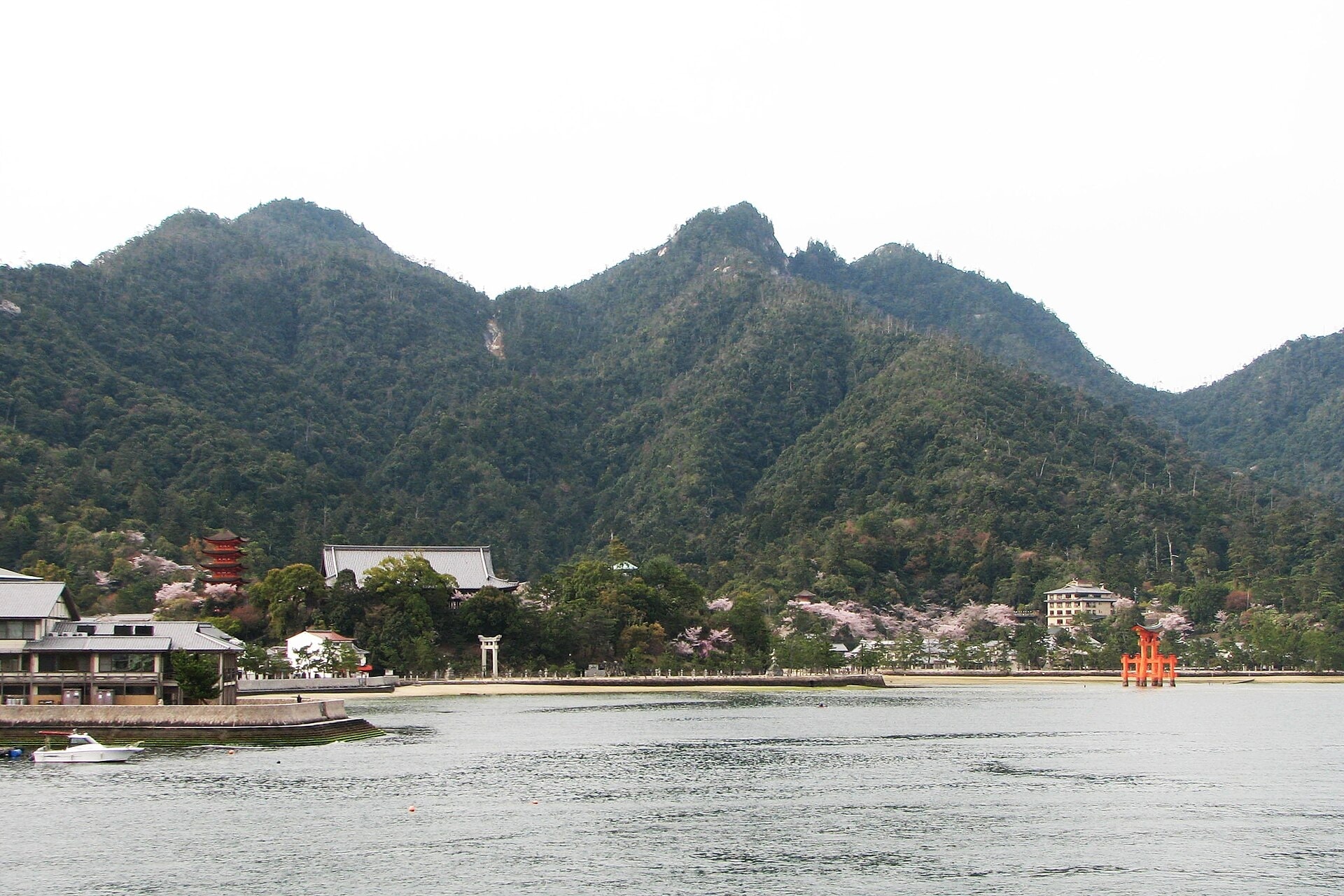
Miyajima is the other half of the day. The ferry from Miyajimaguchi takes about ten minutes, and Itsukushima Shrine sits on stilts above the tideline with its great vermilion torii standing out in the water. At high tide the gate appears to float. At low tide you can walk out to it across the sand. Behind the shrine, Daisho-in temple climbs the hillside and a ropeway carries you most of the way up Mount Misen for the view back over the Inland Sea.
Things to do in Hiroshima usually come down to two stops. Peace Memorial Park and its museum sit in the centre of the city and take a morning. Miyajima, with the floating torii of Itsukushima Shrine, is around forty minutes away by train and ferry and fills an afternoon. Add Hiroshima Castle, Shukkeien Garden or an okonomiyaki dinner if you have longer.
The things to do in Hiroshima fall into two halves that could not be less alike. One is a park in the middle of a working city, kept as a record of the morning of 6 August 1945. The other is an island where a shrine stands over the sea. Most visitors see both in a single day, and the contrast is a large part of what stays with them.
Peace Memorial Park occupies what used to be the busiest commercial quarter of the city. At its northern edge stands the Atomic Bomb Dome, the shell of an exhibition hall left upright almost directly beneath the detonation and preserved since as it was found. The Peace Memorial Museum takes most people around ninety minutes and does not soften anything. Nearby, the Children's Peace Monument is ringed with glass cases of folded paper cranes sent by schools from all over the world, a tradition that began with Sadako Sasaki, a girl who folded them while ill after the bombing. Give the park a morning, and expect it to be a quiet one.
The city around it is ordinary in the best possible sense. Trams rattle down wide streets that were laid out during the rebuilding, students fill the riverbanks, and Hiroshima Castle and Shukkeien Garden have both been restored. Local food is a matter of some pride. Okonomiyaki here is layered rather than mixed, with noodles pressed in, and the prefecture farms most of the oysters eaten in Japan.
Miyajima is the other half of the day. The ferry from Miyajimaguchi takes about ten minutes, and Itsukushima Shrine sits on stilts above the tideline with its great vermilion torii standing out in the water. At high tide the gate appears to float. At low tide you can walk out to it across the sand. Behind the shrine, Daisho-in temple climbs the hillside and a ropeway carries you most of the way up Mount Misen for the view back over the Inland Sea.
Things to do in Hiroshima usually come down to two stops. Peace Memorial Park and its museum sit in the centre of the city and take a morning. Miyajima, with the floating torii of Itsukushima Shrine, is around forty minutes away by train and ferry and fills an afternoon. Add Hiroshima Castle, Shukkeien Garden or an okonomiyaki dinner if you have longer.