Things to do in Hiroshima start with quiet history and end with a ferry ride to Miyajima. Peace Memorial Park and the Atomic Bomb Dome sit near the tram line. The Peace Memorial Museum asks for slow attention. Hiroshima Castle and Itsukushima Shrine round out a full day or an easy overnight.
This guide lays out the main landmarks, how to move between them, and a practical day plan whether you go DIY or with a private guide. Soft walking shoes help; you will cover more ground than the map suggests.
Peace Memorial Park and the Atomic Bomb Dome
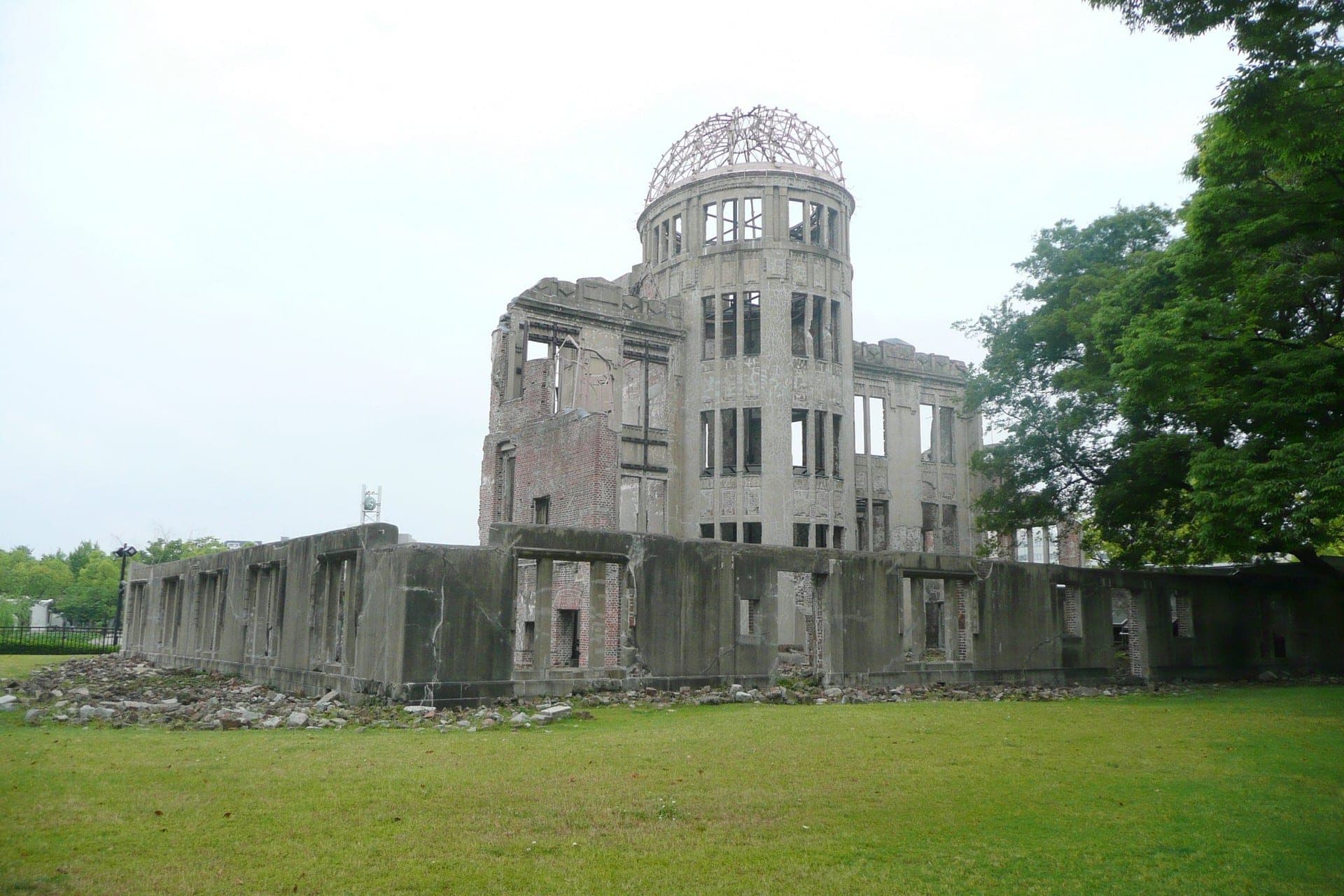
Start at Peace Memorial Park. Paths, memorials, and open lawns give you space to walk without a fixed route. The Atomic Bomb Dome (Genbaku Dome) is a ruined industrial hall from 1945, preserved as a UNESCO World Heritage Site. The structure is free to view from outside year-round.
Take the tram from Hiroshima Station to Genbaku Dome-mae. The walk from the stop is about two minutes. Early morning or dusk is quieter; the Dome is lit after dark. Keep voices low near memorials and give people space for photos and prayer.
The museum explains the city before the bombing, the morning of August 6, 1945, and the years of recovery that followed. Expect photographs, personal belongings, and survivor accounts. Plan at least two hours. Admission is low (often around 200 JPY); hours typically run from morning into early evening, with longer days in August.
Audio guides in several languages help if you want more detail without reading every panel. Go early or late in the day to avoid school groups. The exhibits are heavy; build in a short break in the park afterward before you rush to the next stop.
Hiroshima Castle
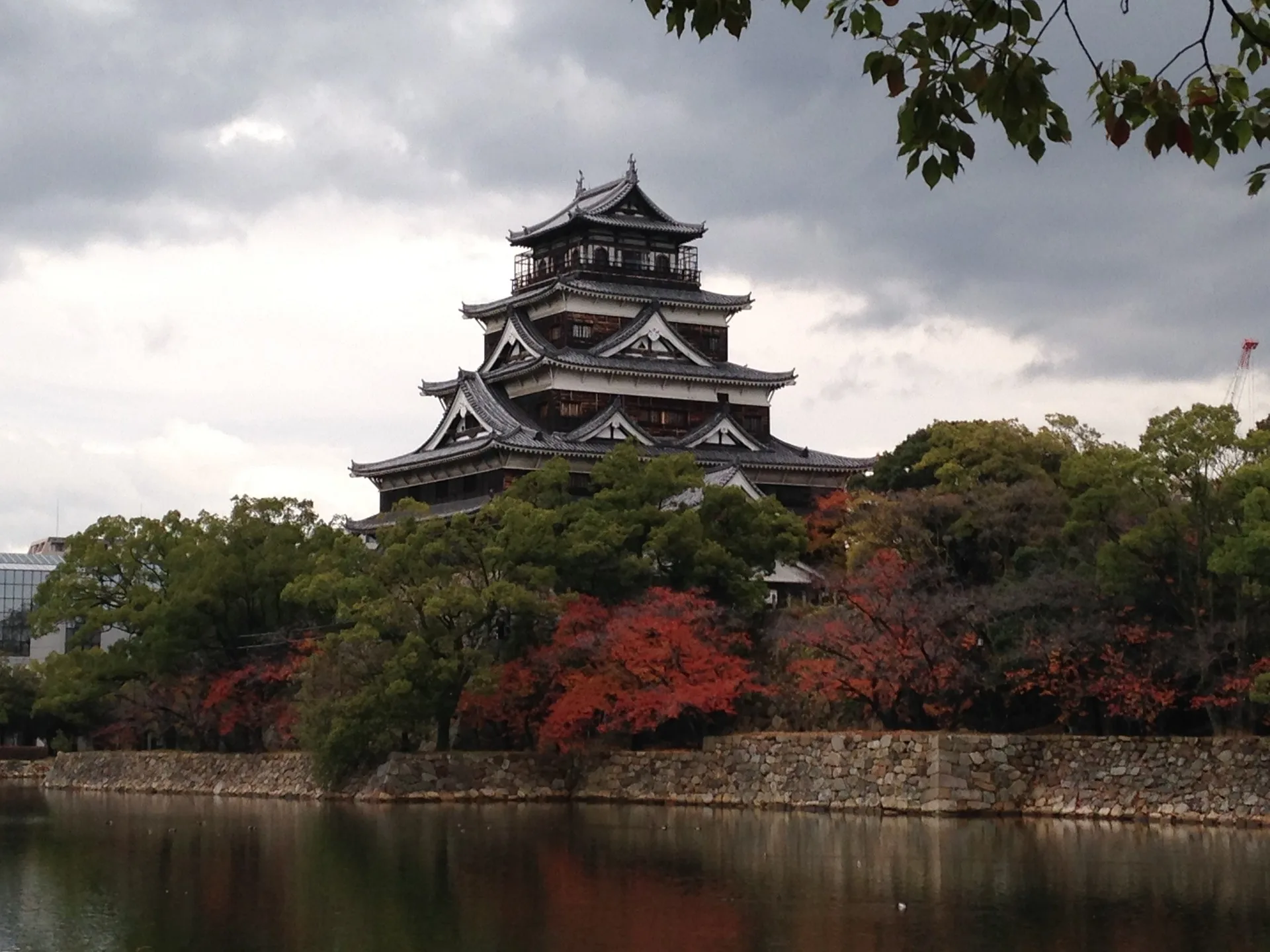
Hiroshima Castle, also called Carp Castle, was rebuilt after the war and now houses a history museum inside the keep. The original fortress dates to the late 16th century under Mori Terumoto. Today's reconstruction (completed in 1958) shows armor, documents, and city history from the feudal period.
From Hiroshima Station, take a tram toward Kencho-mae and walk about ten minutes. Grounds and keep hours are usually daytime only; entry to the keep is often around 370 JPY. The moat and park are pleasant for a short stroll, and cherry blossoms draw crowds in spring. From the top floor you get a clear view across the rebuilt city.
Miyajima and Itsukushima Shrine
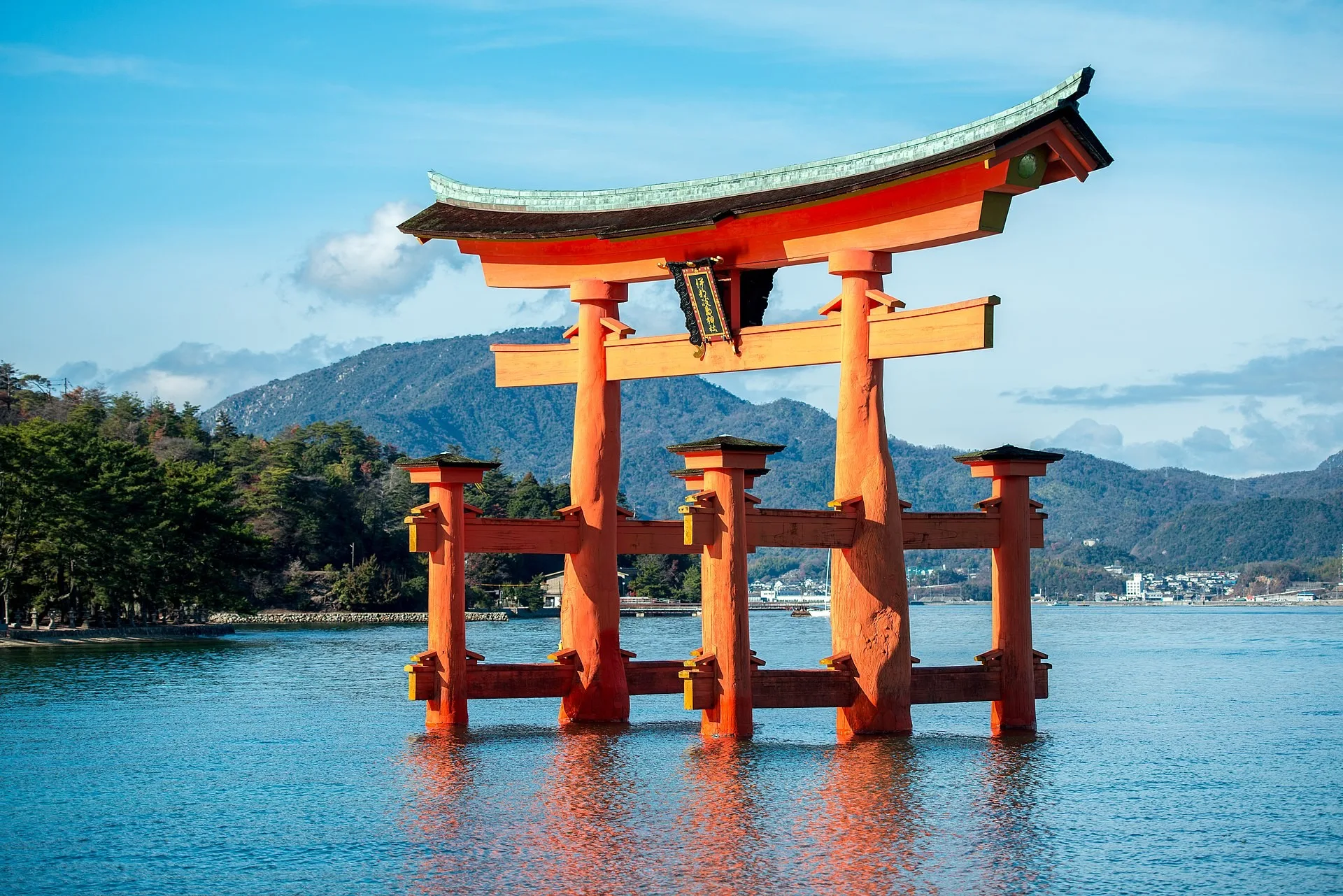
Miyajima Island is the classic half-day or full-day add-on. Itsukushima Shrine and its "floating" torii are the draw. At high tide the gate sits in the water; at low tide you can walk out on the sand. Both views are worth planning around tide tables for the day you visit.
From Hiroshima Station, ride about 30 minutes to Miyajimaguchi, then take the 10-minute ferry. JR Pass holders can use the JR ferry. Shrine hours start early morning; entry is typically a few hundred yen. On the island, deer wander the paths, grilled oysters and momiji manju appear on every food street, and trails climb toward Mount Misen if you have the legs for it.
Floating torii gate at Itsukushima Shrine on Miyajima
Floating torii gate at Itsukushima Shrine on Miyajima
Trams cover Peace Park, the Dome, and the castle area from Hiroshima Station. A one-day tram pass (often around 700 JPY) is useful if you hop between several stops. Buses fill gaps. Taxis work for short hops when you are tired, but costs add up.
Miyajima needs the train-plus-ferry combo. Leave slack for ferry queues on weekends and holidays. If you rent a bike in the city, stick to flat riverside paths near the park; castle grounds are walkable once you are nearby.
A simple day plan
Morning: Peace Memorial Park, Dome, and museum (three to four hours with a break). Afternoon: Hiroshima Castle if you stay in the city, or switch to Miyajima for the shrine and a late ferry back. Trying to force castle, full museum, and a rushed Miyajima into one day usually means skimping on the museum.
Two days feel better: one for the peace sites and castle, one for Miyajima with time on the trails or an overnight ryokan on the island after day-trippers leave. For cost and pacing notes on hiring a guide, read Plan the Ultimate Hiroshima Private Tour: Costs & Tips for 2026.
Private guide or DIY?
DIY works well here. English signage at the main sites is clear, trams are straightforward, and the ferry is easy once you reach Miyajimaguchi. A private guide helps if you want deeper context at the museum and memorials, help with transfers, or a custom pace for kids or older travelers.
Ohayo Travels focuses on private day tours from the Tokyo area — for example Nikko, Hakone with onsen, and Kyoto. We do not currently list a fixed Hiroshima day-tour product on our tours page. If you want a private guide for Hiroshima landmarks, contact us and we can discuss custom arrangements, or explore related multi-day Japan itineraries when Hiroshima fits your route.
Before you go
Things to do in Hiroshima reward an early start and an honest time budget for the museum. Pack tissues, water, and a light layer for ferry wind. Cash still helps at smaller food stalls on Miyajima. Most of all, leave room to sit quietly in the park — that pause is part of why people come.
Whether you spend one day or two, the Dome, museum, castle, and Miyajima give you a clear arc: remember, learn, then breathe a little at the water. Use this list of things to do in Hiroshima as a base, then cut stops until the day feels walkable rather than packed.
A sample half-day flow in the city
If you only have a morning in Hiroshima before Miyajima, start at Peace Memorial Park when it opens. Walk the grounds, visit the Dome exterior, then give the museum as much time as you can handle emotionally — ninety minutes is a common minimum. After lunch, either continue to Hiroshima Castle for a lighter historical counterpoint or head straight to Miyajima if tides and ferry timing matter more to your photos.
If your priority among things to do in Hiroshima is Miyajima, reverse the order on a long day: early ferry out, shrine and hill time while energy is high, then return for the Peace Park in late afternoon. Just remember museum hours and the last ferry back. Build buffer for ticket lines and for needing a quiet break after heavy exhibits.
Plan a Hiroshima day with help
DIY works well here if you are comfortable with trains and ferries. A private guide helps most when you want timing managed, context at the memorials, and less decision fatigue after a long Shinkansen ride. Ohayo Travels published day tours focus on the Tokyo area, so check our tours for ready-made options, or contact us if you want a custom Hiroshima day discussed against your wider Japan route.
Visit Peace Memorial Park and the Atomic Bomb Dome, spend time in the Peace Memorial Museum, then either see Hiroshima Castle or take the train and ferry to Miyajima for Itsukushima Shrine. Do not try to rush all four at full depth in one day.
Plan at least two hours. The exhibits are detailed and emotional. Audio guides help, and quieter morning or late-afternoon slots are easier than midday school-group times.
Yes. You view the Dome from outside in Peace Memorial Park at no charge. It is open year-round. The nearby museum has a separate, low admission fee.
Take a train from Hiroshima Station to Miyajimaguchi (about 30 minutes), then a 10-minute ferry to the island. JR Pass holders can use the JR ferry. Check tide times if you want the torii in the water or walkable sand.
Yes. Trams link the main city sites, signage is clear, and Miyajima is a simple train-plus-ferry hop. A private guide is useful for deeper historical context or custom pacing, not for basic navigation.
A one-day tram pass is often around 700 JPY and covers unlimited rides on the city tram network. It pays off if you move between the station, Peace Park, and the castle area in one day.