Most things to do in Nara are inside one park, which is why the city works so well as a day trip. Nara was Japan's first permanent capital, from 710 to 784, and when the court moved on to Kyoto it took the politics with it and left the temples behind. That accident of history is the reason a small provincial city holds eight UNESCO World Heritage sites.
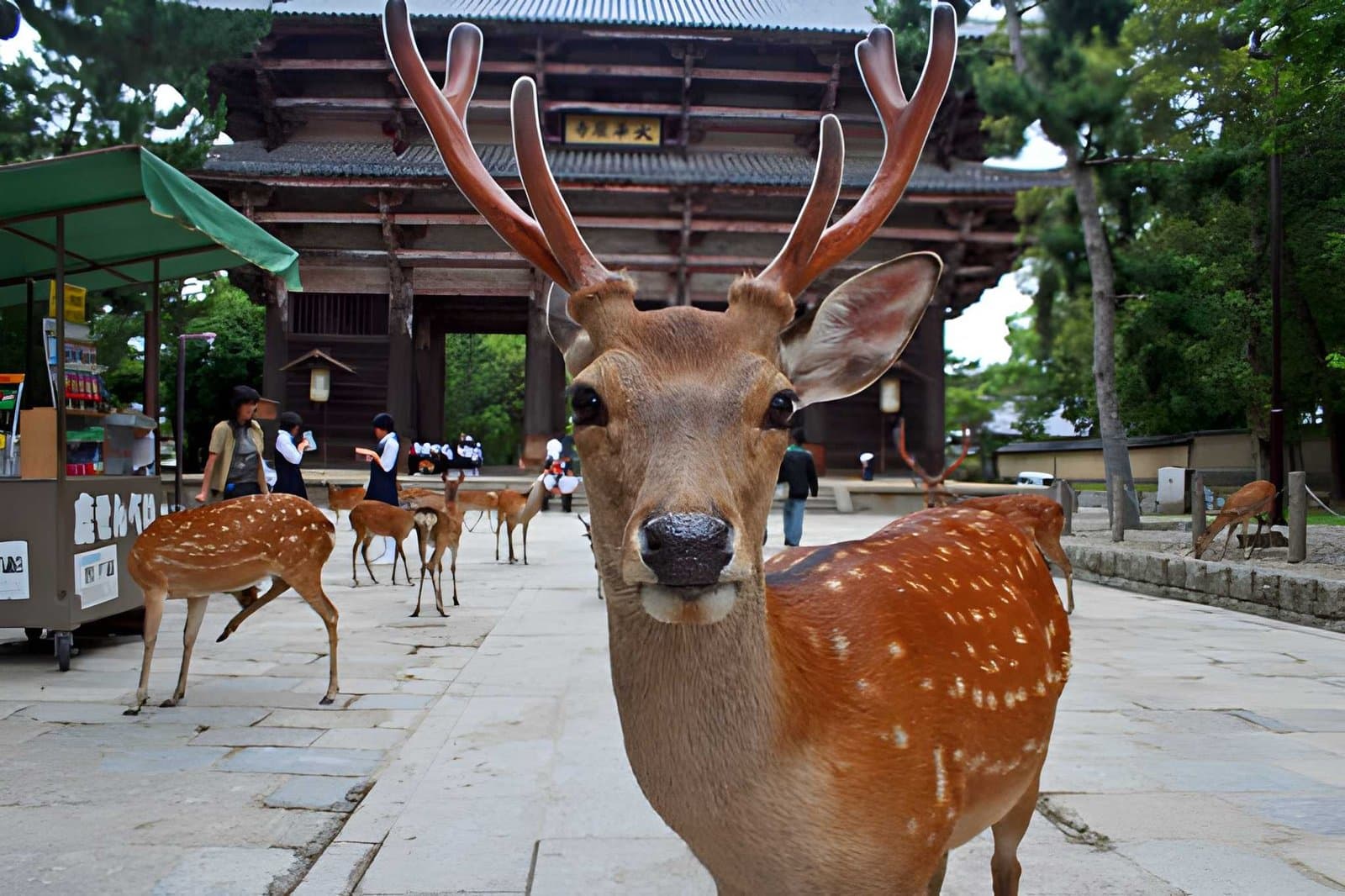
The deer come first, whether you plan it that way or not. Around twelve hundred of them roam Nara Park freely, and they were treated as messengers of the gods for centuries, which is why nobody ever moved them out. Vendors sell shika senbei, flat crackers made for the deer, and many of the animals have learned to bow for one. Some bow politely. Others will follow you down the path and go through your bag.
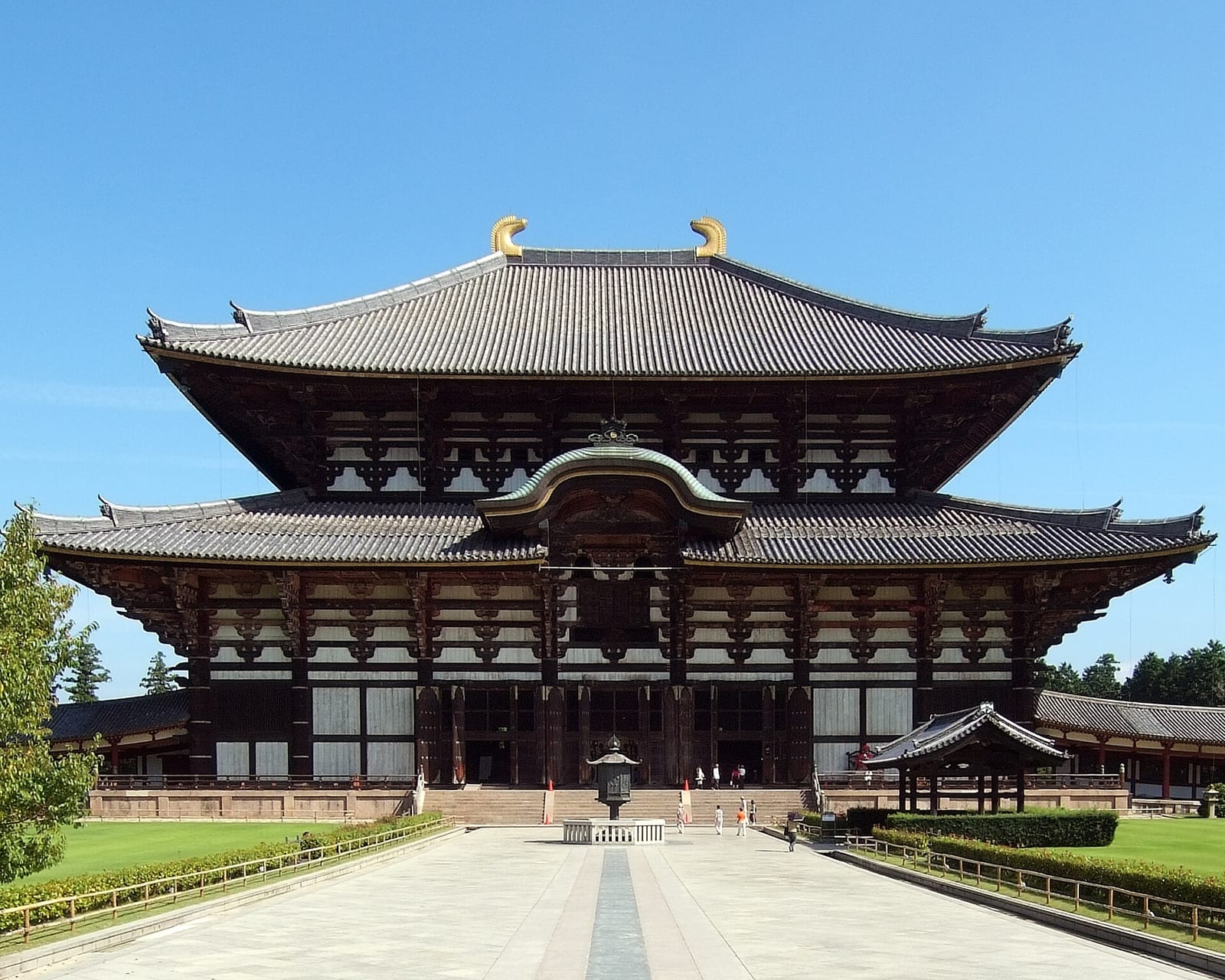
Todai-ji is the reason most people come. The Great Buddha inside stands about fifteen metres tall in bronze, cast in the eighth century, and the hall around it is one of the largest wooden buildings on earth even after being rebuilt smaller than the original. Behind one pillar there is a hole the size of the Buddha's nostril, and children squeeze through it for luck while their parents pretend not to want a turn.
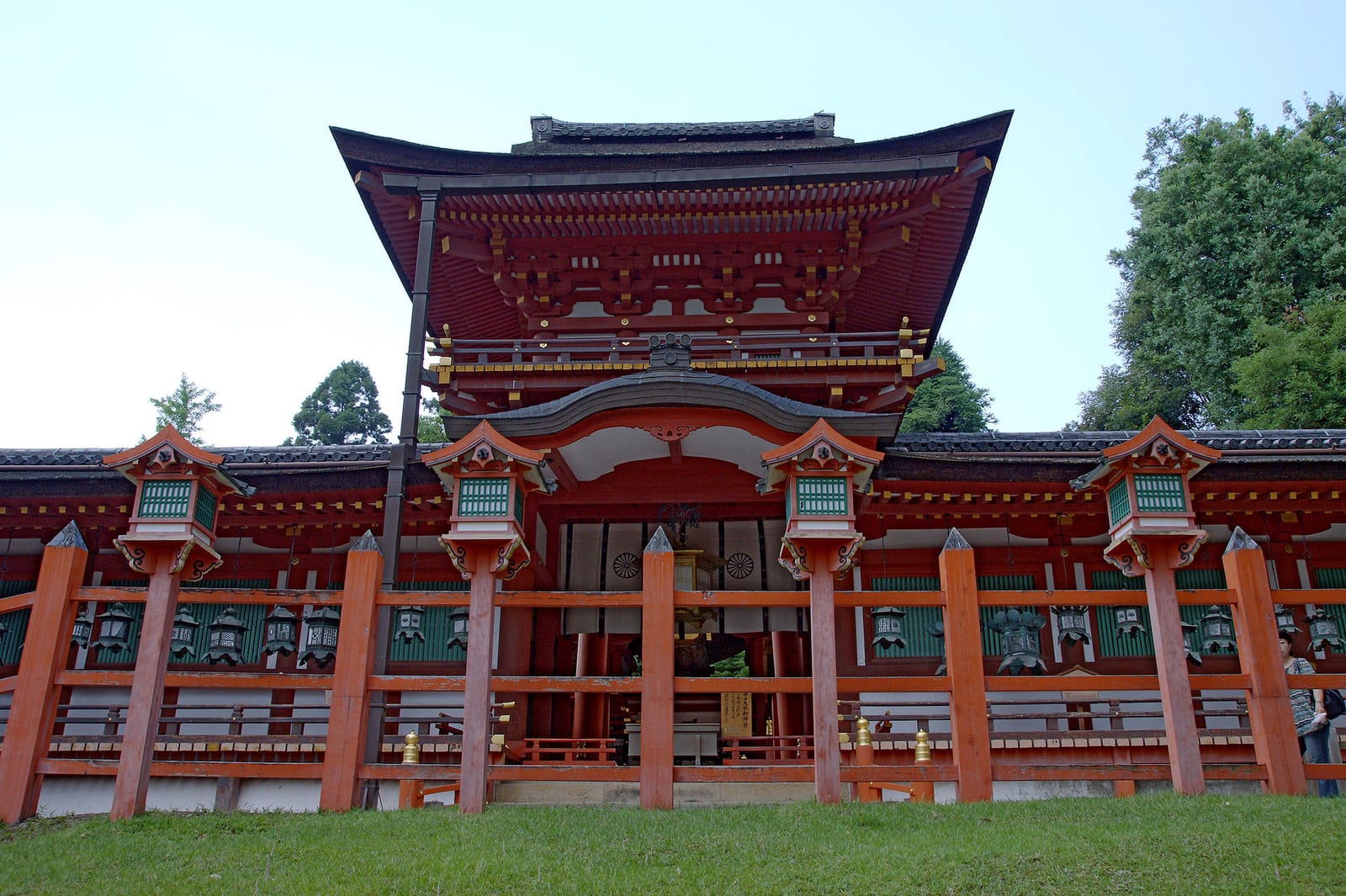
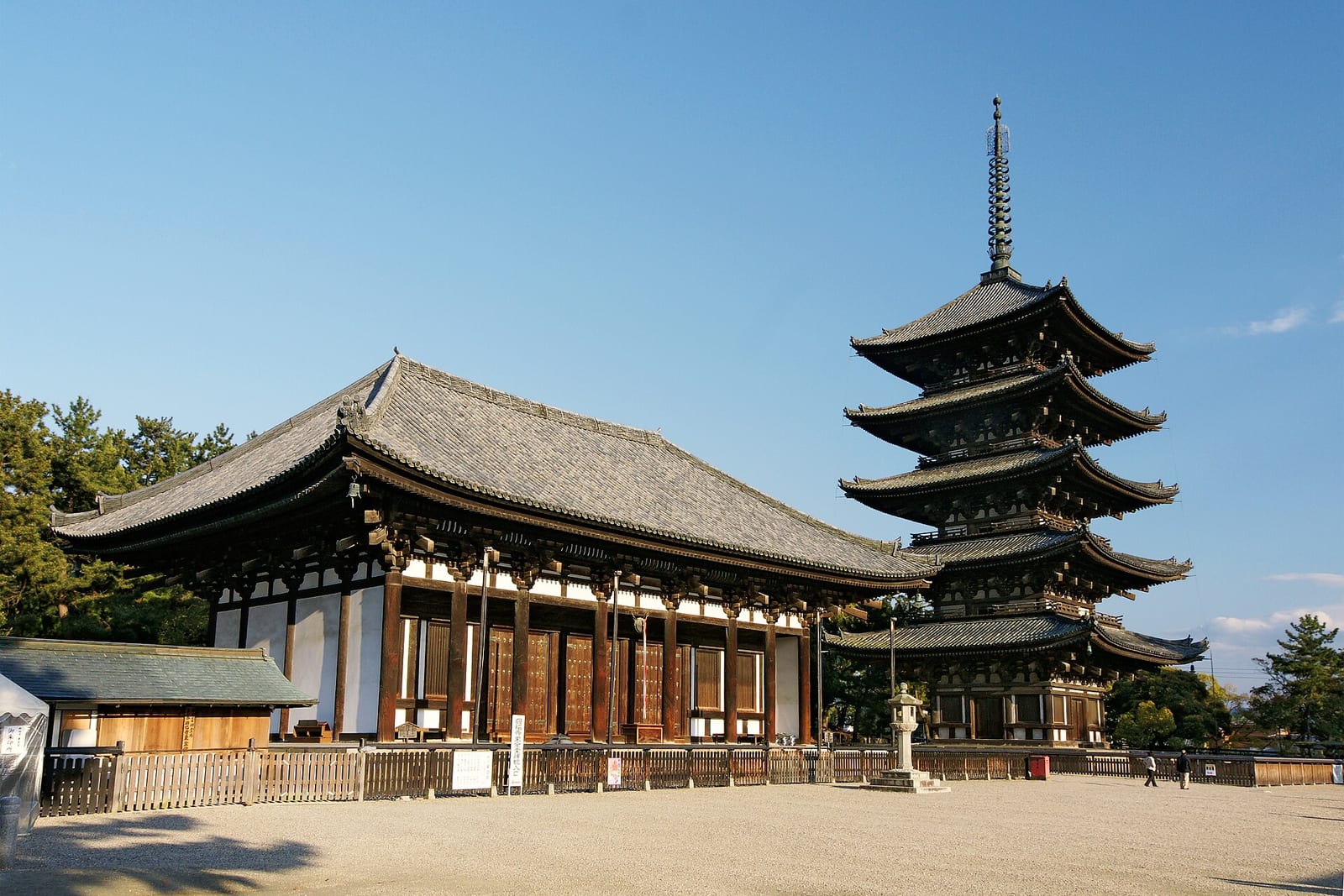
Kasuga Taisha sits at the far end of the park up a forest path lined with stone lanterns. There are roughly three thousand lanterns in total, bronze ones hanging along the vermilion corridors, and they are lit twice a year during the lantern festivals. Kofuku-ji, near the park entrance, has the five storey pagoda that appears on every postcard of the city.
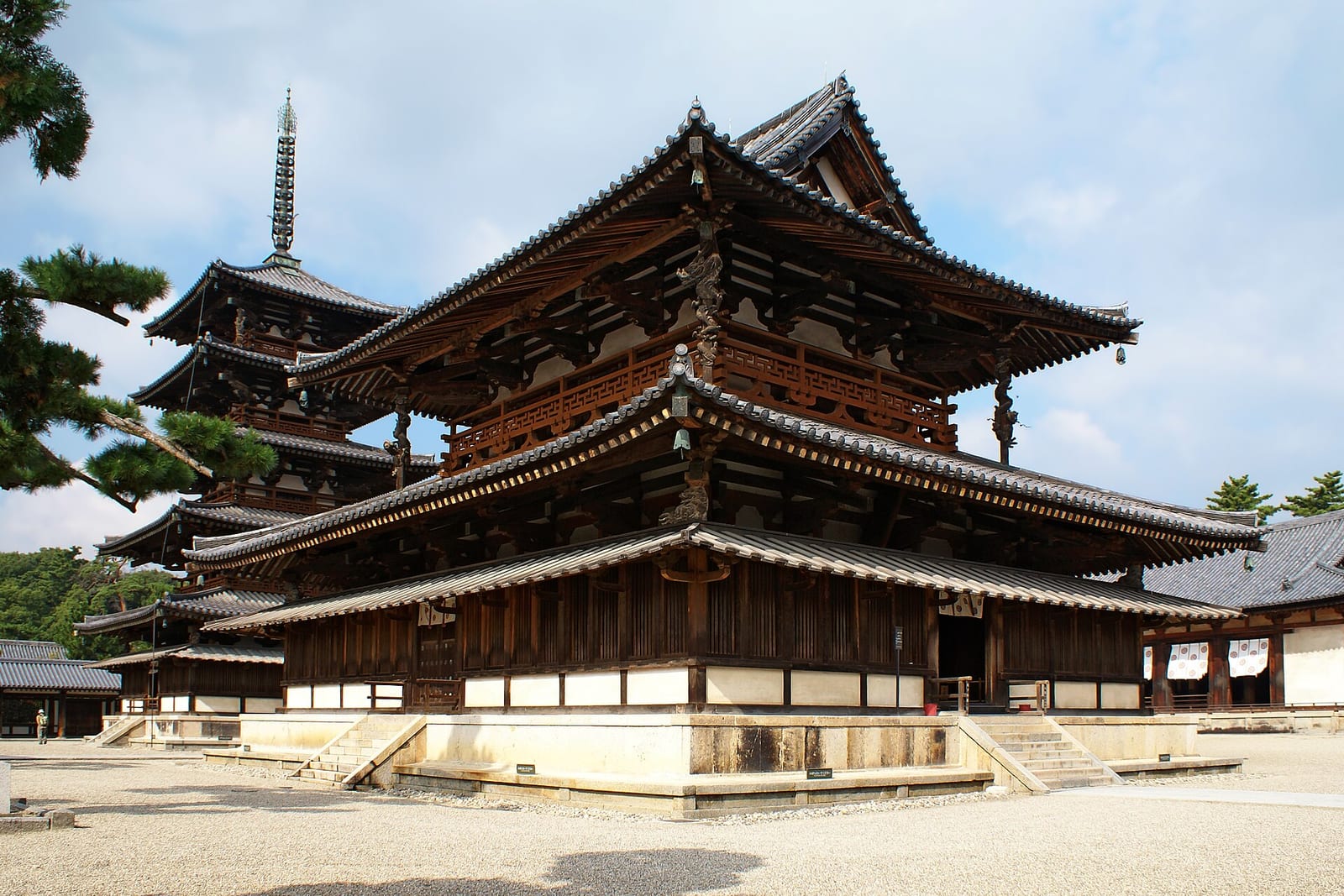
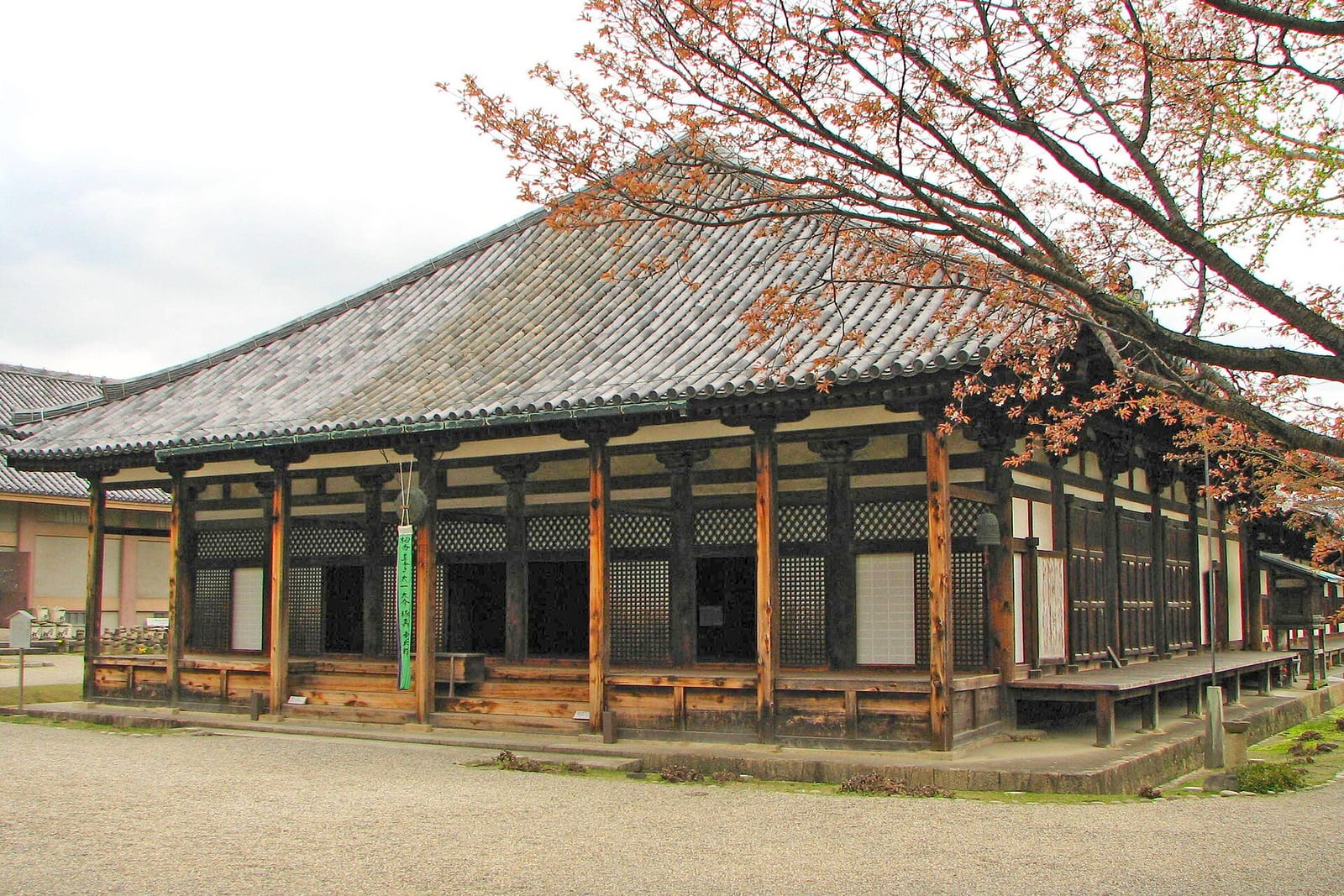
South west of the centre, about forty minutes out, Horyu-ji holds the oldest surviving wooden buildings anywhere in the world, dating to the seventh century. It sees a fraction of the visitors that Todai-ji does. If you have a car and half a day, it is the one that rewards the detour.
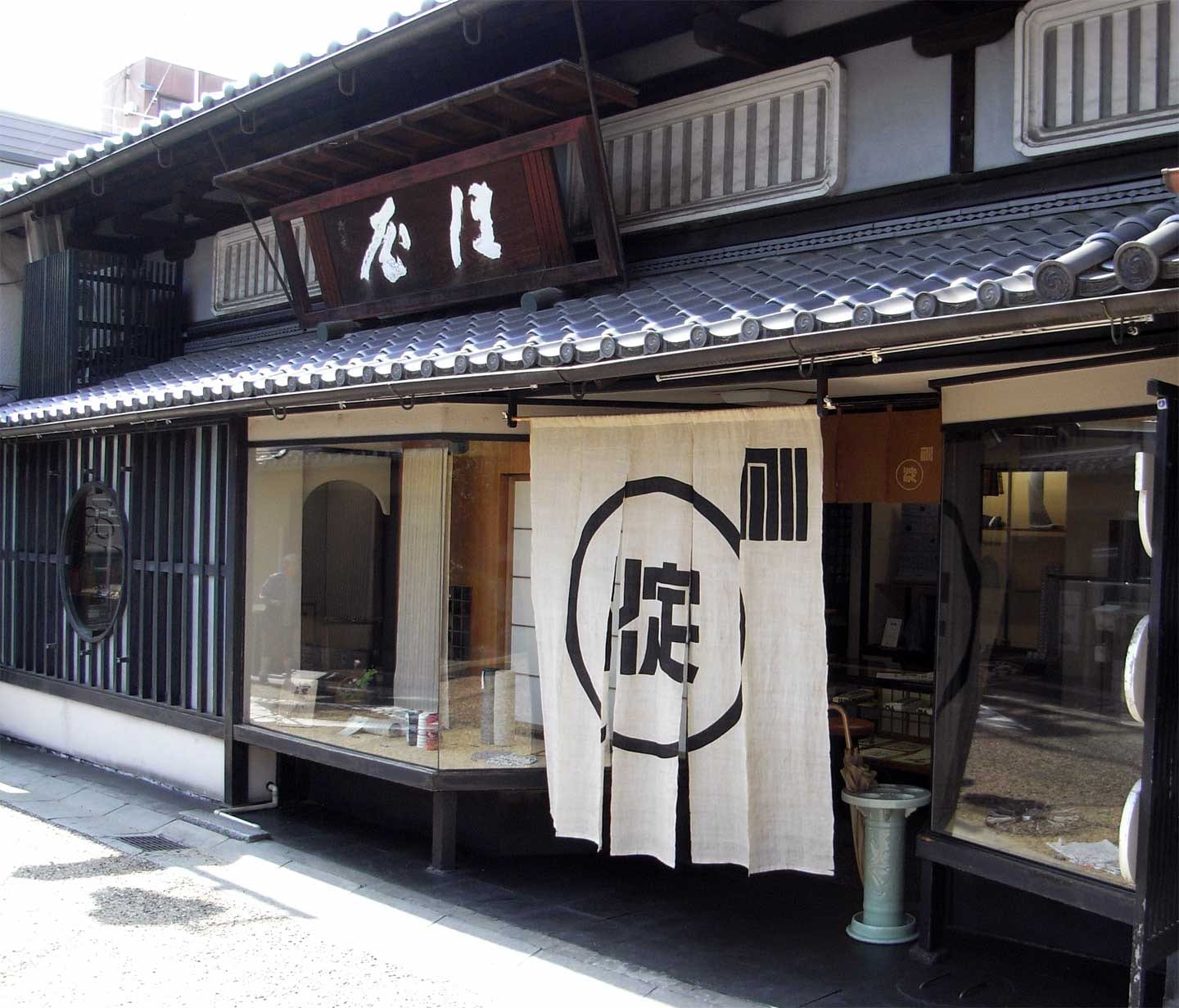
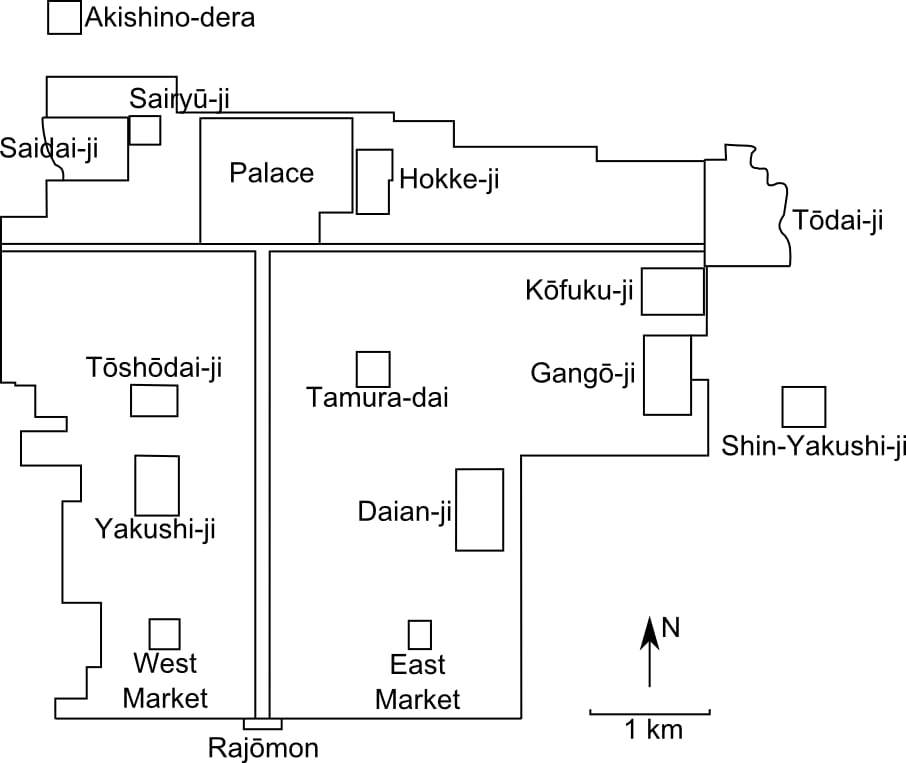
Things to do in Nara cluster inside Nara Park, which makes planning easy. Todai-ji and the Great Buddha sit at the north end, Kasuga Taisha at the east through the lantern path, and Kofuku-ji by the entrance nearest the station. Naramachi, the old merchant quarter, is a short walk south. Half a day covers the main sights, a full day covers them properly.
Most things to do in Nara are inside one park, which is why the city works so well as a day trip. Nara was Japan's first permanent capital, from 710 to 784, and when the court moved on to Kyoto it took the politics with it and left the temples behind. That accident of history is the reason a small provincial city holds eight UNESCO World Heritage sites.
The deer come first, whether you plan it that way or not. Around twelve hundred of them roam Nara Park freely, and they were treated as messengers of the gods for centuries, which is why nobody ever moved them out. Vendors sell shika senbei, flat crackers made for the deer, and many of the animals have learned to bow for one. Some bow politely. Others will follow you down the path and go through your bag.
Todai-ji is the reason most people come. The Great Buddha inside stands about fifteen metres tall in bronze, cast in the eighth century, and the hall around it is one of the largest wooden buildings on earth even after being rebuilt smaller than the original. Behind one pillar there is a hole the size of the Buddha's nostril, and children squeeze through it for luck while their parents pretend not to want a turn.
Kasuga Taisha sits at the far end of the park up a forest path lined with stone lanterns. There are roughly three thousand lanterns in total, bronze ones hanging along the vermilion corridors, and they are lit twice a year during the lantern festivals. Kofuku-ji, near the park entrance, has the five storey pagoda that appears on every postcard of the city.
South west of the centre, about forty minutes out, Horyu-ji holds the oldest surviving wooden buildings anywhere in the world, dating to the seventh century. It sees a fraction of the visitors that Todai-ji does. If you have a car and half a day, it is the one that rewards the detour.
Things to do in Nara cluster inside Nara Park, which makes planning easy. Todai-ji and the Great Buddha sit at the north end, Kasuga Taisha at the east through the lantern path, and Kofuku-ji by the entrance nearest the station. Naramachi, the old merchant quarter, is a short walk south. Half a day covers the main sights, a full day covers them properly.