
Hiroshima Peace Memorial Park stands as a poignant reminder of the past and a beacon of hope for the future. Situated in the heart of Hiroshima, this park is a must-visit for anyone interested in history, offering a profound and educational experience.
Japan Guide8 min read13 views
Explore Hiroshima Peace Memorial Park: A Historical Journey in 2026
Discover the history and significance of Hiroshima Peace Memorial Park, plus practical tips for your visit in 2026.
By MickyEdited by Talha Nabeel
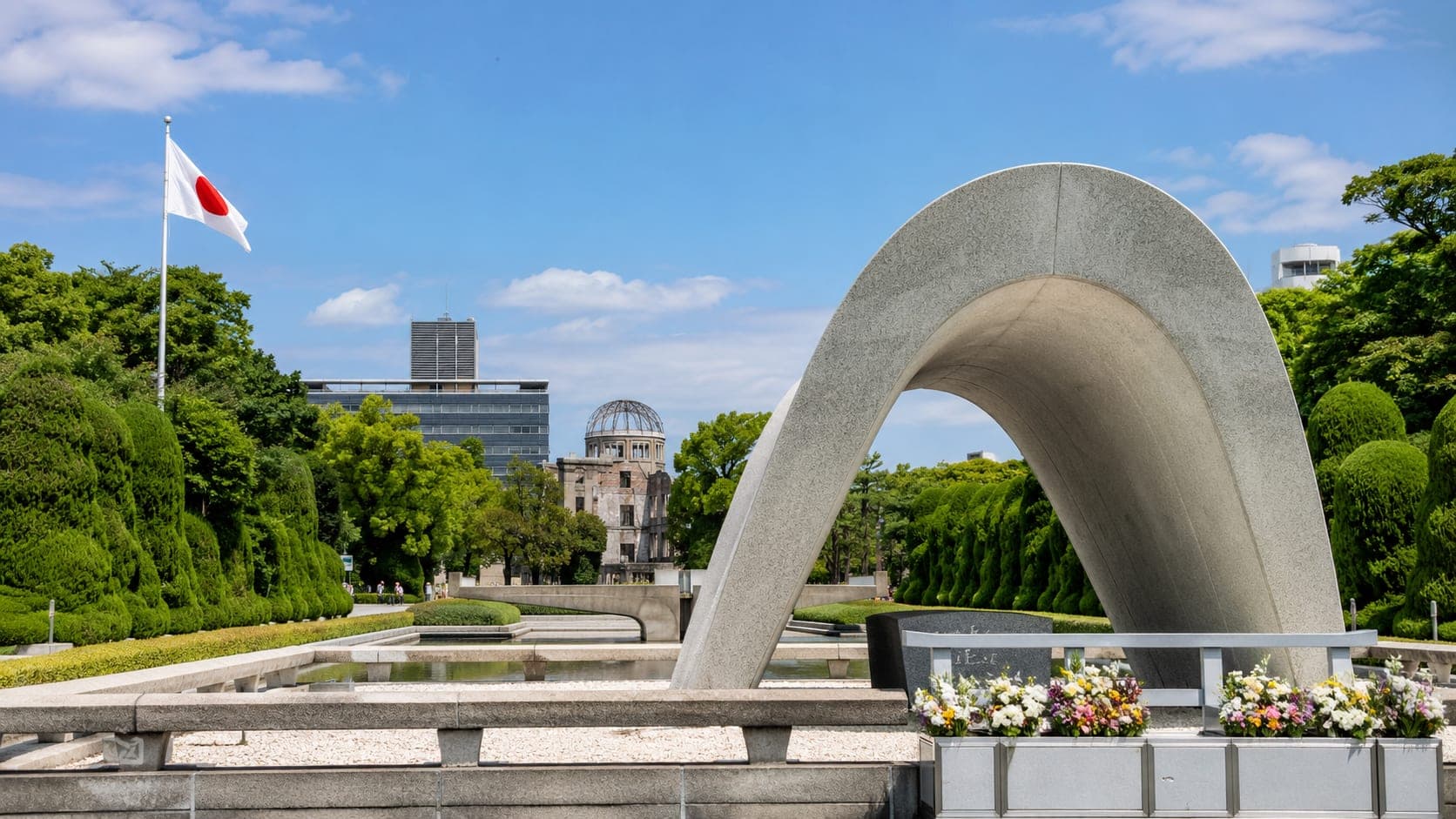
Introduction to Hiroshima Peace Memorial Park
Hiroshima Peace Memorial Park is not just a park; it reflects peace and a reminder of the devastating impact of nuclear warfare. Established on the site of the atomic bomb explosion on August 6, 1945, the park spans over 120,000 square meters and houses numerous memorials, museums, and monuments dedicated to the victims of the bomb. For visitors, it offers a deeply moving experience, reflecting on the past while advocating for a peaceful future. It's a place where history buffs and peace activists alike can gather to pay their respects and learn more about the consequences of war. The park's serene landscape, with its lush greenery and tranquil water features, provides a stark contrast to its somber history, making it a place for contemplation and remembrance.
Historical Background
The decision to establish Hiroshima Peace Memorial Park was born out of a desire to promote peace and remember those who perished in the atomic bombing. After World War II, Hiroshima was a city in ruins, with over 140,000 people killed as a result of the bomb. The site of the explosion was chosen for the park to remind future generations of the horrors of nuclear war. The Hiroshima Peace Memorial, or the Atomic Bomb Dome, is one of the few structures that survived the blast and has since become a symbol of peace and resilience. It was designated a UNESCO World Heritage Site in 1996. The park was completed in 1954, and today, it serves as a place of reflection and education for visitors from around the world. The park's creation was part of a larger effort to rebuild Hiroshima as a city of peace, with the hope that future generations will strive to prevent similar tragedies. The annual Peace Memorial Ceremony held on August 6th draws attendees from around the globe, further cementing Hiroshima's role as a global advocate for nuclear disarmament.
Key Attractions within the Park
Visitors to Hiroshima Peace Memorial Park will find several key attractions that capture the essence of its historical significance. The Atomic Bomb Dome is perhaps the most iconic, serving as a stark reminder of the destruction caused by the bomb. Nearby, the Hiroshima Peace Memorial Museum offers extensive exhibits detailing the events leading up to the bombing, the immediate aftermath, and the city's recovery. The museum's exhibits include personal artifacts, photographs, and survivor testimonies that provide a deeply personal perspective on the tragedy. The Cenotaph for the A-bomb Victims, an arched tomb containing the names of the bomb's victims, is another significant site, where visitors often leave flowers and offerings. The Children's Peace Monument, inspired by the story of Sadako Sasaki, a young girl who died from leukemia caused by radiation exposure, is adorned with thousands of colorful paper cranes, symbolizing peace and hope. Additionally, the Peace Flame, which will remain lit until all nuclear weapons are abolished, stands as a powerful symbol of the ongoing struggle for global peace. As you explore the park, take the time to visit the Memorial Mound, where the ashes of 70,000 unidentified victims are interred, offering a space for silent reflection.
Nearby Museums and Exhibits
In addition to the park's main attractions, there are several nearby museums and exhibits worth visiting. The Hiroshima National Peace Memorial Hall for the Atomic Bomb Victims provides a somber space for reflection, with personal stories and photographs of the victims. Its design, featuring a circular hall with names and photographs of the victims, aims to create a personal connection between visitors and those who suffered. The Hiroshima City Museum of Contemporary Art, located a short walk from the park, offers a different perspective on art and culture in post-war Japan. For those interested in a broader historical context, the Hiroshima Prefectural Art Museum showcases a range of exhibitions from traditional Japanese art to contemporary works. Each museum provides a unique lens through which to view Hiroshima's history and its ongoing commitment to peace. Also, consider visiting the Hiroshima Castle, which has been reconstructed and now houses a museum detailing the city's history before the war.
Is Hiroshima Still Radioactive?
One common concern for visitors is whether Hiroshima is still radioactive. The answer is no; Hiroshima today is completely safe to visit. Radiation levels in Hiroshima returned to normal shortly after the bombing, thanks to the half-life of the materials used. Today, the city is vibrant and thriving, with no health risks associated with radiation. It's important to note that Hiroshima has been rebuilt and transformed into a symbol of peace, attracting millions of visitors each year who come to learn from its past and celebrate its present. The city's recovery reflects the resilience and determination of its people, who have worked tirelessly to ensure that Hiroshima is a safe and welcoming place for all.
Visitor Information
If you're planning to visit Hiroshima Peace Memorial Park, there are a few practical tips to keep in mind. The park is open year-round, and admission to the park itself is free. However, there is a small fee for entry to the Hiroshima Peace Memorial Museum, typically around 200 JPY (about 1.50 USD) for adults. For the best experience, consider visiting in the morning or late afternoon to avoid crowds. Getting there is convenient, with the park located about a 10-minute walk from the nearest tram stop, Genbaku Dome-mae. Local tip: Wear comfortable shoes as you'll be doing a fair amount of walking. If you're traveling from other parts of Japan, Hiroshima is accessible via the Shinkansen, with the journey from Tokyo taking approximately four hours. Consider checking out Flying to Japan in 2026: Essential Tips for a Smooth Journey for more travel advice.
Suggested Itinerary for a Day at the Park
To make the most of your visit to Hiroshima Peace Memorial Park, consider this suggested itinerary. Start your day early at the Atomic Bomb Dome, taking time to reflect on its historical significance. Then, proceed to the Hiroshima Peace Memorial Museum, where you can spend a couple of hours immersing yourself in the exhibits. Afterward, take a leisurely walk to the Cenotaph for the A-bomb Victims and pay your respects. Around midday, visit the Children's Peace Monument and contribute a paper crane if you wish. Enjoy a picnic lunch in the park's serene surroundings or head to a nearby café for a quick bite. In the afternoon, explore the Hiroshima National Peace Memorial Hall for the Atomic Bomb Victims, followed by a visit to the Peace Flame. Finish your day with a stroll to the Memorial Mound, providing a moment for quiet reflection before you leave.
Exploring the Park: Guided Tours vs. Self-Guided
When it comes to exploring Hiroshima Peace Memorial Park, you have the option of guided tours or self-guided exploration. Guided tours are available in multiple languages and offer in-depth insights into the park's history, often led by knowledgeable locals or survivors' descendants. These tours can enrich your understanding with personal stories and historical context you might miss on your own. Expect to pay around 3,000 JPY (roughly 20 USD) for a guided tour, which typically lasts about two hours. On the other hand, a self-guided tour allows you to explore at your own pace, which can be ideal if you prefer to spend more time at certain exhibits. Quick tip: If you're short on time, a guided tour might be the better option to ensure you don't miss any key sites. For more tips on planning your visit, check out Plan the Ultimate Hiroshima Private Tour: Costs & Tips for 2026.
Conclusion
Visiting Hiroshima Peace Memorial Park is more than just a trip to a tourist site; it's an opportunity to reflect on the past and appreciate the resilience of Hiroshima today. The park serves as a powerful reminder of the impact of war and the importance of peace. Whether you're a history enthusiast or a peace advocate, this park offers invaluable insights and experiences that will stay with you long after your visit. It's a place where you can engage with history, honor the memory of those who suffered, and be inspired to contribute to a more peaceful world. As you leave the park, take a moment to consider the lessons learned and how they can be applied to create a future free from the shadows of war.
TopicsHiroshima Peace Memorial ParkHiroshima todayHiroshima museum exhibitsJapanese historyPeace tourism
Frequently Asked Questions
Related posts
Ready to explore Japan?
Book a private tour with OHAYO TRAVEL JAPAN.
View all private tours · Browse by category · Destinations · Contact us