The Historic Monuments of Ancient Nara are the eight places UNESCO inscribed in 1998, not a loose list of every temple in the city. They mark the years when Nara, then Heijo-kyo, was Japan's capital, from 710 to 784. The official set is five Buddhist temples, one Shinto shrine, the Kasugayama Primeval Forest, and the Nara Palace Site.
I checked official pages from UNESCO, Todai-ji, Kofuku-ji, Kasuga-taisha, Gango-ji, Yakushi-ji, Toshodai-ji, the Heijo Palace Site park, Nara Prefecture, and the Nara City Tourism Association on November 24, 2026. Hours and fees can change, so confirm the day's figures on those sites before you go.
UNESCO and Nara Prefecture list the same eight parts:
Todai-ji
Kofuku-ji
Kasuga-taisha
Kasugayama Primeval Forest
Gango-ji
Yakushi-ji
Toshodai-ji
The Nara Palace Site, also called Heijo Palace
They sit in two clusters. Todai-ji, Kofuku-ji, Kasuga-taisha, and the primeval forest are around Nara Park. Gango-ji is a short walk south in Naramachi. Yakushi-ji, Toshodai-ji, and the palace site are farther west, near Kintetsu Nishinokyo and Yamato-Saidaiji. You can do the park cluster well in one day. Adding the western sites on the same day is a stretch unless you have a car or a tour. It is better to treat the west as a second outing than to rush all eight.
The official inscription is a serial property. That is why a visit feels uneven if you only see the Great Buddha and skip the palace site or the two temples in Nishinokyo. Those western stops are part of the same 1998 listing, even if they sit outside the usual park circuit. Nara Prefecture's World Heritage page makes that eight-part list explicit, and it is the list this article follows.
Todai-ji, Kofuku-ji, and the park cluster
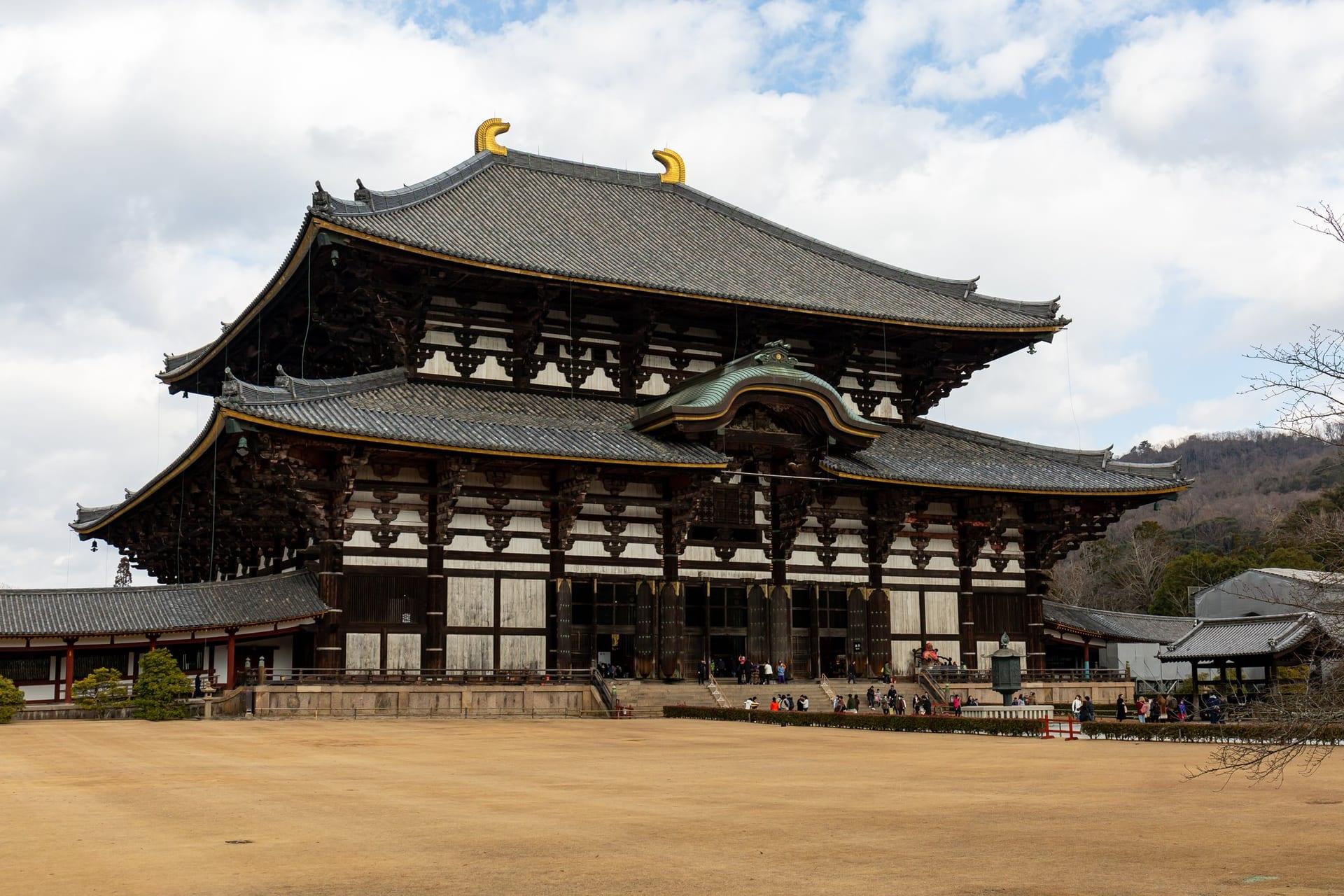
Todai-ji is the usual first stop. The official temple page lists the seated Great Buddha (Rushana-butsu, also called Vairocana) at 14.98 meters tall. Admission is charged at the Great Buddha Hall, Hokke-do, Kaidan-do, and the Todai-ji Museum, each separately. For the Great Buddha Hall, the official individual fee is ¥800 for adults and for visitors ages 13 to 18, and ¥400 for children ages 6 to 12. A Great Buddha Hall and museum joint pass is ¥1,200 for adults and ¥600 for children ages 6 to 12. Hours for the Great Buddha Hall are 7:30 a.m. to 5:30 p.m. from April through October, and 8:00 a.m. to 5:00 p.m. from November through March. Hokke-do and the Kaidan-in hall are listed from 8:30 a.m. to 4:00 p.m. The grounds around the hall do not replace those indoor tickets. The Japanese official page notes that admission is cash only. Confirm current figures at todaiji.or.jp.
Kofuku-ji stands close to Kintetsu Nara Station and the edge of the park. The official temple site lists visiting hours as 9:00 a.m. to 5:00 p.m., with last entry at 4:45 p.m. The Nara City Tourism Association, citing the temple, lists individual adult fees of ¥500 for the Central Golden Hall, ¥500 for the Eastern Golden Hall, and ¥900 for the National Treasure Hall, with a three-site pass at ¥1,600. The five-story pagoda is in a long conservation project, with work expected to finish in fiscal 2034. During the work, the association says the pagoda is covered and the usual exterior view is not available. Confirm the day's access on the official Kofuku-ji site.
Kasuga-taisha is on the east side of the park, with the Kasugayama Primeval Forest behind it. Both are part of the inscription. Official general worship at the main sanctuary is free. The shrine gates are open from 6:30 a.m. to 5:30 p.m. from March through October, and from 7:00 a.m. to 5:00 p.m. from November through February. Special Worship of the main sanctuary, which lets you walk the lantern-lined cloister as far as the Chumon, is ¥700 and is listed from 9:00 a.m. to 4:00 p.m. That inner visit closes on set ritual dates, including all day from December 20 to January 7 and on Coming of Age Day, and on some mornings each month. Confirm closures on kasugataisha.or.jp. Stay on allowed paths in the forest. I am not listing a forest admission fee, because ordinary access is not sold as a ticket on the official shrine pages I checked.
Gango-ji is the fifth site in this eastern group, in Naramachi rather than inside the park. The official temple page traces it to the transfer of Asuka-dera (Hoko-ji) when the capital moved to Heijo-kyo. Visiting hours are 9:00 a.m. to 5:00 p.m., with last entry at 4:30 p.m. The ordinary adult fee is ¥700, or ¥800 during the autumn special exhibition. Junior and senior high school students are ¥500, and elementary students are ¥300. Confirm at gangoji-tera.or.jp.
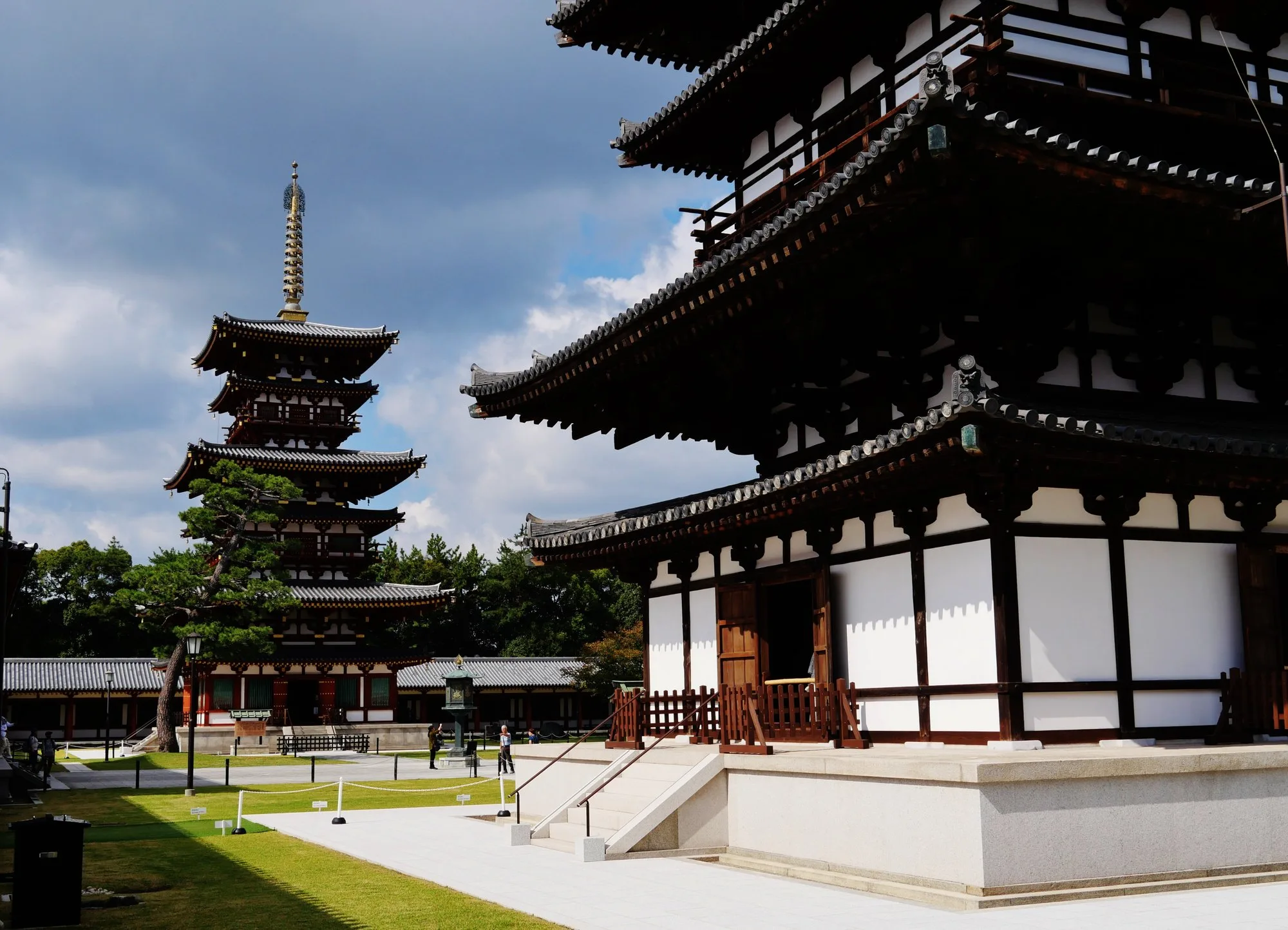
The east and west pagodas at Yakushi-ji Temple in Nara
The western cluster is easy to underestimate on a map. Yakushi-ji and Toshodai-ji sit near Kintetsu Nishinokyo Station. The Nara Palace Site is a wide park of its own, closer to Kintetsu Yamato-Saidaiji. Official park guidance puts Suzakumon Plaza at about a 20-minute walk from the south exit of Yamato-Saidaiji, or a short Nara Kotsu bus ride.
Yakushi-ji's official visitor page, after a revision that took effect on March 1, 2024, lists hours as 9:00 a.m. to 5:00 p.m., with last entry at 4:30 p.m. The individual adult fee is ¥1,000. Junior and senior high school students are ¥600, and elementary students are ¥200. That ticket covers the Kondo, the Great Lecture Hall, and Toin-do. Older "about ¥800" figures are out of date. Confirm at yakushiji.or.jp.
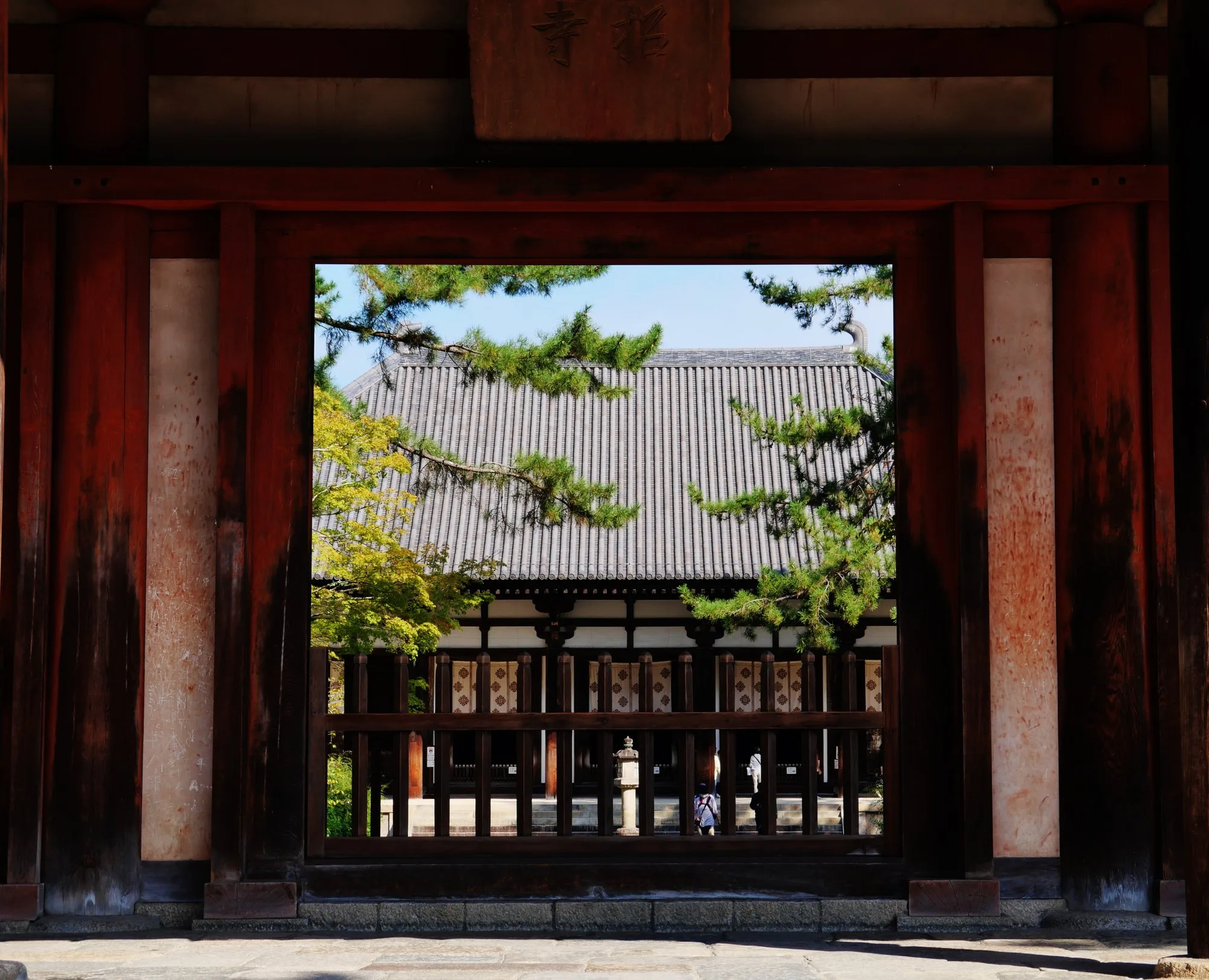
Toshodai-ji is a short walk from Yakushi-ji and was missing from many quick lists of Nara's UNESCO sites, including the first draft of this article. The official visitor page lists hours as 8:30 a.m. to 5:00 p.m., with last entry at 4:30 p.m. The individual fee is ¥1,000 for adults and university students, ¥400 for junior and senior high school students, and ¥200 for elementary students, as revised on April 1, 2020. Special openings, including the statue of Ganjin, have their own fees. The nearest station listed by the temple is Kintetsu Nishinokyo. Confirm at toshodaiji.jp.
A hall at Toshodai-ji Temple in Nara, viewed through a wooden gate
The Nara Palace Site, run as Heijo-kyo Historical Park, is the archaeological heart of the old capital. The official park FAQ states that admission to facilities inside the site is free. That is a useful contrast with the temples, where indoor halls have published ticket prices. Hours differ by building. Several halls, including the Izanaikan and the restored Daigokumon area, are listed from 9:00 a.m. to 5:00 p.m., with last entry at 4:30 p.m., and they close on the second Monday of February, April, July, and November, and from December 29 to January 1. The First Daigokuden, Suzakumon, the East Palace Garden, and the site museum are listed from 9:00 a.m. to 4:30 p.m., with last entry at 4:00 p.m., and they close on Mondays (or the next weekday if Monday is a holiday) and around New Year. Confirm the building you want on heijo-park.jp.
If you would rather cover both clusters without changing trains, our Nara Private Day Tour: Temples with Cultural Insights is a 10-hour day with an English-speaking driver guide. It starts at $500 for two people in a sedan, with hotel pickup and drop-off in Nara, Osaka, or Kyoto. Fuel, tolls, and parking are included. Lunch, drinks, entrance tickets, and deer crackers sold in the park are not. Time is counted from pickup. If you want the route built around the eight official sites, get in touch or browse our custom tours.
A simple way to plan the day
Walk the park cluster first if you have only one day: Kofuku-ji near the station, Todai-ji, then Kasuga-taisha and the forest edge, with Gango-ji if you still have energy on the way back through Naramachi. Save Yakushi-ji, Toshodai-ji, and the palace site for a second day, or for a private car that can move between the west and the park without a long transfer.
You do not need a minute-by-minute timetable. Official last-entry times matter more than a packed schedule, especially at Yakushi-ji, Toshodai-ji, and Gango-ji, where ticket desks close before the grounds do. I am not quoting train, bus, or bicycle rental prices here, because those figures change and should be confirmed on official JR West, Kintetsu, or Nara Kotsu pages, or at a ticket machine.
From the park, the west side is a Kintetsu ride toward Nishinokyo or Yamato-Saidaiji, or a bus across the palace site. Walking the whole distance is possible only if you have a very long day and are happy to give up time inside the halls. If you come from Osaka or Kyoto, Kintetsu Nara Station puts you closest to Kofuku-ji, while JR Nara Station is a longer walk or a local bus from the park cluster. I am not picking one rail company as the only right answer, because the better station depends on where you start.
Deer wander the park around Todai-ji, Kofuku-ji, and Kasuga-taisha. They are part of the visit, not one of the eight inscribed monuments. Crackers are sold at stalls. Follow posted feeding rules, and do not assume the animals will wait politely. For a family-focused park walk, see Nara with Kids. For spring timing, see Nara cherry blossoms.
Shrine and temple manners are covered in more detail in our Japanese etiquette guide and the temple dress code guide. In short, speak quietly, take shoes off only when a building asks you to, and look for photography signs inside halls.
Keep the eight official places in view, and the Historic Monuments of Ancient Nara are easier to visit than a vague "see everything in Nara" plan. If you want help with the western cluster or a full private-car day, get in touch, look at the Nara private day tour, or browse our custom tours.
TopicsHistoric Monuments of Ancient NaraNara UNESCOTodai-jiYakushi-jiToshodai-ji
Frequently Asked Questions
They are the eight places UNESCO inscribed in 1998: Todai-ji, Kofuku-ji, Kasuga-taisha, Kasugayama Primeval Forest, Gango-ji, Yakushi-ji, Toshodai-ji, and the Nara Palace Site (Heijo Palace). The list marks the years when Nara, then Heijo-kyo, was Japan's capital, from 710 to 784. It is not a complete list of every temple in the city.
The official individual fee is ¥800 for adults and for visitors ages 13 to 18, and ¥400 for children ages 6 to 12. A joint pass for the Great Buddha Hall and the Todai-ji Museum is ¥1,200 for adults and ¥600 for children ages 6 to 12. Hours are 7:30 a.m. to 5:30 p.m. from April through October, and 8:00 a.m. to 5:00 p.m. from November through March. Older figures of about ¥600, or the ¥900 still listed on some tour pages, do not match the current official tariff.
Ordinary worship at the main sanctuary is free, according to the official shrine pages. Special Worship, which takes you along the lantern cloister as far as the Chumon, is ¥700 and runs from 9:00 a.m. to 4:00 p.m., with ritual closures on set dates. Older figures of about ¥500, or ¥800 on some tour pages, are out of date. Confirm closures on the official site.
The park cluster, Todai-ji, Kofuku-ji, Kasuga-taisha, the forest edge, and optionally Gango-ji, fits a full day. Yakushi-ji, Toshodai-ji, and the Nara Palace Site sit farther west, near Nishinokyo and Yamato-Saidaiji. You can add them the same day with a private car, but on public transit they are usually a second outing.
Yakushi-ji's official adult fee is ¥1,000, with hours from 9:00 a.m. to 5:00 p.m. and last entry at 4:30 p.m., after a revision that took effect on March 1, 2024. Toshodai-ji's official adult and university fee is also ¥1,000, with hours from 8:30 a.m. to 5:00 p.m. and last entry at 4:30 p.m. Both temples are near Kintetsu Nishinokyo Station.
Yes. Ohayo Travels runs a Nara Private Day Tour: Temples with Cultural Insights. It is a 10-hour day with an English-speaking driver guide, starting at $500 for two people in a sedan, with hotel pickup and drop-off in Nara, Osaka, or Kyoto. Fuel, tolls, and parking are included. Lunch, drinks, entrance tickets, and deer crackers are not.