Japan's education system is renowned for its rigor and effectiveness, shaping the minds of future generations with a structured and disciplined approach. In 2026, understanding this system is key for anyone interested in Japan's societal framework or considering educational opportunities here.
Cultural Insights9 min read40 views
Understanding Japan's Education System in 2026: A Comprehensive Guide
Explore Japan's education system in 2026 and discover how it shapes future generations. Learn its structure, benefits, and unique features.
By MickyEdited by Talha Nabeel
How is Japan's Education System Structured?
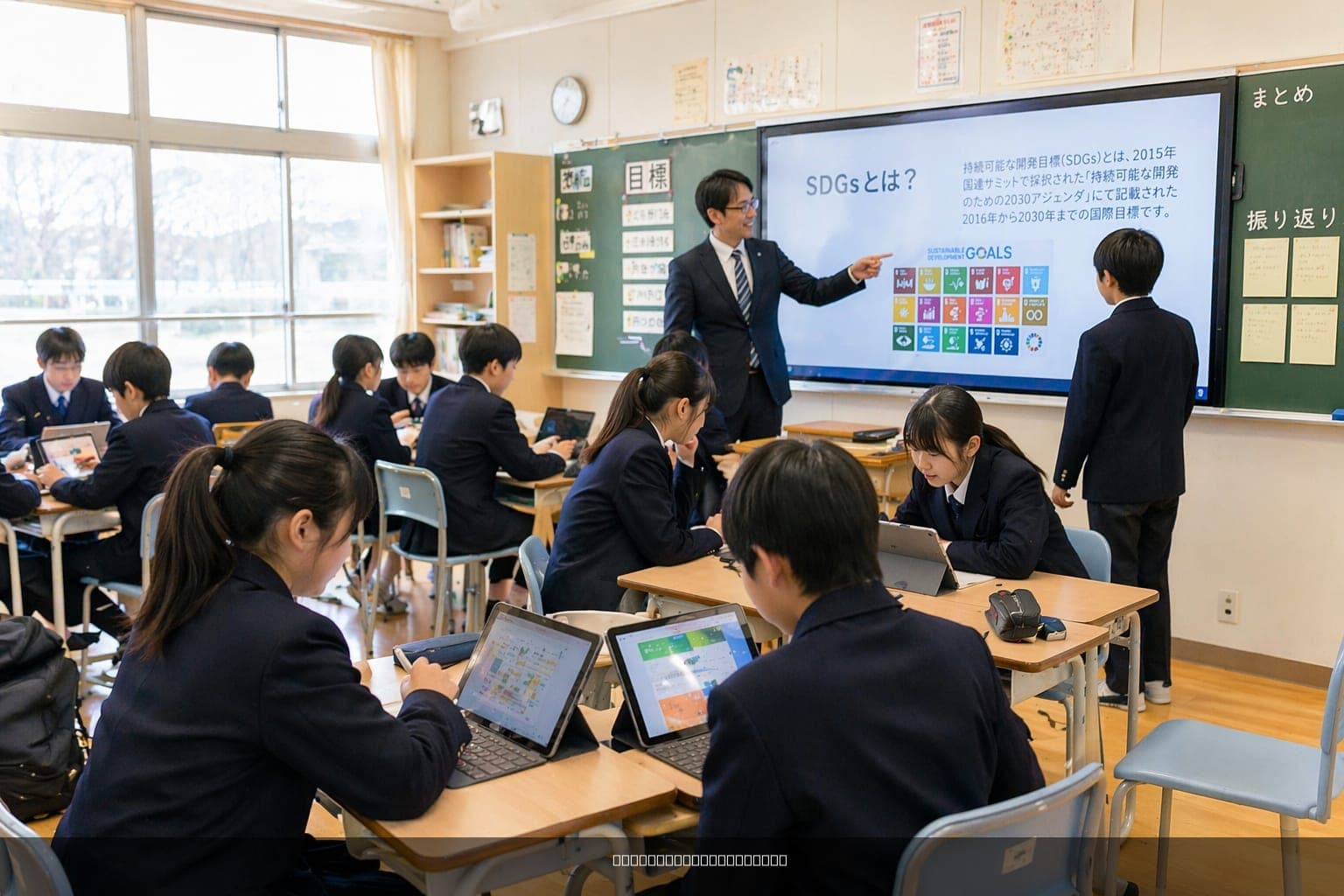
Japan's education system consists of six years of elementary school, three years of junior high school, three years of high school, and two to four years of university. Attendance is compulsory until the end of junior high school. This system emphasizes foundational academics and moral education.
Elementary and Junior High School
Elementary education in Japan focuses on core subjects such as Japanese, mathematics, science, and social studies, along with moral education and physical activities. Junior high school continues this curriculum while introducing English language studies.
Quick tip: Schools in Japan often have a strong sense of community, with students participating in cleaning and maintenance activities as part of their daily routine.
High School and Beyond
High schools in Japan offer both academic and vocational tracks, preparing students for university or the workforce. Entrance examinations play a crucial role in determining a student's educational path.
University education in Japan is diverse, with public and private institutions offering a wide range of programs. The competition to enter prestigious universities is intense, making 'exam season' a significant period for students.
Unique Features of Japan's Education System
One standout feature is the emphasis on group harmony and cooperation, instilled through various classroom and extracurricular activities. Students learn not only academic subjects but also the importance of teamwork and community spirit.
Another notable aspect is the school lunch program, which is integral to student life. School-provided lunches emphasize balanced nutrition and communal dining.
Local tip: Visiting a Japanese school during lunchtime can provide insight into the cultural importance of meal-sharing in education.
Pros and Cons of Japan's Rigorous Education Approach
Japan's education system is praised for producing disciplined and knowledgeable students. However, it is also criticized for high-pressure environments and a strong focus on rote learning.
Benefits
-
Strong Academic Foundation: Students excel in mathematics and sciences internationally.
-
Moral Education: Focuses on character building and ethical behavior.
-
Discipline and Order: Students adopt a disciplined lifestyle early on.
Challenges
-
Pressure and Stress: High stakes of entrance exams can be overwhelming.
-
Limited Creativity: Emphasis on conformity may stifle creative thinking.
Common Misconceptions About Japanese Education
A common misconception is that Japanese students are always studying. While academics are rigorous, students also participate in various clubs and activities that provide a balanced lifestyle.
Pro tip: Understanding the balance between academics and extracurricular activities is crucial for appreciating the holistic approach of Japan's education system.
How Does Japan's Education Influence Its Society?
The Japanese education system significantly impacts societal values, promoting respect, discipline, and community involvement. This system produces graduates who are not only academically proficient but also socially responsible.
Japan's focus on education has contributed to its rapid post-war recovery and economic success, showcasing the long-term benefits of a well-structured educational framework.
For more on cultural influences, consider exploring a Tokyo Private Day Tour by Car to see educational sites and cultural landmarks firsthand.
Kamakura Private Day Tour from Tokyo
TopicsJapan educationschool systemstudy in JapanJapanese culture
Frequently Asked Questions
Related posts
Ready to explore Japan?
Book a private tour with OHAYO TRAVEL JAPAN.
View all private tours · Browse by category · Destinations · Contact us