Kobe shrines sit close enough together in the city center that you can visit more than one in a single day, then add a nearby temple if you still have time. The most practical pairing is Ikuta Shrine in Sannomiya and Minatogawa Shrine beside JR Kobe Station. Nofukuji Temple, west of Kobe Station, is a realistic third stop for the Hyogo Daibutsu.
I checked official pages from Ikuta Shrine, Minatogawa Shrine, Nofukuji Temple, Kobe Gokoku Shrine, Feel KOBE, and Visit Hyogo on November 23, 2026. Hours and fees can change, so confirm the day's figures on those sites before you go.
Start at Ikuta Shrine, then ride one stop west on the JR Kobe Line from Sannomiya to Kobe Station for Minatogawa Shrine. If you want a temple in the same western direction, continue to JR Hyogo Station for Nofukuji. That order keeps you on one rail corridor and avoids a long backtrack.
You do not need a clock-by-clock plan. Give Ikuta enough time to walk the grounds and the grove. Give Minatogawa enough time for the approach and the main precinct. Nofukuji is worth a slower look at the Great Buddha, but it should not force you to rush the two shrines. Taisanji, in Nishi-ku, and Kobe Gokoku Shrine, in Nada-ku, are better as separate trips. They sit in different parts of the city, and packing all five into one day turns the visit into a commute.
Comfortable shoes help. The central stops are mostly urban walking, but Taisanji is a hillside temple if you go there later. Carry a little cash for offerings or a viewing fee where one is posted. Shrine grounds in this guide do not require a ticket for ordinary worship, according to the official pages I checked, but Taisanji does list a paid viewing fee.
From Osaka, the JR Kobe Line is the straightforward way into this route. Sannomiya, Kobe, and Hyogo stations sit on the same corridor, so you can walk Ikuta from Sannomiya, ride west to Kobe Station for Minatogawa, and continue to Hyogo Station for Nofukuji without changing trains. I am not quoting a specific JR fare here, because those figures change and should be confirmed on the official JR West fare search or at a ticket machine on the day. I am also not listing restaurant names or meal prices, because I could not verify them on official shrine or city pages.
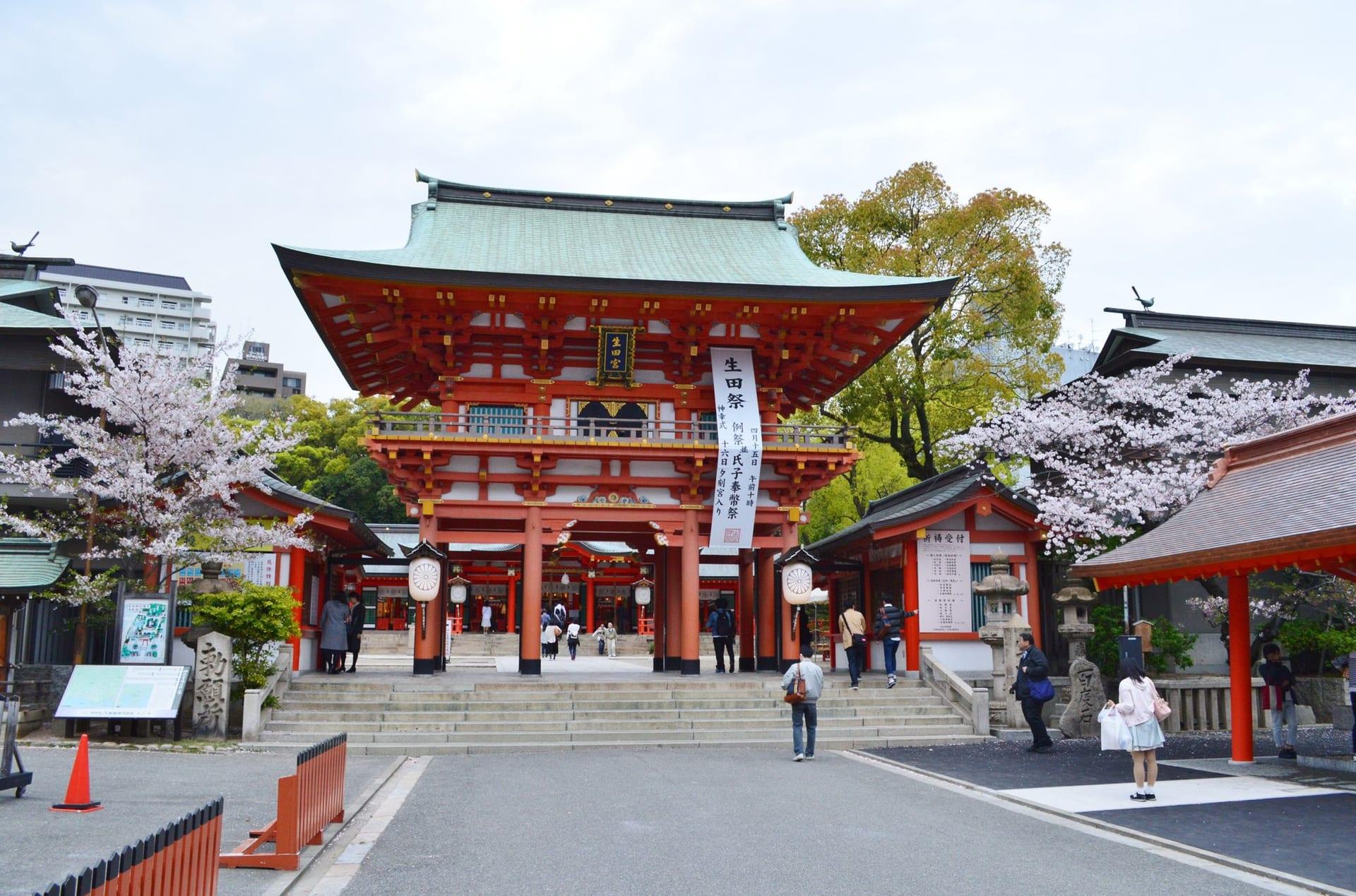
Ikuta Shrine is the easiest of the central Kobe shrines to reach on foot. The official shrine site says it is a 10-minute walk north from JR Sannomiya Station and the private-railway Sannomiya stations, and about a 20-minute walk south from JR Shin-Kobe Station. Visit Hyogo, the official prefectural tourism site, gives the same walking times.
Visit Hyogo describes the shrine as having a history of around 1,800 years and names Wakahirume-no-Mikoto as the main deity. The official Kansai tourism guide lists ordinary access to the grounds as free, with no reservation required. Visit Hyogo lists the shrine gates as open from 7:00 a.m. to about 5:00 p.m., and until about 6:00 p.m. in summer. Festival days can change those times, so confirm on the official Ikuta Shrine site before you go.
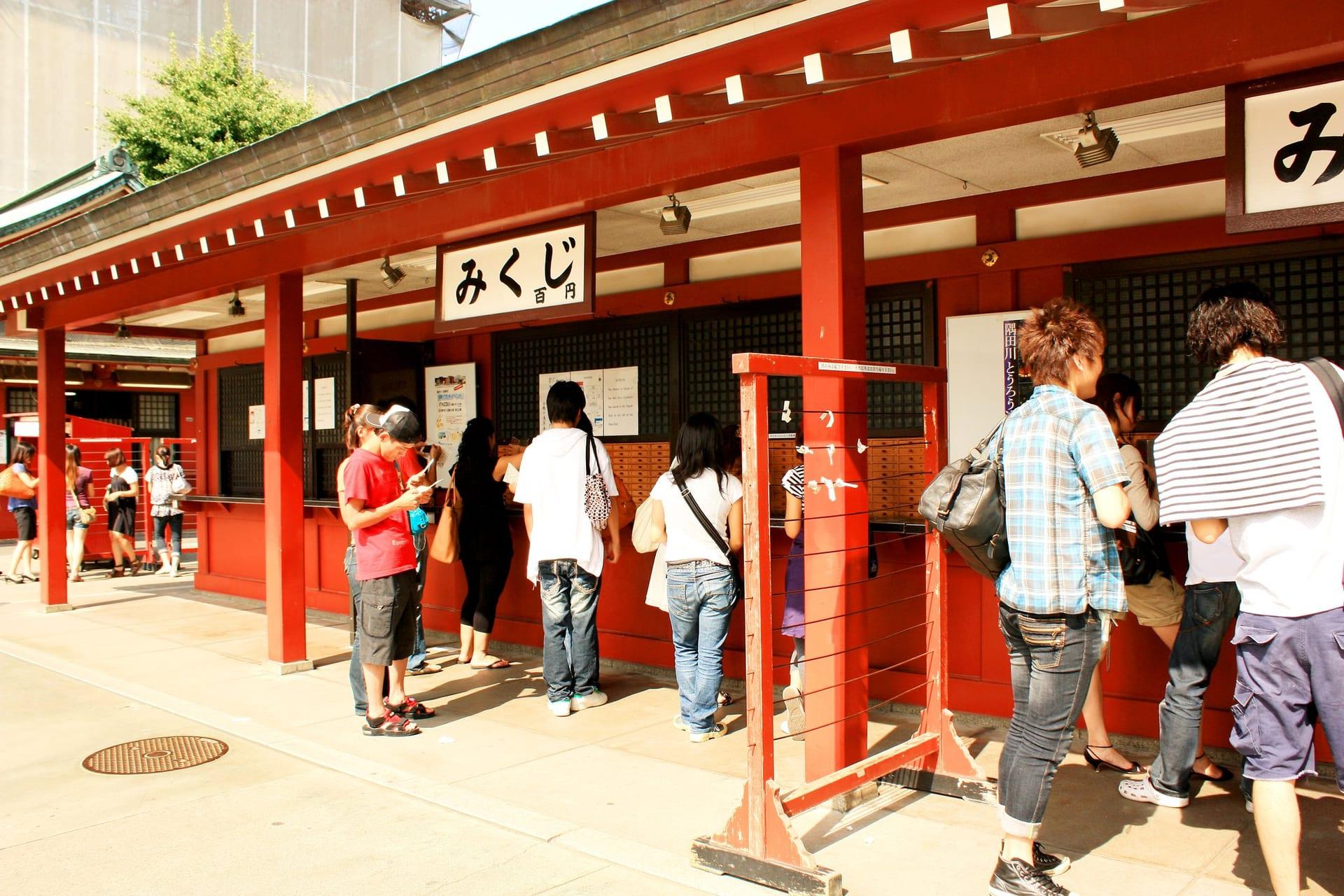
The grounds include a wooded grove, Ikuta no Mori, in the middle of the city. That is why this stop takes longer than a quick photo at the gate. If you want more detail on fees, prayers, and how a visit works, use our Ikuta Shrine guide. For fortune slips in general, see our omikuji guide. I am not quoting charm or prayer prices here, because those lists change and should be confirmed at the shrine office.
Minatogawa Shrine, beside Kobe Station
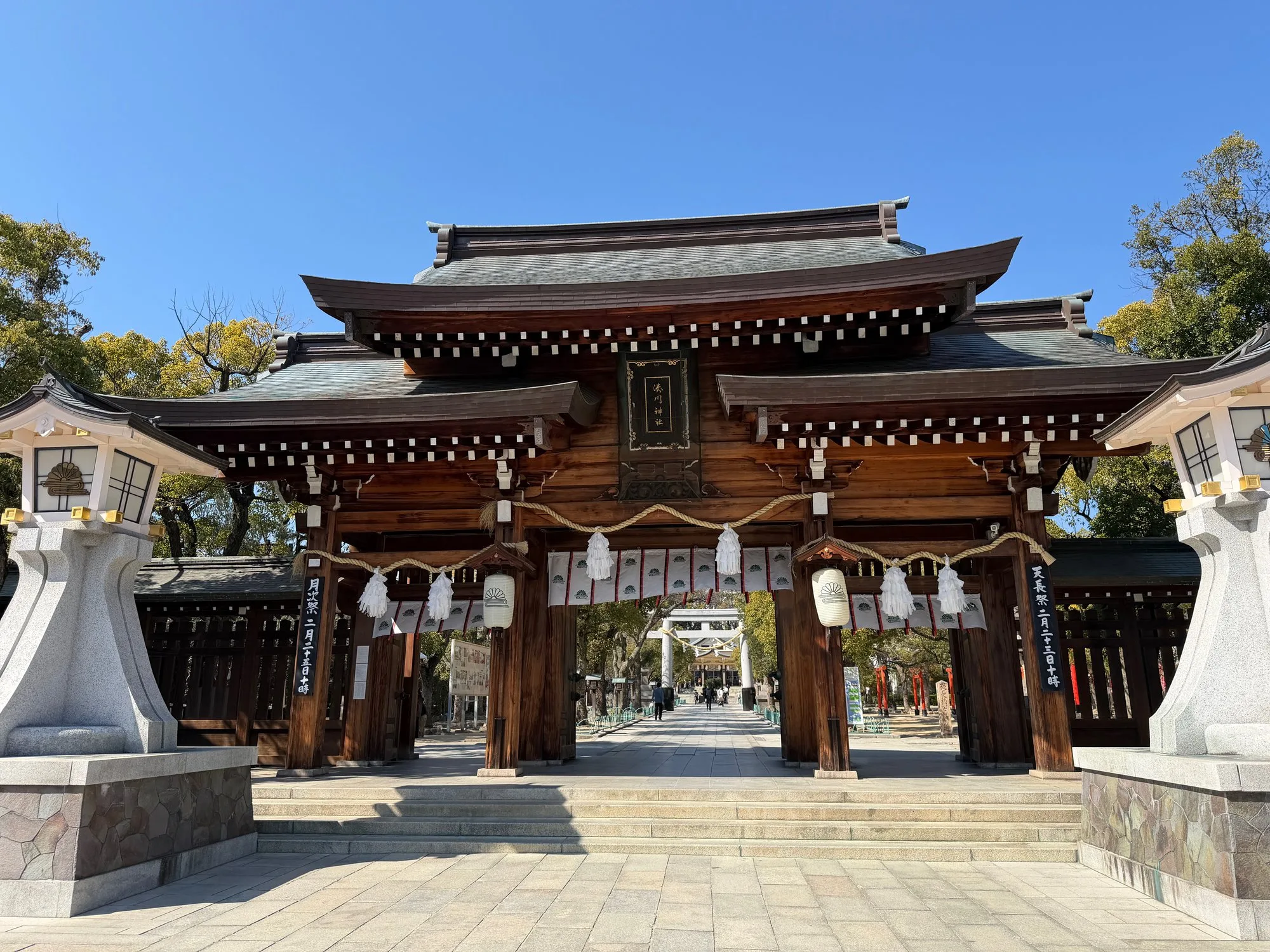
Minatogawa Shrine is the natural second stop. The official access page puts it about a three-minute walk north of JR Kobe Station, immediately outside the east ticket gate at Kosoku-Kobe Station on the Hankyu, Hanshin, and Sanyo lines, and about a five-minute walk from Okurayama Station on the municipal subway.
The official shrine site says the precinct was established on May 25, 1872 (Meiji 5), on land that includes the martyrdom site and grave of Kusunoki Masashige. A later official notice, updated October 2, 2026, lists the shrine gates as open from 6:00 a.m. to 6:00 p.m. year-round. The amulet and seal desk is listed from 9:00 a.m. to 5:00 p.m., and prayer reception from 9:00 a.m. to 4:30 p.m. New Year (January 1 to 7) and the summer festival (August 22 to 26) use separate hours. Confirm those dates on minatogawajinja.or.jp.
I did not find a grounds admission ticket on the official pages. Ordinary worship takes place during gate hours. The shrine asks visitors arriving by car to use public transit when they can, because the free visitor lot is small.
Nofukuji Temple and the Hyogo Daibutsu
If you want a temple after the two central shrines, Nofukuji is the closest major stop. The official access page says it is a 15-minute walk east from JR Hyogo Station on the Sanyo Line, or a 10-minute walk from Exit 1 at Chuo-Ichiba-mae Station on the Kaigan subway line. That is not a bus ride from Kobe Station, which some older writeups still claim.
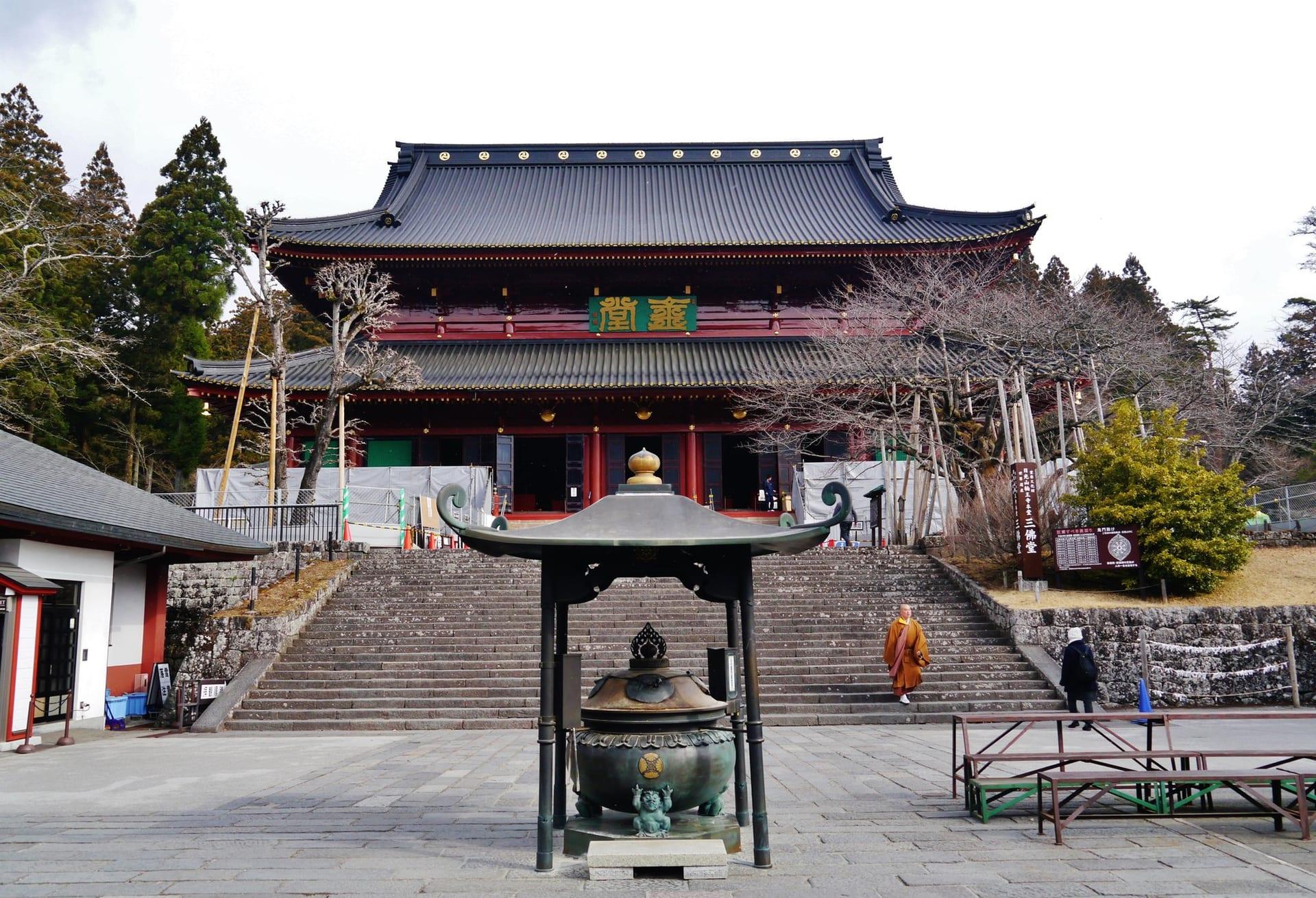
Feel KOBE, the official city tourism site, says the temple was founded in 805 by Saicho, and that Taira no Kiyomori entered the priesthood there in 1168, when the capital was moved to Fukuhara. The official Nofukuji history page places the founding in 805 (Enryaku 24) and describes the temple as Saicho's first teaching site in Japan after his return from China. The same official page counts the Hyogo Daibutsu, with the figures in Nara and Kamakura, among Japan's three large Buddha statues.
The statue standing today is not the prewar figure. Feel KOBE says the original metal was given to the state during World War II, leaving only the pedestal, and that the present statue was rebuilt in 1991. It lists the height as 18 meters including the pedestal and the lotus throne. Older "around 11 meters" and "about ¥300" figures you may still see are not what the official pages I checked describe.
The official access page lists the temple office and goshuin desk from 10:00 a.m. to 4:00 p.m. The Birushana Hall, in the base of the statue, is listed from 10:00 a.m. to 4:00 p.m. only for families with memorial tablets there. I did not find a general admission price for walking the grounds on that page. Confirm the day's hours at nofukuji.jp/access.
If you would rather travel between these stops in a private car, Ohayo Travels does not currently publish a dedicated Kobe shrine tour. Our Osaka Private Day Tour by Car: Castle, Markets and Dotonbori is a 10-hour day with an English-speaking driver guide. It starts at $500 for two people in a sedan, with hotel pickup and drop-off in central Osaka. Fuel, tolls, and parking are included. Lunch, drinks, and optional tickets are not. The published inclusions include 10 hours of private car and guide from a 9:00 pickup. Time beyond 10 hours is ¥5,000 per 30 minutes, paid by card. If you want the day built around Kobe instead of Osaka Castle and Dotonbori, get in touch or browse our custom tours.
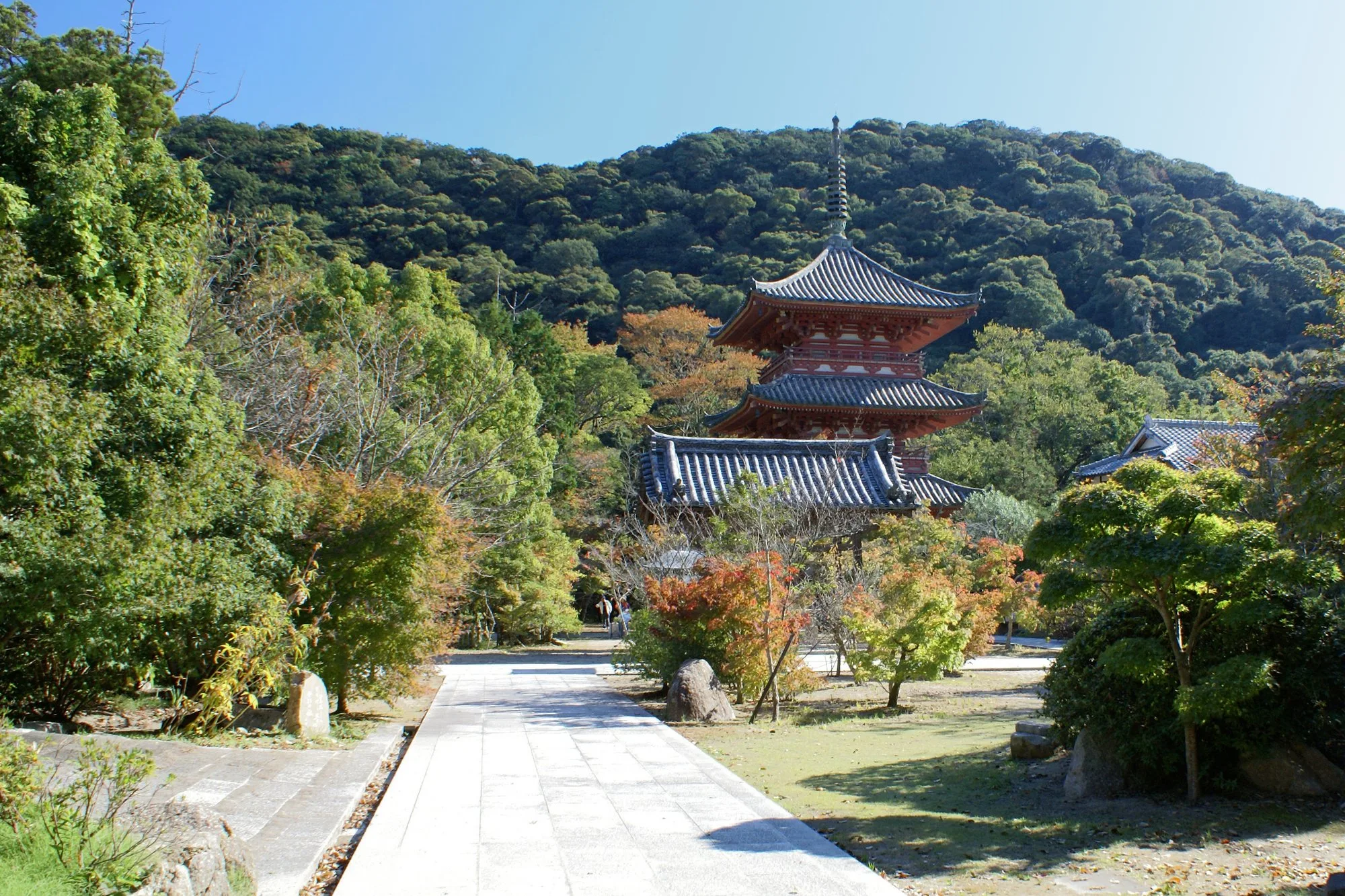
A pagoda and walking path at Taisanji Temple in Kobe
Two farther stops: Taisanji and Kobe Gokoku Shrine
Taisanji is worth a dedicated trip if you care about temple architecture, but it does not belong on a short central loop. The temple stands in Ikawadani, Nishi-ku, in western Kobe. Feel KOBE describes the main hall as the only National Treasure building in Kobe city. The same official tourism pages list viewing hours as 8:30 a.m. to 5:00 p.m., with a 4:30 p.m. close from December through February, and a viewing fee of ¥300. Public access is by Shinki Bus route 14, which stops at Taisanji, from subway Nagata or Ikawadani, or from JR and Sanyo Akashi Station. That is a longer ride than the old "20 minutes from the city center" line suggests. Confirm hours and the fee on the official tourism page, or with the temple, before you go.
Kobe Gokoku Shrine is in the other direction, in Nada-ku, not beside the Kobe Municipal Arboretum. The official shrine site gives the address as 4-5-1 Shinohara-Kitamachi, Nada-ku, and says the shrine honors 53,257 war dead from eastern Hyogo. Ordinary worship is listed with no admission fee. The shrine office is open from 9:00 a.m. to 4:00 p.m. Access is a 15-minute walk from Hankyu Rokko Station, or Kobe City Bus routes 2 or 18 to the Gokoku-jinja-mae stop. The official calendar includes memorial rites that visitors may attend, plus a late-March to early-April cherry tree festival. If you are coming for blossoms, our Kobe hanami guide is the better place for viewing spots. Confirm festival hours and any paid seating on kobe-gokoku.jp.
A short note on manners
Shrine and temple manners are simpler than many first-time visitors expect, and they are already covered in detail elsewhere on this site. Bow beside the gate as you enter a shrine precinct. Wash your hands at the purification basin if one is in use. Keep your voice down. Take your shoes off only when you step into a building that asks you to, not on the open grounds. Look for photography signs before you raise a camera inside a hall.
Keep the day to the two central Kobe shrines, add Nofukuji if you want the Great Buddha, and leave Taisanji or Gokoku Shrine for a second outing. If you want help arranging a private-car version from Osaka, get in touch, look at the Osaka private day tour, or browse our custom tours.
Ordinary worship at both shrines is treated as free access during gate hours on the official pages I checked. The official Kansai tourism guide lists Ikuta's grounds as free, with no reservation required. I did not find a grounds ticket on Minatogawa's official site. Taisanji, a temple in Nishi-ku, is different: Feel KOBE lists a ¥300 viewing fee. Confirm the day's figures before you go.
The official Ikuta Shrine site and Visit Hyogo both say the shrine is about a 10-minute walk north from JR Sannomiya Station and the private-railway Sannomiya stations. From JR Shin-Kobe Station it is about a 20-minute walk south. The shrine is in the middle of central Kobe, so you do not need a bus for this first stop.
Feel KOBE lists the present statue, rebuilt in 1991, as 18 meters tall including the pedestal and the lotus throne. The official Nofukuji access page lists the temple office and goshuin desk from 10:00 a.m. to 4:00 p.m. The Birushana Hall in the statue base is limited to families with memorial tablets there. I did not find a general admission price for walking the grounds on that official page. Older figures of about 11 meters or ¥300 do not match these sources.
It is possible in a long day, but it is not a short hop. Taisanji is in Ikawadani, Nishi-ku, in western Kobe, and public access is by Shinki Bus route 14 from subway Nagata or Ikawadani, or from Akashi Station. Feel KOBE lists viewing hours as 8:30 a.m. to 5:00 p.m., closing at 4:30 p.m. from December through February, with a ¥300 fee. A tighter one-day route is Ikuta, Minatogawa, and optionally Nofukuji.
An official shrine notice updated October 2, 2026, lists the gates as open from 6:00 a.m. to 6:00 p.m. year-round. The amulet and seal desk is listed from 9:00 a.m. to 5:00 p.m., and prayer reception from 9:00 a.m. to 4:30 p.m. New Year (January 1 to 7) and the summer festival (August 22 to 26) use separate hours. Confirm on the official site before you go.
Ohayo Travels does not currently publish a dedicated Kobe shrine tour. The published Osaka Private Day Tour by Car is a 10-hour day starting at $500 for two people in a sedan, with hotel pickup and drop-off in central Osaka. Fuel, tolls, and parking are included. Lunch, drinks, and optional tickets are not. If you want the day built around Kobe shrines instead, contact us for a custom tour.