
Here's what to know before visiting Tokyo Matsuri, the lively celebration that captures the energy and traditions of Japan's capital. Each year, visitors head to Tokyo for its colorful parades, traditional music, and tasty food stalls. This guide will help you navigate the festival's highlights and ensure a memorable visit in 2026.
Seasonal7 min read17 views
2026 Tokyo Matsuri Guide: Tips for a Memorable Festival Experience
Explore the vibrant Tokyo Matsuri in 2026 with these essential tips for planning your visit. Discover must-see events and local insights.
By MickyEdited by Talha Nabeel
Introduction to Tokyo Matsuri
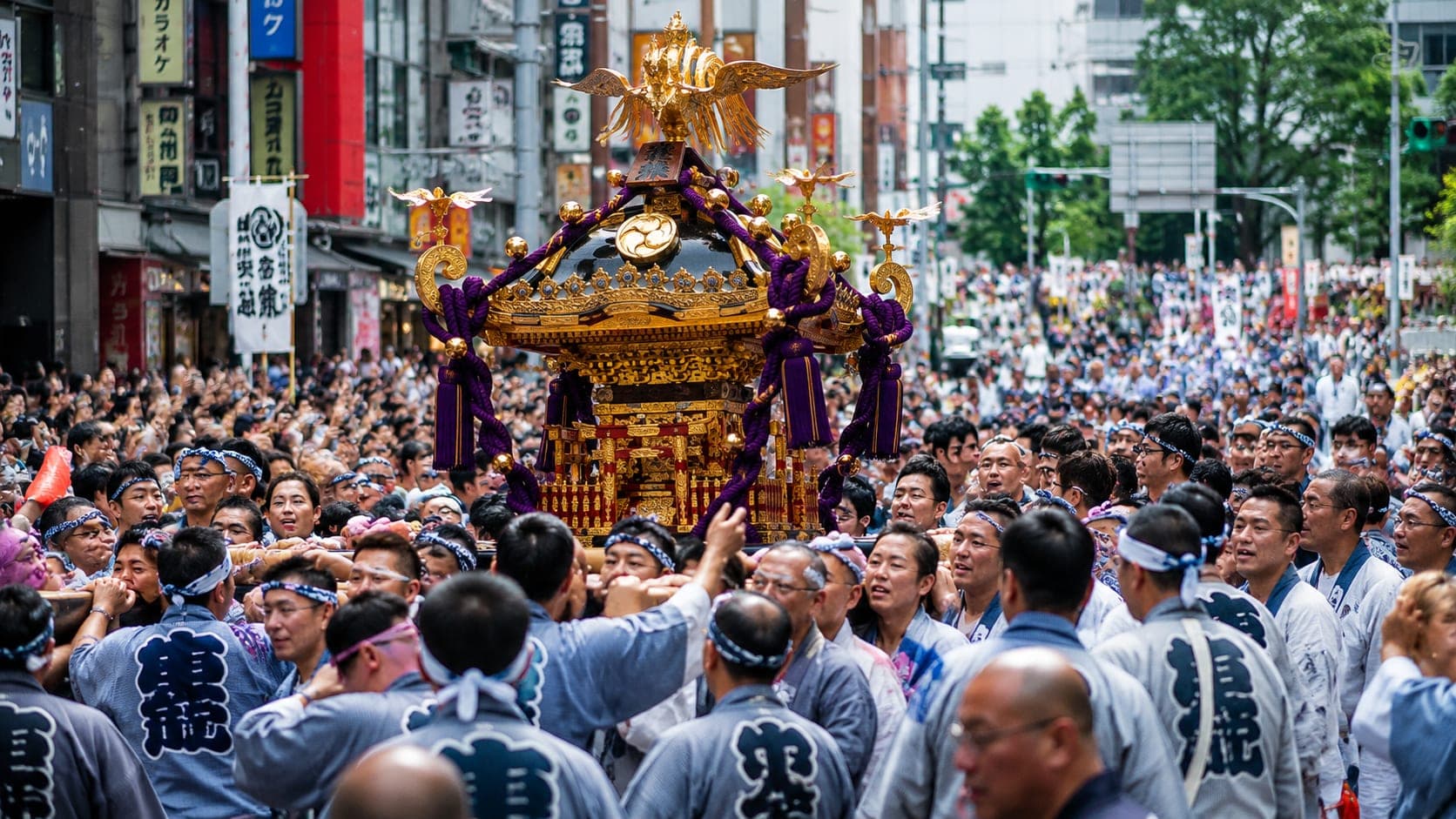
Tokyo Matsuri includes a series of annual festivals in various districts of Tokyo, each with its own local traditions and performances. These festivals are a key part of Japanese culture, offering a chance to see traditional Japanese arts, music, and community spirit. Events often feature parades with mikoshi (portable shrines), traditional dance performances, and a variety of street food stalls. Participating in Tokyo Matsuri lets you explore Japan's cultural richness, making it a great experience for international tourists. Whether you're drawn to the beats of taiko drums or the parade floats, Tokyo Matsuri gives a fascinating look into Japanese tradition.
Each district's festival has its own flavor and history. For example, the Kanda Matsuri, held in odd-numbered years, is one of the three major Shinto festivals in Tokyo. It includes a grand parade of mikoshi and floats through the city. Meanwhile, the Fukagawa Hachiman Matsuri is known for its water-splashing ritual, offering a refreshing break from the summer heat. Understanding these unique aspects can help you choose which festivals to attend based on your interests.
Best time to visit
The Tokyo Matsuri season usually peaks in August when multiple districts host their festivals. While the exact dates vary each year, planning your visit around mid to late August ensures you catch the most exciting events. Weekends are typically the busiest, drawing larger crowds as locals and tourists come to watch the parades and performances. To avoid overwhelming crowds, consider attending weekday events, which still have a lively atmosphere but with more room to explore. Check the official festival schedules as you plan your trip, since dates and times can change.
August also brings intense summer heat and humidity, so prepare accordingly. Early mornings and late afternoons are cooler times to explore. Remember that Tokyo's weather can be unpredictable, so packing a light raincoat or umbrella is wise. Keep an eye on local weather forecasts to plan your day effectively.
Must-see events
During Tokyo Matsuri, several events stand out for their cultural significance and entertainment value. The Asakusa Samba Carnival is a must-see, with flamboyant costumes and lively samba music transforming the streets into a spectacle. Another highlight is the Kanda Matsuri, one of Tokyo's most famous festivals, featuring grand mikoshi parades and traditional music performances. If you're interested in historical reenactments, the Shinjuku Eisa Festival brings Okinawan dance performances that are both interesting and educational. These events provide a unique perspective on Japanese culture, making them essential to your festival itinerary.
For a deeper dive into traditional Japanese arts, the Nihonbashi-Kyobashi Matsuri lets you see traditional Japanese theater performances, including kabuki and noh. These performances are less crowded and provide a more intimate setting to appreciate the artistry. Additionally, the Koenji Awa Odori, held in late August, is a dance festival where participants perform the traditional Awa Odori dance, filling the streets with energy and rhythm.
Navigating Tokyo during the festival
Getting around Tokyo during Matsuri can be challenging due to increased crowds and street closures. However, the city's efficient public transportation system makes it easier to navigate. The Tokyo Metro and JR lines are your best friends, offering extensive coverage throughout the city. For popular festival areas like Asakusa, the Ginza Line is a convenient option. Be ready for packed trains, especially during peak festival hours. A prepaid Suica or PASMO card will simplify travel, allowing you to move between different lines without the hassle of buying individual tickets. Local tip: Plan your routes in advance and allow extra travel time for potential delays.
For those unfamiliar with Tokyo's train system, consider downloading a navigation app like "Tokyo Subway Navigation for Tourists" to help you find the quickest routes. If you're planning to visit multiple festival sites in one day, map out your itinerary to minimize backtracking. Walking between closer venues can also be a pleasant way to see more of the city. Remember, taxis can be expensive and may not be the fastest option during busy festival times.
What to wear
Dressing appropriately for Tokyo Matsuri is essential to fully enjoy the experience. Comfortable footwear is a must, as you'll likely spend several hours walking or standing. Light, breathable fabrics are recommended due to the summer heat in August. Traditional attire such as yukata, a casual summer kimono, is popular among locals and adds to the festive atmosphere. You can rent a yukata from local shops if you wish to blend in. Don't forget a hat and sunscreen to protect yourself from the sun, and consider carrying a compact umbrella in case of sudden rain showers.
If you're planning to rent a yukata, it's best to reserve in advance, especially during peak festival days. Many rental shops offer packages that include dressing assistance, so you don't have to worry about putting it on correctly. Prices typically range from 3,000 to 5,000 JPY (around 20 to 35 USD) for a full rental package, which often includes sandals and a bag.
Food recommendations
Tokyo Matsuri is a paradise for food lovers, offering a wide array of street food that reflects Japan's diverse culinary culture. Takoyaki (octopus balls), yakitori (grilled chicken skewers), and kakigori (shaved ice dessert) are festival favorites. Stalls selling these treats can be found throughout the festival grounds, particularly in areas like Asakusa and Shibuya. For a unique taste, try taiyaki, a fish-shaped cake filled with sweet red bean paste. Prices generally range from 300 to 700 JPY per item, making it easy to sample a variety of snacks without spending too much.
Another must-try is okonomiyaki, a savory pancake filled with ingredients like cabbage, pork, and seafood, topped with a special sauce and mayonnaise. Tsukiji Outer Market is a great place to explore before heading to a festival, offering fresh seafood options and snacks. For those with a sweet tooth, look for stalls selling dango, a chewy rice flour dumpling, often served on a stick and glazed with a sweet soy sauce.
Other August events in Tokyo
August is a busy month in Tokyo, with a host of events besides Matsuri. The Sumida River Fireworks Festival is a spectacular display that attracts large crowds. Held on the last Saturday of July or the first Saturday of August, it's a popular event worth attending. Additionally, the Bon Odori festivals, featuring traditional dance and music, are held in various neighborhoods around Tokyo. These events provide a deeper insight into Japan's cultural festivities and offer a dynamic experience alongside Tokyo Matsuri.
If you're a fan of art and culture, the Yasukuni Shrine Mitama Matsuri is another event to consider. At this festival, thousands of paper lanterns illuminate the shrine grounds, creating a serene and picturesque setting. It's a quieter alternative to the larger festivals and offers a peaceful evening experience.
Enjoying Tokyo at night
Tokyo's nightlife is as thrilling as its daytime activities, with countless options to explore. After a day at the Matsuri, consider visiting the nightlife districts such as Shinjuku or Shibuya. Karaoke bars, izakayas (Japanese pubs), and rooftop lounges offer varied experiences. For a unique view of the city, head to the Tokyo Skytree or the observation deck at the Roppongi Hills Mori Tower. These spots provide sweeping nighttime panoramas of Tokyo's skyline, perfect for unwinding after a festival-filled day.
For those looking for a more relaxed evening, the Odaiba area has a beautiful waterfront view and is home to the teamLab Borderless digital art museum, which remains open late. It's a mesmerizing way to end your night, surrounded by interactive light displays. Alternatively, if you're interested in traditional Japanese theater, the Kabukiza Theatre in Ginza often has evening performances that provide a cultural experience different from the festival atmosphere.
Tokyo International Anime Fair
Coinciding with the Matsuri season, the Tokyo International Anime Fair is a significant event for anime enthusiasts. This fair showcases the latest in Japanese animation, offering fans a chance to see exclusive previews and meet industry professionals. Held at Tokyo Big Sight, it hosts exhibitions, cosplay events, and panel discussions, making it a must-visit for those interested in anime culture. Attending the fair can add an exciting dimension to your festival experience, blending traditional Japanese culture with contemporary pop culture.
The fair usually spans several days, with tickets priced around 1,000 to 2,000 JPY (about 7 to 14 USD) for a day pass. Buying tickets in advance online is recommended to avoid long lines. If you're a cosplay fan, consider attending on cosplay day, when the venue is filled with fans dressed as their favorite characters, offering great photo opportunities. Additionally, check the schedule for any special guest appearances or exclusive merchandise releases.
Tips for first-time festival-goers
For first-time visitors to Tokyo Matsuri, a few practical tips can enhance your experience. Arrive early to secure a good viewing spot for parades and performances, as popular events can draw large crowds. Stay hydrated and take breaks in shaded areas to manage the summer heat. Carry cash for purchases, as many food stalls and small vendors may not accept credit cards. Finally, respect local customs and follow any guidelines provided by festival organizers to ensure a smooth and enjoyable experience.
TopicsTokyo MatsuriJapanese FestivalsTravel Tips2026 Events
Frequently Asked Questions
Private tours for this destination
Ready to see it in person? These private tours cover the places in this guide.
Related posts

Ready to explore Japan?
Book a private tour with OHAYO TRAVEL JAPAN.
View all private tours · Browse by category · Destinations · Contact us