Hiroshima Tours: Peace Park, Miyajima and Getting Around
Hiroshima tours usually take in Peace Memorial Park, the museum, and a ferry to Miyajima. This guide covers official hours, streetcar and ferry fares, and a loose way to plan the day.
Hiroshima tours usually center on Peace Memorial Park, the Peace Memorial Museum, and a ferry ride to Miyajima. You can do that loop on the city's streetcars and the public ferries, or you can hire a private guide. This article covers official hours, fares, and a loose way to put a day together. It is not a review of tour companies, and it does not reprint other travelers' ratings.
I checked official pages from the Hiroshima Peace Memorial Museum, Hiroshima Castle, Shukkeien Garden, Hiroshima Electric Railway (Hiroden), JR West Miyajima Ferry, and Hatsukaichi City on November 17, 2026. Fees and hours can change, so confirm your date on those official pages.
The streetcar is the simplest way to move between Hiroshima Station, the Atomic Bomb Dome, and the ferry pier at Miyajimaguchi. Official Hiroden fares are a flat ¥240 for adults and ¥120 for children, including the city lines and the Miyajima Line. You pay when you get off. The company's English fare page uses Hiroshima Station to Genbaku Dome-mae, and Genbaku Dome-mae to Hiroden-miyajima-guchi, as examples of that same flat fare.
Hiroden also sells two day tickets. The official 1 Day Streetcar Pass is ¥700 for adults and ¥350 for children, and it covers all Hiroden streetcar lines. The 1 Day Streetcar and Ferry Pass is ¥1,000 for adults and ¥550 for children, including the Miyajima Visitor Tax. That ferry pass is valid on the Miyajima Matsudai Kisen ship, not on the JR West Miyajima Ferry, and neither pass is valid on JR West trains. You can buy the tickets at the Hiroshima Station transportation information center, from drivers and conductors on the streetcars, and at major hotels in the city, according to the same official page.
If you prefer the train to the ferry pier, official Hatsukaichi City tourism says the Sanyo Line from JR Hiroshima Station to Miyajimaguchi takes about 25 minutes. Confirm that day's fare on JR West.
Peace Memorial Park and the museum
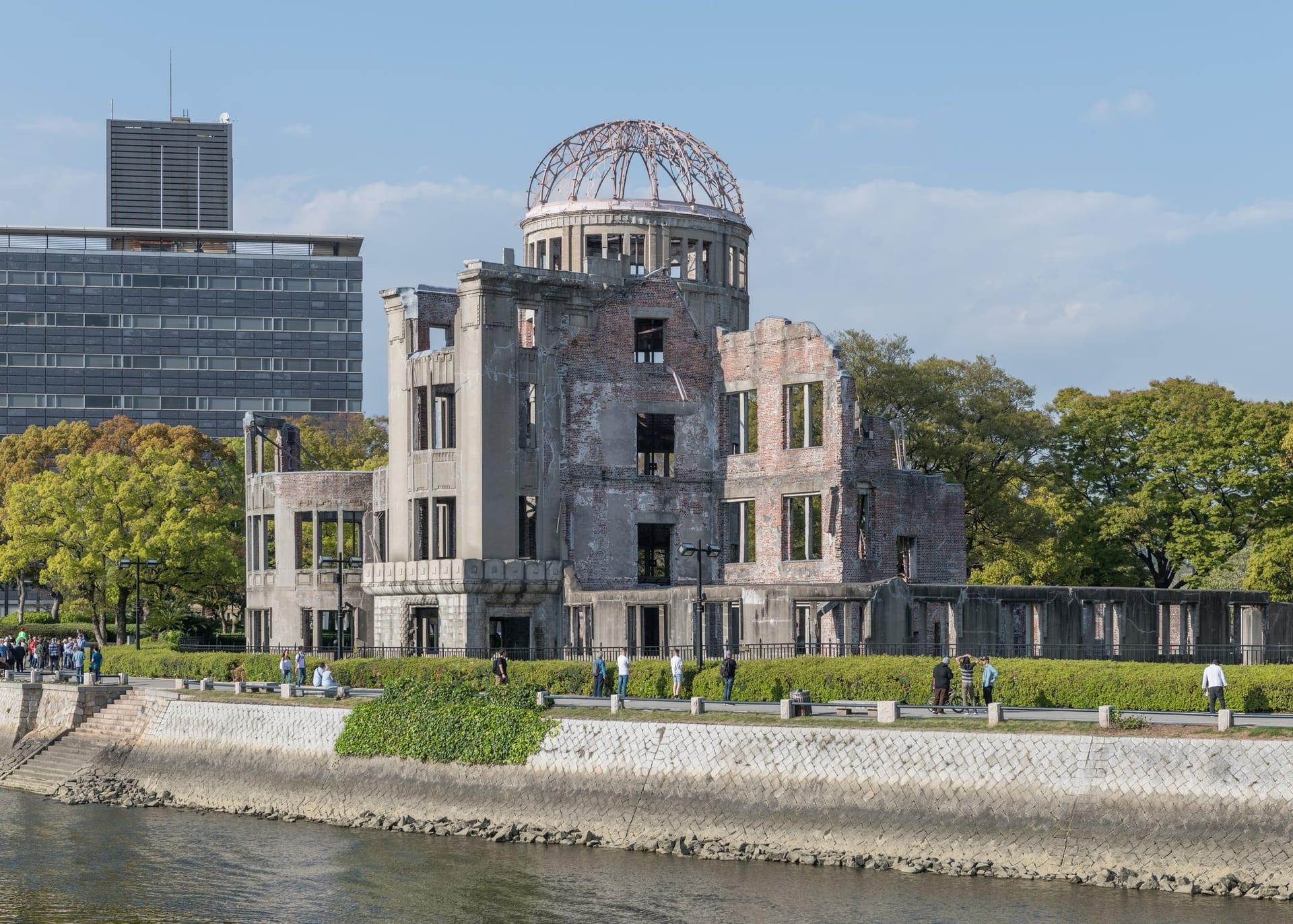
Most Hiroshima tours start here, and for good reason. The park itself, including the Atomic Bomb Dome, is open to walk through at no charge. The paid stop is the Hiroshima Peace Memorial Museum, at 1-2 Nakajima-cho, Naka-ku.
Official museum hours, as listed on the museum's hours and admission page, are 7:30 a.m. to 7:00 p.m. from March through July and from September through November; 7:30 a.m. to 8:00 p.m. in August, and until 9:00 p.m. on August 5 and 6; and 7:30 a.m. to 6:00 p.m. from December through February. The official museum site notes that last entry is 30 minutes before closing. The museum is closed on December 30 and 31, and in mid-February. The library has a slightly longer year-end close, from December 29 through January 1.
Admission to the permanent exhibition is ¥200 for adults (college students and up) and ¥100 for high school students. Junior high school students and younger enter free. Visitors 65 and older can enter for ¥100 by showing their passport, according to the same official page. Group rates are listed there if you are traveling with a large party.
Early morning and evening entry to the permanent exhibition needs a prior online reservation. For March through July and September through November, those reserved windows are 7:30 to 8:30 a.m. and 5:30 to 6:30 p.m. August and winter hours shift later or earlier, so use the official reservation page for your date. During the middle of the day you can also buy a ticket at the counter, though the museum may ask you to wait if rooms are crowded.
The official visitor guidelines ask you to keep your voice down, leave large bags in the coin lockers on the first floor of the East Building, and avoid touching exhibits. Personal photography without flash is allowed, with no application. Tripods and selfie sticks are not. Flash, or photography for publication, requires an application in advance. There is no public parking in the park. Eat and drink only in the designated lounge, and do not talk on a phone in the exhibition rooms.
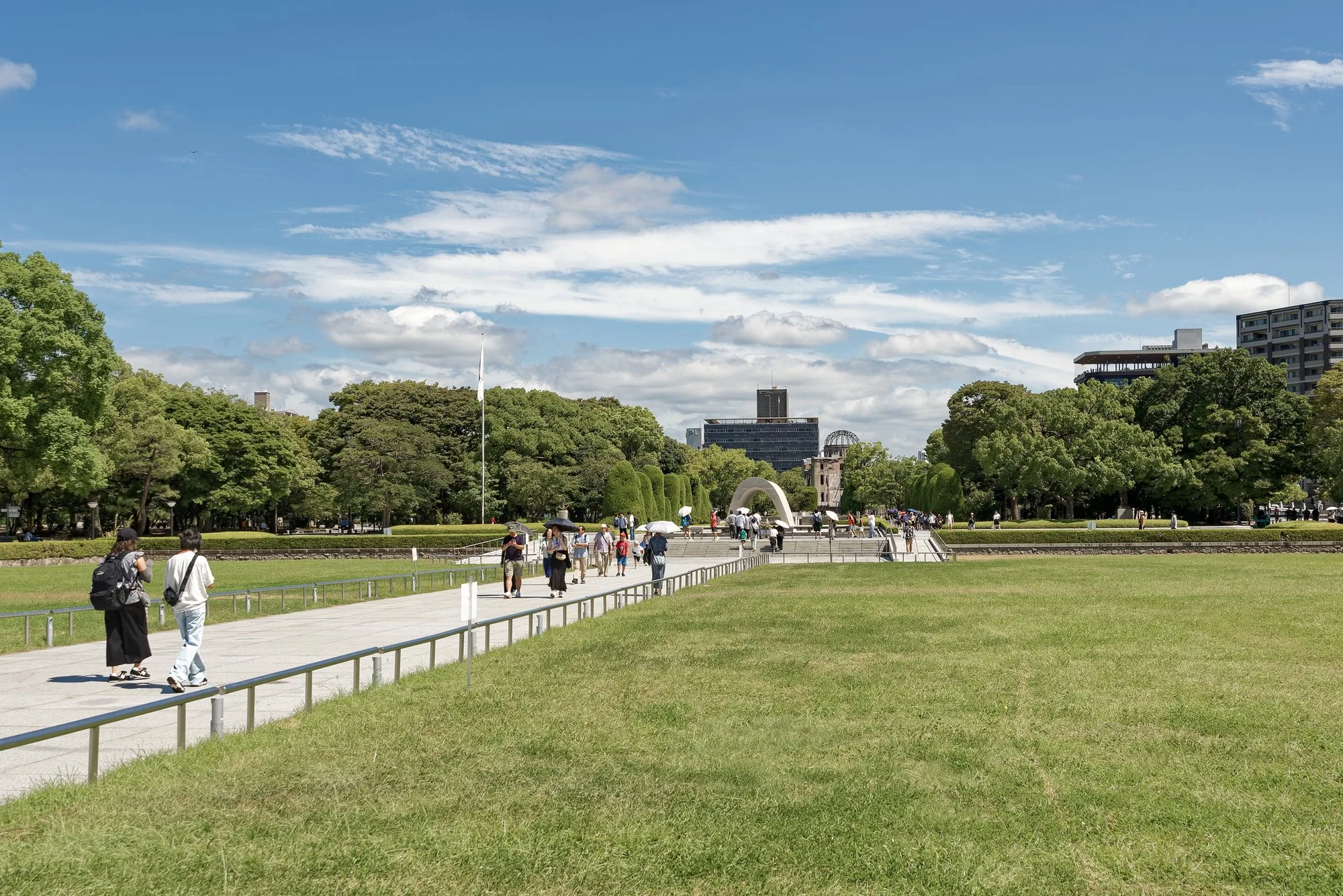
Give the museum enough time to walk it slowly. This is not a site to rush so you can tick off another stop. Afterward, walk the park paths, the cenotaph, and the Dome at your own pace. Our Peace Memorial Park guide goes deeper on the grounds themselves.
The central path of Hiroshima Peace Memorial Park, looking toward the cenotaph and the Atomic Bomb Dome
If you have time after the park, or if you are staying in the city rather than adding Miyajima, two central stops sit a short streetcar or walking distance from each other.
Hiroshima Castle's official site says the main keep closed in March 2026 because of concrete deterioration and aging equipment. You can still view the keep from the outside. The Ninomaru restored buildings, the Ninomaru museum shop, and the Sannomaru area remain open. Official Ninomaru hours are 9:00 a.m. to 5:30 p.m. from April through September, with last entry at 5:00 p.m., and 9:00 a.m. to 4:30 p.m. from October through March, with last entry at 4:00 p.m. Admission to the Ninomaru buildings is free. You will be asked to remove your shoes inside. The official calendar lists closures on December 8 and December 29 through 31. Older English leaflets still show a keep admission fee; that fee no longer applies while the keep is closed.
Shukkeien Garden is the quieter of the two. The official garden page lists hours from March 16 through September 15 as 9:00 a.m. to 6:00 p.m., with last entry at 5:30 p.m., and from September 16 through March 15 as 9:00 a.m. to 5:00 p.m., with last entry at 4:30 p.m. The garden is closed December 29 through 31. Adult admission is ¥350, university students pay ¥150, and high school students and younger, as well as visitors 65 and older with official ID, enter free. Those student and senior prices have been in effect since April 14, 2025, according to the official site. A combined ticket with the adjacent prefectural art museum is listed at ¥660 for adults. The garden is also free on Greenery Day (May 4) and Culture Day (November 3).
Adding Miyajima to a Hiroshima day
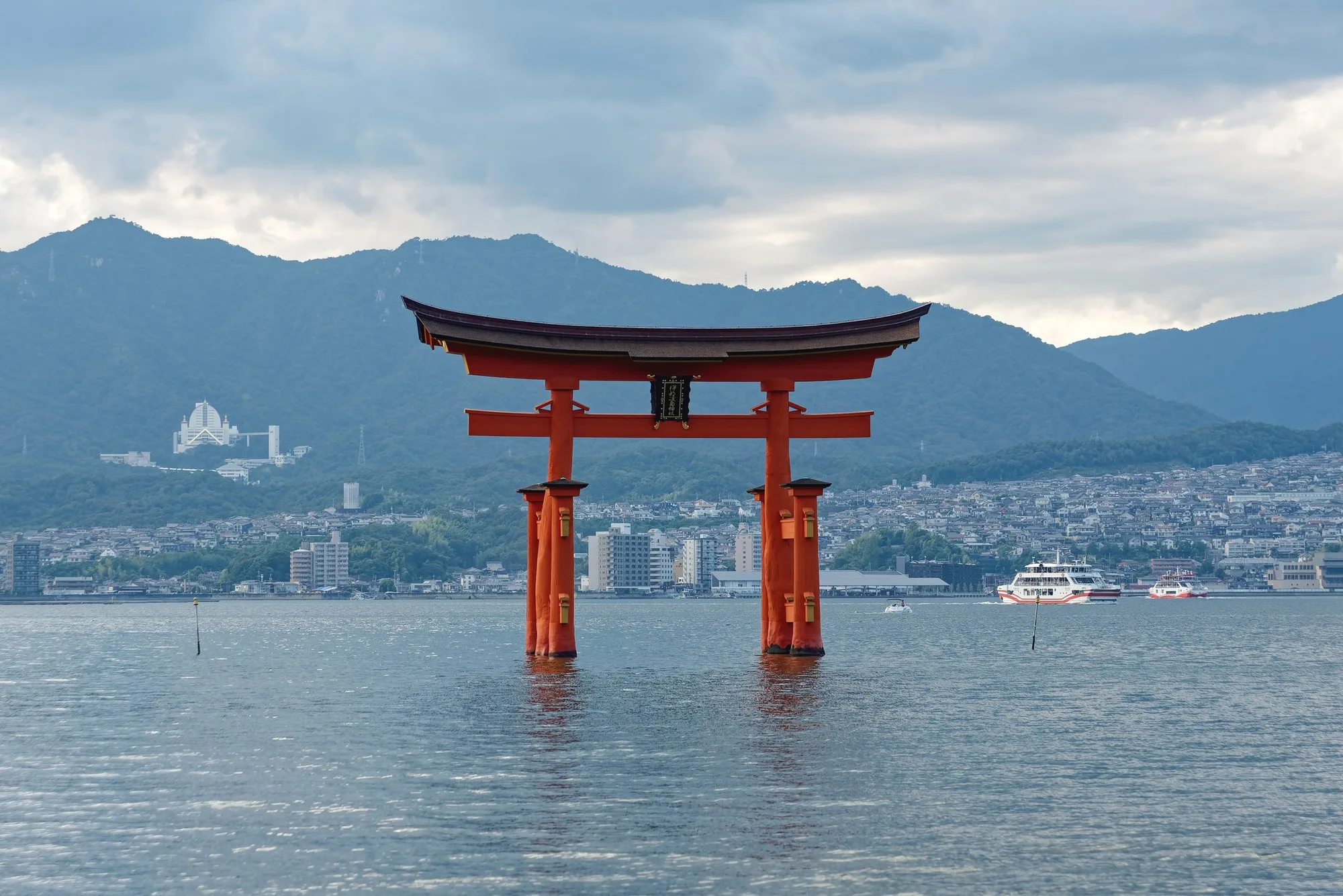
Many Hiroshima tours add Miyajima on the same day. That is doable if you keep the city morning focused and leave a long, unhurried block for the island, but it is a full day. Our Hiroshima and Miyajima day trip guide and Itsukushima Shrine guide cover the shrine, tides, and tickets in more detail.
Official Hatsukaichi City tourism says the ferry from Miyajimaguchi to Miyajima takes about 10 minutes and usually runs about every 15 minutes, with two operators: JR West Miyajima Ferry and Miyajima Matsudai Kisen. The same official city page lists the one-way ferry fare at ¥200 for junior high students and older, and ¥100 for elementary students. When you enter the island, a separate Miyajima Visitor Tax of ¥100 is added. Preschool children are exempt from that tax, according to the official JR West Miyajima Ferry fare page.
If you buy Hiroden's 1 Day Streetcar and Ferry Pass, remember it covers the Matsudai ferry, not the JR ferry. A regular JR rail pass is a separate question; confirm on JR West if that pass covers the JR Miyajima Ferry on the day you travel, rather than assuming that it does.
Keep the order loose. A simple plan is the museum and park first, while the rooms are quieter, then the streetcar or train to Miyajimaguchi, then as much of the island as your energy allows. If the museum line is long, walk the park and the Dome first and return to the museum later, or skip the castle and garden that day. Leave a stop out rather than rushing the museum or the shrine. If you want a second day from Hiroshima, our Onomichi day trip is a different outing along the coast.
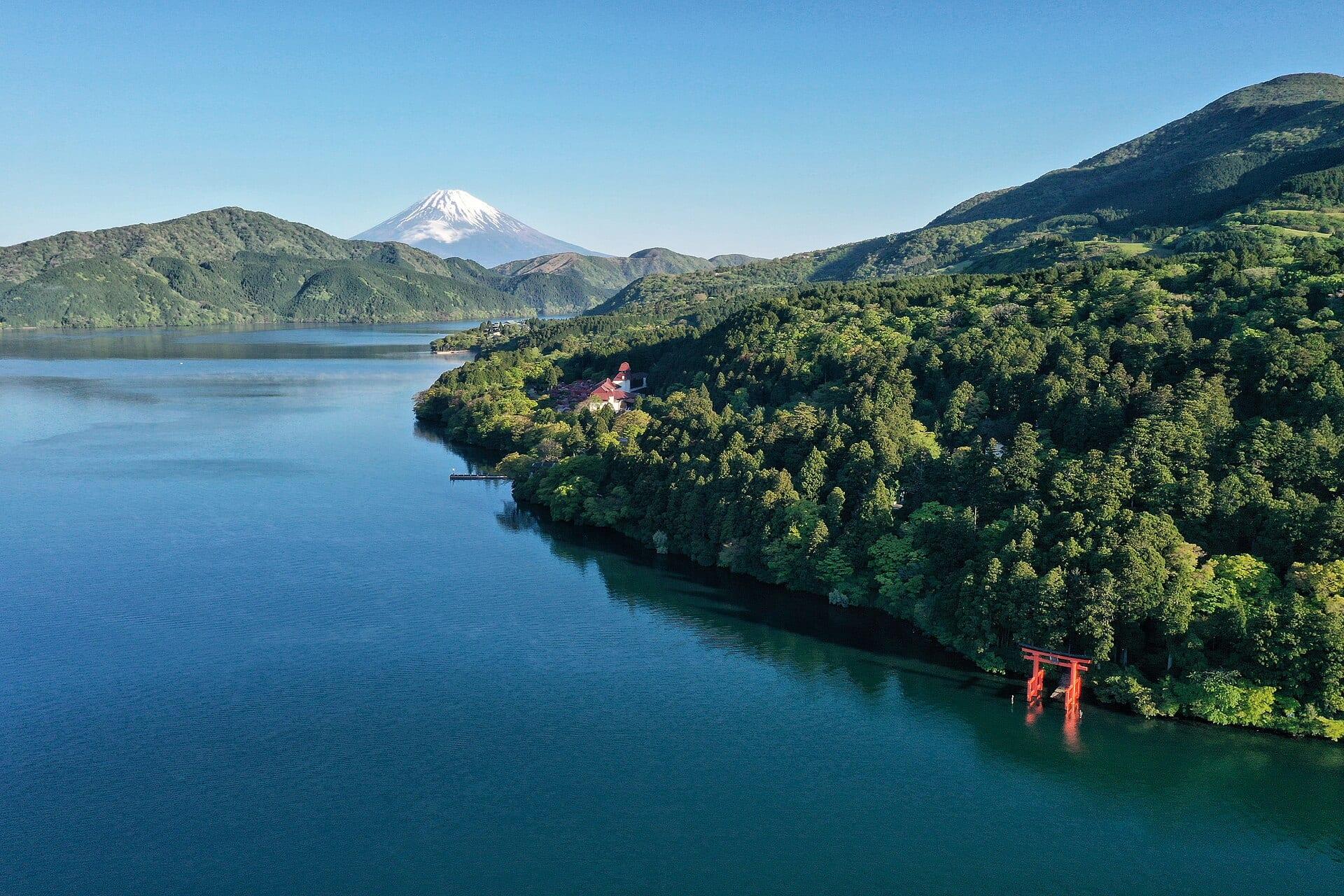
The red torii of Itsukushima Shrine standing in the water off Miyajima, with the mainland and a ferry behind it
A self-guided loop on the streetcar and ferry is straightforward, and official prices for the museum, garden, and transit are low. A private guide is worth considering if you want help with the museum, a flexible route, or a pickup that skips the transfers. For the broader question of when a private day makes sense in Japan, see Are private tours in Japan worth the investment?.
Ohayo Travels does not currently list a fixed Hiroshima tour. If you want a private day in the city, get in touch or browse our custom tours. If your trip also includes Osaka, our Osaka private day tour by car starts at $500 for two people in a sedan.
I am not going to quote other companies' prices or summarize review sites here. Those figures change, and they are not official sources. If you do hire a guide, ask what is included, especially museum tickets, ferry fares, and the visitor tax, and confirm the meeting point in writing.
If you want a Hiroshima day built around the park, the museum, and Miyajima, get in touch and we can plan it with you.
Official Hiroden fares are a flat ¥240 for adults and ¥120 for children, including the city lines and the Miyajima Line. You pay when you get off. A 1 Day Streetcar Pass is ¥700 for adults and ¥350 for children. A 1 Day Streetcar and Ferry Pass is ¥1,000 for adults and ¥550 for children, including the Miyajima Visitor Tax, and it is valid on the Matsudai ferry, not the JR West Miyajima Ferry.
The official museum page lists 7:30 a.m. to 7:00 p.m. from March through July and September through November, later hours in August, and 7:30 a.m. to 6:00 p.m. from December through February. Last entry is 30 minutes before closing. Adult admission is ¥200, high school tickets are ¥100, and junior high students and younger enter free. Early morning and evening entry to the permanent exhibition needs an online reservation.
The official castle site says the main keep closed in March 2026 for safety, because of concrete deterioration and aging equipment. You can still view the keep from outside. The Ninomaru restored buildings remain open, with free admission, from 9:00 a.m. to 5:30 p.m. in summer hours and 9:00 a.m. to 4:30 p.m. in winter hours, and last entry 30 minutes before closing.
Official Hatsukaichi City tourism lists the one-way ferry fare at ¥200 for junior high students and older, and ¥100 for elementary students, with two operators from Miyajimaguchi. When you enter the island, a separate Miyajima Visitor Tax of ¥100 is added, as also noted on the official JR West Miyajima Ferry fare page. Preschool children are exempt from the tax.
Yes, if you keep the city morning focused and leave a long block for the island. A loose order is the museum and park first, then the streetcar or train to Miyajimaguchi, then as much of Miyajima as your energy allows. Leave the castle or garden out that day rather than rushing the museum or the shrine.
Ohayo Travels does not currently list a fixed Hiroshima tour. If you want a private day in the city, get in touch or browse the custom tours. Official museum, garden, streetcar, and ferry prices are published on the operator sites linked in this guide; we do not quote other companies' tour rates here.