
Visiting Mount Fuji, Japan's tallest mountain, is on the bucket list of many travelers. However, understanding and respecting local customs can make your visit more rewarding and respectful. This guide will help you navigate the nuances of etiquette while exploring Mount Fuji in 2026.
Cultural Insights7 min read10 views
Essential Visitor Etiquette for Exploring Mount Fuji in 2026
Learn respectful visitor etiquette for Mount Fuji in 2026 to enhance your travel experience. Discover dress codes, common mistakes, and cultural insights.
By MickyEdited by Talha Nabeel
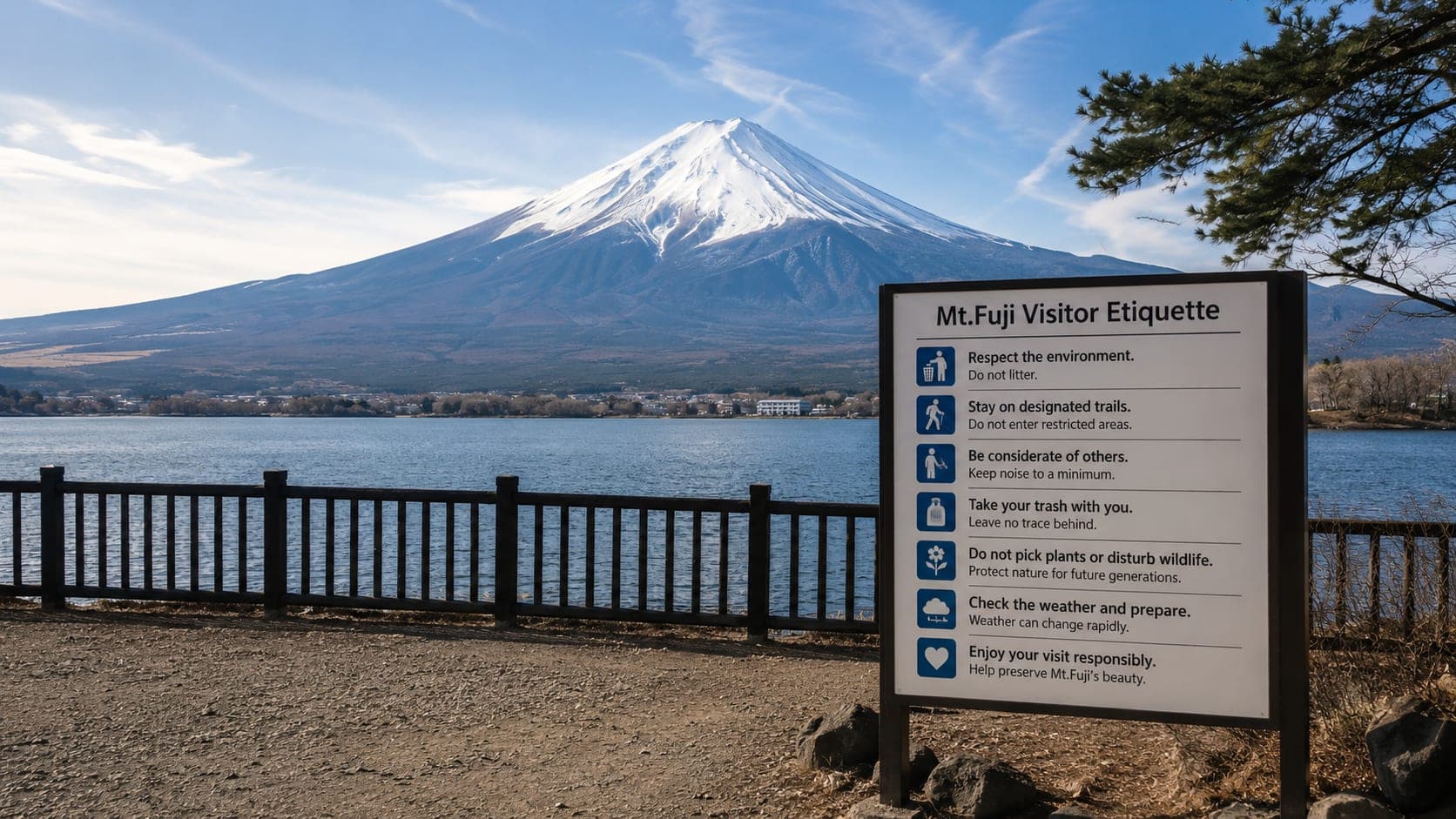
Understanding visitor etiquette in Japan
Japan is famous for its cultural richness and strong regard for etiquette. This respect extends into all facets of Japanese life, including how visitors are expected to behave. As a traveler, understanding these unwritten rules can enhance your experience and help you connect more genuinely with the local culture. From simple gestures like bowing to more complex traditions like taking off shoes indoors, etiquette in Japan is about demonstrating respect and consideration.
In the context of a Mount Fuji visit, etiquette extends to being mindful of the environment and other visitors. It's important to follow hiking rules, dispose of waste properly, and maintain quiet in sacred spaces. By aligning with these cultural norms, you not only show respect but also enrich your journey.
Dress code for Mount Fuji
When considering what to wear for your Mount Fuji adventure, practicality and respect should guide your choices. The mountain's weather can be unpredictable, so dressing in layers is advisable. A moisture-wicking base layer, a warm mid-layer, and a waterproof outer layer will keep you comfortable.
Quick tip: Comfortable hiking boots are a must as the terrain can be challenging. Avoid wearing flip-flops or sandals, as they are impractical and can be seen as disrespectful to the natural environment.
Additionally, bright colors are preferred for safety reasons, especially if you plan to hike early in the morning or late in the day. Dressing modestly is also a sign of respect when visiting sacred sites around the mountain.
Packing essentials for the hike
Besides clothing, there are a few essentials you'll want to pack for your Mount Fuji hike. A good-quality backpack is necessary to carry water, snacks, and other supplies. Hydration is crucial, so bring at least 2 liters of water per person. Snacks like energy bars or nuts can help maintain your energy levels during the climb. A headlamp or flashlight is essential if you plan to hike during the early morning or late evening hours.
Don't forget sunscreen and sunglasses, as UV rays can be strong at higher altitudes. A small first-aid kit with band-aids, antiseptic wipes, and any personal medications is also recommended.
Commonly impolite behaviors in Japan
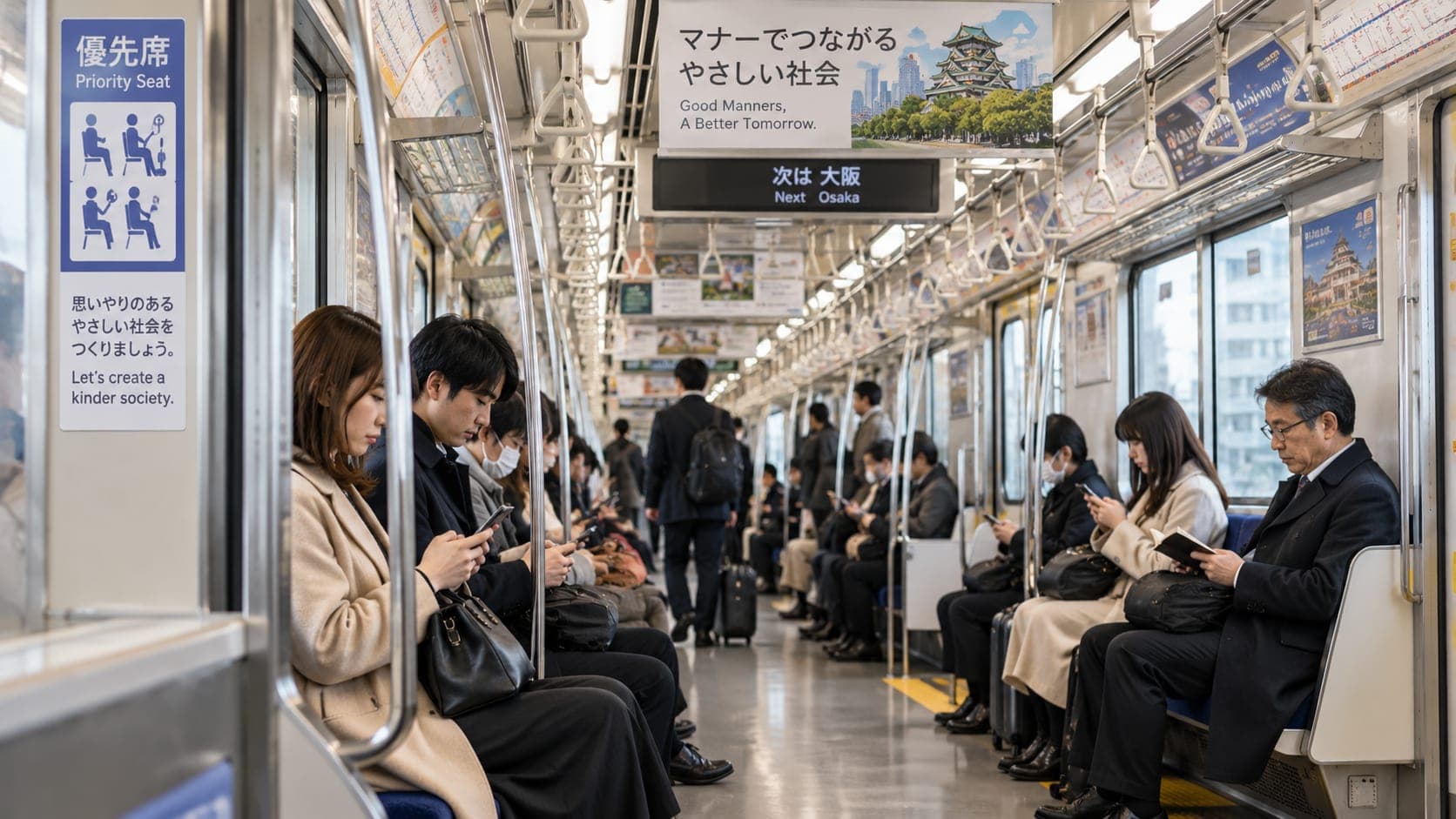
Certain behaviors that might seem normal elsewhere can be considered impolite in Japan. For instance, talking loudly on public transportation is frowned upon. Similarly, eating while walking is generally discouraged, as it's seen as disrespectful to the food and those around you. It's also considered impolite to point at people or things with your finger. Instead, use your whole hand to gesture.
Another faux pas is neglecting to remove your shoes when entering someone's home or certain indoor areas, including ryokans (traditional inns). Always look for cues, such as a line of shoes or a designated area for footwear. It's also important to avoid blowing your nose in public, which is considered quite rude.
Quick tip: When using your phone in public, keep it on silent mode. This is especially important on trains and buses, where maintaining a quiet environment is appreciated. Also, avoid making phone calls in these settings.
Respectful behavior at shrines and temples
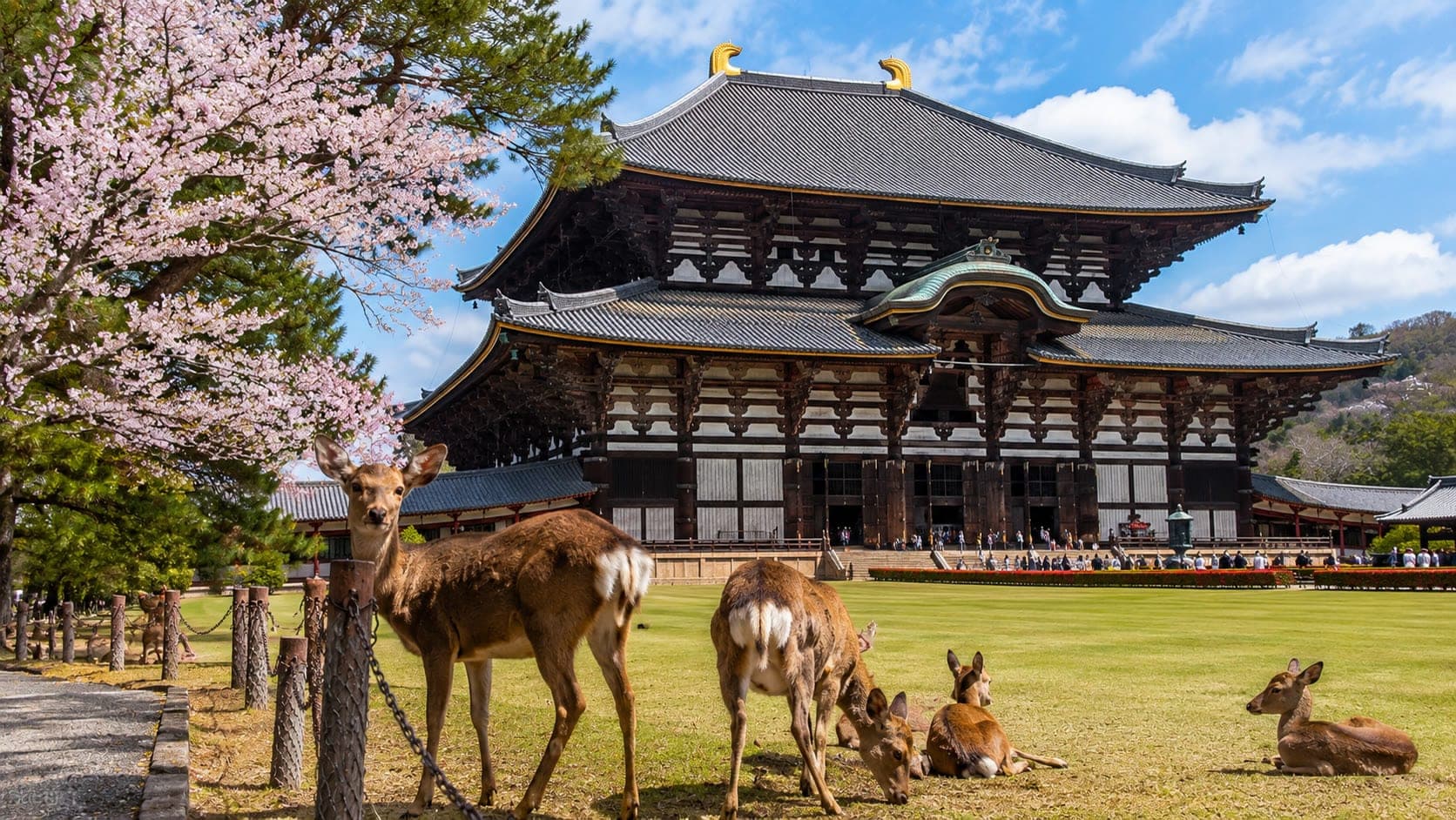
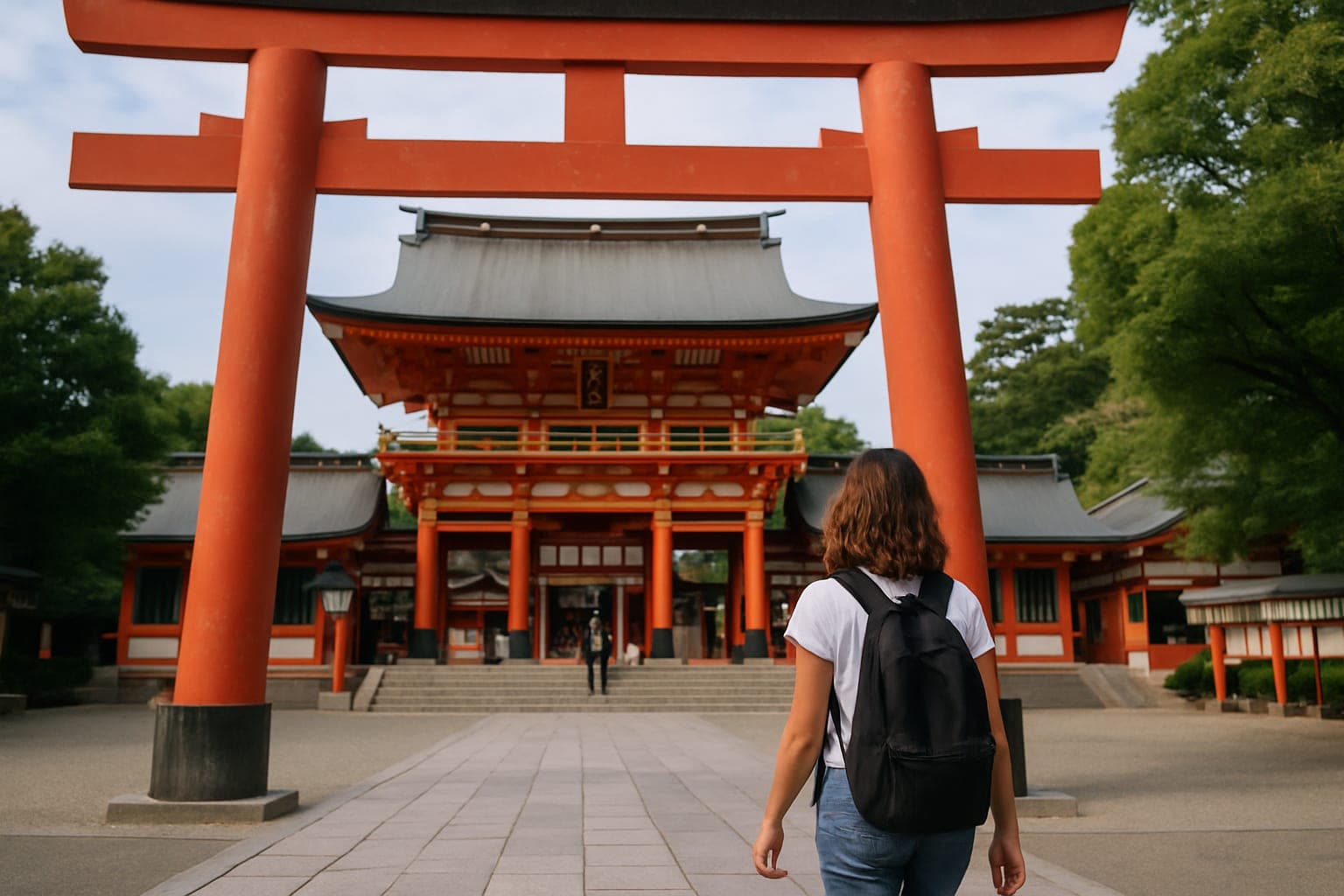
Visiting shrines and temples near Mount Fuji requires a certain level of decorum. When approaching a shrine, it's customary to bow slightly at the torii gate, a sign of respect before entering a sacred space. Once inside, maintaining a quiet demeanor is crucial, as these are places of worship and reflection.
Inside, there are often purification stations with ladles for washing hands and mouth. Follow the locals' lead, and remember to be quiet and respectful during your visit. When using the ladle, pour water over your left hand, then your right, and finally rinse your mouth, spitting the water beside the fountain.
Pro tip: Avoid taking photos in areas where it's prohibited, and refrain from touching relics or artifacts. Always follow posted signs and instructions. If unsure, observe the actions of locals or ask a guide for clarification.
Hiking etiquette on Mount Fuji
Hiking Mount Fuji is a popular activity, but it comes with its set of unwritten rules. The trails can get crowded, especially during peak season in July and August. Always follow the designated paths to protect the environment and ensure your safety. Straying off marked trails can damage fragile ecosystems and increase the risk of accidents.
When taking breaks, step aside to allow others to pass. Leave no trace by carrying all your trash back with you, as there are limited waste disposal facilities on the mountain. It's also important to be mindful of noise levels, as loud conversations can disrupt the natural tranquility and spoil the experience for others.
Pro tip: If you encounter other hikers, a simple nod or greeting is appreciated. It fosters a sense of camaraderie among climbers. Also, be prepared to share space in mountain huts, where personal space can be limited.
Timing your ascent
Timing is crucial when planning your hike. The Yoshida Trail, the most popular route, takes about 5 to 7 hours to ascend and 3 to 5 hours to descend. Starting early in the morning is recommended to avoid crowds and to give yourself ample time to enjoy the views without rushing. If you plan to watch the sunrise from the summit, known as "goraiko, " you might want to start your climb in the late afternoon and rest at a mountain hut overnight.
Photography etiquette around Mount Fuji
Mount Fuji offers stunning photo opportunities, but it's important to be mindful of photography etiquette. Always ask permission before photographing people, especially locals and religious ceremonies. It's a simple yet effective way to show respect.
When capturing images of shrines and temples, be aware of any restrictions. Some areas may have signage indicating that photography is not allowed. In general, avoid using flash photography, which can be disruptive.
Quick tip: Use a zoom lens to capture the mountain's beauty without intruding on private spaces or disrupting wildlife. Be patient and wait for the right moment to capture the perfect shot, respecting both the environment and other visitors.
Interacting with locals
Engaging with locals can enhance your travel experience, but it's important to approach interactions respectfully. A simple bow or a polite "sumimasen" (excuse me) can go a long way. When speaking, maintain a respectful tone and avoid overly familiar gestures such as hugging.
When dining in local restaurants, try to understand and follow the cultural norms. For example, it's customary to say "itadakimasu" before eating, which expresses gratitude for the meal. Similarly, saying "gochisousama deshita" after finishing your meal shows appreciation.
Local tip: Learning a few basic Japanese phrases can show your respect and willingness to connect with the culture. Even simple greetings and thank-yous can be warmly received. Consider carrying a small phrasebook or using a translation app for assistance.
Dos and don'ts on a Mount Fuji tour
To ensure a respectful and enjoyable tour of Mount Fuji, keep these dos and don'ts in mind:
-
Do: Dress appropriately for the weather and terrain, respecting both safety and cultural norms.
-
Do: Follow all hiking rules and regulations, including staying on marked paths.
-
Do: Plan your visit during weekdays if possible, to avoid weekend crowds and have a more peaceful experience.
-
Don't: Engage in loud conversations or disruptive behavior in sacred spaces.
-
Don't: Leave trash on the mountain. Carry out what you bring in.
-
Don't: Ignore local customs or signage, as they are in place to protect both visitors and the environment.
By adhering to these guidelines, you contribute to the preservation of Mount Fuji's natural beauty and cultural significance. For more detailed planning, consider checking out our Mount Fuji Day Trip from Tokyo: The Ultimate 2026 Private Tour Guide to make the most of your visit.
Getting there and around
Mount Fuji is about 100 kilometers southwest of Tokyo, and there are several ways to get there. The most convenient option is by train. The JR Tokaido Shinkansen from Tokyo Station to Mishima Station takes about 45 minutes, costing around 4,000 JPY (about 27 USD). From Mishima, you can take a bus to the Fuji Five Lakes area or directly to the trailheads.
Alternatively, consider a Mount Fuji and Hakone Day Trip from Tokyo for a hassle-free experience. This option often includes transportation, a guide, and sometimes meals, which can simplify your plans and enhance your visit.
For those who prefer driving, renting a car is another option. This gives you the flexibility to explore at your own pace. However, be aware that parking can be limited, especially during peak season.
Whether you choose public transport or a private tour, planning your logistics ahead of time can save you from unnecessary stress and ensure a smoother journey. Remember to check the weather forecast and trail conditions, especially during the climbing season, to ensure a safe and enjoyable experience.
TopicsMount FujietiquetteJapan travelcultural insights2026 travel
Frequently Asked Questions
Private tours for this destination
Ready to see it in person? These private tours cover the places in this guide.
Related posts
Ready to explore Japan?
Book a private tour with OHAYO TRAVEL JAPAN.
View all private tours · Browse by category · Destinations · Contact us