A 2-Day Private Tour of Kamakura and Yokohama from Tokyo (2026)
Two days from Tokyo covering Kamakura's temples and Yokohama's waterfront, with train routes, entry costs, and what a private guide charges in 2026.
Kamakura and Yokohama sit close enough to Tokyo that you can see both properly in two days. Kamakura was the political center of medieval Japan and is known for its temples and the Great Buddha. Yokohama, Japan's second-largest city, is a port city with a waterfront, a large Chinatown, and modern architecture. The two make an easy pair: one quiet day of temples and gardens and one busier day on the harbor.
This itinerary covers where to go each day, what things cost, how to get between them, and what to check before booking a guide.
Day 1: Kamakura
Take an early train from Tokyo. The JR Yokosuka Line runs direct from Tokyo Station to Kamakura Station in about 50 minutes for around 920 JPY (roughly 7 USD). There are cafés near the station if you want breakfast before you start walking.
Morning in Kamakura
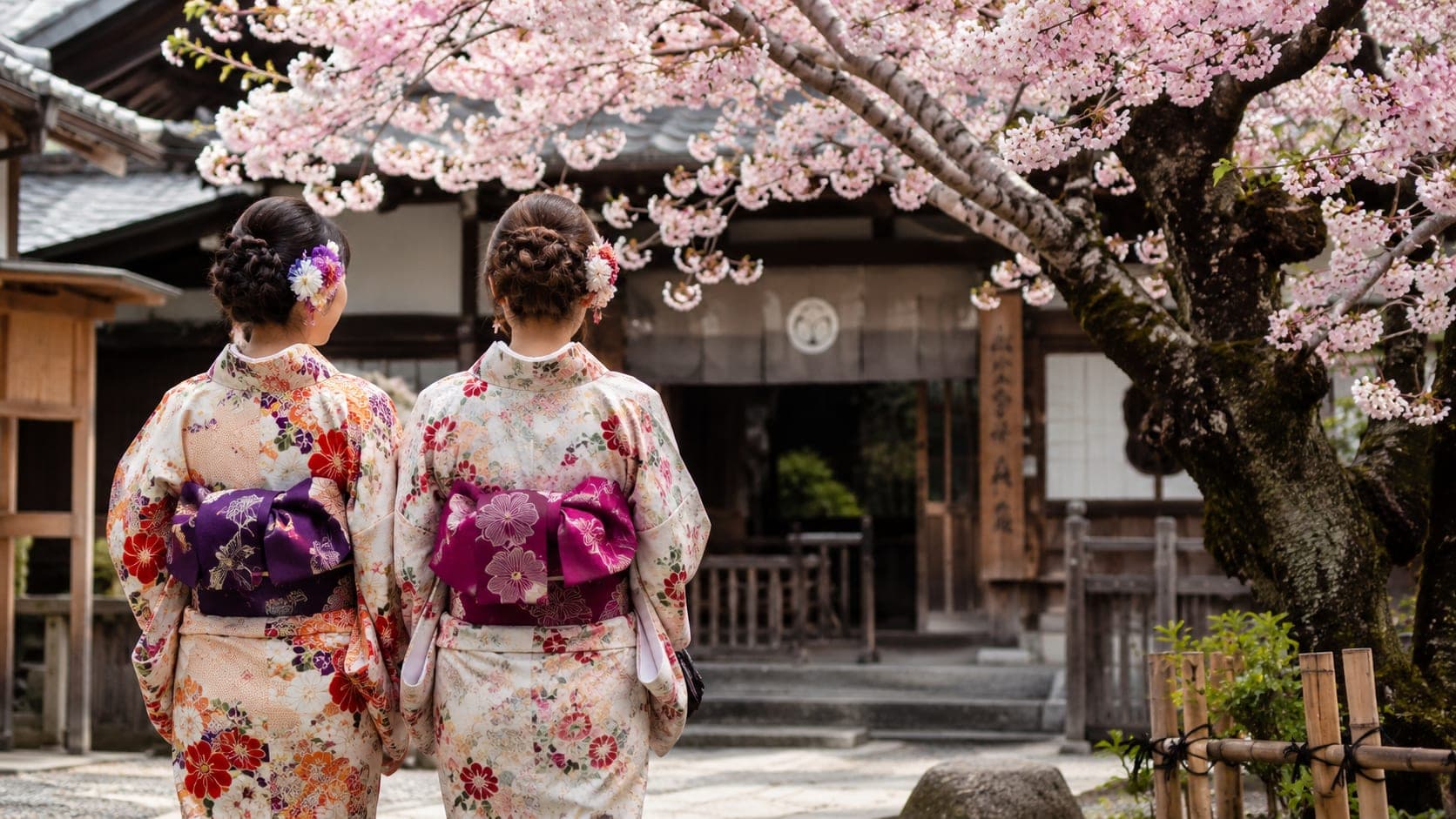
Start at Tsurugaoka Hachimangu, Kamakura's most important Shinto shrine. The approach is lined with cherry trees, which is worth timing for if you're visiting in spring. From there, go to Hokokuji Temple, usually called the Bamboo Temple, and walk through the bamboo grove. Buy a ticket for the matcha experience at the tea house while you're there; it's a quiet half hour in the middle of the grove.
Next is the Great Buddha at Kotoku-in. The bronze statue stands over 11 meters tall. After that, walk to Hase-dera Temple, which has gardens and a viewpoint over the city and is the better of the two for photographs.
Lunch and Afternoon in Kamakura
For lunch, order shirasu-don, whitebait over rice, which is a Kamakura specialty and easy to find around Hase. Then spend an hour on Komachi Street, which is lined with small shops and street food stalls, for snacks and souvenirs.
Finish with a walk along Yuigahama Beach. If you've timed it right, the sun sets over Sagami Bay.
More time in Kamakura
Engaku-ji is one of Japan's leading Zen temples, near Kita-Kamakura Station, one stop before Kamakura Station if you're coming from Tokyo. The grounds are large and usually less crowded than the main sites.
The Kamakura Museum of Literature is a short walk from Hase-dera, in an old villa with gardens. Its exhibits on Japanese literary history rotate between different authors and themes.
Practical Tips for Day 1
Timing: Start your day early to avoid crowds, especially at popular spots like the Great Buddha. Opening hours for most sites are around 8:00 AM to 5:00 PM, but it's good to check specific times as they may vary by season.
Transport: Consider purchasing a Kamakura-Enoshima Pass for 700 JPY (around 5 USD) if you plan to use the Enoden Line extensively. This pass offers unlimited rides for one day on the Enoden Line, which connects Kamakura and Enoshima.
Dining: For dinner, try a local izakaya (Japanese pub) in Kamakura. These places offer a variety of small dishes that pair well with drinks, providing a relaxed end to your day.
Day 2: Yokohama
Yokohama is about 25 minutes from Kamakura on the JR Yokosuka Line.
Morning in Yokohama
Start at the Yokohama Landmark Tower. The Sky Garden observation deck is on the 69th floor and costs around 1,000 JPY (about 7 USD) for a view over the whole city.
Then walk to the Cup Noodles Museum in Minato Mirai. It's an interactive museum about the history of instant noodles, and you can make your own custom cup for around 500 JPY (roughly 3.50 USD). It works for adults and kids alike.
Lunch in Yokohama
For lunch, go to Yokohama's Chinatown, one of the largest in the world. The range runs from dim sum to noodles, and the steamed buns are a local favorite. Budget around 1,500 JPY (about 10 USD) per person for a full meal.
Afternoon in Yokohama
In the afternoon, visit Sankeien Garden, a traditional Japanese garden with historic buildings and ponds, well away from the noise of the center. Entry is about 700 JPY (roughly 5 USD).
Then head to the Red Brick Warehouse, a historic building converted into a shopping and cultural complex with shops, galleries, and cafés overlooking the harbor. Check the website before you go, since the area regularly hosts events and exhibitions.
End the day on the Cosmo Clock 21 Ferris wheel at Yokohama Cosmo World. Tickets are around 800 JPY (about 6 USD) and the night view over the lit-up city is the best you'll get for the price.
More time in Yokohama
The Yokohama Museum of Art, near Minato Mirai, shows contemporary and modern work by Japanese and international artists. Admission is usually around 500 JPY (about 3.50 USD) and it's worth a couple of hours.
If you're interested in maritime history, the NYK Maritime Museum and the Hikawa Maru, a historic ocean liner moored nearby, cover Yokohama's past as a port. Combined tickets are around 600 JPY (roughly 4 USD).
Practical Tips for Day 2
Timing: Start your day at Landmark Tower when it opens to get clear views without the crowds. Check opening times for each attraction as they can vary.
Transport: Consider getting a Minato Mirai Line day pass if you plan to explore more of the waterfront area. This pass costs about 460 JPY (around 3 USD) and allows unlimited rides for one day.
Dining: For dinner, try one of the seafood restaurants around the Yokohama Bay area. Fresh seafood is a highlight here, and many places offer stunning views of the waterfront.
Getting from Tokyo to Kamakura
The JR Yokosuka Line runs direct from Tokyo Station to Kamakura Station. The trip takes about 50 minutes and costs approximately 920 JPY (around 7 USD). Trains are frequent, so you don't need to plan around a timetable.
If you're staying near Shinjuku, take the Odakyu Line to Fujisawa Station, then transfer to the Enoden Line into Kamakura. It's more scenic but slower, about 70 minutes in total, and costs about 1,000 JPY (around 7 USD).
Get a Suica or Pasmo card either way. They're rechargeable, work on most public transport in Japan, save you buying individual tickets, and give small discounts on some lines.
Pro tip: If you'd rather have the logistics handled, there's the Kamakura & Yokohama 2-Day Private Tour from Tokyo.
What a Private Guide Costs
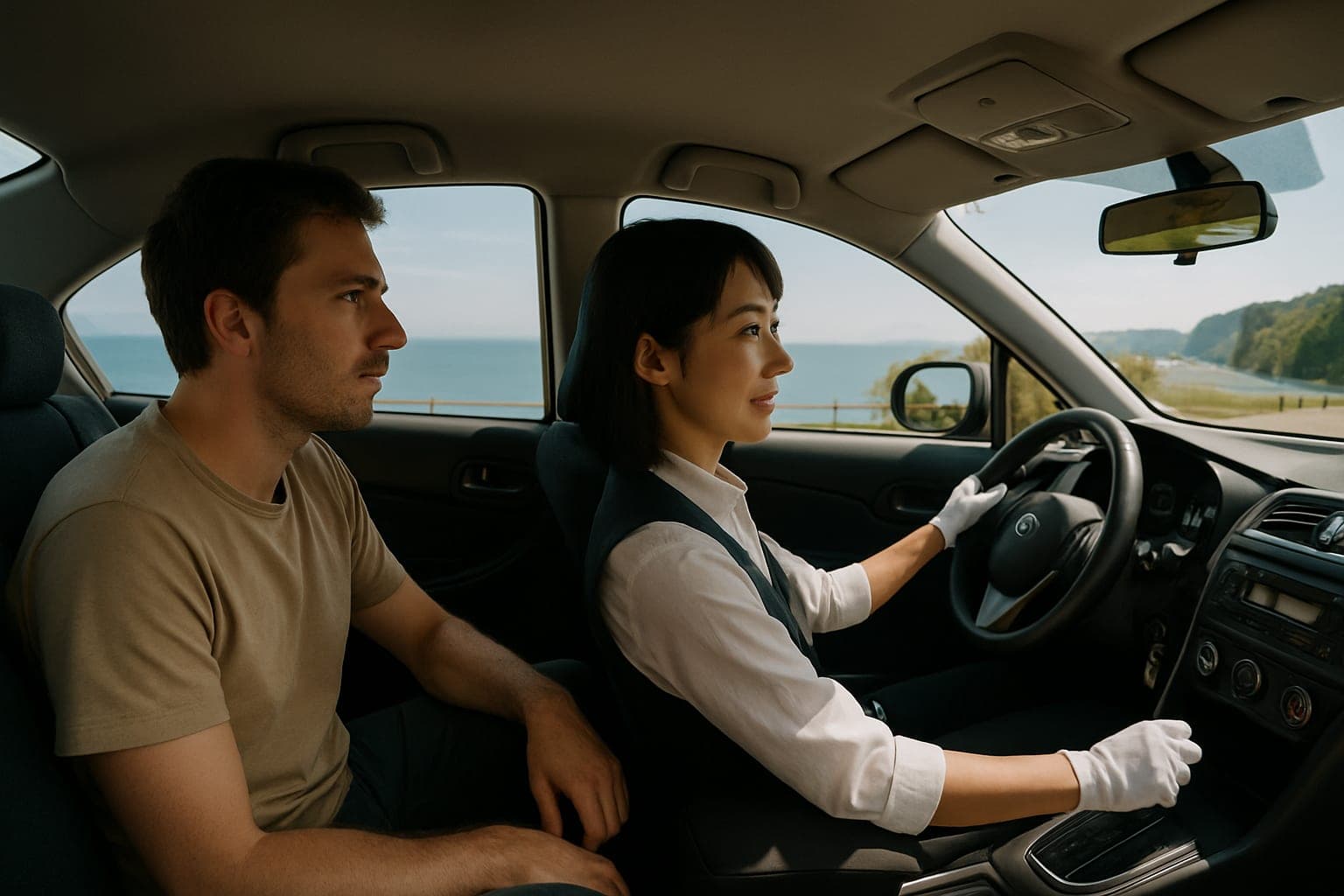
A private guide in Japan typically charges 450 USD, depending on their expertise and the itinerary.
Kamakura is where a guide earns their fee, since the historical sites and local customs come with a lot of context you won't get from signage. Many guides work in more than one language.
Book ahead, particularly during cherry blossom season and autumn foliage. Travel agencies and online platforms that specialize in private tours are the usual routes.
Ask what's included and what isn't: entrance fees, meals, and transport are sometimes bundled into the price and sometimes billed separately. Ask about the cancellation policy too.
Practical Tips for the Two Days
Start early. The Great Buddha and Sankeien Garden both get crowded, and arriving at opening gives you quieter grounds and better photographs.
Check the forecast. Most of this itinerary is outdoors, so keep a museum or a shopping stop in reserve for rain.
Pack light. You'll be on trains repeatedly and on foot most of the day, so a small backpack, a reusable water bottle, a portable charger, and comfortable shoes cover it.
Use the trains. They're fast and cheap. If you're making several trips, price a regional pass against a full Japan Rail Pass, since the regional one is often the better deal for an itinerary this size.
Eat locally. Shirasu-don in Kamakura, fresh seafood in Yokohama, and the food markets in both cities for street food.
In summer, bring sunscreen and a hat for the outdoor sites. In winter, dress in layers, because evening temperatures drop sharply.
For more detailed planning tips, check out our Plan the Perfect Kamakura Private Tour: Tips & Costs for 2026.
Additional Considerations
Seasonal Events: If you're visiting in spring, the cherry blossoms around Tsurugaoka Hachimangu and other sites are spectacular. In autumn, the foliage at Engaku-ji and Sankeien Garden is equally stunning.
Language: While many signs are in English, having a translation app can be helpful, especially in less touristy areas.
Safety: Japan is generally very safe, but it's always wise to keep an eye on your belongings in crowded areas like Komachi Street and Yokohama's Chinatown.
Connectivity: Wi-Fi is widely available in urban areas, but consider renting a pocket Wi-Fi device for uninterrupted access, especially if you plan to use navigation apps.