
Mt Fuji Day Trip from Tokyo: A Driver Guide's Honest Tips
A Mt Fuji day trip from Tokyo, from the people who drive it: when the mountain is really visible, how long the drive takes, where we stop, and the ice cream every guest asks about.
By Micky
Edited by Talha Nabeel
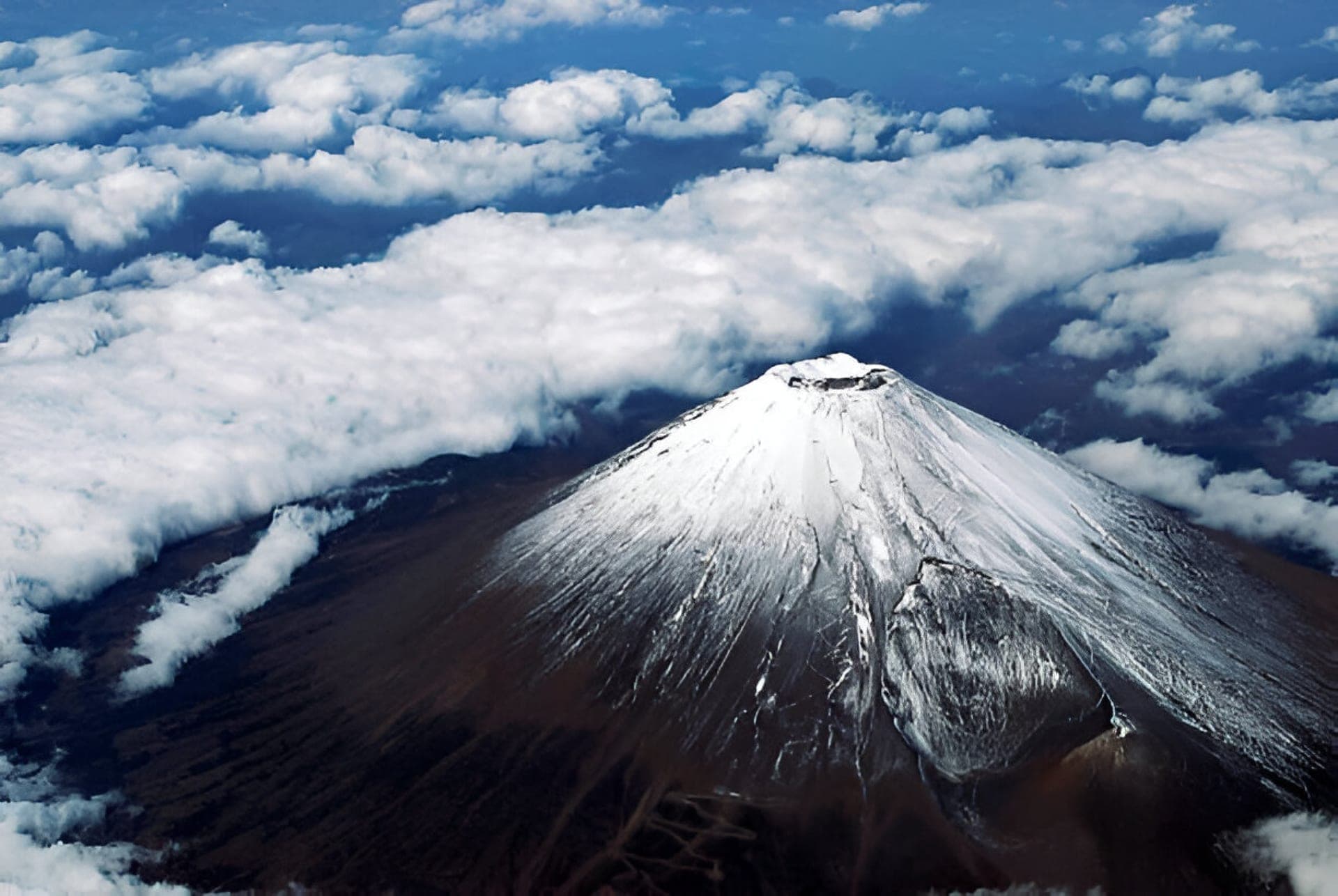
A Mt Fuji day trip from Tokyo is the tour we run more than any other, and it is also the one guests ask the most questions about. Most online guides give you a list of viewpoints. This one covers what our drivers have actually learned on the road: when the mountain shows itself, how long the drive really takes, and what to do when the clouds win.
When Mt Fuji is actually visible
Mount Fuji is clearest from November to February. The air is cold and dry, and on many winter mornings the whole mountain is sharp from base to snowcap. June to August is the hardest time. June is rainy season, and July and August bring humidity and cloud that can hide the mountain for days.
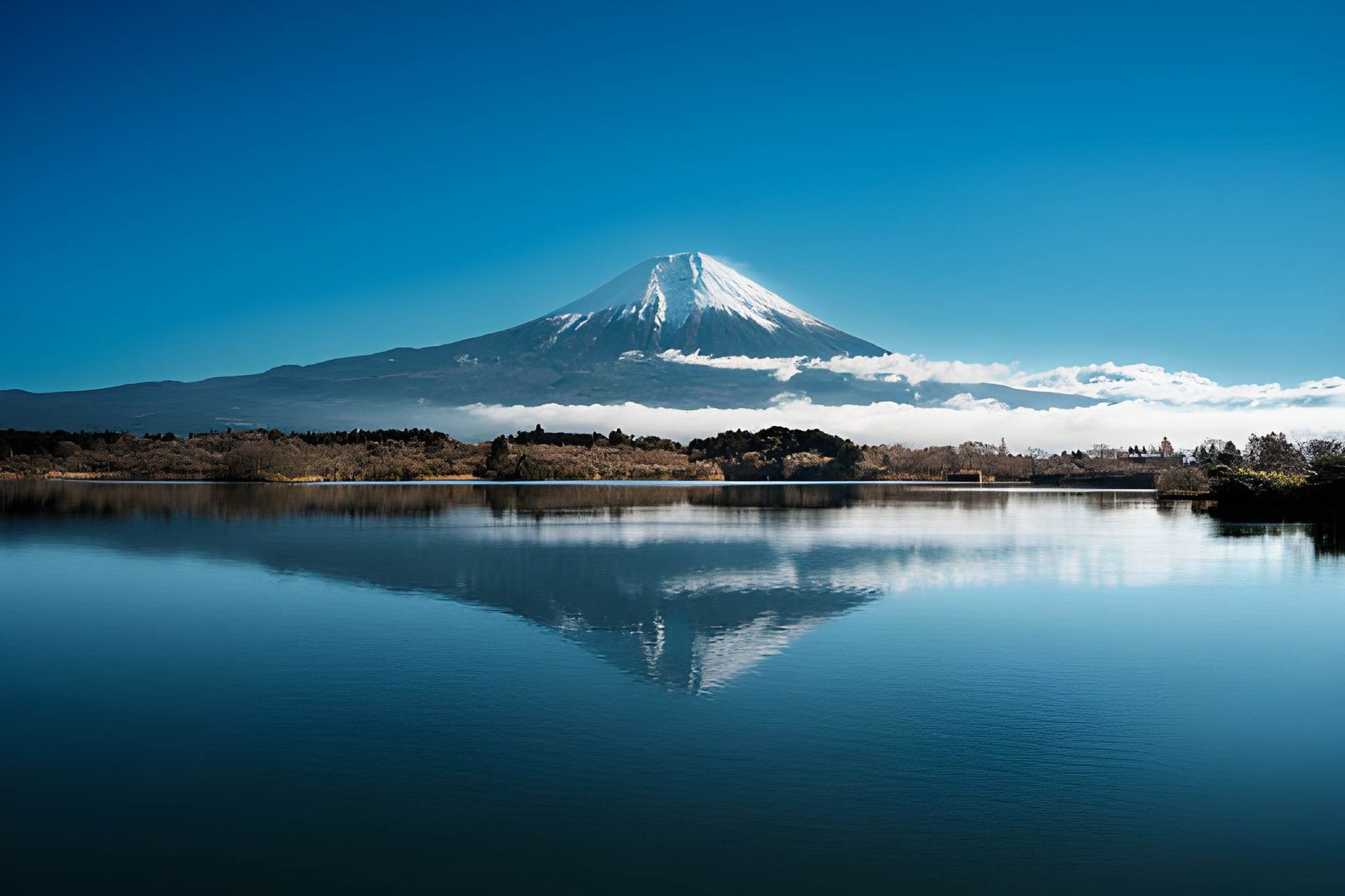
Morning matters more than the month. Fuji is usually clearest early in the day, and clouds tend to build around the peak by late morning. That is why we plan the viewpoints first and keep lunch, shopping and slower stops for later.
One thing surprises almost every guest: Fuji can appear and disappear within minutes. We often see it clearly in the morning and then lose it behind cloud a little later. The opposite happens just as often. A grey morning opens up and the mountain is suddenly there. Nobody can promise a Fuji view, including us, but staying flexible gives you the best chance of catching it.
How long the drive from Tokyo takes
From Shinjuku to Lake Kawaguchiko, plan on about 1 hour 45 minutes to 2 hours on a normal weekday. On weekends and national holidays it can take 2.5 to 3 hours, and longer during Golden Week, Obon and the autumn leaf season.
On weekdays we usually leave Tokyo around 7:00 AM. On weekends and holidays we leave around 6:30 AM. An early start does two jobs at once: you miss the worst of the traffic, and you reach the lakes during the hours when Fuji is most likely to be clear.
A typical day on our Fuji tour
Every tour is different, but a weekday often looks something like this.
7:00 AM. Your driver guide picks you up at your hotel in Tokyo.
Around 9:00 AM. We reach the Fuji Five Lakes area and go straight to a viewpoint while the morning is still clear, usually Oishi Park or Chureito Pagoda depending on the sky and on what you want to see. At Oishi Park, every guest also gets to try the ice cream.
Late morning. A second viewpoint or a slower stop, chosen by the weather. If the mountain is out, we stay with it. If it is hiding, we move to a stop that works in any weather.
After 12:00. Lunch, usually hoto noodles, the local dish of Yamanashi.
Afternoon. Oshino Hakkai for the spring water ponds, and often Saiko Iyashi no Sato Nenba. If Fuji clears in the afternoon, we head back to a viewpoint.
Return. The tour runs about 10 hours from pickup, and we drop you back at your hotel in Tokyo. Traffic on the way home decides the exact time.
Where we stop
There is no fixed route. Every private tour is built around what the group wants to see, and the weather on the day often decides the order. These are the places we visit most.
Oishi Park. A flat lakeside park on the north shore of Lake Kawaguchiko with an open view of Fuji across the water. The walking is easy, which makes it a good first stop for families and older guests.
Chureito Pagoda. The five storied pagoda with Fuji behind it is the photo most people have in mind before they come to Japan. Be ready for 398 steps up to the viewing deck, and for crowds in cherry blossom and autumn leaf season.
Oshino Hakkai. A small village of spring water ponds, thatched roofs and food stalls. It is worth visiting even on a cloudy day, which makes it a good stop to hold in reserve.
Saiko Iyashi no Sato Nenba. A restored village of thatched farmhouses by Lake Saiko. On a clear day Fuji sits right behind the rooftops, and on a rainy day the craft workshops inside the houses still make it a good visit.
The Lawson photo spot. Guests often ask about the convenience store in Fujikawaguchiko with Fuji rising behind it. If it is on your list, we will fit it in. It is a quick photo stop, and it can be busy.
The ice cream every guest asks about
This is the tip you will not find in a guidebook. At Oishi Park, the lakeside viewpoint on Lake Kawaguchiko, there is a stall selling fresh blueberry ice cream, and we take every guest to try it. We tell them it is the best ice cream they will have in Japan. So far, every single guest has agreed.
The stall has more than eight flavours, and in cherry blossom season there is a special cherry blossom flavour as well. Eating it with Fuji across the water is hard to beat. If you only have time for one snack on a Fuji day trip, make it this one.
What we do when Fuji hides
If the mountain is covered, we do not give up on it. We move to the places that are good in any weather, such as Oshino Hakkai, Saiko Iyashi no Sato Nenba and the shrines around the lakes, and we keep watching the sky. Because Fuji can clear in a few minutes, we stay close enough to a good viewpoint to get there fast when it opens.
Some of our guests' best photos were taken on days that started with no mountain at all.
Why a flexible route helps on this trip
Buses and group tours follow a fixed timetable, so they reach each viewpoint at the same time whatever the sky is doing. On a private tour the plan can change on the spot. If Fuji is clear at Oishi Park, we stay longer. If cloud is coming in, we skip ahead to the next viewpoint before it closes. On a day when the mountain comes and goes, that flexibility is often the difference between seeing it and missing it. It is the reason we built our private Mt Fuji day tour from Tokyo around the weather rather than a fixed schedule.
Lunch
Lunch is usually after 12:00. Our recommendation is hoto, the thick flat noodles cooked in a miso and pumpkin broth that are the local dish of Yamanashi. It is warm, filling and very good on a cold day by the lakes. If hoto is not for you, we choose somewhere that suits your group, whether that means Japanese set meals, vegetarian food or something simple.
Common mistakes on a Fuji day trip
Expecting a guaranteed view. Nobody can guarantee Fuji. A clear forecast helps, but the mountain makes its own cloud.
Starting late. Leaving Tokyo at 9:00 or 10:00 AM means more traffic, fewer clear hours and more time in the car.
Judging by the sky in Tokyo. Blue sky over Shinjuku does not mean blue sky over the lakes. The weather around Fuji is often different.
Trying to see everything. Chureito, Kawaguchiko, Oshino, the 5th Station and Hakone in one day is possible on paper, but most of it happens through a car window. Fewer stops, enjoyed properly, make a better day.
Forgetting a jacket for the 5th Station. Even on a warm day in Tokyo, the air at the 5th Station can be cold and windy.
A note on the 5th Station
The road to the Subaru Line 5th Station can close in winter because of snow, and in the summer climbing season private cars are restricted on the road, so visitors switch to a shuttle bus. We check the road status before every tour and plan around it.
Plan your Fuji day
If you want a day planned around the weather rather than a fixed schedule, take a look at our private Mt Fuji day tour from Tokyo. Your driver guide picks you up at your hotel and adjusts the route on the day. For more places to visit around the lakes, see our guide to things to do near Mount Fuji.
Frequently Asked Questions
Private tours for this destination
Ready to see it in person? These private tours cover the places in this guide.
Related posts
Ready to explore Japan?
Book a private tour with OHAYO TRAVEL JAPAN.
View all private tours · Browse by category · Destinations · Contact us