
For travelers seeking a harmonious blend of history and nature, Kamakura and Enoshima make for an ideal day trip from Tokyo. In 2026, these destinations continue to offer a unique glimpse into Japan's rich cultural heritage and stunning natural beauty.
Travel Tips7 min read9 views
Exploring Kamakura and Enoshima: A 2026 Day Trip Guide for History and Nature Lovers
Discover a perfect blend of history and nature in Kamakura and Enoshima. Plan your 2026 visit with our expert guide.
By MickyEdited by Talha Nabeel
Why Visit Kamakura and Enoshima?
Kamakura, once the political center of Japan during the Kamakura Shogunate from 1185 to 1333, is now a charming town filled with historical sites, while Enoshima offers breathtaking coastal views and lush landscapes. Whether you're a history buff or a nature enthusiast, there's something for everyone.
Historical Significance of Kamakura
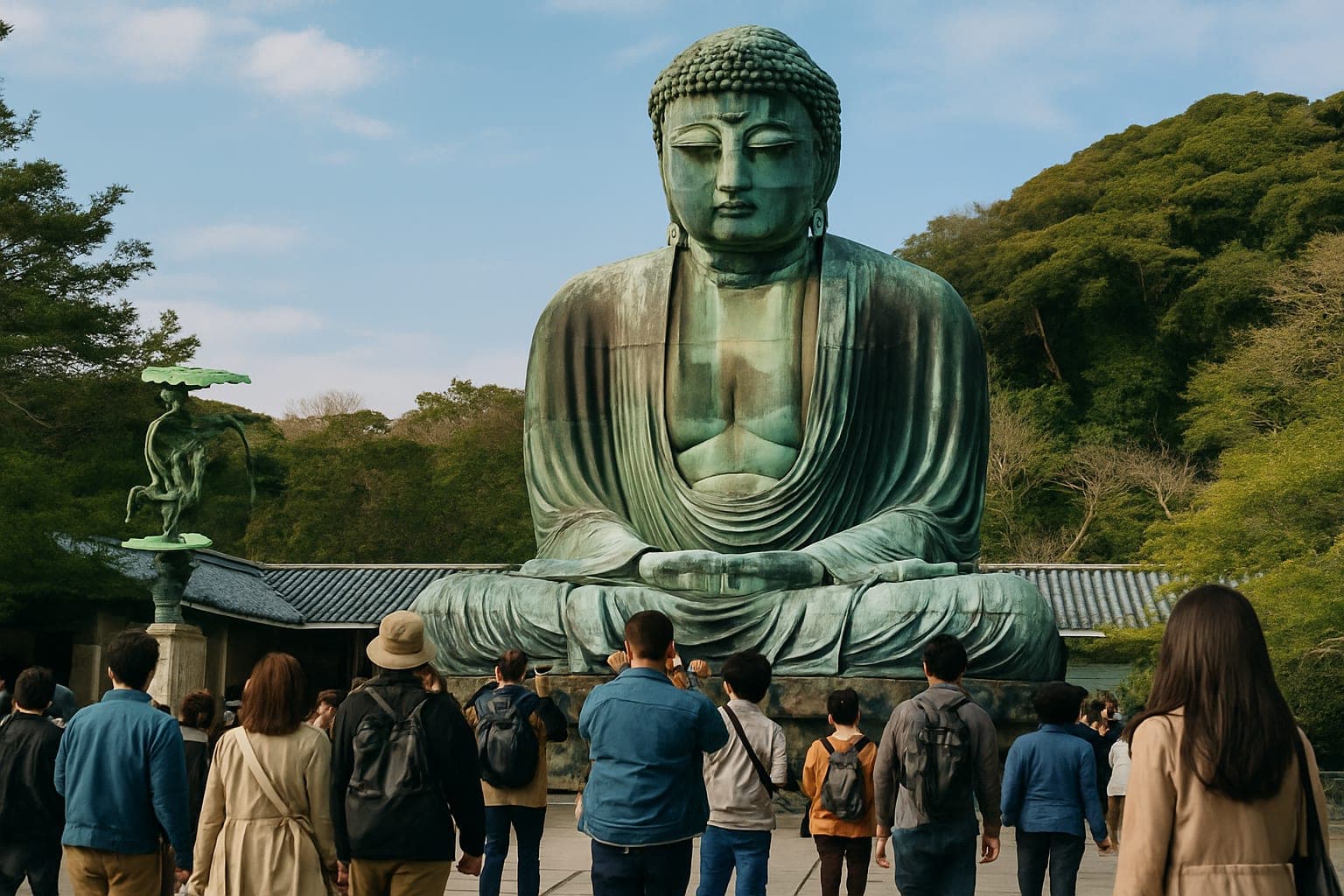
Kamakura is often referred to as the "Kyoto of Eastern Japan" due to its abundance of historical temples and shrines. The town is home to the Great Buddha, or Daibutsu, a massive bronze statue that stands at about 13.35 meters tall. This iconic statue is located at Kotoku-in Temple and is one of the most famous landmarks in Japan. Admission to the temple is around 300 JPY ($2). Don't miss the opportunity to enter the statue for an additional 20 JPY ($0.15) to see its inner structure.
Another must-see is the Tsurugaoka Hachimangu Shrine, a significant Shinto shrine that dates back to the 11th century. The shrine is often busy with visitors, especially during the New Year when it becomes a popular spot for hatsumode, the first shrine visit of the year. The approach to the shrine, lined with cherry blossom trees, is particularly beautiful in spring.
Natural Beauty of Enoshima
Enoshima is a small island connected to the mainland by a bridge, and it offers a variety of activities for nature lovers. You can explore the Enoshima Sea Candle, a lighthouse and observation tower that provides panoramic views of the surrounding area. Entrance costs around 500 JPY ($3.50), and it's worth visiting at sunset for a spectacular view.
The island is also home to the Enoshima Iwaya Caves, which have been carved out by ocean waves over centuries. Admission is 500 JPY ($3.50), and the caves are lit with colorful lights, making for a mystical experience. Don't forget to check out the Samuel Cocking Garden, a botanical garden with seasonal flowers and a small admission fee of 200 JPY ($1.50).
How to Get There
Getting to Kamakura and Enoshima from Tokyo is straightforward. You can take the JR Yokosuka Line from Tokyo Station to Kamakura Station, which takes about an hour and costs approximately 940 JPY ($6.50) one way. Alternatively, the JR Shonan-Shinjuku Line also connects to Kamakura and might be more convenient depending on your starting point in Tokyo.
To reach Enoshima from Kamakura, you can take the Enoden Line, a quaint local train that runs along the coast. The ride takes about 25 minutes and costs 260 JPY ($1.80). The Enoden Line itself is an attraction, offering scenic views of the coastline and local neighborhoods.
Pro tip: If you plan to explore both Kamakura and Enoshima, consider getting the Enoshima-Kamakura Freepass, which covers round-trip transportation from Tokyo and unlimited use of the Enoden Line for one day. It costs 1,520 JPY ($10.50) and can save you both time and money.
What Not to Miss in Kamakura
Aside from the Great Buddha and Tsurugaoka Hachimangu Shrine, Kamakura is home to many other intriguing sites. Hase-dera Temple is famous for its beautiful gardens and the eleven-headed statue of Kannon, the goddess of mercy. The temple offers a stunning view of the coastline, especially during the hydrangea season in June.
If Tokyo is part of your trip, a private day tour helps you cover more ground without feeling rushed. Kamakura private day tour pairs an English-speaking guide with a route tailored to your pace.
Another highlight is the Kencho-ji Temple, the oldest Zen temple in Kamakura, founded in 1253. The temple complex is vast, with several sub-temples and a peaceful zen garden. The admission fee is 500 JPY ($3.50), and it's a great place to experience the tranquility of Zen Buddhism.
If you enjoy hiking, the Daibutsu Hiking Trail offers a pleasant walk through the hills of Kamakura, connecting several temples and shrines. The trail is about 3 kilometers long and takes around 90 minutes to complete. It's a great way to see some of Kamakura's natural beauty while avoiding the crowds.
What Not to Miss in Enoshima
In Enoshima, the Enoshima Shrine is a complex of three shrines dedicated to Benten, the goddess of wealth, music, and knowledge. The shrines are located along the island's main path and are surrounded by lush greenery, providing a peaceful retreat from the busy streets.
Don't miss the opportunity to try some local seafood. Enoshima is famous for its shirasu, or whitebait, which is often served fresh in rice bowls or as tempura. Many restaurants near the island's entrance offer this local delicacy, and it's a must-try for any seafood lover.
For those interested in marine life, the Enoshima Aquarium is located near the bridge to the island. The aquarium features a variety of marine creatures, including dolphins and penguins. Admission is 2,500 JPY ($17), and it's a fun stop for families or anyone interested in learning more about the region's aquatic life.
Is It Worth Visiting Kamakura, Japan?
Absolutely. Kamakura offers a unique blend of historical and natural attractions that are hard to find elsewhere. Its proximity to Tokyo makes it an easy day trip, yet it feels worlds away from the hustle and bustle of the city. Whether you're interested in exploring ancient temples, enjoying coastal views, or simply relaxing in a serene setting, Kamakura has something to offer.
Enoshima, with its stunning landscapes and vibrant local culture, complements Kamakura perfectly. Together, they provide a well-rounded experience of Japan's natural beauty and cultural depth.
How Long Should You Spend in Kamakura?
A day trip is sufficient to see the highlights of both Kamakura and Enoshima, but if you have more time, consider spending a night in the area. This allows you to explore at a more leisurely pace and perhaps catch a sunrise or sunset over the ocean.
If you're visiting during peak tourist seasons, such as cherry blossom or autumn foliage, you might want to allocate extra time to account for larger crowds. Early morning visits can help you avoid the busiest times and give you a more peaceful experience.
Pro tip: Start your day early, especially if you plan to visit popular sites like the Great Buddha or Tsurugaoka Hachimangu Shrine. These spots can get crowded by late morning, so an early start can enhance your visit.
In summary, Kamakura and Enoshima are well worth the visit. They offer a perfect day trip filled with history, nature, and a touch of adventure. With careful planning, you can make the most of your time and create lasting memories in these beautiful destinations.
TopicsKamakuraEnoshimaDay TripJapan TravelNature and History
Frequently Asked Questions
Private tours for this destination
Ready to see it in person? These private tours cover the places in this guide.
Related posts
Ready to explore Japan?
Book a private tour with OHAYO TRAVEL JAPAN.
View all private tours · Browse by category · Destinations · Contact us