
Exploring Japan's Imperial Family and Their Cultural Influence in 2026
Discover how Japan's Imperial Family shapes culture today. Explore their influence and plan a unique cultural tour.
By Micky
Edited by Talha Nabeel
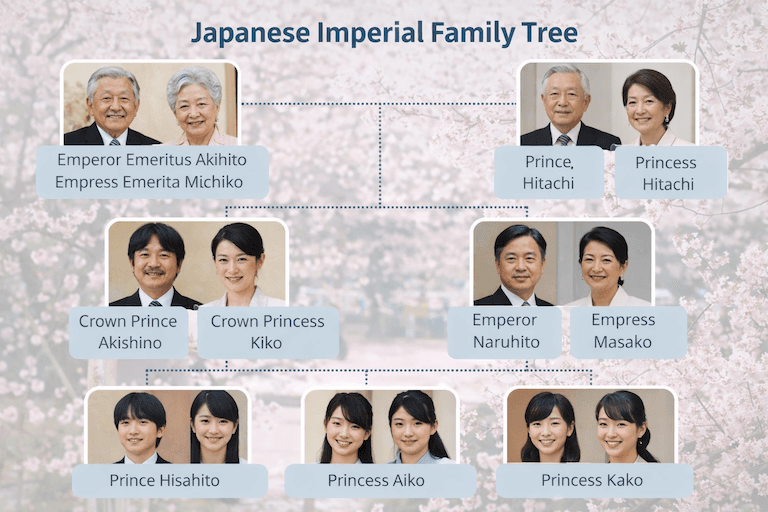
Japan's Imperial Family has long been a cornerstone of the country's cultural identity, influencing everything from traditions to modern societal norms. As you plan your visit to Japan in 2026, understanding this cultural influence can enrich your travel experience.
The Historical Role of Japan's Imperial Family
The Imperial Family, with a lineage extending over 1,500 years, has played a key role in shaping Japan's history. Unlike monarchies elsewhere, Japan's emperors have often served as spiritual leaders rather than political rulers. This enduring legacy is evident in the many Shinto rituals still performed today.
Key Historical Events
- Meiji Restoration (1868): Marked a significant shift as the emperor was restored to power, influencing Japan's modernization.
- Post-WWII Era: The emperor's role became symbolic, aligning with Japan's new constitution.
Understanding these events is crucial for appreciating the current cultural landscape.
Cultural Influence in Modern Japan
Today, the Imperial Family continues to shape Japan's cultural identity. Their influence is present in:
- Traditional Festivals: Many events, such as the annual New Year’s Greeting, involve the emperor and attract thousands.
- Architecture: Imperial residences, like the Tokyo Imperial Palace, reflect traditional Japanese aesthetics.
The Imperial Family and Education
The family also plays a role in promoting educational values, often engaging in public discussions on education and youth development.
Visiting Imperial Sites
Exploring sites related to the Imperial Family offers a unique glimpse into Japan's history and culture.
Tokyo Imperial Palace
Located in Chiyoda, Tokyo, the Imperial Palace is a must-visit for understanding the family’s influence. While the inner grounds are rarely open, you can enjoy guided tours of the East Gardens.
Kyoto's Imperial Heritage
Kyoto, the ancient capital, is home to several imperial sites, including the Kyoto Imperial Palace and Sento Imperial Palace. These locations provide insight into traditional court life.
Quick tip: Book guided tours in advance to secure your spot, especially during the peak tourist seasons.
For a comprehensive cultural experience, consider a Tokyo Private Day Tour by Car that includes visits to these iconic sites.
The Imperial Family's Role in Global Diplomacy
While largely symbolic, the Imperial Family's diplomatic efforts have a subtle yet significant impact.
Cultural Exchanges
The family often hosts and participates in international cultural exchanges, fostering global understanding and goodwill.
Economic Influence
Though not directly involved in politics or economics, the family’s presence at international events can enhance Japan's global image and influence.
The Imperial Family of Japan serves primarily as a cultural and spiritual symbol, impacting various aspects of Japanese life and occasionally influencing global relations through cultural diplomacy.
Frequently Asked Questions
Related posts
Ready to explore Japan?
Book a private tour with OHAYO TRAVEL JAPAN.
View all private tours · Browse by category · Destinations · Contact us