Tokyo Private Tour: Quiet Neighborhoods and Local Spots by Car
Skip the usual route. A Tokyo private tour by car to Yanaka, Nezu Shrine, Gotokuji, Todoroki Valley, Shibamata and Kiyosumi Garden, with sample routes and tips.
Most first trips to Tokyo follow the same route: Shibuya Crossing, Tokyo Tower, and Asakusa if there is time. They are all worth seeing once. But the Tokyo many visitors fall for sits in quieter neighborhoods spread across the city, often far from the nearest major station. A Tokyo private tour by car is the simplest way to reach several of them in one day, because you are not tied to train lines, transfers, or anyone else's pace.
This guide covers six lesser-visited places that show a calmer, older side of the city, along with how to group them into a realistic day and what to expect from traveling by car.
Why a car makes sense in Tokyo
Tokyo's trains are excellent, but the city is huge, and the quiet spots in this guide are scattered across different wards. Visiting Shibamata in the east and Gotokuji in the west on the same day by train means several transfers, lots of stairs, and well over an hour of travel each way. By car, the route bends around what you want to see, and your bags, jackets, and shopping stay in the vehicle.
A private driver-guide also handles the parts that slow visitors down: finding the right entrance, knowing which streets are pedestrian-only, and suggesting where to eat nearby. If someone in your group gets tired, you can cut a stop or add a coffee break without rebooking anything.
Yanaka: old Tokyo that survived
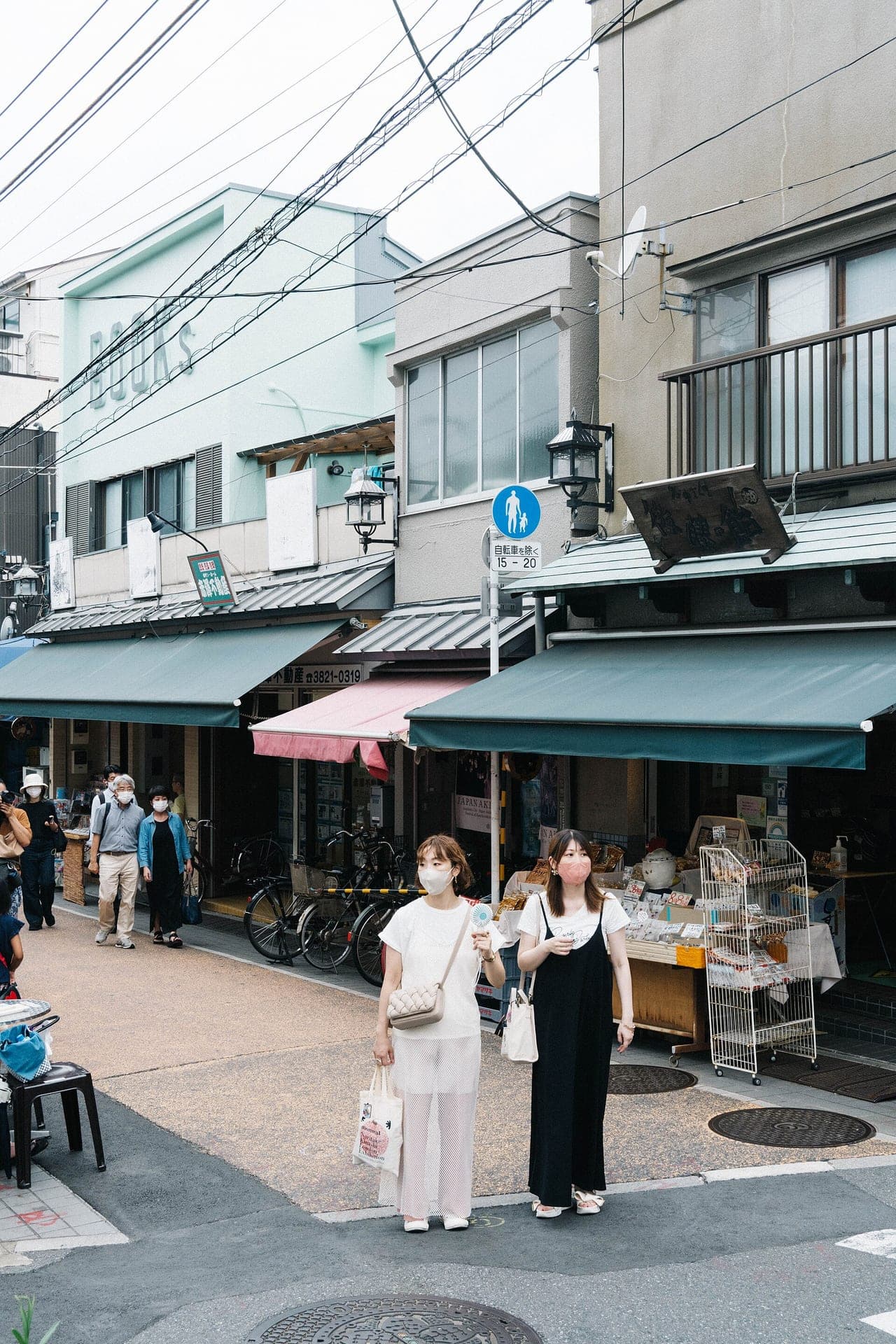
Yanaka is one of the few central neighborhoods that came through both the 1923 Great Kanto Earthquake and the World War II air raids with much of its old character intact. Wooden houses, narrow lanes, and dozens of small temples give it a slower feel than almost anywhere else in the city.
Start at the Yuyake Dandan steps, a short stone staircase named for its sunset views, then walk down into Yanaka Ginza, a small shopping street with croquette stands, sweet shops, and craft stores. Yanaka Cemetery, a peaceful tree-lined burial ground, is especially beautiful during cherry blossom season and holds the grave of Tokugawa Yoshinobu, the last shogun. The area is also known for its relaxed street cats.
Nezu Shrine: red gates without the crowds
A short walk from Yanaka, Nezu Shrine is one of the oldest shrines in Tokyo. Its main buildings date from 1706 and are designated Important Cultural Properties. The lacquered halls are beautifully preserved, but most visitors come for the narrow path of red torii gates that winds along a slope beside the main grounds.
In spring, usually from April into early May, the shrine's hillside garden of thousands of azaleas blooms during the Bunkyo Azalea Festival. The rest of the year, the grounds are calm enough that you may have the torii tunnel almost to yourself.
Gotokuji: the temple of lucky cats
In residential Setagaya in western Tokyo, Gotokuji is a Zen temple linked to the legend of the maneki-neko, the beckoning cat figure you see in shop windows all over Japan. The story says a temple cat waved a feudal lord, Ii Naotaka, inside just before a storm, and he became the temple's patron in thanks.
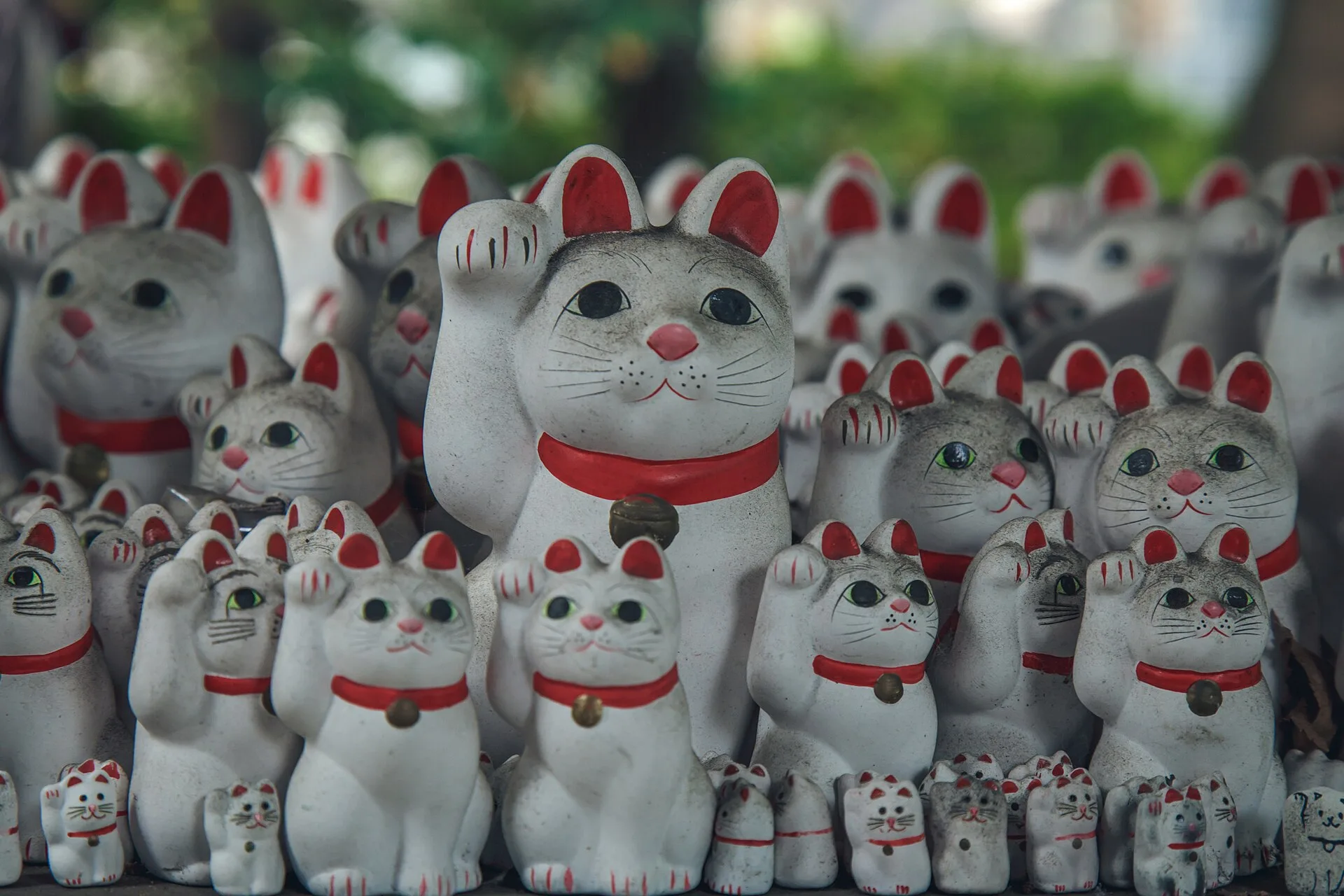
Today, thousands of white cat figurines with raised paws fill the shelves beside a small hall, left by visitors hoping for good luck. The grounds also include a three-story pagoda with carved cats hidden among its decorations, and the graves of the Ii family. It is a peaceful place, so keep voices low and photos respectful.
Rows of white maneki-neko lucky cat figurines at Gotokuji Temple in Tokyo
Maneki-neko figurines at Gotokuji. Photo: John Gillespie / Wikimedia Commons (CC BY-SA 2.0).
Todoroki Valley: a forest walk inside the city
Also in Setagaya, Todoroki Valley is often described as the only valley within Tokyo's 23 wards. A shaded walking path of about one kilometer follows the Yazawa River below street level, under tall trees and past moss-covered stone. The temperature drops noticeably on hot summer days.
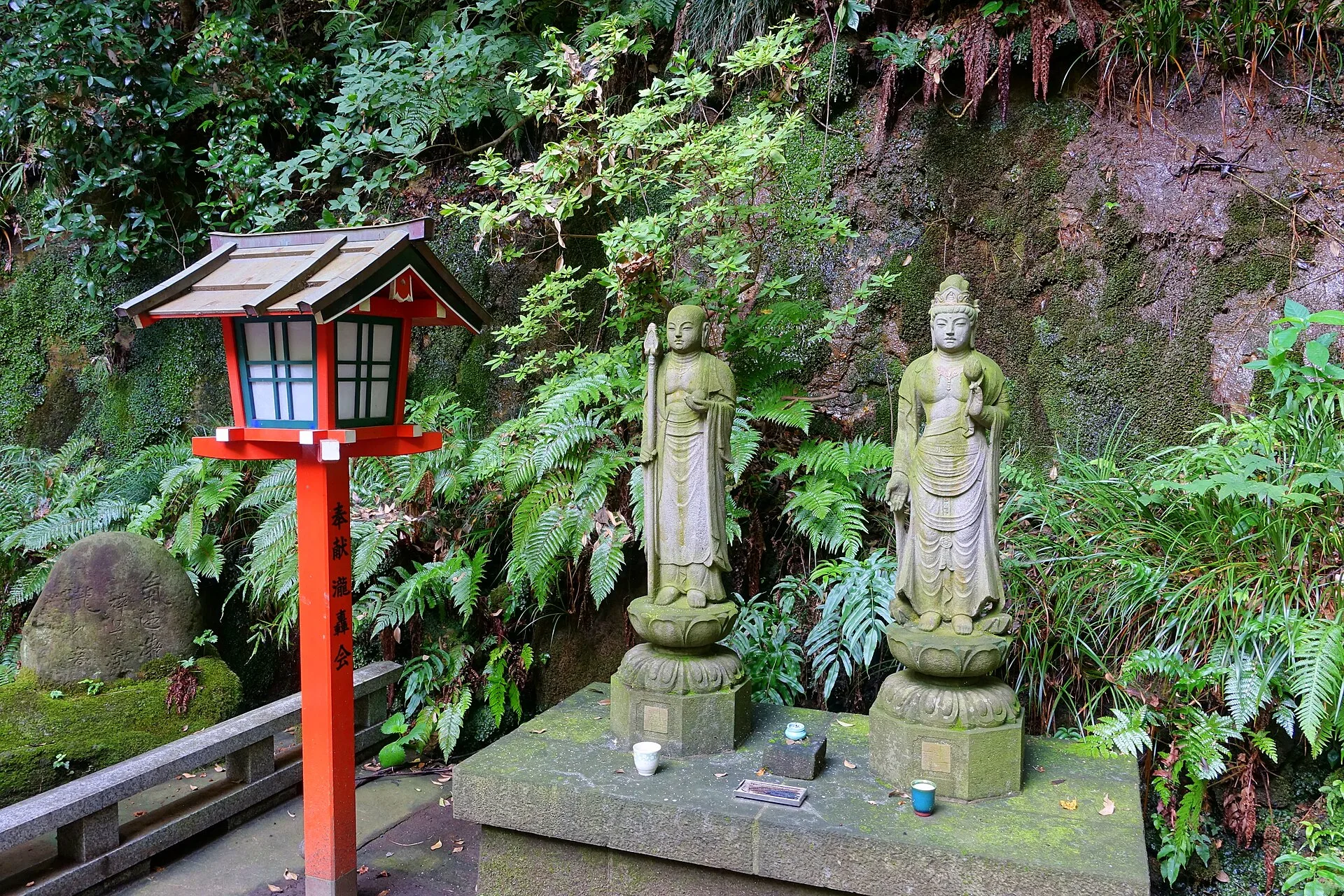
Along the way you will pass a small waterfall, Fudo no Taki, and climb steps to Todoroki Fudoson, a temple with a wooden viewing deck over the trees. Parts of the trail have closed in the past for safety work after fallen trees, so it is worth checking the current status before you go.
Shibamata: a step back in time
Far to the east in Katsushika, Shibamata feels like a small town from decades ago. It is best known as the setting of the long-running Otoko wa Tsurai yo film series, whose wandering hero Tora-san is honored with a statue outside the station.
The approach street to Shibamata Taishakuten is lined with old shops selling kusa dango, green rice dumplings flavored with mugwort, and traditional sweets. The temple itself is famous for its detailed wooden carvings, which wrap around the main hall and tell Buddhist stories in remarkable detail. A small fee lets you view the carving gallery and the garden behind it. Nearby, the Yagiri no Watashi, a hand-rowed ferry across the Edo River, still runs on many days.
Fudo no Taki waterfall surrounded by trees in Todoroki Valley, Tokyo
Fudo no Taki in Todoroki Valley. Photo: Daderot / Wikimedia Commons (CC0).
Kiyosumi Garden: stepping stones and quiet water
In Koto ward on the east side of the Sumida River, Kiyosumi Garden is a traditional strolling garden built around a large pond. In the late 1800s, it was developed by Iwasaki Yataro, the founder of Mitsubishi, who brought in rare stones from across Japan.
The highlight is the line of stepping stones across the edge of the pond, where you can walk right above the water among carp, turtles, and herons. The garden charges a small entry fee and is rarely busy on weekdays. The neighborhood around it is also known for its independent coffee roasters, which make for a good break.
Planning a Tokyo private tour of quiet neighborhoods
You will not see all six places in one day, and you should not try. Tokyo traffic can be slow, and these spots are best enjoyed without rushing. Two practical routes work well:
East side: Yanaka, Nezu Shrine, Kiyosumi Garden, and Shibamata. Good for old streets, shrines, and snacks.
West side: Gotokuji and Todoroki Valley, combined with a neighborhood such as Shimokitazawa or a stop in central Tokyo. Good for nature and a slower pace.
Start around 8:30 or 9 AM to beat traffic, and plan three or four stops with a sit-down lunch in the middle. Weekdays are quieter almost everywhere. Spring and autumn offer the best weather and colors, while summer mornings are the most comfortable time for walking.
What to expect on the day
On a typical Tokyo private tour, your driver-guide meets you at your hotel, confirms the plan, and adjusts the order of stops based on traffic and weather. Between neighborhoods, the car becomes a comfortable base where you can rest, charge phones, and ask questions about what you just saw. At each stop, you walk at your own pace, and your guide can point out details that are easy to miss, from temple carvings to old shop signs.
Many private tours Tokyo visitors book are fully customizable, so tell us in advance about mobility needs, children, food preferences, or a place you have always wanted to see. A good plan leaves room for a surprise stop or two.
Respecting quiet places
Part of what makes these neighborhoods special is that people still live and worship in them. Keep voices low in residential lanes, do not block narrow streets for photos, follow photo rules posted at temples and shrines, and take your trash with you. Small shops often prefer cash, so carry some yen.
A Tokyo private tour of quiet neighborhoods shows you a side of the city that most visitors miss, at a pace that suits your group. Tell us which of these places interest you, and we will help shape the day.
TopicsTokyoPrivate ToursLocal NeighborhoodsTemples and ShrinesJapan Travel Tips
Frequently Asked Questions
A Tokyo private tour by car is a guided day for your group only, with a private vehicle and an English-speaking driver-guide. You start with hotel pickup, choose the stops you care about, and set the pace. It is especially useful for reaching quieter neighborhoods spread across different wards that would take several train transfers to connect.
Good choices include Yanaka for old wooden streets and temples, Nezu Shrine for its tunnel of red torii gates, Gotokuji for its thousands of lucky cat figurines, Todoroki Valley for a forest walk inside the city, Shibamata for its retro shopping street and carved temple, and Kiyosumi Garden for stepping stones across a pond.
Yes. Both are on the east side of Tokyo, so they combine well by car with Nezu Shrine and Kiyosumi Garden. By train, the trip involves several transfers. Plan three or four stops with a sit-down lunch in the middle, and start around 8:30 or 9 AM to avoid the worst of the morning traffic.
Gotokuji is a Zen temple in Setagaya linked to the legend of the maneki-neko, the beckoning lucky cat. Visitors leave white cat figurines with raised paws, and thousands now fill the shelves beside a small hall. The grounds also include a three-story pagoda with carved cats and the graves of the Ii family.
Todoroki Valley is a public walking path of about one kilometer along the Yazawa River in Setagaya, and it is free to enter. Parts of the trail have closed in the past for safety work after fallen trees, so check the current status with Setagaya ward or ask us before you go. Wear shoes with good grip.
Weekdays are calmer almost everywhere. Spring brings cherry blossoms in Yanaka and azaleas at Nezu Shrine, usually from April into early May, while autumn offers comfortable weather and fall colors. In summer, start early, because shaded spots like Todoroki Valley stay cooler but city streets heat up quickly by midday.
Private tours for this destination
Ready to see it in person? These private tours cover the places in this guide.