
Japan's culture blends ancient traditions with modern influences. This guide helps you understand the unique aspects of Japanese life, with insights into customs, dining etiquette, and travel tips to make your 2026 visit smoother and more enjoyable.
Travel Tips7 min read40 views
Discover Japanese Culture and Traditions: A 2026 Guide for Travelers
Explore the essence of Japanese culture in 2026 with tips on customs, dining etiquette, and travel insights for an enriching experience.
By MickyEdited by Talha Nabeel
Introduction to Japanese culture
Japanese culture is a fascinating blend of old-world tradition and modern innovation. From the serene beauty of tea ceremonies to the busy energy of manga cafes, Japan gives visitors a cultural experience that's both unique and enriching. Understanding Japanese culture is crucial for any visitor, as it provides a deeper appreciation of the country's customs and lifestyle. Whether you're wandering through the historic streets of Kyoto or exploring Tokyo's neon-lit districts, being aware of cultural norms can significantly enhance your travel experience. Japan's culture is not just about its historical sites; it's a living, breathing entity that reflects the country's values and way of life.
When you visit, you'll notice the importance of community and respect, which are central to everyday interactions. This respect extends to nature, as seen in Japan's meticulous gardens and parks, and to craftsmanship, evident in everything from traditional pottery to modern technology. The balance between maintaining tradition and embracing modernity is a hallmark of Japanese culture, making it both intriguing and complex for travelers.
Key aspects of Japanese culture
Japanese culture is shaped by a few key elements that give it a unique identity. Respect and harmony are at its core, often shown through arts like Ikebana, the art of flower arranging, and calligraphy. The idea of "wabi-sabi, " which finds beauty in imperfection, is a big part of Japanese aesthetics. Festivals are important too, with events like Hanami, for cherry blossom viewing, and Obon, a Buddhist event to honor ancestors, offering a window into Japanese spirituality and community life.
Japanese pop culture, including anime and manga, has become famous worldwide, attracting fans to Japan. This modern cultural wave exists alongside traditional practices, creating a lively cultural scene. Explore Tokyo's Top Anime and Manga Hotspots in 2026 for a deep dive into this side of Japan.
The Japanese work ethic is another defining feature, focusing on diligence and dedication. You see this in the punctual trains and the high level of customer service. The concept of "gaman, " which means enduring tough situations with patience and dignity, influences both personal and professional life.
Japanese cuisine is also a major cultural aspect, with dishes like sushi, ramen, and tempura enjoyed globally. Each region has its own food specialties, so tasting local dishes is a tasty way to experience the culture. For more on regional cuisine, check out What to Eat in Nara: Discover Traditional and Modern Delights in 2026.
Traditional Japanese customs and practices
Understanding traditional customs is key when traveling in Japan. Bowing is a common greeting that shows respect and politeness. In formal settings, a slight bow is expected when meeting someone. Also, remember to remove your shoes before entering a home or certain traditional inns, known as ryokans, so having clean socks is a good idea.
Tea ceremonies are a significant part of Japanese culture, emphasizing harmony, respect, and purity. Attending one gives you insight into the detailed rituals and aesthetics of Japanese hospitality. The concept of "omotenashi, " or selfless hospitality, is central to Japanese service, ensuring guests receive the highest care and respect.
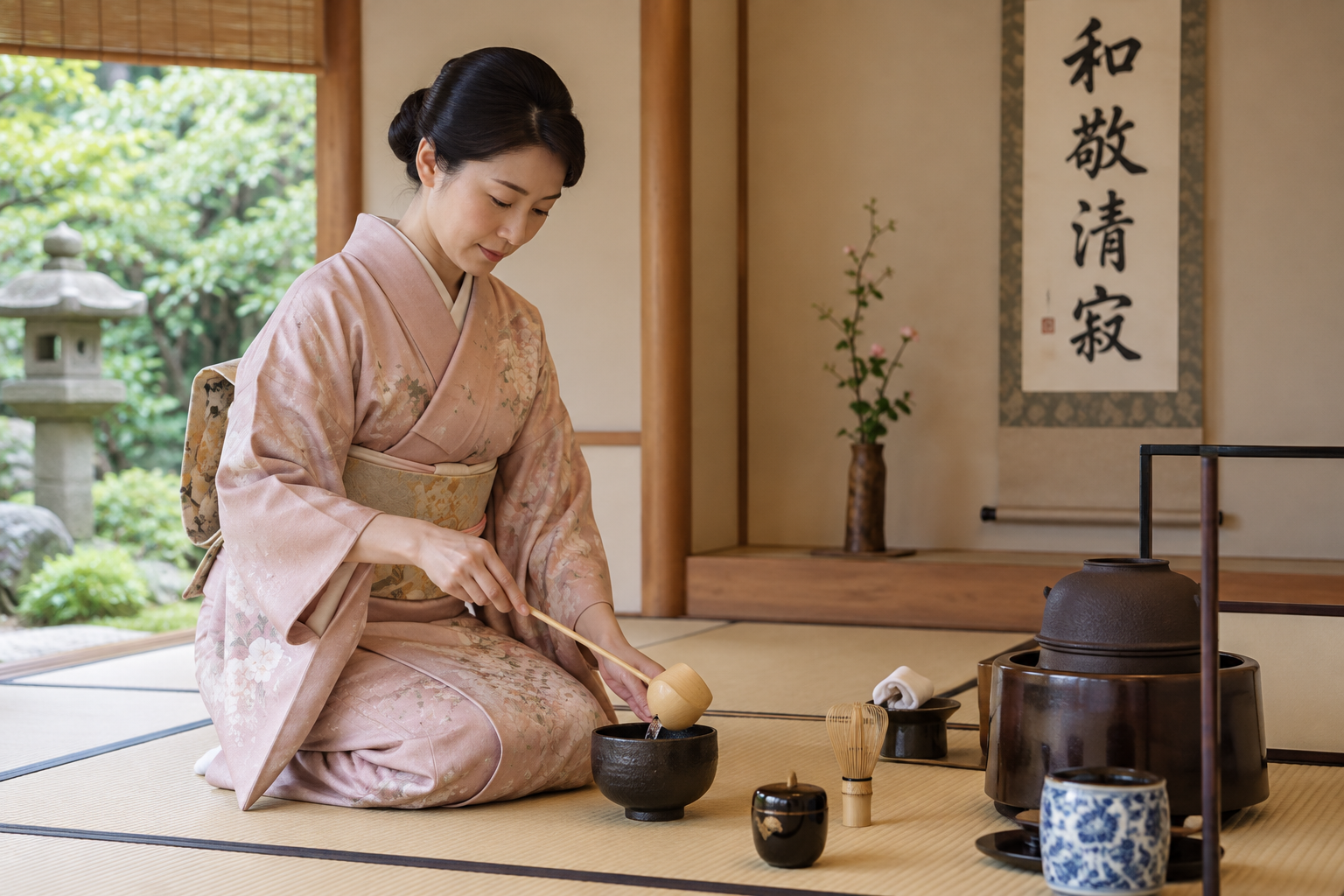
Joining a tea ceremony can be quite memorable. They often take place in traditional tea houses or gardens, offering a peaceful setting. Expect to spend around 3,000 JPY (about 20 USD) for a session, which usually includes a bowl of matcha and a sweet treat. Pay close attention to the host's actions, as the ceremony is a choreographed event where each movement is meaningful.
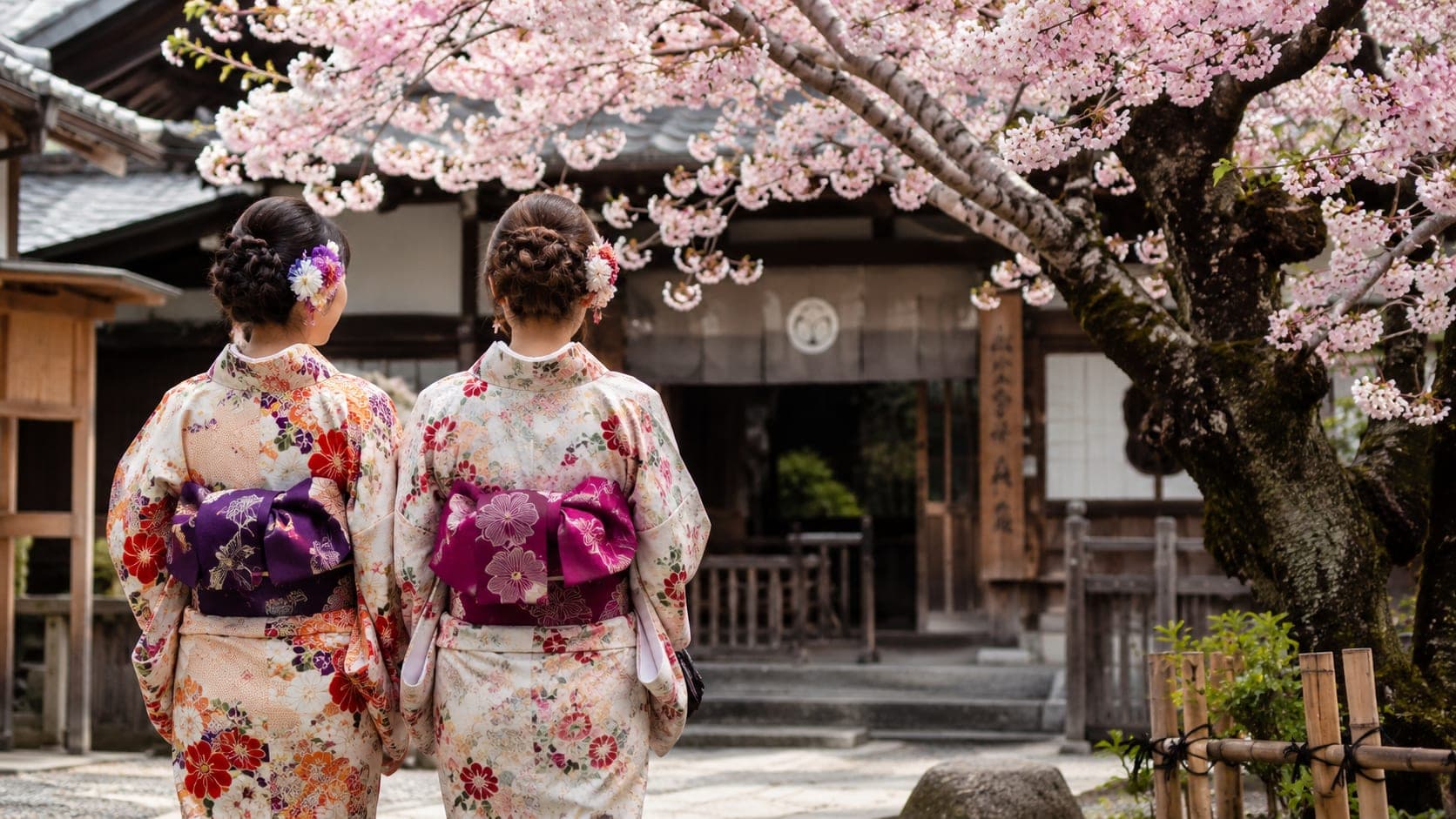
Wearing traditional clothing like a kimono is another way to connect with Japanese culture. Many cities have kimono rental services, letting you explore historic areas such as Kyoto in style. Renting a kimono generally costs between 4,000 to 6,000 JPY (approximately 27 to 40 USD) for a day.
Understanding Japanese dining etiquette
Dining in Japan comes with its own set of etiquette rules that travelers should be mindful of. Before meals, it's customary to say "Itadakimasu, " a phrase expressing gratitude for the food. When using chopsticks, avoid sticking them upright in rice, as this resembles a funeral rite. Instead, place them on the provided holder when not in use.
Slurping noodles is acceptable and even encouraged, as it signifies enjoyment. However, blowing your nose at the table is considered rude. When dining out, tipping is not customary, as good service is expected as part of the experience. Paying a bill often involves placing money on a tray rather than handing it directly to the server.
In traditional settings, such as a kaiseki meal, which is a multi-course Japanese dinner, etiquette is even more pronounced. These meals can be pricey, ranging from 10,000 to 30,000 JPY (about 68 to 204 USD), but they offer a deep dive into Japanese culinary arts. Be prepared to sit on tatami mats and follow the lead of your host or server for proper etiquette.
When visiting an izakaya (Japanese pub), sharing dishes is common. It's polite to serve others before yourself, using the opposite end of your chopsticks. This communal style of dining is a great way to try various dishes and bond with your dining companions.
Interesting facts about Japanese culture
Japan's history is full of intriguing facts. Did you know that Japan has more than 5 million vending machines, offering everything from hot meals to umbrellas? This reflects the country's innovative spirit and convenience-oriented lifestyle.
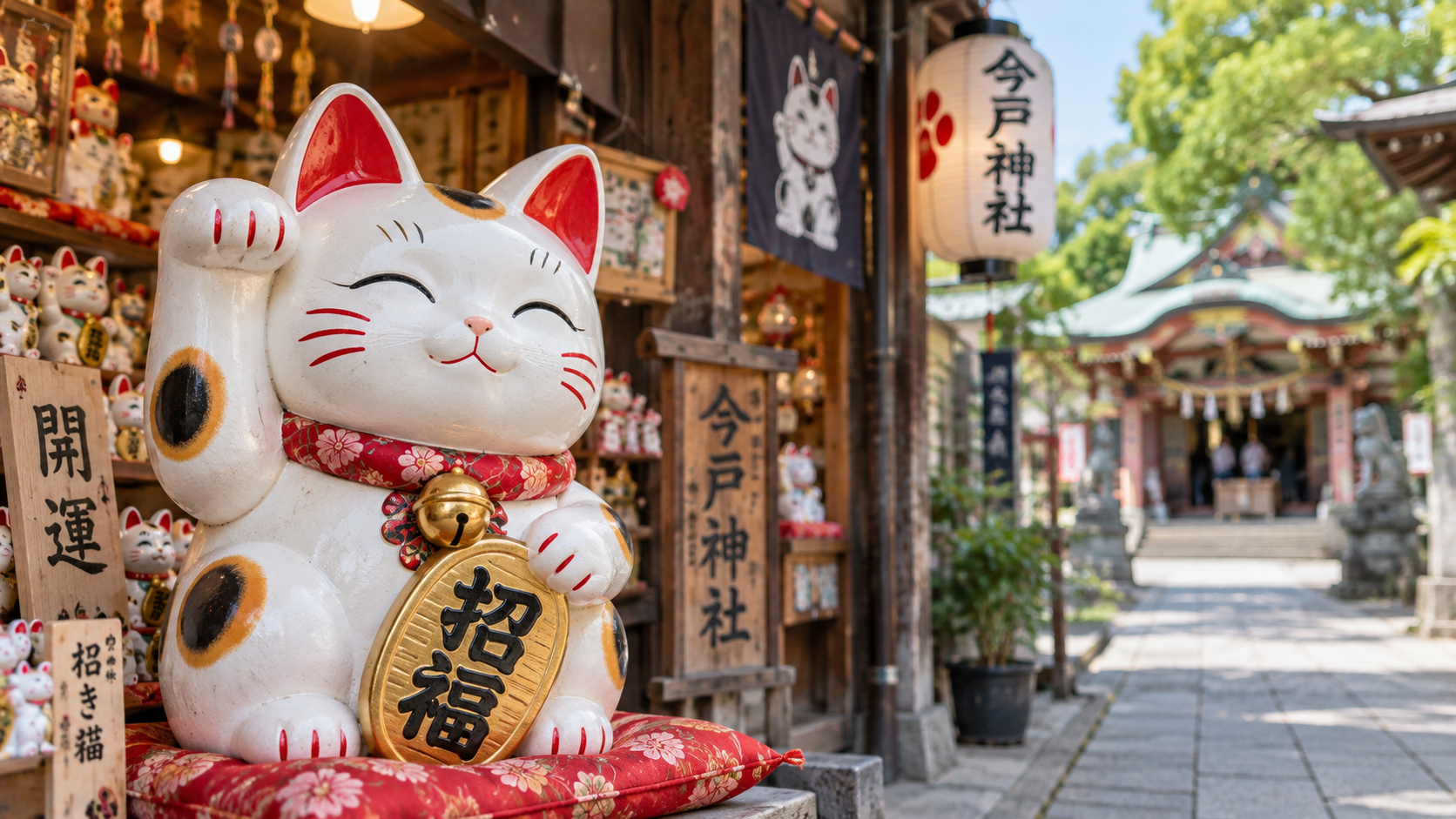
Japan also has a "lucky" cat known as the Maneki-neko, often seen in shops and restaurants. This cat statue is believed to bring good fortune to its owner. Additionally, Japan's love for cats extends to the many cat cafes scattered across the country, where visitors can enjoy a drink while petting feline friends.
Sakura, or cherry blossoms, are another well-known symbol of Japan. The blooming season, usually from late March to early April, attracts both locals and tourists who gather for "hanami, " or flower viewing parties. These gatherings are a joyful celebration of nature's beauty, often accompanied by picnics and sake under the pink canopy.
Travel tips for experiencing Japanese culture
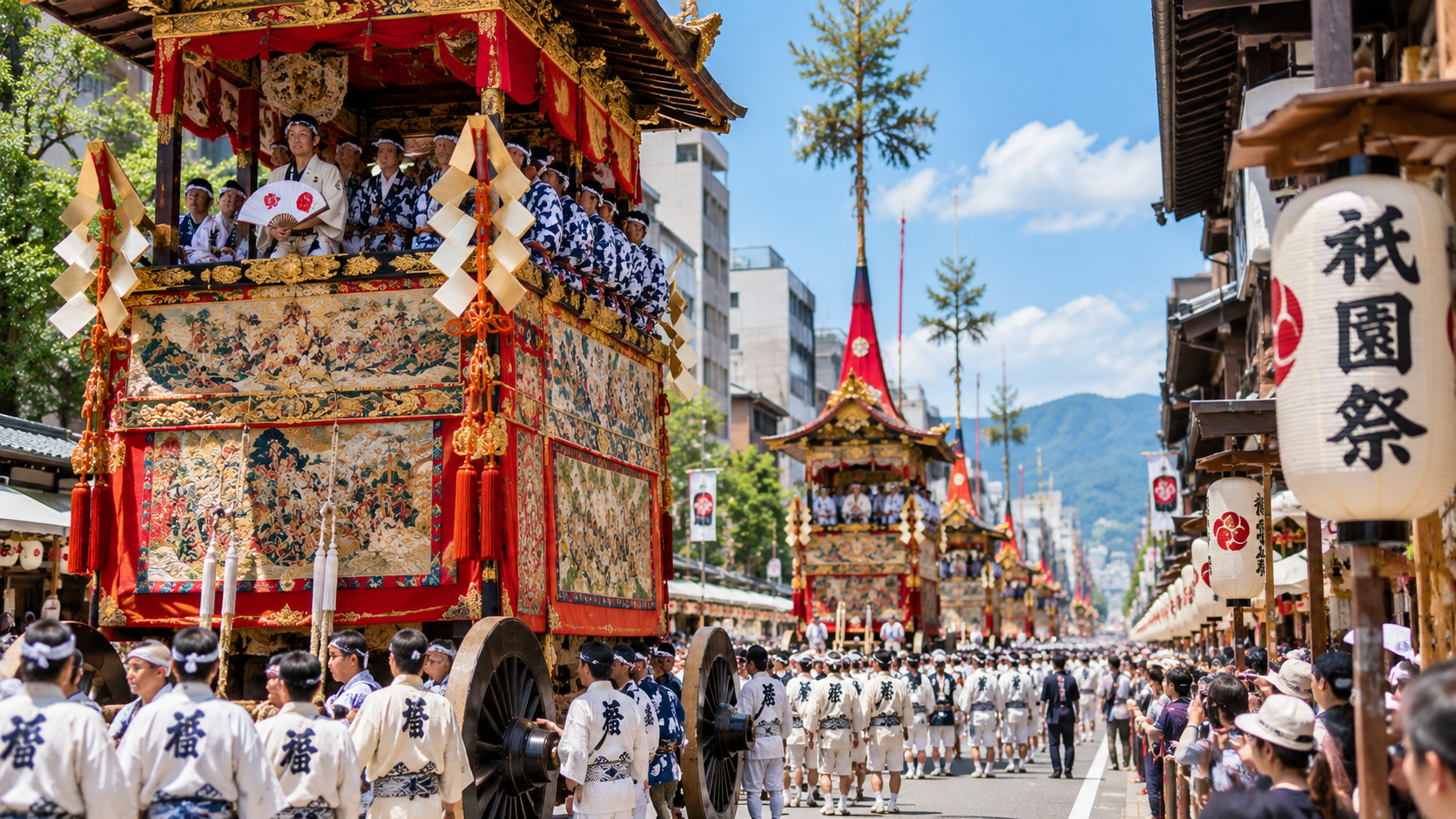
To really get a feel for Japanese culture, plan your trip around major festivals like the Gion Matsuri in Kyoto. Book your stay early, especially during busy times like cherry blossom season and autumn. Public transportation is efficient, and the JR Pass is a good deal for unlimited travel on certain routes, making it easy to hop between cities.
A local tip: Learn a few basic Japanese phrases. Words like "Arigatou" (thank you) and "Sumimasen" (excuse me) can really improve your interactions with locals. If you're interested in Japan's historical and cultural sites, check out our Experience Tokyo Fuji and Nikko: A Luxurious 3-Day Tour.
Pro tip: Keep some cash on you, as many smaller places in Japan don't take credit cards.
If you're aiming for cherry blossom season, try to arrive a few days before the predicted full bloom to get the best spots. Forecasts can vary, so keep an eye on them. For winter sports fans, Japan's ski resorts like those in Hokkaido offer great powder snow and are usually less crowded than European ones.
For a different cultural experience, stay in a ryokan, a traditional Japanese inn. These often feature tatami rooms, futon bedding, and onsen (hot spring) baths, giving you a real taste of Japanese hospitality. Prices range from 10,000 to 50,000 JPY (about 68 to 340 USD) per night, depending on luxury and location. Discover the Best Ryokan Stays in Japan: A 2026 Guide for more details.
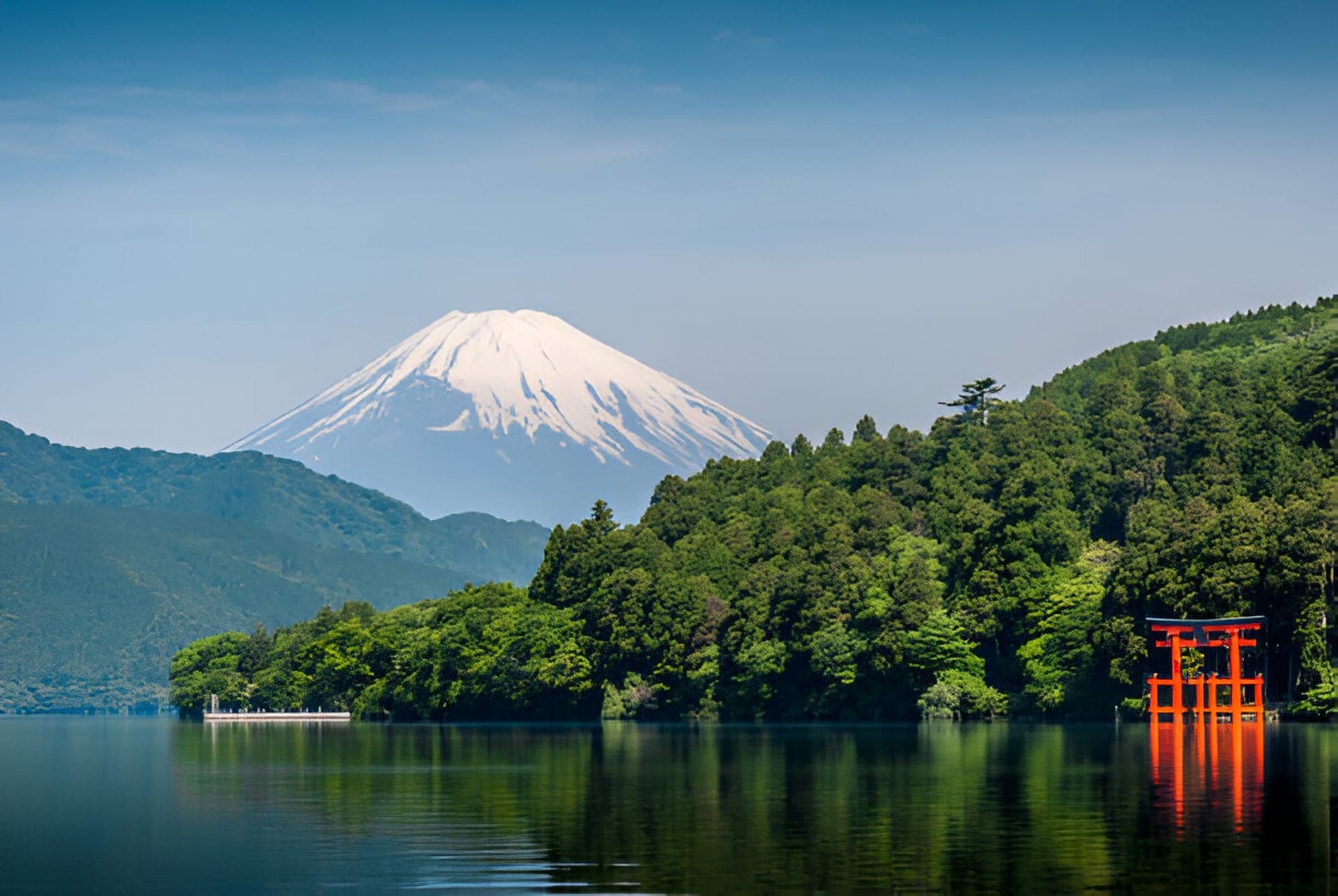
If you would like a private guide for this area, the Mount Fuji and Hakone Day Trip from Tokyo covers the main stops at a comfortable pace.
TopicsJapanese culturetravel tipsJapanese traditionsdining etiquette
Frequently Asked Questions
Related posts
Ready to explore Japan?
Book a private tour with OHAYO TRAVEL JAPAN.
View all private tours · Browse by category · Destinations · Contact us